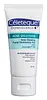
This acne moisturizer is formulated around Salicylic Acid to clear breakouts and balance excess oil.
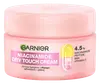
This oil-control moisturizer is formulated around Niacinamide to balance excess oil and refine skin texture.


What's inside
What's inside
 Key Ingredients
Benefits
Concerns
Ingredients Side-by-side
Water
Skin ConditioningSea Water
HumectantPropylene Glycol
Humectant


Butylene Glycol
Humectant
Ethoxydiglycol
HumectantAmmonium Acryloyldimethyltaurate/Vp Copolymer
Phenoxyethanol
Preservative
Salicylic Acid
Masking







Maltooligosyl Glucoside
Skin ConditioningHydrogenated Starch Hydrolysate
HumectantXanthan Gum
EmulsifyingSodium Hydroxide
BufferingCaprylyl Glycol
Emollient
Chlorphenesin
Antimicrobial
Disodium EDTA
ChelatingAloe Barbadensis Leaf Juice
Skin Conditioning

Maltodextrin
Absorbent
Ceramide AP
Skin Conditioning

1,10-Decanediol
Solvent10-Hydroxydecanoic Acid
Skin ConditioningSebacic Acid
BufferingWater, Sea Water, Propylene Glycol, Butylene Glycol, Ethoxydiglycol, Ammonium Acryloyldimethyltaurate/Vp Copolymer, Phenoxyethanol, Salicylic Acid, Maltooligosyl Glucoside, Hydrogenated Starch Hydrolysate, Xanthan Gum, Sodium Hydroxide, Caprylyl Glycol, Chlorphenesin, Disodium EDTA, Aloe Barbadensis Leaf Juice, Maltodextrin, Ceramide AP, 1,10-Decanediol, 10-Hydroxydecanoic Acid, Sebacic Acid
Water
Skin ConditioningGlycerin
Humectant
Niacinamide
Smoothing

Alcohol Denat.
Antimicrobial
Isononyl Isononanoate
EmollientSodium Carbomer
Emulsion StabilisingSodium Hydroxide
BufferingCitrus Limon Fruit Extract
Masking
Carbomer
Emulsion StabilisingSodium Lactate
Buffering
Silica
Abrasive
Silica Silylate
Emollient
Palmitoyl Tetrapeptide-7
Skin Conditioning
Palmitoyl Tripeptide-1
Skin Conditioning
Ascorbyl Glucoside
Antioxidant

Caprylyl Glycol
Emollient
Trisodium Ethylenediamine Disuccinate
ChelatingXanthan Gum
EmulsifyingPolyglyceryl-2 Isostearate
Emulsifying
Polysorbate 20
Emulsifying
Butylene Glycol
Humectant
Salicylic Acid
Masking
Chlorphenesin
Antimicrobial
CI 14700
Cosmetic ColorantCI 15510
Cosmetic ColorantLinalool
Perfuming

Geraniol
Perfuming
Limonene
Perfuming
Parfum
Masking
Water, Glycerin, Niacinamide, Alcohol Denat., Isononyl Isononanoate, Sodium Carbomer, Sodium Hydroxide, Citrus Limon Fruit Extract, Carbomer, Sodium Lactate, Silica, Silica Silylate, Palmitoyl Tetrapeptide-7, Palmitoyl Tripeptide-1, Ascorbyl Glucoside, Caprylyl Glycol, Trisodium Ethylenediamine Disuccinate, Xanthan Gum, Polyglyceryl-2 Isostearate, Polysorbate 20, Butylene Glycol, Salicylic Acid, Chlorphenesin, CI 14700, CI 15510, Linalool, Geraniol, Limonene, Parfum
Reviews
Ingredients Explained
These ingredients are found in both products.
Ingredients higher up in an ingredient list are typically present in a larger amount.
Butylene Glycol (or BG) is used within cosmetic products for a few different reasons:
Overall, Butylene Glycol is a safe and well-rounded ingredient that works well with other ingredients.
Though this ingredient works well with most skin types, some people with sensitive skin may experience a reaction such as allergic rashes, closed comedones, or itchiness.
Learn more about Butylene GlycolCaprylyl Glycol is a humectant, skin conditioner, emollient, and preservative booster derived from either caprylic acid or synthetically created.
Typical use levels vary from 0.3-1% as a preservative booster and go up to 2% to condition skin.
Because it is not a free-fatty acid, this ingredient is fungal acne safe (there's nothing for Malassezia to feed on).
Learn more about Caprylyl GlycolChlorphenesin is a synthetic preservative. It helps protect a product against bacteria in order to extend shelf life. In most cases, Chlorphenesin is paired with other preservatives such as phenoxyethanol and caprylyl glycol.
Chlorphenesin is a biocide. This means it is able to help fight the microorganisms on our skin. It is also able to fight odor-releasing bacteria.
Chlorphenesin is soluble in both water and glycerin.
Studies show Chlorphenesin is easily absorbed by our skin. You should speak with a skincare professional if you have concerns about using Chlorphenesin.
Learn more about ChlorphenesinSalicylic Acid (also known as beta hydroxy acid or BHA) is a well-known ingredient for treating skin that struggles with acne and clogged pores. It exfoliates both the skin's surface and deep within the pores to help clear out buildup, control oil, and reduce inflammation.
Unlike AHAs (alpha hydroxy acids), salicylic acid is oil-soluble. This allows it to penetrate into pores which makes it especially effective for treating blackheads and preventing future breakouts.
Salicylic acid is also known for its soothing properties. It has a similar structure to aspirin and can calm inflamed or irritated skin, making it a good option for acne-prone skin that is also sensitive.
Concentrations of 0.5-2% are recognized by the U.S. FDA as an over-the-counter topical acne product.
It can cause irritation and/or dryness if one's skin already has a compromised moisture barrier, so it's best to focus on repairing that before introducing this ingredient into your routine.
While salicylic acid does not increase sun sensitivity, it’s still important to wear sunscreen daily to protect your skin.
If you are looking for the ingredient called BHA or Butylated Hydroxyanisole, click here.
Learn more about Salicylic AcidSodium Hydroxide is also known as lye or caustic soda. It is used to adjust the pH of products; many ingredients require a specific pH to be effective.
In small amounts, sodium hydroxide is considered safe to use. However, large amounts may cause chemical burns due to its high alkaline.
Your skin has a natural pH and acid mantle. This acid mantle helps prevent harmful bacteria from breaking through. The acid mantle also helps keep your skin hydrated.
"Alkaline" refers to a high pH level. A low pH level would be considered acidic.
Learn more about Sodium HydroxideWater. It's the most common cosmetic ingredient of all. You'll usually see it at the top of ingredient lists, meaning that it makes up the largest part of the product.
So why is it so popular? Water most often acts as a solvent - this means that it helps dissolve other ingredients into the formulation.
You'll also recognize water as that liquid we all need to stay alive. If you see this, drink a glass of water. Remember to stay hydrated!
Learn more about WaterXanthan gum is used as a stabilizer and thickener within cosmetic products. It helps give products a sticky, thick feeling - preventing them from being too runny.
On the technical side of things, xanthan gum is a polysaccharide - a combination consisting of multiple sugar molecules bonded together.
Xanthan gum is a pretty common and great ingredient. It is a natural, non-toxic, non-irritating ingredient that is also commonly used in food products.
Learn more about Xanthan Gum

