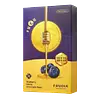
This hydrating overnight mask is formulated around Vaccinium Angustifolium Fruit Extract and Butyrospermum Parkii Butter to hydrate skin and strengthen the skin barrier.
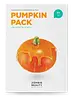
This wash off mask is made with Cucurbita Pepo Fruit Extract and Propolis Extract for a rinse-off calming boost.

What's inside
What's inside
 Key Ingredients
Benefits
Concerns
Ingredients Side-by-side
Water
Skin ConditioningButylene Glycol
Humectant

Cetyl Ethylhexanoate
EmollientPentaerythrityl Tetraethylhexanoate
Emollient
Vaccinium Angustifolium Fruit Extract
Skin Protecting
Polyglyceryl-3 Methylglucose Distearate
Emulsifying

Glyceryl Stearate Se
Emulsifying


Glycerin
Humectant
Diisostearyl Malate
EmollientButyrospermum Parkii Butter
Skin Conditioning
Cetyl Alcohol
Emollient

Trehalose
Humectant
Glyceryl Caprylate
EmollientBetaine
Humectant
Coco-Caprylate/Caprate
Emollient
Stearyl Alcohol
Emollient
Tromethamine
BufferingCoptis Japonica Root Extract
Skin ConditioningCarbomer
Emulsion Stabilising1,2-Hexanediol
Skin Conditioning
Myristyl Alcohol
Emollient
Xanthan Gum
EmulsifyingAcrylates/C10-30 Alkyl Acrylate Crosspolymer
Emulsion StabilisingLauryl Alcohol
Emollient
Hydrogenated Olive Oil Unsaponifiables
Emollient
Disodium EDTA
ChelatingHyaluronic Acid
Humectant
Sodium Hyaluronate
Humectant
Panthenol
Skin Conditioning
Theobroma Cacao Extract
Skin ConditioningVitis Vinifera Seed Oil
Emollient
Prunus Armeniaca Kernel Oil
Masking
Ribes Nigrum Leaf Extract
Perfuming
Honey Extract
Humectant
Solanum Lycopersicum Seed Oil
Emollient
Punica Granatum Seed Oil
Emollient
Mangifera Indica Seed Oil
Emollient
Citrus Paradisi Seed Oil
Perfuming
Citric Acid
Buffering

Tocopherol
Antioxidant


Chlorphenesin
Antimicrobial
Water, Butylene Glycol, Cetyl Ethylhexanoate, Pentaerythrityl Tetraethylhexanoate, Vaccinium Angustifolium Fruit Extract, Polyglyceryl-3 Methylglucose Distearate, Glyceryl Stearate Se, Glycerin, Diisostearyl Malate, Butyrospermum Parkii Butter, Cetyl Alcohol, Trehalose, Glyceryl Caprylate, Betaine, Coco-Caprylate/Caprate, Stearyl Alcohol, Tromethamine, Coptis Japonica Root Extract, Carbomer, 1,2-Hexanediol, Myristyl Alcohol, Xanthan Gum, Acrylates/C10-30 Alkyl Acrylate Crosspolymer, Lauryl Alcohol, Hydrogenated Olive Oil Unsaponifiables, Disodium EDTA, Hyaluronic Acid, Sodium Hyaluronate, Panthenol, Theobroma Cacao Extract, Vitis Vinifera Seed Oil, Prunus Armeniaca Kernel Oil, Ribes Nigrum Leaf Extract, Honey Extract, Solanum Lycopersicum Seed Oil, Punica Granatum Seed Oil, Mangifera Indica Seed Oil, Citrus Paradisi Seed Oil, Citric Acid, Tocopherol, Chlorphenesin
Cucurbita Pepo Fruit Extract 61%
Skin Conditioning
Water
Skin ConditioningDiethoxyethyl Succinate
SolventButylene Glycol
Humectant
Glycerin
Humectant
1,2-Hexanediol
Skin Conditioning
Betaine
Humectant
Trehalose
Humectant
Arginine
Masking
Polyglyceryl-10 Laurate
Skin Conditioning
Polyglyceryl-10 Myristate
Skin Conditioning
Coptis Chinensis Root Extract
Antioxidant
Carbomer
Emulsion StabilisingAcrylates/C10-30 Alkyl Acrylate Crosspolymer
Emulsion StabilisingAmmonium Acryloyldimethyltaurate/Vp Copolymer
Ethylhexylglycerin
Skin ConditioningTocopheryl Acetate
Antioxidant
Sodium Polyacrylate
Absorbent
Xanthan Gum
EmulsifyingParfum
Masking

Honey Extract
Humectant
Glyceryl Acrylate/Acrylic Acid Copolymer
HumectantAdenosine
Skin Conditioning
Coco-Glucoside
Cleansing
Honey
Humectant
Royal Jelly Extract
Skin Conditioning
Disodium EDTA
ChelatingCaramel
Cosmetic ColorantPropolis Extract
Skin Conditioning

Sodium Hyaluronate
Humectant
Centella Asiatica Extract
Cleansing
Rosa Damascena Flower Water
Masking
Caprylic/Capric Triglyceride
Masking
Olea Europaea Fruit Oil
Masking
Hydrogenated Lecithin
Emulsifying
Squalane
Emollient
Butyrospermum Parkii Butter
Skin Conditioning
Cholesterol
Emollient
Ceramide NP
Skin Conditioning
Acetylphytosphingosine
Skin ConditioningPhytosphingosine
Skin Conditioning
Cucurbita Pepo Fruit Extract 61%, Water, Diethoxyethyl Succinate, Butylene Glycol, Glycerin, 1,2-Hexanediol, Betaine, Trehalose, Arginine, Polyglyceryl-10 Laurate, Polyglyceryl-10 Myristate, Coptis Chinensis Root Extract, Carbomer, Acrylates/C10-30 Alkyl Acrylate Crosspolymer, Ammonium Acryloyldimethyltaurate/Vp Copolymer, Ethylhexylglycerin, Tocopheryl Acetate, Sodium Polyacrylate, Xanthan Gum, Parfum, Honey Extract, Glyceryl Acrylate/Acrylic Acid Copolymer, Adenosine, Coco-Glucoside, Honey, Royal Jelly Extract, Disodium EDTA, Caramel, Propolis Extract, Sodium Hyaluronate, Centella Asiatica Extract, Rosa Damascena Flower Water, Caprylic/Capric Triglyceride, Olea Europaea Fruit Oil, Hydrogenated Lecithin, Squalane, Butyrospermum Parkii Butter, Cholesterol, Ceramide NP, Acetylphytosphingosine, Phytosphingosine
Reviews
Ingredients Explained
These ingredients are found in both products.
Ingredients higher up in an ingredient list are typically present in a larger amount.
1,2-Hexanediol is a synthetic liquid and another multi-functional powerhouse.
It is a:
- Humectant, drawing moisture into the skin
- Emollient, helping to soften skin
- Solvent, dispersing and stabilizing formulas
- Preservative booster, enhancing the antimicrobial activity of other preservatives
Acrylates/C10-30 Alkyl Acrylate Crosspolymer is a synthetic polymer. It is used to thicken, emulsify, and improve the texture of products.
As an emulsifier, it helps stabilize oil-in-water emulsions to give products an elegant feel when applied.
It can also form a thin protective film on skin. One study found that a formula using this polymer helped slow down how quickly other ingredients (like DEET) were absorbed through skin.
A 2024 study of over 1,300 patients confirmed that sensitization to this ingredient is rare. It is also non-mutagenic and has a clean track record.
Learn more about Acrylates/C10-30 Alkyl Acrylate CrosspolymerBetaine is a humectant. Like hyaluronic acid, it helps attract and retain moisture in the skin. It’s known for being gentle and for helping the skin maintain balanced hydration.
Betaine is mainly used to improve hydration and support calmer skin. It helps skin cells regulate water balance because it functions as an osmolyte.
Some studies suggest betaine may support making skin tone more even.
Fun fact: Betaine naturally exists in the skin and the body. In cosmetic products, it can be either plant-derived (most commonly from sugar beets) or synthetically produced for consistency and stability.
Betaine is also known as trimethylglycine.
Learn more about BetaineButylene Glycol (or BG) is used within cosmetic products for a few different reasons:
Overall, Butylene Glycol is a safe and well-rounded ingredient that works well with other ingredients.
Though this ingredient works well with most skin types, some people with sensitive skin may experience a reaction such as allergic rashes, closed comedones, or itchiness.
Learn more about Butylene GlycolThis ingredient is also known as shea butter. It is a plant-derived extract from the nuts of the Africa shea tree and one of the most well-studied emollients.
Because it has a high concentration of fatty acids (primarily oleic, stearic, and linoleic) it is able to form a protective barrier on the skin's surface. This helps seal in moisture and prevents transepidermal water loss (TEWL).
In vitro research found an increase in skin hydration by 58% and a decrease in TEWL by 37.8% after 24 hours of applying this ingredient (pretty impressive for a single ingredient!).
Besides hydration, shea butter also contains triterpenes that have anti-inflammatory potential. In particule, lupeol cinnamate has shown the highest anti-inflammatory activity in vivo.
Shea butter also contains vitamins A and E which may contribute to antioxidant activity.
While Shea Butter has an SPF rating of about 3-4, it is not a sunscreen replacement.
This ingredient may not be fungal acne safe because its fatty acids fall within the C11-C24 range that the Malassezia yeast can metabolize.
This ingredient shows up on a lot of "pore-clogging" lists but there's no real evidence behind that. It doesn't even have a comedogenic rating from an actual study; the numbers you'll find online come from blogs citing other blogs.
Ratings for other ingredients mostly come from a 1980s rabbit ear test. This test doesn't translate well to human skin or to real products because the ingredient sits at a much lower percentage.
Some people still find it breaks them out. So if that's you, definitely trust your skin. Just know this one's based on experience and not evidence.
Learn more about Butyrospermum Parkii ButterCarbomer is a synthetic thickening and gelling agent. It's basically the ingredient that gives a lot of serums, gels, creams, and sunscreens their smooth, non-sticky texture.
Although legally permitted at very high levels, carbomers are normally used at concentrations below 1%.
It also needs to be neutralized to actually thicken, and because it is a large molecule, it doesn't really penetrate the skin barrier.
Allergy-wise, the risk is very low. Clinical studies show carbomers have low potential for skin irritation/sensitization even at concentrations up to 100%.
A 2024 UK study patch-tested 1,302 patients and found true allergy to the parent group of carbomer to be rare with no confirmed relevant reactions.
Learn more about CarbomerDisodium EDTA is a chelating agent. It grabs onto and deactivates metal ions that sneak into your products from water, packaging, or air.
This ingredient mainly works behind the scenes and helps with:
On top of that, this ingredient can counteract the effects of hard water by binding to the minerals in it.
One thing worth knowing is that Disodium EDTA has been shown to be a mild penetration enhancer. It can help other ingredients absorb into skin more effectively which can be a double-edged sword (great for actives, but can also make the active too strong if you have sensitive skin).
Clinical patch testing showed no significant skin irritation at typical use concentrations and minimal dermal absorption.
You'll most likely see this ingredient near the end of an ingredient list. It's typically found in concentrations less than 1%.
Learn more about Disodium EDTAGlycerin (or glycerol) is a compound naturally found in your skin. It's a powerhouse humectant that pulls water into the stratum corneum.
Topically, glycerin does several things at once:
Your skin makes glycerin on its own (mostly from sebaceous oil breakdown) and shuttles it to your outermost layer of skin, or your epidermis, via aquaporin-3.
Aquaporin-3 is a transporter that is essential for normal skin hydration, elasticity, and repair. Interestingly, mice lacking in AQP3 have dry and less elastic skin that can be fully corrected with glycerin.
This ingredient is non-irritating, plays well with almost every ingredient, and works across all skin types. Typical use is anywhere between 3-10% but can go up to 79% in some leave-on products.
Just know very high concentrations (>40%) can feel tacky in low humidity.
Glycerin is the name for this ingredient in American English. British English uses Glycerol/Glycerine.
Learn more about GlycerinThis ingredient comes from honey made by bees. It is hydrating, antibacterial, anti-aging, and skin soothing.
Honey also contains amino acids, peptides, Vitamins A, C, and E.
The humectant property of honey draws moisture from the air to your skin. This makes it great at helping to hydrate the skin.
Honey may help reduce the signs of aging due to its antioxidant properties. Fun fact: darker honey has more antioxidants than light honey. The antibacterial property of honey may make it effective at helping to treat acne by killing acne-causing bacteria.
Many people wonder if honey extract is vegan. It is technically a byproduct from bees. This is because honey is created from the digestive enzymes in a bee's stomach.
Remember to be kind to bees :) They are important for many ecosystems and are endangered.
Learn more about Honey ExtractSodium Hyaluronate is the salt form of hyaluronic acid. It is a long sugar chain that is naturally found in your skin, joints, and connective tissue that maintains hydration and elasticity.
In skincare, it works as a humectant. It pulls water from the environment and deeper layers of skin and binds it to the surface.
Interestingly, the size of the molecule affects its behavior:
Some clinical evidence links low molecular weight versions to improved wrinkle depth, elasticity, anti-inflammatory effects, and barrier repair.
Many serums use a blend of both weights so you can get surface hydration plus longer-lasting and deeper effects.
You'll typically see concentrations between 0.1-2% for this ingredient.
Learn more about Sodium HyaluronateTrehalose is a disaccharide made of two glucose molecules (glucose is sugar!). Trehalose is used to help moisturize skin. It also has antioxidant properties.
As a humectant, trehalose helps draw moisture from the air to your skin. This helps keep your skin hydrated.
Due to its antioxidant properties, trehalose may help with signs of aging. Antioxidants help fight free-radical molecules, unstable molecules that may damage your skin.
In medicine, trehalose and hyaluronic acid are used to help treat dry eyes.
Some animals, plants, and bacteria create trehalose as a source of energy to survive freeze or lack of water.
Learn more about TrehaloseWater. It's the most common cosmetic ingredient of all. You'll usually see it at the top of ingredient lists, meaning that it makes up the largest part of the product.
So why is it so popular? Water most often acts as a solvent - this means that it helps dissolve other ingredients into the formulation.
You'll also recognize water as that liquid we all need to stay alive. If you see this, drink a glass of water. Remember to stay hydrated!
Learn more about WaterXanthan gum is used as a stabilizer and thickener within cosmetic products. It helps give products a sticky, thick feeling - preventing them from being too runny.
On the technical side of things, xanthan gum is a polysaccharide - a combination consisting of multiple sugar molecules bonded together.
Xanthan gum is a pretty common and great ingredient. It is a natural, non-toxic, non-irritating ingredient that is also commonly used in food products.
Learn more about Xanthan Gum


