

What's inside
What's inside
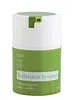 Key Ingredients
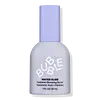
Benefits
Concerns
No concerns
Ingredients Side-by-side
Water
Skin ConditioningAloe Barbadensis Leaf Juice
Skin Conditioning


Niacinamide
Smoothing








Glycerin
Humectant
Pentylene Glycol
Skin ConditioningPropanediol
Solvent
Panthenol
Skin Conditioning
Davidsonia Jerseyana Fruit Extract
Antioxidant
Terminalia Ferdinandiana Fruit Extract
Antioxidant
Hydrolyzed Sodium Hyaluronate
Skin Conditioning
Hydrolyzed Hyaluronic Acid
Humectant
Sodium Hyaluronate
Humectant
Allantoin
Skin Conditioning
Glycyrrhiza Glabra Root Extract
Bleaching
Cucumis Sativus Fruit Extract
Emollient
Trehalose
Humectant
Xanthan Gum
EmulsifyingCaprylhydroxamic Acid
Glyceryl Caprylate
EmollientSodium Benzoate
Masking
Potassium Sorbate
Preservative
Citric Acid
Buffering


Water, Aloe Barbadensis Leaf Juice, Niacinamide, Glycerin, Pentylene Glycol, Propanediol, Panthenol, Davidsonia Jerseyana Fruit Extract, Terminalia Ferdinandiana Fruit Extract, Hydrolyzed Sodium Hyaluronate, Hydrolyzed Hyaluronic Acid, Sodium Hyaluronate, Allantoin, Glycyrrhiza Glabra Root Extract, Cucumis Sativus Fruit Extract, Trehalose, Xanthan Gum, Caprylhydroxamic Acid, Glyceryl Caprylate, Sodium Benzoate, Potassium Sorbate, Citric Acid
Water
Skin ConditioningPropanediol
Solvent
Glycerin
Humectant
Squalane
Emollient
Niacinamide
Smoothing
Saccharide Isomerate
Humectant
Capryloyl Glycerin/Sebacic Acid Copolymer
Skin ConditioningDiheptyl Succinate
EmollientTremella Fuciformis Extract
Humectant
Sodium Hyaluronate
Humectant
Sodium Hyaluronate Crosspolymer
Humectant
Palmitoyl Tripeptide-1
Skin Conditioning

Palmitoyl Tetrapeptide-7
Skin Conditioning
Aloe Barbadensis Leaf Juice
Skin Conditioning
Glyceryl Acrylate/Acrylic Acid Copolymer
HumectantOpuntia Ficus-Indica Seed Oil
Emollient
Tocopheryl Acetate
Antioxidant
Lauryl Glucoside
CleansingXanthan Gum
EmulsifyingSodium Lactate
BufferingPhytic Acid
Cetearyl Olivate
Sorbitan Olivate
Emulsifying
Cetyl Alcohol
Emollient
Sucrose
Humectant
Anastatica Hierochuntica Extract
AstringentAcrylates/C10-30 Alkyl Acrylate Crosspolymer
Emulsion StabilisingEuphorbia Cerifera Wax
Butyrospermum Parkii Butter
Skin Conditioning

Beta-Sitosterol
Emulsion Stabilising
Glyceryl Behenate
Emollient
Polyglyceryl-4 Isostearate
Emulsifying
Oleic Acid
Emollient
Ceramide NP
Skin Conditioning
Ceramide Ng
Skin Conditioning
Lecithin
Emollient
Tocopherol
Antioxidant
Potassium Hydroxide
BufferingGluconolactone
Skin Conditioning
Phenoxyethanol
Preservative
Sodium Benzoate
Masking
Lactic Acid
Buffering
Citric Acid
Buffering
Sodium Citrate
BufferingEthylhexylglycerin
Skin ConditioningWater, Propanediol, Glycerin, Squalane, Niacinamide, Saccharide Isomerate, Capryloyl Glycerin/Sebacic Acid Copolymer, Diheptyl Succinate, Tremella Fuciformis Extract, Sodium Hyaluronate, Sodium Hyaluronate Crosspolymer, Palmitoyl Tripeptide-1, Palmitoyl Tetrapeptide-7, Aloe Barbadensis Leaf Juice, Glyceryl Acrylate/Acrylic Acid Copolymer, Opuntia Ficus-Indica Seed Oil, Tocopheryl Acetate, Lauryl Glucoside, Xanthan Gum, Sodium Lactate, Phytic Acid, Cetearyl Olivate, Sorbitan Olivate, Cetyl Alcohol, Sucrose, Anastatica Hierochuntica Extract, Acrylates/C10-30 Alkyl Acrylate Crosspolymer, Euphorbia Cerifera Wax, Butyrospermum Parkii Butter, Beta-Sitosterol, Glyceryl Behenate, Polyglyceryl-4 Isostearate, Oleic Acid, Ceramide NP, Ceramide Ng, Lecithin, Tocopherol, Potassium Hydroxide, Gluconolactone, Phenoxyethanol, Sodium Benzoate, Lactic Acid, Citric Acid, Sodium Citrate, Ethylhexylglycerin
Reviews
Ingredients Explained
These ingredients are found in both products.
Ingredients higher up in an ingredient list are typically present in a larger amount.
Aloe Barbadensis Leaf Juice comes from leaves of the aloe plant. Aloe Barbadensis Leaf Juice is best known for helping to soothe sunburns. It is also anti-inflammatory, moisturizing, antiseptic, and can help heal wounds.
Aloe is packed with good stuff including Vitamins A, C, and E. These vitamins are antioxidants, which help fight free-radicals and the damage they may cause. Free-radicals are molecules that may damage your skin cells, such as pollution.
Aloe Barbadensis Leaf Juice also contains sugars. These sugars come in the form of monosaccharides and polysaccharides, folic acid, and choline. These sugars are able to help bind moisture to skin.
It also contains minerals such as calcium, 12 anthraquinones, fatty acids, amino acids, and Vitamin B12.
Learn more about Aloe Barbadensis Leaf JuiceCitric Acid is an alpha hydroxy acid (AHA) naturally found in citrus fruits like oranges, lemons, and limes.
Like other AHAs, citric acid can exfoliate skin by breaking down the bonds that hold dead skin cells together. This helps reveal smoother and brighter skin underneath.
However, this exfoliating effect only happens at high concentrations (20%) which can be hard to find in cosmetic products.
Due to this, citric acid is usually included in small amounts as a pH adjuster. This helps keep products slightly more acidic and compatible with skin's natural pH.
In skincare formulas, citric acid can:
While it can provide some skin benefits, research shows lactic acid and glycolic acid are generally more effective and less irritating exfoliants.
Most citric acid used in skincare today is made by fermenting sugars (usually from molasses). This synthetic version is identical to the natural citrus form but easier to stabilize and use in formulations.
Read more about some other popular AHA's here:
Learn more about Citric AcidGlycerin is already naturally found in your skin. It helps moisturize and protect your skin.
A study from 2016 found glycerin to be more effective as a humectant than AHAs and hyaluronic acid.
As a humectant, it helps the skin stay hydrated by pulling moisture to your skin. The low molecular weight of glycerin allows it to pull moisture into the deeper layers of your skin.
Hydrated skin improves your skin barrier; Your skin barrier helps protect against irritants and bacteria.
Glycerin has also been found to have antimicrobial and antiviral properties. Due to these properties, glycerin is often used in wound and burn treatments.
In cosmetics, glycerin is usually derived from plants such as soybean or palm. However, it can also be sourced from animals, such as tallow or animal fat.
This ingredient is organic, colorless, odorless, and non-toxic.
Glycerin is the name for this ingredient in American English. British English uses Glycerol/Glycerine.
Learn more about GlycerinNiacinamide is a multitasking form of vitamin B3 that strengthens the skin barrier, reduces pores and dark spots, regulates oil, and improves signs of aging.
And the best part? It's gentle and well-tolerated by most skin types, including sensitive and reactive skin.
You might have heard of "niacin flush", or the reddening of skin that causes itchiness. Niacinamide has not been found to cause this.
In very rare cases, some individuals may not be able to tolerate niacinamide at all or experience an allergic reaction to it.
If you are experiencing flaking, irritation, and dryness with this ingredient, be sure to double check all your products as this ingredient can be found in all categories of skincare.
When incorporating niacinamide into your routine, look out for concentration amounts. Typically, 5% niacinamide provides benefits such as fading dark spots. However, if you have sensitive skin, it is better to begin with a smaller concentration.
When you apply niacinamide to your skin, your body converts it into nicotinamide adenine dinucleotide (NAD). NAD is an essential coenzyme that is already found in your cells as "fuel" and powers countless biological processes.
In your skin, NAD helps repair cell damage, produce new healthy cells, support collagen production, strengthen the skin barrier, and fight environmental stressors (like UV and pollution).
Our natural NAD levels start to decline with age, leading to slower skin repair, visible aging, and a weaker skin barrier. By providing your skin niacinamide, you're recharging your skin's NAD levels. This leads to stronger, healthier, and younger looking skin.
Another name for vitamin B3 is nicotinamide. This vitamin is water-soluble and our bodies don't store it. We obtain Vitamin B3 from either food or skincare. Meat, fish, wheat, yeast, and leafy greens contain vitamin B3.
The type of niacinamide used in skincare is synthetically created.
Learn more about NiacinamidePropanediol is an all-star ingredient. It softens, hydrates, and smooths the skin.
It’s often used to:
Propanediol is not likely to cause sensitivity and considered safe to use. It is derived from corn or petroleum with a clear color and no scent.
Learn more about PropanediolSodium Benzoate is a preservative. It's used in both cosmetic and food products to inhibit the growth of mold and bacteria. It is typically produced synthetically.
Both the US FDA and EU Health Committee have approved the use of sodium benzoate. In the US, levels of 0.1% (of the total product) are allowed.
Sodium benzoate works as a preservative by inhibiting the growth of bacteria inside of cells. It prevents the cell from fermenting a type of sugar using an enzyme called phosphofructokinase.
It is the salt of benzoic acid. Foods containing sodium benzoate include soda, salad dressings, condiments, fruit juices, wines, and snack foods.
Studies for using ascorbic acid and sodium benzoate in cosmetics are lacking, especially in skincare routines with multiple steps.
We always recommend speaking with a professional, such as a dermatologist, if you have any concerns.
Learn more about Sodium BenzoateSodium Hyaluronate is hyaluronic acid's salt form. It is commonly derived from the sodium salt of hyaluronic acid.
Like hyaluronic acid, it is great at holding water and acts as a humectant. This makes it a great skin hydrating ingredient.
Sodium Hyaluronate is naturally occurring in our bodies and is mostly found in eye fluid and joints.
These are some other common types of Hyaluronic Acid:
Learn more about Sodium HyaluronateWater. It's the most common cosmetic ingredient of all. You'll usually see it at the top of ingredient lists, meaning that it makes up the largest part of the product.
So why is it so popular? Water most often acts as a solvent - this means that it helps dissolve other ingredients into the formulation.
You'll also recognize water as that liquid we all need to stay alive. If you see this, drink a glass of water. Stay hydrated!
Learn more about WaterXanthan gum is used as a stabilizer and thickener within cosmetic products. It helps give products a sticky, thick feeling - preventing them from being too runny.
On the technical side of things, xanthan gum is a polysaccharide - a combination consisting of multiple sugar molecules bonded together.
Xanthan gum is a pretty common and great ingredient. It is a natural, non-toxic, non-irritating ingredient that is also commonly used in food products.
Learn more about Xanthan Gum
