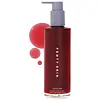
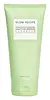
Fenty Beauty Cherry Dub Pore Purify’R Gel Cleanser Versus Glow Recipe Avocado Ceramide Moisture Barrier Cleanser
This mild gel cleanser is mild enough to cleanse without leaving skin feeling tight or stripped.
This mild gel cleanser is made to cleanse while respecting your skin barrier.

What's inside
What's inside
 Key Ingredients
Benefits
Concerns
Ingredients Side-by-side
Aloe Barbadensis Leaf Juice
Skin Conditioning


Water
Skin ConditioningSodium Methyl Cocoyl Taurate
Cleansing
Malpighia Glabra Fruit Juice
Skin ConditioningSodium Cocoyl Isethionate
Cleansing
Lauryl Hydroxysultaine
CleansingSodium Chloride
MaskingGlycerin
Humectant

Niacinamide
Smoothing







Coco-Glucoside
Cleansing
Malpighia Glabra Fruit Extract
Skin ConditioningPanthenol
Skin Conditioning
Tocopherol
Antioxidant

Lactobacillus
Skin ConditioningCaprylyl Glycol
Emollient
Butylene Glycol
Humectant
Caesalpinia Spinosa Gum
Skin ConditioningPolyacrylate Crosspolymer-6
Emulsion StabilisingGardenia Florida Fruit Extract
Skin ConditioningCoptis Japonica Extract
AntimicrobialLeuconostoc/Radish Root Ferment Filtrate
Antimicrobial

Dextrin
AbsorbentEthylhexylglycerin
Skin ConditioningSodium Phytate
ChelatingAcrylates/C10-30 Alkyl Acrylate Crosspolymer
Emulsion StabilisingArginine
Masking
Citric Acid
Buffering
Parfum
Masking



Guar Hydroxypropyltrimonium Chloride
Skin ConditioningDipropylene Glycol
HumectantAloe Barbadensis Leaf Juice, Water, Sodium Methyl Cocoyl Taurate, Malpighia Glabra Fruit Juice, Sodium Cocoyl Isethionate, Lauryl Hydroxysultaine, Sodium Chloride, Glycerin, Niacinamide, Coco-Glucoside, Malpighia Glabra Fruit Extract, Panthenol, Tocopherol, Lactobacillus, Caprylyl Glycol, Butylene Glycol, Caesalpinia Spinosa Gum, Polyacrylate Crosspolymer-6, Gardenia Florida Fruit Extract, Coptis Japonica Extract, Leuconostoc/Radish Root Ferment Filtrate, Dextrin, Ethylhexylglycerin, Sodium Phytate, Acrylates/C10-30 Alkyl Acrylate Crosspolymer, Arginine, Citric Acid, Parfum, Guar Hydroxypropyltrimonium Chloride, Dipropylene Glycol
Water
Skin ConditioningGlycerin
Humectant
Sodium Cocoyl Alaninate
Surfactant
Sodium Methyl Cocoyl Taurate
Cleansing
Acrylates/C10-30 Alkyl Acrylate Crosspolymer
Emulsion StabilisingInulin
Skin Conditioning
Butylene Glycol
Humectant
Ceramide NP
Skin Conditioning
Colloidal Oatmeal
Absorbent
Caprylyl Glycol
Emollient
Lauryl Hydroxysultaine
CleansingCoco-Glucoside
Cleansing
Sodium Hyaluronate
Humectant
Persea Gratissima Oil
Skin Conditioning

Persea Gratissima Fruit Extract
EmollientSaccharide Isomerate
Humectant
Micrococcus Lysate
Skin ConditioningGlyceryl Caprylate
EmollientPolyglyceryl-10 Laurate
Skin Conditioning
Styrene/Acrylates Copolymer
Sodium Cocoyl Isethionate
Cleansing
1,2-Hexanediol
Skin Conditioning
Epidermidibacterium Keratini Ferment Filtrate
EmollientQuillaja Saponaria Bark Extract
CleansingSodium Phytate
ChelatingLecithin
Emollient
Dipotassium Glycyrrhizate
Humectant
Citric Acid
Buffering
Moringa Oleifera Seed Oil
Emollient
Sodium Citrate
BufferingButyl Avocadate
Skin Conditioning
Arginine
Masking
Phytosphingosine
Skin Conditioning
Hydrogenated Lecithin
Emulsifying
Hydroxypropyltrimonium Hyaluronate
Mannose
HumectantHydrolyzed Hyaluronic Acid
Humectant
Sodium Acetylated Hyaluronate
Humectant
Maltodextrin
Absorbent
Tocopherol
Antioxidant
Hyaluronic Acid
Humectant
Hydrolyzed Sodium Hyaluronate
Skin Conditioning
Sodium Hyaluronate Crosspolymer
Humectant
Potassium Hyaluronate
Skin ConditioningXanthan Gum
EmulsifyingAloe Ferox Leaf Extract
Skin ConditioningHexylene Glycol
EmulsifyingTriacetin
AntimicrobialGardenia Florida Fruit Extract
Skin ConditioningDextrin
AbsorbentParfum
Masking
Water, Glycerin, Sodium Cocoyl Alaninate, Sodium Methyl Cocoyl Taurate, Acrylates/C10-30 Alkyl Acrylate Crosspolymer, Inulin, Butylene Glycol, Ceramide NP, Colloidal Oatmeal, Caprylyl Glycol, Lauryl Hydroxysultaine, Coco-Glucoside, Sodium Hyaluronate, Persea Gratissima Oil, Persea Gratissima Fruit Extract, Saccharide Isomerate, Micrococcus Lysate, Glyceryl Caprylate, Polyglyceryl-10 Laurate, Styrene/Acrylates Copolymer, Sodium Cocoyl Isethionate, 1,2-Hexanediol, Epidermidibacterium Keratini Ferment Filtrate, Quillaja Saponaria Bark Extract, Sodium Phytate, Lecithin, Dipotassium Glycyrrhizate, Citric Acid, Moringa Oleifera Seed Oil, Sodium Citrate, Butyl Avocadate, Arginine, Phytosphingosine, Hydrogenated Lecithin, Hydroxypropyltrimonium Hyaluronate, Mannose, Hydrolyzed Hyaluronic Acid, Sodium Acetylated Hyaluronate, Maltodextrin, Tocopherol, Hyaluronic Acid, Hydrolyzed Sodium Hyaluronate, Sodium Hyaluronate Crosspolymer, Potassium Hyaluronate, Xanthan Gum, Aloe Ferox Leaf Extract, Hexylene Glycol, Triacetin, Gardenia Florida Fruit Extract, Dextrin, Parfum
Reviews
Ingredients Explained
These ingredients are found in both products.
Ingredients higher up in an ingredient list are typically present in a larger amount.
Acrylates/C10-30 Alkyl Acrylate Crosspolymer is a synthetic polymer. It is used to thicken, emulsify, and improve the texture of products.
As an emulsifier, it helps stabilize oil-in-water emulsions to give products an elegant feel when applied.
It can also form a thin protective film on skin. One study found that a formula using this polymer helped slow down how quickly other ingredients (like DEET) were absorbed through skin.
A 2024 study of over 1,300 patients confirmed that sensitization to this ingredient is rare. It is also non-mutagenic and has a clean track record.
Learn more about Acrylates/C10-30 Alkyl Acrylate CrosspolymerArginine is a semi-essential amino acid. This just means our bodies can product a bit on its own, but sometimes needs a little boost from food sources.
It is a part of your skin's natural moisturizing factor (NMF), or the water-loving molecules in your outermost layer of skin (stratum corneum) that keeps everything hydrated and happy.
Here's an interesting thing about Arginine: your skin converts it into urea through the Krebs-Henseleit urea cycle. Urea is one of the most effective humectants your skin naturally produces.
A clinical study showed applying 2.5% arginine hydrochloride to atopic dermatitis skin showed significant urea levels in the stratum corneum and improved moisture in just four weeks.
Arginine is also a precursor to nitric oxide; nitric oxide improves microcirculation and supports wound healing and collagen synthesis.
One study found that an amino acid complex containing Arginine reduced skin irritation, improved hydration, and accelerated skin repair in clinical / in-vivo studies.
Arginine itself is an amino acid and not a fatty acid, oil, or ester. On its own, it's not a direct food source for Malassezia, or the yeast that causes fungal acne.
Learn more about ArginineButylene Glycol (or BG) is used within cosmetic products for a few different reasons:
Overall, Butylene Glycol is a safe and well-rounded ingredient that works well with other ingredients.
Though this ingredient works well with most skin types, some people with sensitive skin may experience a reaction such as allergic rashes, closed comedones, or itchiness.
Learn more about Butylene GlycolCaprylyl Glycol is a humectant, skin conditioner, emollient, and preservative booster derived from either caprylic acid or synthetically created.
Typical use levels vary from 0.3-1% as a preservative booster and go up to 2% to condition skin.
Because it is not a free-fatty acid, this ingredient is fungal acne safe (there's nothing for Malassezia to feed on).
Learn more about Caprylyl GlycolCitric Acid is an alpha hydroxy acid (AHA) naturally found in citrus fruits like oranges, lemons, and limes.
Like other AHAs, citric acid can exfoliate skin by breaking down the bonds that hold dead skin cells together. This helps reveal smoother and brighter skin underneath.
However, this exfoliating effect only happens at high concentrations (20%) which can be hard to find in cosmetic products.
Due to this, citric acid is usually included in small amounts as a pH adjuster. This helps keep products slightly more acidic and compatible with skin's natural pH.
In skincare formulas, citric acid can:
While it can provide some skin benefits, research shows lactic acid and glycolic acid are generally more effective and less irritating exfoliants.
Most citric acid used in skincare today is made by fermenting sugars (usually from molasses). This synthetic version is identical to the natural citrus form but easier to stabilize and use in formulations.
Rosacea skin has a lower threshold for acids generally, with 62.5% of rosacea subjects in one study reacting to lactic acid in a sting test. This is why we mark citric acid as a potential rosacea trigger.
However, this ingredient shows up as a pH adjuster or chelator at roughly 0.1-1% in many products. These low levels are unlikely to be an issue for rosacea skin and becomes a potential trigger at exfoliating concentrations (20%). Because everybody's skin is unique, we recommend a patch test if you are unsure.
Learn more about Citric AcidCoco-Glucoside is a surfactant, or a cleansing ingredient. It is made from glucose and coconut oil.
Surfactants help gather dirt, oil, and other pollutants from your skin to be rinsed away.
This ingredient is considered gentle and non-comedogenic. However, it may still be irritating for some.
Learn more about Coco-GlucosideDextrin is a starch-derived polysaccharide. It's made by partially breaking down corn, potato, or other plant starches.
Think of it as "half-processed" starch; it's less complex than the original but not fully broken down into sugar like maltodextrin.
In cosmetics, it mainly functions as a bulking agent, viscosity controller, binder, and absorbent. It helps thicken products, stabilize powders, and get certain textures a less "wet" feel.
This ingredient has a pretty solid safety profile; it's recognized as a safe food additive and its large molecular size means it doesn't meaningfully penetrate skin.
Human repeat insult patch tests using a rinse-off facial product containing 42.69% dextrin found no skin irritation or sensitization in 54 subjects.
Typical real-world usage is much lower: usually under 1% as a texture modifier and up to 40% in masks (rinse off products use less).
Learn more about DextrinThis ingredient comes from the evergreen flowering plant, gardenia. It has skin conditioning properties.
Glycerin (or glycerol) is a compound naturally found in your skin. It's a powerhouse humectant that pulls water into the stratum corneum.
Topically, glycerin does several things at once:
Your skin makes glycerin on its own (mostly from sebaceous oil breakdown) and shuttles it to your outermost layer of skin, or your epidermis, via aquaporin-3.
Aquaporin-3 is a transporter that is essential for normal skin hydration, elasticity, and repair. Interestingly, mice lacking in AQP3 have dry and less elastic skin that can be fully corrected with glycerin.
This ingredient is non-irritating, plays well with almost every ingredient, and works across all skin types. Typical use is anywhere between 3-10% but can go up to 79% in some leave-on products.
Just know very high concentrations (>40%) can feel tacky in low humidity.
Glycerin is the name for this ingredient in American English. British English uses Glycerol/Glycerine.
Learn more about GlycerinLauryl Hydroxysultaine is a mild surfactant or cleansing ingredient that helps lift away dirt/oil, boost foam, and thicken the formula. It plays nicely with other surfactants and stays stable across a wide pH range.
Parfum is a catch-all term for an ingredient or more that is used to give a scent to products.
Also called "fragrance", this ingredient can be a blend of hundreds of chemicals or plant oils. This means every product with "fragrance" or "parfum" in the ingredients list is a different mixture.
For instance, Habanolide is a proprietary trade name for a specific aroma chemical. When used as a fragrance ingredient in cosmetics, most aroma chemicals fall under the broad labeling category of “FRAGRANCE” or “PARFUM” according to EU and US regulations.
The term 'parfum' or 'fragrance' is not regulated in many countries. In many cases, it is up to the brand to define this term.
For instance, many brands choose to label themselves as "fragrance-free" because they are not using synthetic fragrances. However, their products may still contain ingredients such as essential oils that are considered a fragrance by INCI standards.
One example is Calendula flower extract. Calendula is an essential oil that still imparts a scent or 'fragrance'.
Depending on the blend, the ingredients in the mixture can cause allergies and sensitivities on the skin. Some ingredients that are known EU allergens include linalool and citronellol.
Parfum can also be used to mask or cover an unpleasant scent.
The bottom line is: not all fragrances/parfum/ingredients are created equally. If you are worried about fragrances, we recommend taking a closer look at an ingredient. And of course, we always recommend speaking with a professional.
Learn more about ParfumSodium cocoyl isethionate is a natural ingredient from coconut oil. It is an ultra gentle cleanser that gives a nice foam without drying the skin or impacting the skin barrier.
The amount of foam created depends on the amount of sodium cocoyl isethionate used in the product.
This ingredient also helps improve the spreadability of a product.
This ingredient hasn’t been shown in studies to feed fungal acne yeast.
Learn more about Sodium Cocoyl IsethionateSodium Methyl Cocoyl Taurate is a gentle, coconut-derived cleansing surfactant. It's most commonly found in "sulfate-free" cleansers.
As a taurate, it belongs to a class of anionic surfactants prized for being efficient at cleansing without harshness, good performance in hard water, stability across a wide pH range, and easily biodegradable.
It is able to lift away oil and grime and make a nice lather without stripping your skin, so it's a good pick for sensitive skin.
Safety-wise, it has a good record. The CIR Expert Panel has concluded this ingredient to be safe in cosmetics and concentrations go up to 11% in leave-on products or 13% in rinse-off products.
Despite being derived from coconut oil, this ingredient is fungal acne safe. It's a water-soluble surfactant with no fatty oils or esters left intact on skin for the Malassezia yeast to feed.
Learn more about Sodium Methyl Cocoyl TaurateSodium Phytate is the sodium salt of Phytic acid, a compound that plants store phosphorus in. It's the plant-derived alternative to ingredients like Disodium EDTA.
In skincare, this ingredient is a chelator that grabs onto trace metal ions like iron and copper that sneak into formulas through water/raw materials.
Those metals speed up oxidation so binding them keeps oils, fragrance, and actives from going off, stops color changes, and helps the preservative system work harder.
Survey data shows usage levels range from 0.0099%-0.5% in leave-on products, 0.025%-0.3% in rinse-off, and up to 0.05% in eye-area products. Suppliers typically recommend a range between 0.05-0.5%.
Learn more about Sodium PhytateTocopherol is a fat-soluble antioxidant known as Vitamin E.
You'll find this ingredient in the vast majority of skincare (for good reason). It works to neutralize free radicals, or unstable molecules generated by UV exposure, pollution, and other environmental stressors, before they can cause oxidative damage to your skin cells.
Topically applied tocopherol has been shown to protect against UV damage by ramping up the skin's own natural defense enzymes.
It also acts as a skin conditioning agent; some studies show that regular topical use can improve the skin's water-binding capacity over 2-4 weeks.
This ingredient is especially loved for being a team player. When combined with Vitamin C, the photoprotective effect of both ingredients roughly doubles and the combo also helps reduce UV-induced DNA damage.
This ingredient has some brightening potential but it's more of a prevention ingredient than spot-fader. Cell studies show it can slow down melanin production but it's worth noting that it's not the most powerful brightener out there.
In formulations, it also serves as a stabilizer that helps protect other oxidation-prone ingredients from degrading.
Concentrations usually range from 0.1-1% in most leave-on products.
Learn more about TocopherolWater. It's the most common cosmetic ingredient of all. You'll usually see it at the top of ingredient lists, meaning that it makes up the largest part of the product.
So why is it so popular? Water most often acts as a solvent - this means that it helps dissolve other ingredients into the formulation.
You'll also recognize water as that liquid we all need to stay alive. If you see this, drink a glass of water. Remember to stay hydrated!
Learn more about Water

