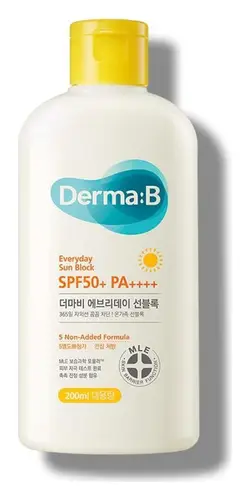
What's inside
What's inside
 Key Ingredients
Benefits
Concerns
Ingredients Side-by-side
Water
Skin ConditioningEthylhexyl Methoxycinnamate
UV Absorber


Homosalate
Skin Conditioning
Ethylhexyl Salicylate
UV Absorber
Butylene Glycol
Humectant

Butyl Methoxydibenzoylmethane
UV Absorber
Silica
Abrasive


Bis-Ethylhexyloxyphenol Methoxyphenyl Triazine
Skin Conditioning
Butyloctyl Salicylate
Skin Conditioning
Glycerin
Humectant
Potassium Cetyl Phosphate
EmulsifyingAmmonium Polyacryloyldimethyl Taurate
Emulsion StabilisingSorbitan Oleate
Emulsifying

Sodium Hyaluronate
Humectant


Sodium Hyaluronate Crosspolymer
Humectant
Hydrolyzed Hyaluronic Acid
Humectant
Hyaluronic Acid
Humectant
Hydrolyzed Sodium Hyaluronate
Skin Conditioning
Chondrus Crispus Extract
Skin Conditioning
Hydrolyzed Coral
Skin ConditioningMacrocystis Pyrifera Extract
Skin Conditioning
Sargassum Muticum Extract
Skin ProtectingDimethicone
Emollient
Sodium Acrylate/Sodium Acryloyldimethyl Taurate Copolymer
Emulsion StabilisingIsohexadecane
EmollientDimethicone/Vinyl Dimethicone Crosspolymer
Skin Conditioning
Polysorbate 80
Emulsifying
Disodium EDTA
Panthenol
Skin Conditioning
Dipotassium Glycyrrhizate
Humectant
Ethylhexylglycerin
Skin Conditioning1,2-Hexanediol
Skin Conditioning
Chlorphenesin
Antimicrobial
Parfum
Masking



Limonene
Perfuming
Linalool
Perfuming
Butylphenyl Methylpropional
Perfuming
Water, Ethylhexyl Methoxycinnamate, Homosalate, Ethylhexyl Salicylate, Butylene Glycol, Butyl Methoxydibenzoylmethane, Silica, Bis-Ethylhexyloxyphenol Methoxyphenyl Triazine, Butyloctyl Salicylate, Glycerin, Potassium Cetyl Phosphate, Ammonium Polyacryloyldimethyl Taurate, Sorbitan Oleate, Sodium Hyaluronate, Sodium Hyaluronate Crosspolymer, Hydrolyzed Hyaluronic Acid, Hyaluronic Acid, Hydrolyzed Sodium Hyaluronate, Chondrus Crispus Extract, Hydrolyzed Coral, Macrocystis Pyrifera Extract, Sargassum Muticum Extract, Dimethicone, Sodium Acrylate/Sodium Acryloyldimethyl Taurate Copolymer, Isohexadecane, Dimethicone/Vinyl Dimethicone Crosspolymer, Polysorbate 80, Disodium EDTA, Panthenol, Dipotassium Glycyrrhizate, Ethylhexylglycerin, 1,2-Hexanediol, Chlorphenesin, Parfum, Limonene, Linalool, Butylphenyl Methylpropional
Water
Skin ConditioningPropanediol
Solvent
Butyloctyl Salicylate
Skin Conditioning
Dibutyl Adipate
EmollientEthylhexyl Triazone
UV Absorber
Terephthalylidene Dicamphor Sulfonic Acid
UV Absorber
Niacinamide
Smoothing




Tromethamine
BufferingPolyglyceryl-3 Distearate
Emulsifying
Octyldodecanol
Emollient
Cetearyl Alcohol
Emollient

1,2-Hexanediol
Skin Conditioning
Pentylene Glycol
Skin Conditioning
Diethylamino Hydroxybenzoyl Hexyl Benzoate
UV Filter
Caprylyl Methicone
Skin Conditioning
Polysilicone-15
UV Filter
Aloe Ferox Leaf Extract
Skin ConditioningPolymethylsilsesquioxane
Glyceryl Stearate
Emollient
Bis-Ethylhexyloxyphenol Methoxyphenyl Triazine
Skin Conditioning
Potassium Cetyl Phosphate
EmulsifyingMethylpropanediol
SolventPoly C10-30 Alkyl Acrylate
Emulsion StabilisingCarbomer
Emulsion StabilisingGlyceryl Stearate Citrate
Emollient
Acrylates/C10-30 Alkyl Acrylate Crosspolymer
Emulsion StabilisingEthylhexylglycerin
Skin ConditioningAmmonium Acryloyldimethyltaurate/Vp Copolymer
Adenosine
Skin Conditioning
Polyether-1
Sodium Guaiazulene Sulfonate
SurfactantBiosaccharide Gum-1
Humectant
Glutathione
Lactobacillus Ferment
Skin Conditioning
Madecassoside
Antioxidant
Ceramide NP
Skin Conditioning
Allantoin
Skin Conditioning
Butylene Glycol
Humectant
Water, Propanediol, Butyloctyl Salicylate, Dibutyl Adipate, Ethylhexyl Triazone, Terephthalylidene Dicamphor Sulfonic Acid, Niacinamide, Tromethamine, Polyglyceryl-3 Distearate, Octyldodecanol, Cetearyl Alcohol, 1,2-Hexanediol, Pentylene Glycol, Diethylamino Hydroxybenzoyl Hexyl Benzoate, Caprylyl Methicone, Polysilicone-15, Aloe Ferox Leaf Extract, Polymethylsilsesquioxane, Glyceryl Stearate, Bis-Ethylhexyloxyphenol Methoxyphenyl Triazine, Potassium Cetyl Phosphate, Methylpropanediol, Poly C10-30 Alkyl Acrylate, Carbomer, Glyceryl Stearate Citrate, Acrylates/C10-30 Alkyl Acrylate Crosspolymer, Ethylhexylglycerin, Ammonium Acryloyldimethyltaurate/Vp Copolymer, Adenosine, Polyether-1, Sodium Guaiazulene Sulfonate, Biosaccharide Gum-1, Glutathione, Lactobacillus Ferment, Madecassoside, Ceramide NP, Allantoin, Butylene Glycol
Reviews
Ingredients Explained
These ingredients are found in both products.
Ingredients higher up in an ingredient list are typically present in a larger amount.
1,2-Hexanediol is a synthetic liquid and another multi-functional powerhouse.
It is a:
- Humectant, drawing moisture into the skin
- Emollient, helping to soften skin
- Solvent, dispersing and stabilizing formulas
- Preservative booster, enhancing the antimicrobial activity of other preservatives
You might know this ingredient as Tinosorb S or Bemotrizinol. It is a UV filter that covers both UVA and UVB rays.
This ingredient has two peak UV absorption peaks ( 310 and 340 nm) and is able to absorb both UV-A and UV-B rays. This ingredient works by preventing UV rays from reaching and damaging your skin.
On top of that - it is highly photostable and helps prevent the photodegration of other sunscreen ingredients such as avobenzone.
Tinosorb S is allowed in the EU, Australia, Asia, Canada, and recently approved for use by the US in mid-2026.
Fun fact: Tinosorb S is the most effective UV absorber at maximum concentration (measured by SPF) permitted in the EU.
This ingredient is oil-soluble, so your oil-cleansers will take this right off at night.
Learn more about Bis-Ethylhexyloxyphenol Methoxyphenyl TriazineButylene Glycol (or BG) is used within cosmetic products for a few different reasons:
Overall, Butylene Glycol is a safe and well-rounded ingredient that works well with other ingredients.
Though this ingredient works well with most skin types, some people with sensitive skin may experience a reaction such as allergic rashes, closed comedones, or itchiness.
Learn more about Butylene GlycolButyloctyl Salicylate is a chemical UV filter structurally similar to octisalate. It is a photostabilizer, SPF booster, emollient and solvent. This ingredient helps evenly spread out ingredients.
According to a manufacturer, it is suitable for pairing with micro Titanium Dioxide, Zinc Oxide, and pigments.
Photostabilizers help stabilize UV-filters and prevents them from degrading quickly.
Learn more about Butyloctyl SalicylateEthylhexylglycerin is created from glycerin. It is a multitasker ingredient that:
The CIR Expert Panel found minimal skin absorption or sensitization of any kind in a safety assessment. Though this ingredient is considered well-tolerated, a small number of cases of allergic dermatitis have been published since 2002. Just be sure to patch test if you are unsure.
Industry-reported use ranges from 8% in rinse-off products and 2% in leave-on formulations.
Learn more about EthylhexylglycerinPotassium Cetyl Phosphate is the potassium salt of a mixture. This mixture consists of the esters from phosphoricacid and cetyl alcohol.
Potassium Cetyl Phosphate is an emulsifier and cleansing agent. Emulsifiers help stabilize a product. It does this by preventing certain ingredients from separating.
As a cleansing agent, Potassium Cetyl Phosphate helps gather oils, dirts, and pollutants from your skin. This makes it easier to rinse them away with water.
Learn more about Potassium Cetyl PhosphateWater. It's the most common cosmetic ingredient of all. You'll usually see it at the top of ingredient lists, meaning that it makes up the largest part of the product.
So why is it so popular? Water most often acts as a solvent - this means that it helps dissolve other ingredients into the formulation.
You'll also recognize water as that liquid we all need to stay alive. If you see this, drink a glass of water. Remember to stay hydrated!
Learn more about Water