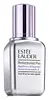
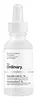
Estée Lauder Perfectionist Pro Rapid Firm + Lift Treatment with Acetyl Hexapeptide-8 Versus The Ordinary Hyaluronic Acid 2% + B5
This anti-aging serum is formulated around Acetyl Glucosamine and Acetyl Hexapeptide-8 to soften the look of wrinkles.
This hydrating treatment is formulated around Sodium Hyaluronate and Sodium Hyaluronate Crosspolymer to hydrate skin and strengthen the skin barrier.


What's inside
What's inside
 Key Ingredients
Benefits
Concerns
No concerns
Ingredients Side-by-side
Water
Skin ConditioningDimethicone
Emollient

Butylene Glycol
Humectant

Caprylic/Capric Triglyceride
Masking
Glycerin
Humectant
Bis-PEG-18 Methyl Ether Dimethyl Silane
EmollientPolysorbate 20
Emulsifying

Lauryl PEG-9 Polydimethylsiloxyethyl Dimethicone
Skin Conditioning
Polysilicone-11

Mangifera Indica Seed Butter
Skin Conditioning
Phoenix Dactylifera Fruit Extract
EmollientPisum Sativum Extract
Skin ConditioningCucumis Sativus Fruit Extract
Emollient

Crithmum Maritimum Extract
Skin ConditioningLaminaria Ochroleuca Extract
Skin Conditioning
Commiphora Mukul Resin Extract
Skin ConditioningTriticum Vulgare Germ Extract
Skin ConditioningBambusa Vulgaris Extract
Skin Conditioning
Chlorella Vulgaris Extract
Skin ConditioningLaminaria Saccharina Extract
Skin Protecting

Brassica Campestris Sterols
EmollientHelianthus Annuus Seed Extract
Skin Conditioning
Algae Extract
Emollient
Hypnea Musciformis Extract
Skin Protecting
Sigesbeckia Orientalis Extract
Skin ConditioningNymphaea Alba Flower Extract
Skin ConditioningAcetyl Glucosamine
Skin Conditioning


Caffeine
Skin Conditioning
Gelidiella Acerosa Extract
Skin Protecting
Coffea Arabica Seed Extract
Masking
Sodium Hyaluronate
Humectant
Lactic Acid
Buffering



Propylene Glycol Dicaprate
EmollientSaccharide Isomerate
Humectant
Methyl Gluceth-20
Humectant
Ethylhexylglycerin
Skin ConditioningAcrylamide/Sodium Acryloyldimethyltaurate Copolymer
Emulsion StabilisingHelianthus Annuus Seedcake
Abrasive
Caprylyl Glycol
Emollient
Isohexadecane
EmollientTocopheryl Acetate
Antioxidant

Acrylates/C10-30 Alkyl Acrylate Crosspolymer
Emulsion StabilisingGlyceryl Polymethacrylate
Sodium Polyacrylate Starch
AbsorbentSqualane
Emollient
Sodium PCA
Humectant
Urea
Buffering
Zea Mays Kernel Extract
Whey Protein
Skin ConditioningPalmaria Palmata Extract
Skin Protecting
Polysorbate 80
Emulsifying
Acetyl Hexapeptide-8
Humectant
Triolein
Skin Conditioning
Hydrolyzed Rice Extract
Skin Conditioning
Linoleic Acid
Cleansing
Trehalose
Humectant
Glycine Soja Protein
EmulsifyingGlucosamine Hcl
Phospholipids
Skin Conditioning
Laminaria Digitata Extract
Skin Protecting
Hordeum Vulgare Extract
EmollientPolyquaternium-51
Skin Conditioning
Palmitoyl Hexapeptide-12
Skin Conditioning
Ergothioneine
Antioxidant
Aminopropyl Ascorbyl Phosphate
Antioxidant
PEG-8
HumectantPhytosteryl Canola Glycerides
Skin Conditioning
Pentylene Glycol
Skin Conditioning
Oleic Acid
Emollient
Palmitic Acid
Emollient
Xanthan Gum
EmulsifyingParfum
Masking

Sodium Hydroxide
BufferingCitric Acid
Buffering
Silica
Abrasive
Calcium Chloride
AstringentStearic Acid
Cleansing
Dipropylene Glycol
HumectantSodium Palmitoyl Proline
Skin ConditioningDisodium EDTA
ChelatingBHT
Antioxidant
Potassium Sorbate
Preservative
Phenoxyethanol
Preservative
Mica
Cosmetic ColorantCI 77891
Cosmetic ColorantCI 77491
Cosmetic ColorantCI 77492
Cosmetic ColorantCI 77499
Cosmetic ColorantWater, Dimethicone, Butylene Glycol, Caprylic/Capric Triglyceride, Glycerin, Bis-PEG-18 Methyl Ether Dimethyl Silane, Polysorbate 20, Lauryl PEG-9 Polydimethylsiloxyethyl Dimethicone, Polysilicone-11, Mangifera Indica Seed Butter, Phoenix Dactylifera Fruit Extract, Pisum Sativum Extract, Cucumis Sativus Fruit Extract, Crithmum Maritimum Extract, Laminaria Ochroleuca Extract, Commiphora Mukul Resin Extract, Triticum Vulgare Germ Extract, Bambusa Vulgaris Extract, Chlorella Vulgaris Extract, Laminaria Saccharina Extract, Brassica Campestris Sterols, Helianthus Annuus Seed Extract, Algae Extract, Hypnea Musciformis Extract, Sigesbeckia Orientalis Extract, Nymphaea Alba Flower Extract, Acetyl Glucosamine, Caffeine, Gelidiella Acerosa Extract, Coffea Arabica Seed Extract, Sodium Hyaluronate, Lactic Acid, Propylene Glycol Dicaprate, Saccharide Isomerate, Methyl Gluceth-20, Ethylhexylglycerin, Acrylamide/Sodium Acryloyldimethyltaurate Copolymer, Helianthus Annuus Seedcake, Caprylyl Glycol, Isohexadecane, Tocopheryl Acetate, Acrylates/C10-30 Alkyl Acrylate Crosspolymer, Glyceryl Polymethacrylate, Sodium Polyacrylate Starch, Squalane, Sodium PCA, Urea, Zea Mays Kernel Extract, Whey Protein, Palmaria Palmata Extract, Polysorbate 80, Acetyl Hexapeptide-8, Triolein, Hydrolyzed Rice Extract, Linoleic Acid, Trehalose, Glycine Soja Protein, Glucosamine Hcl, Phospholipids, Laminaria Digitata Extract, Hordeum Vulgare Extract, Polyquaternium-51, Palmitoyl Hexapeptide-12, Ergothioneine, Aminopropyl Ascorbyl Phosphate, PEG-8, Phytosteryl Canola Glycerides, Pentylene Glycol, Oleic Acid, Palmitic Acid, Xanthan Gum, Parfum, Sodium Hydroxide, Citric Acid, Silica, Calcium Chloride, Stearic Acid, Dipropylene Glycol, Sodium Palmitoyl Proline, Disodium EDTA, BHT, Potassium Sorbate, Phenoxyethanol, Mica, CI 77891, CI 77491, CI 77492, CI 77499
Water
Skin ConditioningSodium Hyaluronate
Humectant
Pentylene Glycol
Skin Conditioning
Propanediol
Solvent
Sodium Hyaluronate Crosspolymer
Humectant
Panthenol
Skin Conditioning
Ahnfeltia Concinna Extract
Skin ConditioningGlycerin
Humectant
Trisodium Ethylenediamine Disuccinate
ChelatingCitric Acid
Buffering
Isoceteth-20
EmulsifyingEthoxydiglycol
HumectantEthylhexylglycerin
Skin ConditioningHexylene Glycol
Emulsifying1,2-Hexanediol
Skin Conditioning
Phenoxyethanol
Preservative
Caprylyl Glycol
Emollient
Water, Sodium Hyaluronate, Pentylene Glycol, Propanediol, Sodium Hyaluronate Crosspolymer, Panthenol, Ahnfeltia Concinna Extract, Glycerin, Trisodium Ethylenediamine Disuccinate, Citric Acid, Isoceteth-20, Ethoxydiglycol, Ethylhexylglycerin, Hexylene Glycol, 1,2-Hexanediol, Phenoxyethanol, Caprylyl Glycol
Reviews
Alternatives
Ingredients Explained
These ingredients are found in both products.
Ingredients higher up in an ingredient list are typically present in a larger amount.
Caprylyl Glycol is a humectant, skin conditioner, emollient, and preservative booster derived from either caprylic acid or synthetically created.
Typical use levels vary from 0.3-1% as a preservative booster and go up to 2% to condition skin.
Because it is not a free-fatty acid, this ingredient is fungal acne safe (there's nothing for Malassezia to feed on).
Learn more about Caprylyl GlycolCitric Acid is an alpha hydroxy acid (AHA) naturally found in citrus fruits like oranges, lemons, and limes.
Like other AHAs, citric acid can exfoliate skin by breaking down the bonds that hold dead skin cells together. This helps reveal smoother and brighter skin underneath.
However, this exfoliating effect only happens at high concentrations (20%) which can be hard to find in cosmetic products.
Due to this, citric acid is usually included in small amounts as a pH adjuster. This helps keep products slightly more acidic and compatible with skin's natural pH.
In skincare formulas, citric acid can:
While it can provide some skin benefits, research shows lactic acid and glycolic acid are generally more effective and less irritating exfoliants.
Most citric acid used in skincare today is made by fermenting sugars (usually from molasses). This synthetic version is identical to the natural citrus form but easier to stabilize and use in formulations.
Rosacea skin has a lower threshold for acids generally, with 62.5% of rosacea subjects in one study reacting to lactic acid in a sting test. This is why we mark citric acid as a potential rosacea trigger.
However, this ingredient shows up as a pH adjuster or chelator at roughly 0.1-1% in many products. These low levels are unlikely to be an issue for rosacea skin and becomes a potential trigger at exfoliating concentrations (20%). Because everybody's skin is unique, we recommend a patch test if you are unsure.
Learn more about Citric AcidEthylhexylglycerin is created from glycerin. It is a multitasker ingredient that:
The CIR Expert Panel found minimal skin absorption or sensitization of any kind in a safety assessment. Though this ingredient is considered well-tolerated, a small number of cases of allergic dermatitis have been published since 2002. Just be sure to patch test if you are unsure.
Industry-reported use ranges from 8% in rinse-off products and 2% in leave-on formulations.
Learn more about EthylhexylglycerinGlycerin (or glycerol) is a compound naturally found in your skin. It's a powerhouse humectant that pulls water into the stratum corneum.
Topically, glycerin does several things at once:
Your skin makes glycerin on its own (mostly from sebaceous oil breakdown) and shuttles it to your outermost layer of skin, or your epidermis, via aquaporin-3.
Aquaporin-3 is a transporter that is essential for normal skin hydration, elasticity, and repair. Interestingly, mice lacking in AQP3 have dry and less elastic skin that can be fully corrected with glycerin.
This ingredient is non-irritating, plays well with almost every ingredient, and works across all skin types. Typical use is anywhere between 3-10% but can go up to 79% in some leave-on products.
Just know very high concentrations (>40%) can feel tacky in low humidity.
Glycerin is the name for this ingredient in American English. British English uses Glycerol/Glycerine.
Learn more about GlycerinPentylene Glycol (1,2-pentanediol) is a multitasking little diol with three main roles in a formula:
Research on alkanediols (the family pentylene glycol belongs to) show they work by disrupting microbial cell membranes. This disruption helps the primary preservative system in a product work more effectively at lower doses.
On the safety side, the Cosmetic Ingredient Review Expert Panel has concluded this ingredient to be safe as used in current cosmetic practices + concentrations.
Typical use levels in a formula run about 1-5%.
Learn more about Pentylene GlycolPhenoxyethanol is one of the most widely used preservatives in skincare (and for good reason!).
It has a large spectrum of antimicrobial activity and especially effective bacteria, yeast, and mold while only having a weak effect on your skin's natural microbiome.
On a cellular level, it disrupts the cell membranes of microbes by poking holes that make the cell leak. This shuts down the chemical reactions the microbe needs to make energy so it can no longer survive.
Another perk of this ingredient is that it stays functional across a wide pH range (3-10).
You'll often see it paired with boosters like Ethylhexylglycerin; one study showed that a 1:9 ratio of Ethylhexylglycerin to Phenoxyethanol damages bacterial membranes as effectively as doubling the Phenoxyethanol concentration on its own.
Typical use concentrations range from 0.3-1% depending on the formula, and this ingredient is capped at 1% int the EU.
Safety-wise, the fear mongering does not hold up to the evidence. The EU's Scientific Committee on Consumer Safety and FDA consider it safe as a preservative at up to 1%, including for children of all ages.
Adverse systemic effects only showed up in animal studies at exposures roughly 200x higher than what people get from cosmetics. And despite its very widespread use, this ingredient is a rare sensitizer and allergic reactions are uncommon.
Learn more about PhenoxyethanolSodium Hyaluronate is the salt form of hyaluronic acid. It is a long sugar chain that is naturally found in your skin, joints, and connective tissue that maintains hydration and elasticity.
In skincare, it works as a humectant. It pulls water from the environment and deeper layers of skin and binds it to the surface.
Interestingly, the size of the molecule affects its behavior:
Some clinical evidence links low molecular weight versions to improved wrinkle depth, elasticity, anti-inflammatory effects, and barrier repair.
Many serums use a blend of both weights so you can get surface hydration plus longer-lasting and deeper effects.
You'll typically see concentrations between 0.1-2% for this ingredient.
Learn more about Sodium HyaluronateWater. It's the most common cosmetic ingredient of all. You'll usually see it at the top of ingredient lists, meaning that it makes up the largest part of the product.
So why is it so popular? Water most often acts as a solvent - this means that it helps dissolve other ingredients into the formulation.
You'll also recognize water as that liquid we all need to stay alive. If you see this, drink a glass of water. Remember to stay hydrated!
Learn more about Water

