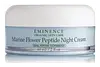
This night moisturizer is formulated around Aloe Barbadensis Leaf Juice to hydrate skin.
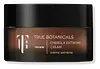
This anti-aging moisturizer is formulated around Camellia Sinensis Leaf Extract and Aloe Barbadensis Leaf Juice to soften the look of wrinkles and hydrate skin.


What's inside
What's inside
 Key Ingredients
Benefits
Concerns
Ingredients Side-by-side
Aloe Barbadensis Leaf Juice
Skin Conditioning


Oryza Sativa
Calendula Officinalis Flower Extract
Masking
Zea Mays Silk Extract
Skin ConditioningCamellia Sinensis Leaf Extract
Antimicrobial




Glycerin
Humectant

Jasminum Officinale Flower Extract
Masking

Vitis Vinifera Seed Oil
Emollient


Prunus Armeniaca Kernel Oil
Masking

Helianthus Annuus Seed Oil
Emollient
Butyrospermum Parkii Butter
Skin Conditioning
Water
Skin ConditioningCetearyl Alcohol
Emollient

Hydrolyzed Rice Protein
Skin ConditioningGlyceryl Stearate
Emollient
Hydrolyzed Plukenetia Volubilis Seed Extract
Emulsion StabilisingAlteromonas Ferment Filtrate
HumectantAphanizomenon Flos-Aquae Extract
HumectantSodium Acrylates Copolymer
Lecithin
Emollient
Hydroxyacetophenone
Antioxidant
Tocopheryl Acetate
Antioxidant
Citrus Aurantium Dulcis Peel Oil
Masking
1,2-Hexanediol
Skin Conditioning
Caprylyl Glycol
Emollient
Hydrogenated Starch Hydrolysate
HumectantButylene Glycol
Humectant
Xanthan Gum
EmulsifyingOcimum Basilicum Oil
Masking
Guaiazulene
Antimicrobial
Tetrasodium Glutamate Diacetate
ChelatingIron Oxides
Bambusa Vulgaris Extract
Skin Conditioning
Caramel
Cosmetic ColorantEuterpe Oleracea Fruit Extract
Citrus Limon Peel
MaskingMalpighia Glabra Fruit Extract
Skin ConditioningEmblica Officinalis Fruit
Skin ConditioningAdansonia Digitata Seed Oil
Emollient
Myrciaria Dubia Fruit Extract
Skin ConditioningDaucus Carota Sativa Root Extract
Skin Conditioning
Cocos Nucifera Oil
Masking
Milk
Skin Conditioning
Lycium Barbarum Fruit Extract
Astringent
Tapioca Starch
Aloe Barbadensis Leaf Juice, Oryza Sativa, Calendula Officinalis Flower Extract, Zea Mays Silk Extract, Camellia Sinensis Leaf Extract, Glycerin, Jasminum Officinale Flower Extract, Vitis Vinifera Seed Oil, Prunus Armeniaca Kernel Oil, Helianthus Annuus Seed Oil, Butyrospermum Parkii Butter, Water, Cetearyl Alcohol, Hydrolyzed Rice Protein, Glyceryl Stearate, Hydrolyzed Plukenetia Volubilis Seed Extract, Alteromonas Ferment Filtrate, Aphanizomenon Flos-Aquae Extract, Sodium Acrylates Copolymer, Lecithin, Hydroxyacetophenone, Tocopheryl Acetate, Citrus Aurantium Dulcis Peel Oil, 1,2-Hexanediol, Caprylyl Glycol, Hydrogenated Starch Hydrolysate, Butylene Glycol, Xanthan Gum, Ocimum Basilicum Oil, Guaiazulene, Tetrasodium Glutamate Diacetate, Iron Oxides, Bambusa Vulgaris Extract, Caramel, Euterpe Oleracea Fruit Extract, Citrus Limon Peel, Malpighia Glabra Fruit Extract, Emblica Officinalis Fruit, Adansonia Digitata Seed Oil, Myrciaria Dubia Fruit Extract, Daucus Carota Sativa Root Extract, Cocos Nucifera Oil, Milk, Lycium Barbarum Fruit Extract, Tapioca Starch
Camellia Sinensis Leaf Extract
Antimicrobial
Aloe Barbadensis Leaf Juice
Skin Conditioning
Glycerin
Humectant
Hydrogenated Vegetable Oil
Emollient
Mangifera Indica Seed Butter
Skin Conditioning
Hydrogenated Ethylhexyl Olivate
EmollientCetearyl Olivate
Sorbitan Olivate
Emulsifying
Silybum Marianum Ethyl Ester
Skin ConditioningTerminalia Chebula Fruit Extract
Skin ConditioningSodium Hyaluronate
Humectant
Calendula Officinalis Flower Extract
Masking
Rosa Rubiginosa Seed Oil
Emollient
Rubus Idaeus Seed Oil
Emollient
Hippophae Rhamnoides Seed Oil
Skin Protecting
Sclerocarya Birrea Seed Oil
Humectant
Lactobacillus/Acerola Cherry Ferment
Skin ProtectingHydrolyzed Viola Tricolor Extract
Skin ProtectingPersea Gratissima Oil
Skin Conditioning
Simmondsia Chinensis Seed Oil
Emollient
Lecithin
Emollient
Caprylic/Capric Triglyceride
Masking
Carthamus Tinctorius Seed Oil
Masking
Eclipta Prostrata Extract
Skin Conditioning
Melia Azadirachta Leaf Extract
Skin ConditioningMoringa Oleifera Seed Oil
Emollient
Populus Tremuloides Bark Extract
AntiseborrhoeicJuniperus Virginiana Oil
Masking
Cananga Odorata Flower Oil
Masking
Cedrus Atlantica Wood Oil
Perfuming
Amyris Balsamifera Bark Oil
Masking
Juniperus Mexicana Oil
Masking
Lavandula Angustifolia Oil
Masking
Tocopherol
Antioxidant
Hydrogenated Olive Oil Unsaponifiables
Emollient
Leuconostoc/Radish Root Ferment Filtrate
Antimicrobial
Xanthan Gum
EmulsifyingSodium Phytate
ChelatingPhenethyl Alcohol
MaskingEthylhexylglycerin
Skin ConditioningCitric Acid
Buffering
Water
Skin ConditioningCaprylyl Glycol
Emollient
1,2-Hexanediol
Skin Conditioning
Limonene
Perfuming
Linalool
Perfuming
Camellia Sinensis Leaf Extract, Aloe Barbadensis Leaf Juice, Glycerin, Hydrogenated Vegetable Oil, Mangifera Indica Seed Butter, Hydrogenated Ethylhexyl Olivate, Cetearyl Olivate, Sorbitan Olivate, Silybum Marianum Ethyl Ester, Terminalia Chebula Fruit Extract, Sodium Hyaluronate, Calendula Officinalis Flower Extract, Rosa Rubiginosa Seed Oil, Rubus Idaeus Seed Oil, Hippophae Rhamnoides Seed Oil, Sclerocarya Birrea Seed Oil, Lactobacillus/Acerola Cherry Ferment, Hydrolyzed Viola Tricolor Extract, Persea Gratissima Oil, Simmondsia Chinensis Seed Oil, Lecithin, Caprylic/Capric Triglyceride, Carthamus Tinctorius Seed Oil, Eclipta Prostrata Extract, Melia Azadirachta Leaf Extract, Moringa Oleifera Seed Oil, Populus Tremuloides Bark Extract, Juniperus Virginiana Oil, Cananga Odorata Flower Oil, Cedrus Atlantica Wood Oil, Amyris Balsamifera Bark Oil, Juniperus Mexicana Oil, Lavandula Angustifolia Oil, Tocopherol, Hydrogenated Olive Oil Unsaponifiables, Leuconostoc/Radish Root Ferment Filtrate, Xanthan Gum, Sodium Phytate, Phenethyl Alcohol, Ethylhexylglycerin, Citric Acid, Water, Caprylyl Glycol, 1,2-Hexanediol, Limonene, Linalool
Reviews
Ingredients Explained
These ingredients are found in both products.
Ingredients higher up in an ingredient list are typically present in a larger amount.
1,2-Hexanediol is a synthetic liquid and another multi-functional powerhouse.
It is a:
- Humectant, drawing moisture into the skin
- Emollient, helping to soften skin
- Solvent, dispersing and stabilizing formulas
- Preservative booster, enhancing the antimicrobial activity of other preservatives
Aloe Barbadensis Leaf Juice is the filtered, stabilized liquid pressed from the inner gel of the aloe vera leaf.
In cosmetics, it shows up as either soothing active or a water-replacement base. It is roughly 98-99% water and the last 1-2% is an interesting mix of polysaccharides, amino acids, vitamins, minerals, and enzymes.
The polysaccharides do most of the work: they bind water at the skin surface for a light, non-greasy hydration boost. And one of the polysaccharides, glycomannan, is linked to fibroblast stimulation + collagen synthesis. This is also why aloe has such a long track record in wound and burn healing.
This ingredient is also calming with anti-inflammatory and mild antimicrobial activity, making it a great pick for sensitive, irritated, or post-sun skin.
Realistic expectations matter though; the solid evidence is mostly limited to hydration, soothing, and wound support. Deeper claims about anti-aging or sun protection are not well backed, and science reviews note it does not prevent radiation-induced skin injury.
Because it plays well with almost everything, it's commonly used as a base alongside other actives like niacinamide or vitamin C.
Typical usage concentrations range from 0.5% (where hydration benefits already show up) all the way to 90%+ (where it replaces water as the main base).
The safety for this ingredient is well-establish as well. Overall, this is a great supporting ingredient for those who want a boost in hydration.
Learn more about Aloe Barbadensis Leaf JuiceCalendula Officinalis Flower Extract comes from the marigold flower and has been used on skin for centuries for its calming effect.
In the lab, its active compounds appear to calm inflammation and support the early "healing" phase of minor wounds.
This is why Europe's medicines regulator has approved calendula extracts as a traditional remedy for minor skin inflammation and healing small wounds.
The stronger human evidence is around would/ulcer care rather than everyday cosmetic claims; a review that pulled together 14 studies found that calendula helped calm the early, inflamed stage of a wound and helped new skin tissue form faster.
Two studies also showed it shrank leg ulcers (the kind caused by poor circulation). Results were mixed for burns and for the skin irritation people get from radiation treatment, so it's not a sure thing there.
In cosmetics, it's mostly a skin conditioning and soothing agent.
The Cosmetic Ingredient Review panel concluded that calendula-derived ingredients are safe as used and that the ingredients are not irritating, sensitizing, or photosensitizing in clinical tests (though they may be mild eye irritants).
Typical use levels are quite low; industry data reported it used at under 0.5% (one supplier noted a 10-25% extract blend used at 1-10% in the finished product). Historical use goes up to 10%.
The only thing to keep in mind is if you have daisy/ragweed allergies. Calendula is in the same family and one patch-test study found 2% of dermatitis patients reacted to marigold. Be sure to patch test if you have sensitive or allergy-prone skin.
Learn more about Calendula Officinalis Flower ExtractCamellia Sinensis Leaf Extract (tea extract) is one of the most well-researched plant extracts in skincare with an impressive resume.
Black tea, green tea, and oolong tea are all harvested from the Camellia Sinensis plant.
Studies show green tea extract and its catechins (like epigallocatechin gallate (EGCG)) help your skin cells product energy more efficiently and reducing the number of free-radicals that can damage your skin from the inside.
In lab-grown skin models, this translated to younger, healthier, and stronger skin.
There's also good sun protection data; researchers saw less DNA damage and redness on human skin when green tea was applied before UVB exposure. And the more they applied, the better the protection.
Needless to say, this ingredient shouldn't replace your sunscreen. But it is a great supportive ingredient that you can already find in many sunscreens and antioxidant serums.
A 2009 study found a 2% green tea lotion was effective for mild-to-moderate acne thanks to its anti-inflammatory and mild antimicrobial activity.
The quality of the extract matters a lot here:
Good extracts contain 50-90% catechins while lower quality ones are mostly there for marketing. We recommend reaching out to the brand if you have questions about the quality or source of their ingredients.
Human Repeated Insult Patch Testing showed no irritation or sensitization at use concentrations (0.86% in leave-on products and up to 30% as leaf water).
Learn more about Camellia Sinensis Leaf ExtractCaprylyl Glycol is a humectant, skin conditioner, emollient, and preservative booster derived from either caprylic acid or synthetically created.
Typical use levels vary from 0.3-1% as a preservative booster and go up to 2% to condition skin.
Because it is not a free-fatty acid, this ingredient is fungal acne safe (there's nothing for Malassezia to feed on).
Learn more about Caprylyl GlycolGlycerin (or glycerol) is a compound naturally found in your skin. It's a powerhouse humectant that pulls water into the stratum corneum.
Topically, glycerin does several things at once:
Your skin makes glycerin on its own (mostly from sebaceous oil breakdown) and shuttles it to your outermost layer of skin, or your epidermis, via aquaporin-3.
Aquaporin-3 is a transporter that is essential for normal skin hydration, elasticity, and repair. Interestingly, mice lacking in AQP3 have dry and less elastic skin that can be fully corrected with glycerin.
This ingredient is non-irritating, plays well with almost every ingredient, and works across all skin types. Typical use is anywhere between 3-10% but can go up to 79% in some leave-on products.
Just know very high concentrations (>40%) can feel tacky in low humidity.
Glycerin is the name for this ingredient in American English. British English uses Glycerol/Glycerine.
Learn more about GlycerinLecithin is a term for a group of substances found in the cell membranes of plants, animals, and humans. They are made up of phospholipids.
Thanks to its amphiphilic structure (water-loving head and oil-loving tail), it is a true multitasker:
It plays well with most ingredients and is typically used at 0.1-1%. However, concentrations up to 50% have been reported in moisturizers.
Learn more about LecithinWater. It's the most common cosmetic ingredient of all. You'll usually see it at the top of ingredient lists, meaning that it makes up the largest part of the product.
So why is it so popular? Water most often acts as a solvent - this means that it helps dissolve other ingredients into the formulation.
You'll also recognize water as that liquid we all need to stay alive. If you see this, drink a glass of water. Remember to stay hydrated!
Learn more about WaterXanthan gum is used as a stabilizer and thickener within cosmetic products. It helps give products a sticky, thick feeling - preventing them from being too runny.
On the technical side of things, xanthan gum is a polysaccharide - a combination consisting of multiple sugar molecules bonded together.
Xanthan gum is a pretty common and great ingredient. It is a natural, non-toxic, non-irritating ingredient that is also commonly used in food products.
Learn more about Xanthan Gum

