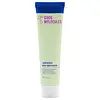
This barrier-repair moisturizer is formulated around Butyrospermum Parkii Butter and Sodium Hyaluronate to strengthen the skin barrier and hydrate skin.
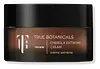
This anti-aging moisturizer is formulated around Camellia Sinensis Leaf Extract and Aloe Barbadensis Leaf Juice to soften the look of wrinkles and hydrate skin.

What's inside
What's inside
 Key Ingredients
Benefits
Concerns
Ingredients Side-by-side
Water
Skin ConditioningPropanediol
Solvent

Butyrospermum Parkii Butter
Skin Conditioning




Neopentyl Glycol Diheptanoate
EmollientCetearyl Alcohol
Emollient

1,2-Hexanediol
Skin Conditioning
Persea Gratissima Oil
Skin Conditioning
Cetearyl Olivate
Sorbitan Olivate
Emulsifying
Glyceryl Stearate
Emollient
Cetyl Ethylhexanoate
EmollientCarbomer
Emulsion StabilisingTromethamine
BufferingSodium Hyaluronate
Humectant


Tocopheryl Acetate
Antioxidant


Ethylhexylglycerin
Skin ConditioningTrisodium Ethylenediamine Disuccinate
ChelatingCamellia Sinensis Leaf Water
Masking
Water, Propanediol, Butyrospermum Parkii Butter, Neopentyl Glycol Diheptanoate, Cetearyl Alcohol, 1,2-Hexanediol, Persea Gratissima Oil, Cetearyl Olivate, Sorbitan Olivate, Glyceryl Stearate, Cetyl Ethylhexanoate, Carbomer, Tromethamine, Sodium Hyaluronate, Tocopheryl Acetate, Ethylhexylglycerin, Trisodium Ethylenediamine Disuccinate, Camellia Sinensis Leaf Water
Camellia Sinensis Leaf Extract
Antimicrobial


Aloe Barbadensis Leaf Juice
Skin Conditioning
Glycerin
Humectant
Hydrogenated Vegetable Oil
Emollient
Mangifera Indica Seed Butter
Skin Conditioning
Hydrogenated Ethylhexyl Olivate
EmollientCetearyl Olivate
Sorbitan Olivate
Emulsifying
Silybum Marianum Ethyl Ester
Skin ConditioningTerminalia Chebula Fruit Extract
Skin ConditioningSodium Hyaluronate
Humectant
Calendula Officinalis Flower Extract
Masking
Rosa Rubiginosa Seed Oil
Emollient
Rubus Idaeus Seed Oil
Emollient
Hippophae Rhamnoides Seed Oil
Skin Protecting
Sclerocarya Birrea Seed Oil
Humectant
Lactobacillus/Acerola Cherry Ferment
Skin ProtectingHydrolyzed Viola Tricolor Extract
Skin ProtectingPersea Gratissima Oil
Skin Conditioning
Simmondsia Chinensis Seed Oil
Emollient
Lecithin
Emollient
Caprylic/Capric Triglyceride
Masking
Carthamus Tinctorius Seed Oil
Masking
Eclipta Prostrata Extract
Skin Conditioning
Melia Azadirachta Leaf Extract
Skin ConditioningMoringa Oleifera Seed Oil
Emollient
Populus Tremuloides Bark Extract
AntiseborrhoeicJuniperus Virginiana Oil
Masking

Cananga Odorata Flower Oil
Masking
Cedrus Atlantica Wood Oil
Perfuming
Amyris Balsamifera Bark Oil
Masking
Juniperus Mexicana Oil
Masking
Lavandula Angustifolia Oil
Masking
Tocopherol
Antioxidant
Hydrogenated Olive Oil Unsaponifiables
Emollient
Leuconostoc/Radish Root Ferment Filtrate
Antimicrobial
Xanthan Gum
EmulsifyingSodium Phytate
ChelatingPhenethyl Alcohol
MaskingEthylhexylglycerin
Skin ConditioningCitric Acid
Buffering
Water
Skin ConditioningCaprylyl Glycol
Emollient
1,2-Hexanediol
Skin Conditioning
Limonene
Perfuming
Linalool
Perfuming
Camellia Sinensis Leaf Extract, Aloe Barbadensis Leaf Juice, Glycerin, Hydrogenated Vegetable Oil, Mangifera Indica Seed Butter, Hydrogenated Ethylhexyl Olivate, Cetearyl Olivate, Sorbitan Olivate, Silybum Marianum Ethyl Ester, Terminalia Chebula Fruit Extract, Sodium Hyaluronate, Calendula Officinalis Flower Extract, Rosa Rubiginosa Seed Oil, Rubus Idaeus Seed Oil, Hippophae Rhamnoides Seed Oil, Sclerocarya Birrea Seed Oil, Lactobacillus/Acerola Cherry Ferment, Hydrolyzed Viola Tricolor Extract, Persea Gratissima Oil, Simmondsia Chinensis Seed Oil, Lecithin, Caprylic/Capric Triglyceride, Carthamus Tinctorius Seed Oil, Eclipta Prostrata Extract, Melia Azadirachta Leaf Extract, Moringa Oleifera Seed Oil, Populus Tremuloides Bark Extract, Juniperus Virginiana Oil, Cananga Odorata Flower Oil, Cedrus Atlantica Wood Oil, Amyris Balsamifera Bark Oil, Juniperus Mexicana Oil, Lavandula Angustifolia Oil, Tocopherol, Hydrogenated Olive Oil Unsaponifiables, Leuconostoc/Radish Root Ferment Filtrate, Xanthan Gum, Sodium Phytate, Phenethyl Alcohol, Ethylhexylglycerin, Citric Acid, Water, Caprylyl Glycol, 1,2-Hexanediol, Limonene, Linalool
Reviews
Ingredients Explained
These ingredients are found in both products.
Ingredients higher up in an ingredient list are typically present in a larger amount.
1,2-Hexanediol is a synthetic liquid and another multi-functional powerhouse.
It is a:
- Humectant, drawing moisture into the skin
- Emollient, helping to soften skin
- Solvent, dispersing and stabilizing formulas
- Preservative booster, enhancing the antimicrobial activity of other preservatives
Cetearyl Olivate is a plant-derived emulsifier and texture enhancer. It helps keep the oil and water phases from separating so your formulas stay stable.
You'll likely see it combined with Sorbitan Olivate (together sold as the trade name Olivem 1000). This combination generates a liquid crystal structure that closely resemble the lipid organization of the stratum corneum.
These "skin-like" liquid crystals improve skin barrier integrity and promote the delivery of actives into the skin.
This ingredient is well-tolerated and has no significant sensitization data.
Because it is derived from the fatty acids in olive oil, this ingredient may not be fungal acne safe.
Learn more about Cetearyl OlivateEthylhexylglycerin is created from glycerin. It is a multitasker ingredient that:
The CIR Expert Panel found minimal skin absorption or sensitization of any kind in a safety assessment. Though this ingredient is considered well-tolerated, a small number of cases of allergic dermatitis have been published since 2002. Just be sure to patch test if you are unsure.
Industry-reported use ranges from 8% in rinse-off products and 2% in leave-on formulations.
Learn more about EthylhexylglycerinThis ingredient is also known as Avocado oil. It's the cold-pressed oil from the flesh of the avocado fruit packed with fatty acids (mostly oleic acid).
The rich fatty acid profile allows it to function as a skin conditioning agent and emollient; it helps soften and smooth skin while reducing water loss.
Preclinical research has found that topical avocado oil increased collagen synthesis and reduced inflammation during wound healing, giving it some skin-repairing credibility.
The unsaponifiable fraction of the oil is also interesting: studies on avocado unsaponifiables showed that it helped skin produce more collagen and other structural compounds that support healing.
The CIR Expert Panel has found this ingredient to be non-irritating in formulations.
It's a great ingredient for dry or compromised skin. Just know it may not be fungal acne safe. This is because the oleic acid content falls within the range that Malassezia can use as a food source.
Learn more about Persea Gratissima OilSodium Hyaluronate is the salt form of hyaluronic acid. It is a long sugar chain that is naturally found in your skin, joints, and connective tissue that maintains hydration and elasticity.
In skincare, it works as a humectant. It pulls water from the environment and deeper layers of skin and binds it to the surface.
Interestingly, the size of the molecule affects its behavior:
Some clinical evidence links low molecular weight versions to improved wrinkle depth, elasticity, anti-inflammatory effects, and barrier repair.
Many serums use a blend of both weights so you can get surface hydration plus longer-lasting and deeper effects.
You'll typically see concentrations between 0.1-2% for this ingredient.
Learn more about Sodium HyaluronateSorbitan Olivate is created from the fatty acids in olive oil and sorbitol.
This ingredient is an oil in water emulsifier. It helps stabilize a product by preventing oils and waters from separating. Sorbitan Olivate also helps hydrate the skin.
This ingredient is also known as part of Olivem 1000, with Cetearyl Olivate being the other part.
According to a manufacturer, this ingredient helps preserve the natural microbiome of skin. Having a healthy microbiome helps keep our skin healthy and protects against harmful bacteria.
Please note, having a healthy microbiome is different from fungal acne; a healthy microbiome includes small amounts of yeast that normally live on your skin without causing problems.
Fungal acne happens when one type of yeast (Malassezia) grows out of control. This is usually because it's feeding on certain oils or fatty acids. Due to the olive oil base, this ingredient may not be fungal acne safe.
Learn more about Sorbitan OlivateWater. It's the most common cosmetic ingredient of all. You'll usually see it at the top of ingredient lists, meaning that it makes up the largest part of the product.
So why is it so popular? Water most often acts as a solvent - this means that it helps dissolve other ingredients into the formulation.
You'll also recognize water as that liquid we all need to stay alive. If you see this, drink a glass of water. Remember to stay hydrated!
Learn more about Water

