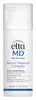
This barrier-repair night moisturizer is formulated around Niacinamide and Squalane to strengthen the skin barrier and hydrate skin.
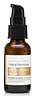
This barrier-repair serum is formulated around Simmondsia Chinensis Seed Oil and Urea to strengthen the skin barrier and hydrate skin.

What's inside
What's inside
 Key Ingredients
Benefits
Concerns
Ingredients Side-by-side
Water
Skin ConditioningEthylhexyl Isononanoate
EmollientNiacinamide
Smoothing











Glycerin
Humectant
Squalane
Emollient
Hydroxyethyl Acrylate/Sodium Acryloyldimethyl Taurate Copolymer
Emulsion StabilisingGlyceryl Stearate
Emollient

PEG-100 Stearate
Surfactant
Phenoxyethanol
Preservative
Xylitylglucoside
Humectant
Anhydroxylitol
Humectant
Polyisobutene
Carbomer
Emulsion StabilisingXylitol
Humectant
Actinidia Chinensis Fruit Extract
EmollientPiptadenia Colubrina Peel Extract
HumectantEthylhexylglycerin
Skin ConditioningSodium Hyaluronate
Humectant
PEG-7 Trimethylolpropane Coconut Ether
Emulsifying
Bromelain
Skin Conditioning
Ceteareth-25
CleansingTocopherol
Antioxidant

Disodium EDTA
ChelatingGlycine Soja Oil
Emollient



Maltodextrin
Absorbent
Cetyl Alcohol
Emollient
Microcrystalline Cellulose
AbsorbentBenzyl Alcohol
Perfuming




Behenic Acid
Cleansing
Ceramide NP
Skin Conditioning
Cholesterol
Emollient
Diethylene Glycol Dibenzoate
EmollientPotassium Sorbate
Preservative
Silica
Abrasive
Ceramide Ns
Skin Conditioning
Ceramide AP
Skin Conditioning
Ceramide EOP
Skin Conditioning
Ceramide Eos
Skin Conditioning
Caprooyl Phytosphingosine
Skin Conditioning
Caprooyl Sphingosine
Skin ConditioningAscorbyl Palmitate
Antioxidant
Butylene Glycol
Humectant
Citric Acid
Buffering
Sodium Hydroxide
BufferingSodium Bisulfite
Antioxidant
Biotin
AntiseborrhoeicFicin
Skin ConditioningGlutamine
Skin ConditioningProline
Skin Conditioning
Water, Ethylhexyl Isononanoate, Niacinamide, Glycerin, Squalane, Hydroxyethyl Acrylate/Sodium Acryloyldimethyl Taurate Copolymer, Glyceryl Stearate, PEG-100 Stearate, Phenoxyethanol, Xylitylglucoside, Anhydroxylitol, Polyisobutene, Carbomer, Xylitol, Actinidia Chinensis Fruit Extract, Piptadenia Colubrina Peel Extract, Ethylhexylglycerin, Sodium Hyaluronate, PEG-7 Trimethylolpropane Coconut Ether, Bromelain, Ceteareth-25, Tocopherol, Disodium EDTA, Glycine Soja Oil, Maltodextrin, Cetyl Alcohol, Microcrystalline Cellulose, Benzyl Alcohol, Behenic Acid, Ceramide NP, Cholesterol, Diethylene Glycol Dibenzoate, Potassium Sorbate, Silica, Ceramide Ns, Ceramide AP, Ceramide EOP, Ceramide Eos, Caprooyl Phytosphingosine, Caprooyl Sphingosine, Ascorbyl Palmitate, Butylene Glycol, Citric Acid, Sodium Hydroxide, Sodium Bisulfite, Biotin, Ficin, Glutamine, Proline
Camellia Sinensis Leaf Water
Masking
Propanediol
Solvent
Simmondsia Chinensis Seed Oil
Emollient
Lactobacillus
Skin ConditioningCocos Nucifera Fruit Extract
Emollient
Urea
Buffering
Zinc Oxide
Cosmetic Colorant

Leuconostoc/Radish Root Ferment Filtrate
Antimicrobial
Phospholipids
Skin Conditioning
Magnesium Chloride
Glycerin
Humectant
Brassica Oleracea Italica Seed Oil
Emollient
Sodium PCA
Humectant
Xanthan Gum
EmulsifyingWater
Skin ConditioningLaminaria Digitata Extract
Skin Protecting
Camellia Sinensis Extract
Antioxidant
Polygonum Aviculare Extract
EmollientSaccharide Isomerate
Humectant
Lac Extract
Skin ConditioningGluconolactone
Chelating
Daucus Carota Sativa Root Extract
Skin Conditioning
Aspartic Acid
Masking
Sucrose
Humectant
Plankton Extract
Skin ConditioningDecyl Glucoside
Cleansing
Resveratrol
Antioxidant
Phosphatidylserine
Emulsion StabilisingAcetyl Glucosamine
Skin Conditioning
Jojoba Esters
Emollient
Ceramide NP
Skin Conditioning
Superoxide Dismutase
Antioxidant
Arginine
Masking
Sodium Chloride
MaskingSodium Hyaluronate
Humectant
Citric Acid
Buffering
Camellia Sinensis Leaf Water, Propanediol, Simmondsia Chinensis Seed Oil, Lactobacillus, Cocos Nucifera Fruit Extract, Urea, Zinc Oxide, Leuconostoc/Radish Root Ferment Filtrate, Phospholipids, Magnesium Chloride, Glycerin, Brassica Oleracea Italica Seed Oil, Sodium PCA, Xanthan Gum, Water, Laminaria Digitata Extract, Camellia Sinensis Extract, Polygonum Aviculare Extract, Saccharide Isomerate, Lac Extract, Gluconolactone, Daucus Carota Sativa Root Extract, Aspartic Acid, Sucrose, Plankton Extract, Decyl Glucoside, Resveratrol, Phosphatidylserine, Acetyl Glucosamine, Jojoba Esters, Ceramide NP, Superoxide Dismutase, Arginine, Sodium Chloride, Sodium Hyaluronate, Citric Acid
Ingredients Explained
These ingredients are found in both products.
Ingredients higher up in an ingredient list are typically present in a larger amount.
Ceramide NP (formerly known as Ceramide 3) is one of the skin's naturally occurring lipids.
Since ceramides are the major lipid components of the skin, they are crucial for maintaining skin barrier and hydration. Ceramide NP most closely mirrors the dominant kind in human skin amongst ceramide subtypes.
This ceramide works by slotting into gaps within the stratum corneum's lipid matrix to limit trans-epidermal water loss (TEWL) and shield the skin against external irritants.
A study with 312 patients found that using a ceramide-containing routine for 4 weeks reduced the severity of atopic dermatitis by over 61%.
Another clinical study in subjects aged 60 and older found that a ceramide body wash and moisturizer improved skin dryness and itchy skin in 15 days.
Overall, ceramides are considered non-irritating and safety tests have found little to no observable adverse effects from using this ingredient.
Ceramide NP is usually sourced from plants (like soybean or rice bran), or produced synthetically.
Learn more about Ceramide NPCitric Acid is an alpha hydroxy acid (AHA) naturally found in citrus fruits like oranges, lemons, and limes.
Like other AHAs, citric acid can exfoliate skin by breaking down the bonds that hold dead skin cells together. This helps reveal smoother and brighter skin underneath.
However, this exfoliating effect only happens at high concentrations (20%) which can be hard to find in cosmetic products.
Due to this, citric acid is usually included in small amounts as a pH adjuster. This helps keep products slightly more acidic and compatible with skin's natural pH.
In skincare formulas, citric acid can:
While it can provide some skin benefits, research shows lactic acid and glycolic acid are generally more effective and less irritating exfoliants.
Most citric acid used in skincare today is made by fermenting sugars (usually from molasses). This synthetic version is identical to the natural citrus form but easier to stabilize and use in formulations.
Rosacea skin has a lower threshold for acids generally, with 62.5% of rosacea subjects in one study reacting to lactic acid in a sting test. This is why we mark citric acid as a potential rosacea trigger.
However, this ingredient shows up as a pH adjuster or chelator at roughly 0.1-1% in many products. These low levels are unlikely to be an issue for rosacea skin and becomes a potential trigger at exfoliating concentrations (20%). Because everybody's skin is unique, we recommend a patch test if you are unsure.
Learn more about Citric AcidGlycerin (or glycerol) is a compound naturally found in your skin. It's a powerhouse humectant that pulls water into the stratum corneum.
Topically, glycerin does several things at once:
Your skin makes glycerin on its own (mostly from sebaceous oil breakdown) and shuttles it to your outermost layer of skin, or your epidermis, via aquaporin-3.
Aquaporin-3 is a transporter that is essential for normal skin hydration, elasticity, and repair. Interestingly, mice lacking in AQP3 have dry and less elastic skin that can be fully corrected with glycerin.
This ingredient is non-irritating, plays well with almost every ingredient, and works across all skin types. Typical use is anywhere between 3-10% but can go up to 79% in some leave-on products.
Just know very high concentrations (>40%) can feel tacky in low humidity.
Glycerin is the name for this ingredient in American English. British English uses Glycerol/Glycerine.
Learn more about GlycerinSodium Hyaluronate is the salt form of hyaluronic acid. It is a long sugar chain that is naturally found in your skin, joints, and connective tissue that maintains hydration and elasticity.
In skincare, it works as a humectant. It pulls water from the environment and deeper layers of skin and binds it to the surface.
Interestingly, the size of the molecule affects its behavior:
Some clinical evidence links low molecular weight versions to improved wrinkle depth, elasticity, anti-inflammatory effects, and barrier repair.
Many serums use a blend of both weights so you can get surface hydration plus longer-lasting and deeper effects.
You'll typically see concentrations between 0.1-2% for this ingredient.
Learn more about Sodium HyaluronateWater. It's the most common cosmetic ingredient of all. You'll usually see it at the top of ingredient lists, meaning that it makes up the largest part of the product.
So why is it so popular? Water most often acts as a solvent - this means that it helps dissolve other ingredients into the formulation.
You'll also recognize water as that liquid we all need to stay alive. If you see this, drink a glass of water. Remember to stay hydrated!
Learn more about Water

