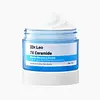
This barrier-repair moisturizer is formulated around Centella Asiatica Leaf Extract and Panthenol to strengthen the skin barrier and calm redness.
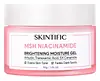
This brightening moisturizer is formulated around Niacinamide and Alpha-Arbutin to brighten dull-looking skin and fade the look of dark spots.


What's inside
What's inside
 Key Ingredients
Benefits
Concerns
Ingredients Side-by-side
Water
Skin ConditioningPropanediol
Solvent

Dimethicone
Emollient

Propylheptyl Caprylate
EmollientMethyl Gluceth-20
Humectant
Hydroxyethyl Urea
Humectant
Centella Asiatica Leaf Extract
Skin Conditioning


Butylene Glycol
Humectant
Glyceryl Glucoside
Humectant
Cetearyl Olivate


Panthenol
Skin Conditioning
Carbomer
Emulsion Stabilising1,2-Hexanediol
Skin Conditioning
Tromethamine
BufferingHydroxyacetophenone
Antioxidant
Sorbitan Olivate
Emulsifying
Allantoin
Skin Conditioning
Pentylene Glycol
Skin Conditioning
Polyacrylate Crosspolymer-6
Emulsion StabilisingAmmonium Acryloyldimethyltaurate/Vp Copolymer
Avena Sativa Kernel Oil
Skin Conditioning
Ectoin
Skin Conditioning
Squalane
Emollient
Saccharomyces Ferment Filtrate
Humectant
Sorbitol
Humectant
Polyacrylate-13
Glycerin
Humectant
Glycerophosphoinositol Choline
Skin ProtectingSophora Angustifolia Root Extract
Skin ConditioningPolyisobutene
Avena Sativa Kernel Extract
Abrasive
Ethylhexylglycerin
Skin ConditioningParfum
Masking



Salvia Miltiorrhiza Root Extract
Skin ConditioningAndrographis Paniculata Leaf Extract
AstringentPhaeodactylum Tricornutum Extract
HumectantChondrus Crispus Extract
Skin Conditioning
Lecithin
Emollient
Polysorbate 20
Emulsifying
Sorbitan Isostearate
Emulsifying
Caprylhydroxamic Acid
Caprylyl Glycol
Emollient
Sargassum Muticum Extract
Skin ProtectingSodium Ascorbate
Antioxidant



Fucus Serratus Extract
Skin ProtectingHydrogenated Lecithin
Emulsifying
Cetyl-Pg Hydroxyethyl Palmitamide
Skin ConditioningCamellia Japonica Seed Oil
Emollient
Trehalose
Humectant
Cetylhydroxyproline Palmitamide
Skin ConditioningTocopherol
Antioxidant

Glycosphingolipids
EmollientGlycolipids
Skin ConditioningDimethiconol
Emollient
Dipalmitoyl Hydroxyproline
Skin Conditioning
Ceramide NP
Skin Conditioning
Ceramide Ns
Skin Conditioning
Ceramide As
Skin Conditioning
Ceramide AP
Skin Conditioning
Ceramide EOP
Skin Conditioning
Water, Propanediol, Dimethicone, Propylheptyl Caprylate, Methyl Gluceth-20, Hydroxyethyl Urea, Centella Asiatica Leaf Extract, Butylene Glycol, Glyceryl Glucoside, Cetearyl Olivate, Panthenol, Carbomer, 1,2-Hexanediol, Tromethamine, Hydroxyacetophenone, Sorbitan Olivate, Allantoin, Pentylene Glycol, Polyacrylate Crosspolymer-6, Ammonium Acryloyldimethyltaurate/Vp Copolymer, Avena Sativa Kernel Oil, Ectoin, Squalane, Saccharomyces Ferment Filtrate, Sorbitol, Polyacrylate-13, Glycerin, Glycerophosphoinositol Choline, Sophora Angustifolia Root Extract, Polyisobutene, Avena Sativa Kernel Extract, Ethylhexylglycerin, Parfum, Salvia Miltiorrhiza Root Extract, Andrographis Paniculata Leaf Extract, Phaeodactylum Tricornutum Extract, Chondrus Crispus Extract, Lecithin, Polysorbate 20, Sorbitan Isostearate, Caprylhydroxamic Acid, Caprylyl Glycol, Sargassum Muticum Extract, Sodium Ascorbate, Fucus Serratus Extract, Hydrogenated Lecithin, Cetyl-Pg Hydroxyethyl Palmitamide, Camellia Japonica Seed Oil, Trehalose, Cetylhydroxyproline Palmitamide, Tocopherol, Glycosphingolipids, Glycolipids, Dimethiconol, Dipalmitoyl Hydroxyproline, Ceramide NP, Ceramide Ns, Ceramide As, Ceramide AP, Ceramide EOP
Water
Skin ConditioningButylene Glycol
Humectant
Isononyl Isononanoate
EmollientGlycerin
Humectant
Niacinamide
Smoothing


Ceramide EOP
Skin Conditioning
Ceramide Ns
Skin Conditioning
Ceramide Ng
Skin Conditioning
Centella Asiatica Extract
Cleansing
Alpha-Arbutin
Antioxidant
Ceramide NP
Skin Conditioning
Tranexamic Acid
Astringent
Ceramide As
Skin Conditioning
Ceramide AP
Skin Conditioning
Limnanthes Alba Seed Oil
Skin Conditioning
Betaine
Humectant
Jojoba Esters
Emollient
Hydroxyacetophenone
Antioxidant
Panthenol
Skin Conditioning
1,2-Hexanediol
Skin Conditioning
Cetearyl Olivate
Cyclohexasiloxane
Emollient
Sorbitan Olivate
Emulsifying
Bis-PEG/PPG-20/5 PEG/PPG-20/5 Dimethicone
Emulsifying
Methoxy PEG/PPG-25/4 Dimethicone
Emulsifying
Acrylates/C10-30 Alkyl Acrylate Crosspolymer
Emulsion StabilisingDimethicone/Vinyl Dimethicone Crosspolymer
Skin Conditioning
Armillaria Matsutake Extract
Pentylene Glycol
Skin Conditioning
Saccharomyces Cerevisiae Extract
Skin Conditioning
Water, Butylene Glycol, Isononyl Isononanoate, Glycerin, Niacinamide, Ceramide EOP, Ceramide Ns, Ceramide Ng, Centella Asiatica Extract, Alpha-Arbutin, Ceramide NP, Tranexamic Acid, Ceramide As, Ceramide AP, Limnanthes Alba Seed Oil, Betaine, Jojoba Esters, Hydroxyacetophenone, Panthenol, 1,2-Hexanediol, Cetearyl Olivate, Cyclohexasiloxane, Sorbitan Olivate, Bis-PEG/PPG-20/5 PEG/PPG-20/5 Dimethicone, Methoxy PEG/PPG-25/4 Dimethicone, Acrylates/C10-30 Alkyl Acrylate Crosspolymer, Dimethicone/Vinyl Dimethicone Crosspolymer, Armillaria Matsutake Extract, Pentylene Glycol, Saccharomyces Cerevisiae Extract
Reviews
Ingredients Explained
These ingredients are found in both products.
Ingredients higher up in an ingredient list are typically present in a larger amount.
1,2-Hexanediol is a synthetic liquid and another multi-functional powerhouse.
It is a:
- Humectant, drawing moisture into the skin
- Emollient, helping to soften skin
- Solvent, dispersing and stabilizing formulas
- Preservative booster, enhancing the antimicrobial activity of other preservatives
Butylene Glycol (or BG) is used within cosmetic products for a few different reasons:
Overall, Butylene Glycol is a safe and well-rounded ingredient that works well with other ingredients.
Though this ingredient works well with most skin types, some people with sensitive skin may experience a reaction such as allergic rashes, closed comedones, or itchiness.
Learn more about Butylene GlycolCeramide AP is is a skin-identical lipid that mimics what your skin already makes naturally. Ceramides help maintain epidermal integrity and barrier function.
You'll often see this ingredient paired with other ceramides (like ceramide NP), cholesterol, or fatty acids because this combination best mimics the natural lipid mix your skin already has.
The skin's ability to produce ceramides gets disrupted in skin conditions like eczema. This in turn weakens the skin barrier and applying ceramides topically has been shown to replenish what's been lost to restore barrier function.
Most of the studies with Ceramide AP test it as part of a multi-ceramide complex; studies reinforce ceramide AP's role in rebalancing ceramides in skin and improving skin hydration.
Learn more about Ceramide APCeramide AS is formally known as Ceramides 4 and 5.
Ceramides are intercellular lipids naturally found in our skin that bonds dead skin cells together to create a barrier. They are known for their ability to hold water and thus are a great ingredient for dry skin.
Ceramide EOP is formally known as Ceramide 1.
It is naturally found in skin and part of the intercellular "mortar" holding everything together in your outermost layer.
EOP stands for a linked Ester fatty acid, a linked Omega hydroxy fatty acid, and the Phytosphingosine base.
What makes Ceramide EOP special is its ultra-long fatty acid chain; this unique structure allows it to bridge the lipid layers in your skin barrier to prevent water loss (something no other ceramide can do).
Low levels of Ceramide EOP have been found in people with eczema and psoriasis.
Using it together with other ceramides, cholesterol, and linoleic acid have been shown to meaningfully improve hydration and reduce water loss.
In one clinical study, a regimen using Ceramide EOP, NP, and AP led to significant symptom improvements in patients with eczema, psoriasis, and dry skin in just 4 weeks.
You'll usually see concentrations between 0.1-0.5% in formulations. Overall, this is a well-tolerated and safe ingredient for cosmetic use.
Learn more about Ceramide EOPCeramide NP (formerly known as Ceramide 3) is one of the skin's naturally occurring lipids.
Since ceramides are the major lipid components of the skin, they are crucial for maintaining skin barrier and hydration. Ceramide NP most closely mirrors the dominant kind in human skin amongst ceramide subtypes.
This ceramide works by slotting into gaps within the stratum corneum's lipid matrix to limit trans-epidermal water loss (TEWL) and shield the skin against external irritants.
A study with 312 patients found that using a ceramide-containing routine for 4 weeks reduced the severity of atopic dermatitis by over 61%.
Another clinical study in subjects aged 60 and older found that a ceramide body wash and moisturizer improved skin dryness and itchy skin in 15 days.
Overall, ceramides are considered non-irritating and safety tests have found little to no observable adverse effects from using this ingredient.
Ceramide NP is usually sourced from plants (like soybean or rice bran), or produced synthetically.
Learn more about Ceramide NPCeramide NS is formally known as Ceramide 2. It is one of the major ceramides in the stratum corneum (outermost layer of skin) plays a role in forming a protective barrier.
Due to its structure, skin lipids can be packed tightly and in turn, this strengthens the barrier and reduces water loss.
Studies show conditions like atopic dermatitis can worsen when ceramide NS levels are low.
Learn more about Ceramide NsCetearyl Olivate is a plant-derived emulsifier and texture enhancer. It helps keep the oil and water phases from separating so your formulas stay stable.
You'll likely see it combined with Sorbitan Olivate (together sold as the trade name Olivem 1000). This combination generates a liquid crystal structure that closely resemble the lipid organization of the stratum corneum.
These "skin-like" liquid crystals improve skin barrier integrity and promote the delivery of actives into the skin.
This ingredient is well-tolerated and has no significant sensitization data.
Because it is derived from the fatty acids in olive oil, this ingredient may not be fungal acne safe.
Learn more about Cetearyl OlivateGlycerin (or glycerol) is a compound naturally found in your skin. It's a powerhouse humectant that pulls water into the stratum corneum.
Topically, glycerin does several things at once:
Your skin makes glycerin on its own (mostly from sebaceous oil breakdown) and shuttles it to your outermost layer of skin, or your epidermis, via aquaporin-3.
Aquaporin-3 is a transporter that is essential for normal skin hydration, elasticity, and repair. Interestingly, mice lacking in AQP3 have dry and less elastic skin that can be fully corrected with glycerin.
This ingredient is non-irritating, plays well with almost every ingredient, and works across all skin types. Typical use is anywhere between 3-10% but can go up to 79% in some leave-on products.
Just know very high concentrations (>40%) can feel tacky in low humidity.
Glycerin is the name for this ingredient in American English. British English uses Glycerol/Glycerine.
Learn more about GlycerinHydroxyacetophenone is a small phenolic molecule that earns its place in a formulas as an antioxidant and preservative booster.
As a phenol, it is able to neutralize free radicals to protect both the product and the skin from oxidative stress.
Though it can't kill microbes on its own, it works as a good supporting agent when combined with other preservatives like Phenoxyethanol or 1,2-Hexanediol.
This ingredient naturally occurs as piceol in Norwegian spruce needles (~0.4-1.1% dry weight and in cloudberries). Though the cosmetic-grade material is synthesized for purity and consistency.
You'll usually see it used at low levels and suppliers recommend up to 1% added to a water phase.
Safety testing was done at concentrations like 0.05% in SPF products and 0.5% in a Human Repeated Insult Patch Test. The safety evidence is assuring; this ingredient is safe for cosmetics in current use and also holds safety status as a food flavoring as well.
An honest caveat: the "soothing" and "anti-inflammatory" claims come mostly from supplier marketing rather than published clinical trials. The Cosmetic Ingredient Review's own literature search found no useful efficacy studies on this ingredient.
So the antioxidant and preservative-boosting roles are the well supported ones while the calming benefit is plausible but thinly evidenced.
Overall, this is a well-tolerated, low-irritation multitasker that quietly helps a formula stay fresh and stable.
Learn more about HydroxyacetophenonePanthenol is a common ingredient that helps hydrate and soothe the skin. It is found naturally in our skin and hair.
There are two forms of panthenol: D and L.
D-panthenol is also known as dexpanthenol. Most cosmetics use dexpanthenol or a mixture of D and L-panthenol.
Panthenol is famous due to its ability to go deeper into the skin's layers. Using this ingredient has numerous pros (and no cons):
Like hyaluronic acid, panthenol is a humectant. Humectants are able to bind and hold large amounts of water to keep skin hydrated.
This ingredient works well for wound healing. It works by increasing tissue in the wound and helps close open wounds.
Once oxidized, panthenol converts to pantothenic acid. Panthothenic acid is found in all living cells.
This ingredient is also referred to as pro-vitamin B5.
Learn more about PanthenolPentylene Glycol (1,2-pentanediol) is a multitasking little diol with three main roles in a formula:
Research on alkanediols (the family pentylene glycol belongs to) show they work by disrupting microbial cell membranes. This disruption helps the primary preservative system in a product work more effectively at lower doses.
On the safety side, the Cosmetic Ingredient Review Expert Panel has concluded this ingredient to be safe as used in current cosmetic practices + concentrations.
Typical use levels in a formula run about 1-5%.
Learn more about Pentylene GlycolSorbitan Olivate is created from the fatty acids in olive oil and sorbitol.
This ingredient is an oil in water emulsifier. It helps stabilize a product by preventing oils and waters from separating. Sorbitan Olivate also helps hydrate the skin.
This ingredient is also known as part of Olivem 1000, with Cetearyl Olivate being the other part.
According to a manufacturer, this ingredient helps preserve the natural microbiome of skin. Having a healthy microbiome helps keep our skin healthy and protects against harmful bacteria.
Please note, having a healthy microbiome is different from fungal acne; a healthy microbiome includes small amounts of yeast that normally live on your skin without causing problems.
Fungal acne happens when one type of yeast (Malassezia) grows out of control. This is usually because it's feeding on certain oils or fatty acids. Due to the olive oil base, this ingredient may not be fungal acne safe.
Learn more about Sorbitan OlivateWater. It's the most common cosmetic ingredient of all. You'll usually see it at the top of ingredient lists, meaning that it makes up the largest part of the product.
So why is it so popular? Water most often acts as a solvent - this means that it helps dissolve other ingredients into the formulation.
You'll also recognize water as that liquid we all need to stay alive. If you see this, drink a glass of water. Remember to stay hydrated!
Learn more about Water

