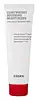
This acne moisturizer is formulated around Niacinamide and Salicylic Acid to clear breakouts and balance excess oil.
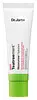
This calming moisturizer is formulated around Propolis Extract and Niacinamide to calm redness and clear breakouts.

What's inside
What's inside
 Key Ingredients
Benefits
Concerns
Ingredients Side-by-side
Melaleuca Alternifolia Leaf Extract
Perfuming
Glycerin
Humectant


Ethylhexyl Stearate
Emollient




Methylpropanediol
SolventNiacinamide
Smoothing









Trehalose
Humectant
Methyl Trimethicone
Skin Conditioning
Cetearyl Glucoside
Emulsifying
Sorbitan Olivate
Emulsifying
1,2-Hexanediol
Skin Conditioning
Water
Skin ConditioningCetearyl Alcohol
Emollient

Xanthan Gum
EmulsifyingCentella Asiatica Extract
Cleansing
Ficus Carica Fruit Extract
Humectant
Eclipta Prostrata Leaf Extract
Skin ConditioningLaminaria Japonica Extract
Skin Protecting
Gloiopeltis Furcata Extract
Skin ConditioningAllantoin
Skin Conditioning
Aloe Barbadensis Leaf Extract
Emollient
Anthemis Nobilis Flower Extract
Masking
Butylene Glycol
Humectant
Camellia Sinensis Leaf Extract
Antimicrobial
Carthamus Tinctorius Seed Oil
Masking
Ethylhexylglycerin
Skin ConditioningGlycyrrhiza Glabra Rhizome/Root
EmollientHamamelis Virginiana Extract
Antiseborrhoeic

Melaleuca Alternifolia Leaf Oil
Antioxidant
Amaranthus Caudatus Seed Extract
Skin Conditioning
Ulmus Davidiana Root Extract
Skin Conditioning
Cinnamomum Zeylanicum Bark Extract
Antimicrobial
Pinus Pinaster Bark Extract
Antioxidant
Hydrogenated Lecithin
Emulsifying
Sodium Polyacryloyldimethyl Taurate
Emulsion StabilisingSorbitan Stearate
Emulsifying
Caprylic/Capric Triglyceride
Masking
Glycine Soja Sterols
Emollient
Linoleic Acid
Cleansing
Phospholipids
Skin Conditioning
Disodium EDTA
Fructooligosaccharides
Humectant
Salicylic Acid
Masking

Beta-Glucan
Skin Conditioning
Hydrolyzed Hyaluronic Acid
Humectant
Capryloyl Glycine
CleansingCeramide NP
Skin Conditioning
Hexylene Glycol
EmulsifyingCamphor
Masking
Silica
Abrasive
Sarcosine
Skin Conditioning
4-Terpineol
Masking
Methyl Methacrylate Crosspolymer
Melaleuca Alternifolia Leaf Extract, Glycerin, Ethylhexyl Stearate, Methylpropanediol, Niacinamide, Trehalose, Methyl Trimethicone, Cetearyl Glucoside, Sorbitan Olivate, 1,2-Hexanediol, Water, Cetearyl Alcohol, Xanthan Gum, Centella Asiatica Extract, Ficus Carica Fruit Extract, Eclipta Prostrata Leaf Extract, Laminaria Japonica Extract, Gloiopeltis Furcata Extract, Allantoin, Aloe Barbadensis Leaf Extract, Anthemis Nobilis Flower Extract, Butylene Glycol, Camellia Sinensis Leaf Extract, Carthamus Tinctorius Seed Oil, Ethylhexylglycerin, Glycyrrhiza Glabra Rhizome/Root, Hamamelis Virginiana Extract, Melaleuca Alternifolia Leaf Oil, Amaranthus Caudatus Seed Extract, Ulmus Davidiana Root Extract, Cinnamomum Zeylanicum Bark Extract, Pinus Pinaster Bark Extract, Hydrogenated Lecithin, Sodium Polyacryloyldimethyl Taurate, Sorbitan Stearate, Caprylic/Capric Triglyceride, Glycine Soja Sterols, Linoleic Acid, Phospholipids, Disodium EDTA, Fructooligosaccharides, Salicylic Acid, Beta-Glucan, Hydrolyzed Hyaluronic Acid, Capryloyl Glycine, Ceramide NP, Hexylene Glycol, Camphor, Silica, Sarcosine, 4-Terpineol, Methyl Methacrylate Crosspolymer
Propolis Extract
Skin Conditioning
Aloe Barbadensis Leaf Water
MaskingCamellia Sinensis Leaf Water
Masking
Butylene Glycol
Humectant
Cetyl Ethylhexanoate
EmollientGlycerin
Humectant
1,2-Hexanediol
Skin Conditioning
Niacinamide
Smoothing
Hydroxyethyl Acrylate/Sodium Acryloyldimethyl Taurate Copolymer
Emulsion StabilisingCyclomethicone
Emollient
Cetearyl Olivate
Betaine
Humectant
Cetearyl Alcohol
Emollient
Sorbitan Olivate
Emulsifying
Panthenol
Skin Conditioning
Ethylhexylglycerin
Skin ConditioningAllantoin
Skin Conditioning
Xanthan Gum
EmulsifyingDimethicone/Vinyl Dimethicone Crosspolymer
Skin Conditioning
Sodium Hyaluronate
Humectant
Arginine
Masking
Zinc PCA
Humectant
Betaine Salicylate
Antimicrobial
Mentha Haplocalix Extract
MaskingMenthyl Lactate
Masking
Citric Acid
Buffering
Melaleuca Alternifolia Leaf Oil
Antioxidant
Asiaticoside
Antioxidant
Asiatic Acid
Skin Conditioning
Madecassic Acid
Skin Conditioning
Propolis Extract, Aloe Barbadensis Leaf Water, Camellia Sinensis Leaf Water, Butylene Glycol, Cetyl Ethylhexanoate, Glycerin, 1,2-Hexanediol, Niacinamide, Hydroxyethyl Acrylate/Sodium Acryloyldimethyl Taurate Copolymer, Cyclomethicone, Cetearyl Olivate, Betaine, Cetearyl Alcohol, Sorbitan Olivate, Panthenol, Ethylhexylglycerin, Allantoin, Xanthan Gum, Dimethicone/Vinyl Dimethicone Crosspolymer, Sodium Hyaluronate, Arginine, Zinc PCA, Betaine Salicylate, Mentha Haplocalix Extract, Menthyl Lactate, Citric Acid, Melaleuca Alternifolia Leaf Oil, Asiaticoside, Asiatic Acid, Madecassic Acid
Reviews
Ingredients Explained
These ingredients are found in both products.
Ingredients higher up in an ingredient list are typically present in a larger amount.
1,2-Hexanediol is a synthetic liquid and another multi-functional powerhouse.
It is a:
- Humectant, drawing moisture into the skin
- Emollient, helping to soften skin
- Solvent, dispersing and stabilizing formulas
- Preservative booster, enhancing the antimicrobial activity of other preservatives
Allantoin is a soothing ingredient known for its protective and moisturizing properties; it's basically a quiet workhorse ingredient you can find in a huge range of cosmetics.
Though it can be derived from the comfrey plant, allantoin is produced synthetically for cosmetic products to ensure purity.
Research shows it can encourage your skin cells to turn over and renew by stimulating keratinocyte and fibroblast proliferation.
It also has mild keratolytic properties to help loosen and shed dead skin cells without being harsh.
Studies also suggest allantoin can help calm inflammation by dialing down some of the chemical signals your skin sends out when it is irritated.
This ingredient is typically used in the 0.1-0.5% range, and the FDA recognizes it as a skin protectant in OTC products up to 2%.
Overall, allantoin is a wonderful addition to most routines; it is stable across a wide pH range (~4-8), works well with other ingredients, and is considered non-sensitizing/non-irritating.
Fun fact: Allantoin is naturally occurring in comfrey root, beets, chamomile, and wheat sprouts. Our bodies even produce it as a byproduct of uric acid metabolism.
Learn more about AllantoinButylene Glycol (or BG) is used within cosmetic products for a few different reasons:
Overall, Butylene Glycol is a safe and well-rounded ingredient that works well with other ingredients.
Though this ingredient works well with most skin types, some people with sensitive skin may experience a reaction such as allergic rashes, closed comedones, or itchiness.
Learn more about Butylene GlycolCetearyl alcohol is a waxy mixture of two fatty alcohols: cetyl alcohol and stearyl alcohol. It is an emollient and emulsifier.
Despite having "alcohol" in its name, it has nothing to do with drying solvent alcohols; the FDA also allows "alcohol-free" products to contain fatty alcohols like this ingredient.
It plays several roles in a formula:
Typical use levels for this ingredient sit around 1-10% and the Cosmetic Ingredient Review Expert Panel has affirmed safety at concentrations up to 25% in leave-on products.
Multiple assessments have found it to be non-irritating and non-sensitizing to most people.
However, there have been some cases of allergic contact dermatitis in patients with chronically compromised skin barriers.
Cetearyl alcohol has a comedogenic rating of 2 and irritancy rating of 1. Both of these numbers come from the 1989 study that used rabbit ears; a "2" means mildly comedogenic and a "1" means low irritancy.
Here's the catch: rabbit skin is more sensitive than human skin and throws a lot of false positives. A 1996 reappraisal found that ingredients rated 1-2 in the rabbit ear tests are generally safe for humans.
Remember comedogenic ratings are unable to assess the entire formula of a product or how it will react on your skin. Just be sure to patch test if you are unsure about certain ingredients.
This ingredient is not fungal acne safe. Cetearyl alcohol is a fatty alcohol with chain lengths that fall within the range that Malassezia can metabolize.
A 2019 study has also observed Malassezia growth in the presence of this ingredient, confirming it to be not-fungal acne safe.
Learn more about Cetearyl AlcoholEthylhexylglycerin is created from glycerin. It is a multitasker ingredient that:
The CIR Expert Panel found minimal skin absorption or sensitization of any kind in a safety assessment. Though this ingredient is considered well-tolerated, a small number of cases of allergic dermatitis have been published since 2002. Just be sure to patch test if you are unsure.
Industry-reported use ranges from 8% in rinse-off products and 2% in leave-on formulations.
Learn more about EthylhexylglycerinGlycerin (or glycerol) is a compound naturally found in your skin. It's a powerhouse humectant that pulls water into the stratum corneum.
Topically, glycerin does several things at once:
Your skin makes glycerin on its own (mostly from sebaceous oil breakdown) and shuttles it to your outermost layer of skin, or your epidermis, via aquaporin-3.
Aquaporin-3 is a transporter that is essential for normal skin hydration, elasticity, and repair. Interestingly, mice lacking in AQP3 have dry and less elastic skin that can be fully corrected with glycerin.
This ingredient is non-irritating, plays well with almost every ingredient, and works across all skin types. Typical use is anywhere between 3-10% but can go up to 79% in some leave-on products.
Just know very high concentrations (>40%) can feel tacky in low humidity.
Glycerin is the name for this ingredient in American English. British English uses Glycerol/Glycerine.
Learn more about GlycerinThis ingredient is also known as tea tree oil. It has antioxidant, anti-inflammatory, and antimicrobial properties.
Tea tree oil is a complex lipophilic (fat-loving) oil that contains around 100 compounds with terpinen-4-ol being the most abundant (~40%).
Terpinen-4-ol is responsible for tea tree oil's broad-spectrum antimicrobial activity and makes it a well-researched option for acne.
Clinical studies support 5% tea tree oil as an effective topical treatment for mild to moderate acne. A study with 124 patients compared 5% tea tree oil gel to 5% benzoyl peroxide and both reduced acne (though tea tree oil worked more slowly).
Besides acne, it is also seen in anti-dandruff shampoos and scalp treatments for it's antimicrobial and anti-seborrheic properties.
Safety-wise, the allergic potential of low concentrations on healthy skin is considered low. However, oxidized (old or improperly stored) tea tree oil is a stronger sensitizer.
Irritation can also occur if using the undiluted oil on skin; it's best to use this ingredient as part of a carefully crafted cosmetic formula. This is because regulations require tea tree oil in cosmetics to be stabilized to prevent degradation.
This ingredient has been deemed safe up to 2% in shampoo, 1% in cleansers, and 0.1% in face cream by the EU's Scientific Committee on Consumer Safety (SCCS).
There is some lab evidence that tea tree oil is antifungal against Malassezia, but it is a supportive option at best and not a replacement for proven antifungal treatments.
Learn more about Melaleuca Alternifolia Leaf OilNiacinamide is a multitasking form of vitamin B3 that strengthens the skin barrier, reduces pores and dark spots, regulates oil, and improves signs of aging.
And the best part? It's gentle and well-tolerated by most skin types, including sensitive and reactive skin.
You might have heard of "niacin flush", or the reddening of skin that causes itchiness. Niacinamide has not been found to cause this.
In very rare cases, some individuals may not be able to tolerate niacinamide at all or experience an allergic reaction to it.
If you are experiencing flaking, irritation, and dryness with this ingredient, be sure to double check all your products as this ingredient can be found in all categories of skincare.
When incorporating niacinamide into your routine, look out for concentration amounts. Typically, 5% niacinamide provides benefits such as fading dark spots. However, if you have sensitive skin, it is better to begin with a smaller concentration.
When you apply niacinamide to your skin, your body converts it into nicotinamide adenine dinucleotide (NAD). NAD is an essential coenzyme that is already found in your cells as "fuel" and powers countless biological processes.
In your skin, NAD helps repair cell damage, produce new healthy cells, support collagen production, strengthen the skin barrier, and fight environmental stressors (like UV and pollution).
Our natural NAD levels start to decline with age, leading to slower skin repair, visible aging, and a weaker skin barrier. By providing your skin niacinamide, you're recharging your skin's NAD levels. This leads to stronger, healthier, and younger looking skin.
Another name for vitamin B3 is nicotinamide. This vitamin is water-soluble and our bodies don't store it. We obtain Vitamin B3 from either food or skincare. Meat, fish, wheat, yeast, and leafy greens contain vitamin B3.
The type of niacinamide used in skincare is synthetically created.
Learn more about NiacinamideSorbitan Olivate is created from the fatty acids in olive oil and sorbitol.
This ingredient is an oil in water emulsifier. It helps stabilize a product by preventing oils and waters from separating. Sorbitan Olivate also helps hydrate the skin.
This ingredient is also known as part of Olivem 1000, with Cetearyl Olivate being the other part.
According to a manufacturer, this ingredient helps preserve the natural microbiome of skin. Having a healthy microbiome helps keep our skin healthy and protects against harmful bacteria.
Please note, having a healthy microbiome is different from fungal acne; a healthy microbiome includes small amounts of yeast that normally live on your skin without causing problems.
Fungal acne happens when one type of yeast (Malassezia) grows out of control. This is usually because it's feeding on certain oils or fatty acids. Due to the olive oil base, this ingredient may not be fungal acne safe.
Learn more about Sorbitan OlivateXanthan gum is used as a stabilizer and thickener within cosmetic products. It helps give products a sticky, thick feeling - preventing them from being too runny.
On the technical side of things, xanthan gum is a polysaccharide - a combination consisting of multiple sugar molecules bonded together.
Xanthan gum is a pretty common and great ingredient. It is a natural, non-toxic, non-irritating ingredient that is also commonly used in food products.
Learn more about Xanthan Gum

