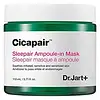
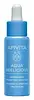
Dr. Jart+ Cicapair Sleepair Ampoule-in Mask Versus Apivita Natural Cosmetics Refreshing Hydrating Booster
This calming overnight mask is formulated around Houttuynia Cordata Extract and Niacinamide to calm redness and strengthen the skin barrier.
This hydrating serum is formulated around Inulin and Propolis Extract to hydrate skin and calm redness.


What's inside
What's inside
 Key Ingredients
Benefits
Concerns
Ingredients Side-by-side
Water
Skin ConditioningDipropylene Glycol
HumectantGlycerin
Humectant


Caprylyl Methicone
Skin Conditioning
1,2-Hexanediol
Skin Conditioning
Achillea Millefolium Oil
Cleansing



Houttuynia Cordata Extract
Skin Conditioning

Ilex Aquifolium Leaf Extract
Skin ConditioningNiacinamide
Smoothing







Trehalose
Humectant
Vinyldimethicone
Butylene Glycol
Humectant
Dimethiconol
Emollient
Cetyl Dimethicone
Emollient
Chondrus Crispus Extract
Skin Conditioning
Acrylates/C10-30 Alkyl Acrylate Crosspolymer
Emulsion StabilisingAmmonium Acryloyldimethyltaurate/Vp Copolymer
Polyvinyl Alcohol
Saccharum Officinarum Extract
MoisturisingTromethamine
BufferingCaprylyl Glycol
Emollient
Hydroxyethyl Acrylate/Sodium Acryloyldimethyl Taurate Copolymer
Emulsion StabilisingPolyisobutene
Hedera Helix Extract
AntimicrobialStreptococcus Thermophilus Ferment
Humectant

Melia Azadirachta Leaf Extract
Skin ConditioningMelia Azadirachta Flower Extract
Skin ConditioningAdenosine
Skin Conditioning
Disodium EDTA
ChelatingPanthenol
Skin Conditioning
Caprylyl/Capryl Glucoside
CleansingSorbitan Oleate
Emulsifying

Madecassoside
Antioxidant
Curcuma Longa Root Extract
Antioxidant
Ocimum Sanctum Leaf Extract
Skin ConditioningFusidium Coccineum Ferment Filtrate
Skin ConditioningEthylhexylglycerin
Skin ConditioningCoccinia Indica Fruit Extract
Skin Conditioning
DNA
Skin ConditioningAmber Powder
Solanum Melongena Fruit Extract
Skin ConditioningDextrin
AbsorbentTheobroma Cacao Seed Extract
Antioxidant
Corallina Officinalis Extract
Skin Conditioning
Moringa Oleifera Seed Oil
Emollient
Methylpropanediol
SolventCentella Asiatica Leaf Extract
Skin Conditioning
Bamboo Vinegar
AntimicrobialAsiatic Acid
Skin Conditioning
Madecassic Acid
Skin Conditioning
Calcium Chloride
AstringentCentella Asiatica Extract
Cleansing
Eryngium Maritimum Callus Culture Filtrate
Skin ConditioningWater, Dipropylene Glycol, Glycerin, Caprylyl Methicone, 1,2-Hexanediol, Achillea Millefolium Oil, Houttuynia Cordata Extract, Ilex Aquifolium Leaf Extract, Niacinamide, Trehalose, Vinyldimethicone, Butylene Glycol, Dimethiconol, Cetyl Dimethicone, Chondrus Crispus Extract, Acrylates/C10-30 Alkyl Acrylate Crosspolymer, Ammonium Acryloyldimethyltaurate/Vp Copolymer, Polyvinyl Alcohol, Saccharum Officinarum Extract, Tromethamine, Caprylyl Glycol, Hydroxyethyl Acrylate/Sodium Acryloyldimethyl Taurate Copolymer, Polyisobutene, Hedera Helix Extract, Streptococcus Thermophilus Ferment, Melia Azadirachta Leaf Extract, Melia Azadirachta Flower Extract, Adenosine, Disodium EDTA, Panthenol, Caprylyl/Capryl Glucoside, Sorbitan Oleate, Madecassoside, Curcuma Longa Root Extract, Ocimum Sanctum Leaf Extract, Fusidium Coccineum Ferment Filtrate, Ethylhexylglycerin, Coccinia Indica Fruit Extract, DNA, Amber Powder, Solanum Melongena Fruit Extract, Dextrin, Theobroma Cacao Seed Extract, Corallina Officinalis Extract, Moringa Oleifera Seed Oil, Methylpropanediol, Centella Asiatica Leaf Extract, Bamboo Vinegar, Asiatic Acid, Madecassic Acid, Calcium Chloride, Centella Asiatica Extract, Eryngium Maritimum Callus Culture Filtrate
Water
Skin ConditioningCaprylic/Capric/Succinic Triglyceride
EmollientPropanediol
Solvent
Inulin
Skin Conditioning
Mel
EmollientPropolis Extract
Skin Conditioning
Cistus Incanus Flower/Leaf/Stem Extract
Skin ConditioningIris Versicolor Extract
EmollientChlorella Vulgaris Extract
Skin ConditioningRosa Canina Fruit Extract
Astringent
Sodium Hyaluronate
Humectant
Aloe Barbadensis Leaf Juice Powder
Skin Conditioning
Helianthus Annuus Seed Oil
Emollient
Rosa Damascena Flower Oil
Masking
Allantoin
Skin Conditioning
Tocopherol
Antioxidant
Fructose
Humectant
Saccharide Hydrolysate
HumectantTocopheryl Acetate
Antioxidant
Glycerin
Humectant
Polyacrylate Crosspolymer-6
Emulsion StabilisingHydroxypropyl Cyclodextrin
MaskingLactic Acid
Buffering
Hydroxyacetophenone
Antioxidant
Ethylhexylglycerin
Skin ConditioningDisodium EDTA
ChelatingCitronellyl Methylcrotonate
Masking
Sodium Hydroxide
BufferingParfum
Masking
Geraniol
Perfuming
Citronellol
Perfuming
Linalool
Perfuming
Limonene
Perfuming
Water, Caprylic/Capric/Succinic Triglyceride, Propanediol, Inulin, Mel, Propolis Extract, Cistus Incanus Flower/Leaf/Stem Extract, Iris Versicolor Extract, Chlorella Vulgaris Extract, Rosa Canina Fruit Extract, Sodium Hyaluronate, Aloe Barbadensis Leaf Juice Powder, Helianthus Annuus Seed Oil, Rosa Damascena Flower Oil, Allantoin, Tocopherol, Fructose, Saccharide Hydrolysate, Tocopheryl Acetate, Glycerin, Polyacrylate Crosspolymer-6, Hydroxypropyl Cyclodextrin, Lactic Acid, Hydroxyacetophenone, Ethylhexylglycerin, Disodium EDTA, Citronellyl Methylcrotonate, Sodium Hydroxide, Parfum, Geraniol, Citronellol, Linalool, Limonene
Reviews
Ingredients Explained
These ingredients are found in both products.
Ingredients higher up in an ingredient list are typically present in a larger amount.
Disodium EDTA is a chelating agent. It grabs onto and deactivates metal ions that sneak into your products from water, packaging, or air.
This ingredient mainly works behind the scenes and helps with:
On top of that, this ingredient can counteract the effects of hard water by binding to the minerals in it.
One thing worth knowing is that Disodium EDTA has been shown to be a mild penetration enhancer. It can help other ingredients absorb into skin more effectively which can be a double-edged sword (great for actives, but can also make the active too strong if you have sensitive skin).
Clinical patch testing showed no significant skin irritation at typical use concentrations and minimal dermal absorption.
You'll most likely see this ingredient near the end of an ingredient list. It's typically found in concentrations less than 1%.
Learn more about Disodium EDTAEthylhexylglycerin is created from glycerin. It is a multitasker ingredient that:
The CIR Expert Panel found minimal skin absorption or sensitization of any kind in a safety assessment. Though this ingredient is considered well-tolerated, a small number of cases of allergic dermatitis have been published since 2002. Just be sure to patch test if you are unsure.
Industry-reported use ranges from 8% in rinse-off products and 2% in leave-on formulations.
Learn more about EthylhexylglycerinGlycerin (or glycerol) is a compound naturally found in your skin. It's a powerhouse humectant that pulls water into the stratum corneum.
Topically, glycerin does several things at once:
Your skin makes glycerin on its own (mostly from sebaceous oil breakdown) and shuttles it to your outermost layer of skin, or your epidermis, via aquaporin-3.
Aquaporin-3 is a transporter that is essential for normal skin hydration, elasticity, and repair. Interestingly, mice lacking in AQP3 have dry and less elastic skin that can be fully corrected with glycerin.
This ingredient is non-irritating, plays well with almost every ingredient, and works across all skin types. Typical use is anywhere between 3-10% but can go up to 79% in some leave-on products.
Just know very high concentrations (>40%) can feel tacky in low humidity.
Glycerin is the name for this ingredient in American English. British English uses Glycerol/Glycerine.
Learn more about GlycerinWater. It's the most common cosmetic ingredient of all. You'll usually see it at the top of ingredient lists, meaning that it makes up the largest part of the product.
So why is it so popular? Water most often acts as a solvent - this means that it helps dissolve other ingredients into the formulation.
You'll also recognize water as that liquid we all need to stay alive. If you see this, drink a glass of water. Remember to stay hydrated!
Learn more about Water

