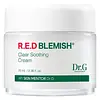
This calming moisturizer is formulated around Niacinamide and Panthenol to calm redness and strengthen the skin barrier.
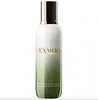
This hydrating emulsion is formulated around Squalane and Acetyl Hexapeptide-8 to hydrate skin and strengthen the skin barrier.


What's inside
What's inside
 Key Ingredients
Benefits
Concerns
Ingredients Side-by-side
Water
Skin ConditioningGlycerin
Humectant


Butylene Glycol
Humectant
Dicaprylyl Ether
Emollient
Niacinamide
Smoothing









1,2-Hexanediol
Skin Conditioning
Hydrogenated Polydecene
EmollientPentylene Glycol
Skin Conditioning
Dicaprylyl Carbonate
EmollientVinyldimethicone

Caprylyl Methicone
Skin Conditioning
Hydroxyethyl Acrylate/Sodium Acryloyldimethyl Taurate Copolymer
Emulsion StabilisingPanthenol
Skin Conditioning
Acrylates/C10-30 Alkyl Acrylate Crosspolymer
Emulsion StabilisingDimethiconol
Emollient
Polymethylsilsesquioxane
Tromethamine
BufferingDipotassium Glycyrrhizate
Humectant
Glyceryl Acrylate/Acrylic Acid Copolymer
HumectantEthylhexylglycerin
Skin ConditioningXanthan Gum
EmulsifyingCentella Asiatica Leaf Extract
Skin Conditioning
Fructooligosaccharides
Humectant
Sodium Phytate
ChelatingAllantoin
Skin Conditioning
Lactobacillus Ferment
Skin Conditioning
Lactobacillus/Soybean Ferment Extract
Skin ConditioningLeuconostoc/Radish Root Ferment Filtrate
Antimicrobial

Yeast Ferment Extract
Skin ConditioningTocopherol
Antioxidant

Epigallocatechin Gallate
Antioxidant
Madecassoside
Antioxidant
Beta-Glucan
Skin Conditioning
Centella Asiatica Extract
Cleansing
Asiaticoside
Antioxidant
Madecassic Acid
Skin Conditioning
Asiatic Acid
Skin Conditioning
Water, Glycerin, Butylene Glycol, Dicaprylyl Ether, Niacinamide, 1,2-Hexanediol, Hydrogenated Polydecene, Pentylene Glycol, Dicaprylyl Carbonate, Vinyldimethicone, Caprylyl Methicone, Hydroxyethyl Acrylate/Sodium Acryloyldimethyl Taurate Copolymer, Panthenol, Acrylates/C10-30 Alkyl Acrylate Crosspolymer, Dimethiconol, Polymethylsilsesquioxane, Tromethamine, Dipotassium Glycyrrhizate, Glyceryl Acrylate/Acrylic Acid Copolymer, Ethylhexylglycerin, Xanthan Gum, Centella Asiatica Leaf Extract, Fructooligosaccharides, Sodium Phytate, Allantoin, Lactobacillus Ferment, Lactobacillus/Soybean Ferment Extract, Leuconostoc/Radish Root Ferment Filtrate, Yeast Ferment Extract, Tocopherol, Epigallocatechin Gallate, Madecassoside, Beta-Glucan, Centella Asiatica Extract, Asiaticoside, Madecassic Acid, Asiatic Acid
Water
Skin ConditioningAlgae Extract
Emollient

Squalane
Emollient
Butylene Glycol
Humectant
Glycerin
Humectant
Limnanthes Alba Seed Oil
Skin Conditioning
Bis-Diglyceryl Polyacyladipate-2
Emollient
Phenyl Trimethicone
Skin Conditioning
Hydrogenated Lecithin
Emulsifying
Sesamum Indicum Seed Oil
Emollient
Medicago Sativa Seed Powder
Skin ConditioningHelianthus Annuus Seedcake
Abrasive
Prunus Amygdalus Dulcis Seed Meal
Abrasive
Eucalyptus Globulus Leaf Oil
Perfuming



Sodium Gluconate
ChelatingCopper Gluconate
Skin Conditioning
Calcium Gluconate
HumectantMagnesium Gluconate
Skin ConditioningZinc Gluconate
Skin Conditioning
Tocopheryl Succinate
Antioxidant
Niacin
SmoothingSesamum Indicum Seed Powder
Skin ConditioningMacrocystis Pyrifera Extract
Skin Conditioning
Hydrolyzed Soy Protein
Humectant
Soy Amino Acids
Skin ConditioningLaminaria Digitata Extract
Skin Protecting
Olea Europaea Fruit Oil
Masking
Hydrolyzed Rice Extract
Skin Conditioning
Acetyl Hexapeptide-8
Humectant
Citrus Aurantifolia Peel Extract
Cleansing
Lactobacillus Ferment
Skin Conditioning
Sodium Hyaluronate
Humectant
Olea Europaea Fruit Extract
BleachingCaffeine
Skin Conditioning
Sigesbeckia Orientalis Extract
Skin ConditioningCentaurium Erythraea Extract
Skin ConditioningTriticum Vulgare Bran Extract
Skin ConditioningFaex Extract
Skin ConditioningTocopheryl Acetate
Antioxidant
Trehalose
Humectant
Dipotassium Glycyrrhizate
Humectant
Caprylic/Capric Triglyceride
Masking
Ammonium Acryloyldimethyltaurate/Vp Copolymer
Polyacrylate Crosspolymer-6
Emulsion StabilisingTetrahexyldecyl Ascorbate
Antioxidant
Sucrose
Humectant
Dimethicone
Emollient
Xanthan Gum
EmulsifyingAlcohol Denat.
Antimicrobial

T-Butyl Alcohol
Perfuming
Parfum
Masking
Linalool
Perfuming
Hydroxycitronellal
Perfuming
Citronellol
Perfuming
Geraniol
Perfuming
Limonene
Perfuming
Disodium EDTA
ChelatingBHT
Antioxidant
Potassium Sorbate
Preservative
Phenoxyethanol
Preservative
Water, Algae Extract, Squalane, Butylene Glycol, Glycerin, Limnanthes Alba Seed Oil, Bis-Diglyceryl Polyacyladipate-2, Phenyl Trimethicone, Hydrogenated Lecithin, Sesamum Indicum Seed Oil, Medicago Sativa Seed Powder, Helianthus Annuus Seedcake, Prunus Amygdalus Dulcis Seed Meal, Eucalyptus Globulus Leaf Oil, Sodium Gluconate, Copper Gluconate, Calcium Gluconate, Magnesium Gluconate, Zinc Gluconate, Tocopheryl Succinate, Niacin, Sesamum Indicum Seed Powder, Macrocystis Pyrifera Extract, Hydrolyzed Soy Protein, Soy Amino Acids, Laminaria Digitata Extract, Olea Europaea Fruit Oil, Hydrolyzed Rice Extract, Acetyl Hexapeptide-8, Citrus Aurantifolia Peel Extract, Lactobacillus Ferment, Sodium Hyaluronate, Olea Europaea Fruit Extract, Caffeine, Sigesbeckia Orientalis Extract, Centaurium Erythraea Extract, Triticum Vulgare Bran Extract, Faex Extract, Tocopheryl Acetate, Trehalose, Dipotassium Glycyrrhizate, Caprylic/Capric Triglyceride, Ammonium Acryloyldimethyltaurate/Vp Copolymer, Polyacrylate Crosspolymer-6, Tetrahexyldecyl Ascorbate, Sucrose, Dimethicone, Xanthan Gum, Alcohol Denat., T-Butyl Alcohol, Parfum, Linalool, Hydroxycitronellal, Citronellol, Geraniol, Limonene, Disodium EDTA, BHT, Potassium Sorbate, Phenoxyethanol
Reviews
Ingredients Explained
These ingredients are found in both products.
Ingredients higher up in an ingredient list are typically present in a larger amount.
Butylene Glycol (or BG) is used within cosmetic products for a few different reasons:
Overall, Butylene Glycol is a safe and well-rounded ingredient that works well with other ingredients.
Though this ingredient works well with most skin types, some people with sensitive skin may experience a reaction such as allergic rashes, closed comedones, or itchiness.
Learn more about Butylene GlycolDipotassium Glycyrrhizate comes from licorice root.
Extracts of licorice have demonstrated to have antibacterial, anti‐inflammatory, antiviral, antioxidant properties.
One component, glabridin, has extra potent antioxidant and soothing properties. It has also been found to block pigmentation from UVB rays in guinea pigs.
Licorice Root also contains a flavonoid. Flavonoids are a natural substance from in plants. Flavonoids also have antioxidant properties.
Another component, glycyrrhizin, has been found to have anti-inflammatory and antimicrobial benefits. This may make licorice root extract effective at treating acne. However, more research is needed to support this.
Liquiritin is one of the flavone compounds found in licorice. It has been found to help lighten skin by preventing tyrosinase from reacting with tyrosine. When the two react, protein is converted to melanin. Melanin is the substance in your body that gives your features pigmentation.
Licorice root is native to Southern Europe and Asia. It has been used in traditional Chinese medicine to help with respiratory issues.
Learn more about Dipotassium GlycyrrhizateGlycerin (or glycerol) is a compound naturally found in your skin. It's a powerhouse humectant that pulls water into the stratum corneum.
Topically, glycerin does several things at once:
Your skin makes glycerin on its own (mostly from sebaceous oil breakdown) and shuttles it to your outermost layer of skin, or your epidermis, via aquaporin-3.
Aquaporin-3 is a transporter that is essential for normal skin hydration, elasticity, and repair. Interestingly, mice lacking in AQP3 have dry and less elastic skin that can be fully corrected with glycerin.
This ingredient is non-irritating, plays well with almost every ingredient, and works across all skin types. Typical use is anywhere between 3-10% but can go up to 79% in some leave-on products.
Just know very high concentrations (>40%) can feel tacky in low humidity.
Glycerin is the name for this ingredient in American English. British English uses Glycerol/Glycerine.
Learn more about GlycerinThis ingredient is made when the Lactobacillus bacteria (the same kind that makes yogurt and kimchi) are allowed to ferment a nutrient medium.
As it ferments, it collects lactic acid, peptides, enzymes, and other bioactive metabolites to provide:
A 2023 review noted that probiotic fermentation ingredients like this one can enhance antioxidant capacity, reduce UV-induced oxidative damage, and support barrier function.
One clinical study from the same year showed a Lactobacillus ferment lysate significantly reduced transepidermal water loss and improved skin hydration.
Another review highlighted that topical Lactobacillus-based preparations can improve ceramide levels in the stratum corneum, support barrier integrity, and even help reduce S. aureus colonization in atopic dermatitis.
Why is this so cool?
Basically, your skin's outer layer works as a brick wall; skin cells are bricks and ceramides are the mortar holding it together. Moisture escapes, irritants get in, and your skin gets dry and reactive when ceramide levels drop. On top of that, "bad" skin bacteria S. aureus loves to move in when your barrier is weak to make inflammation and irritation worse.
So Lactobacillus ferment is basically patching the wall and evicting the troublemaker when it boosts ceramide production and help keep S. aureus in check.
On top of all this, it also acts as a mild antimicrobial preservative booster.
Just so you know, most studies focus on specific strains or the lysate form rather than this generic "Lactobacillus Ferment", so results can vary.
Though it's a promising ingredient, it doesn't have decades of robust clinical data behind it just yet.
Lactobacillus Ferment is generally considered safe for fungal-acne prone skin. The key thing to understand is that it comes from bacteria, not yeast or fungus.
Yeast-derived ferments (like galactomyces) have been shown to activate a protein that's linked to Malassezia-related skin issues whereas lactobacillus doesn't have that problem.
Its byproducts also don't contain the types of fatty acids (C11-24 chain lengths) that Malassezia feeds on.
Learn more about Lactobacillus FermentWater. It's the most common cosmetic ingredient of all. You'll usually see it at the top of ingredient lists, meaning that it makes up the largest part of the product.
So why is it so popular? Water most often acts as a solvent - this means that it helps dissolve other ingredients into the formulation.
You'll also recognize water as that liquid we all need to stay alive. If you see this, drink a glass of water. Remember to stay hydrated!
Learn more about WaterXanthan gum is used as a stabilizer and thickener within cosmetic products. It helps give products a sticky, thick feeling - preventing them from being too runny.
On the technical side of things, xanthan gum is a polysaccharide - a combination consisting of multiple sugar molecules bonded together.
Xanthan gum is a pretty common and great ingredient. It is a natural, non-toxic, non-irritating ingredient that is also commonly used in food products.
Learn more about Xanthan Gum

