This oil-based makeup remover is made to dissolve makeup, sunscreen, and daily buildup.
This oil-based cleanser uses mild cleansing ingredients, but contains alcohol that may feel drying for some.


What's inside
What's inside
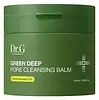 Key Ingredients
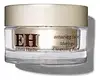
Benefits
Concerns
Ingredients Side-by-side
Cetyl Ethylhexanoate
EmollientEthylhexyl Palmitate
Emollient




PEG-20 Glyceryl Triisostearate
Emollient
Synthetic Wax
Abrasive
Caprylic/Capric Triglyceride
Masking


Helianthus Annuus Seed Oil
Emollient
Sorbitan Sesquioleate
Emulsifying
Candida Bombicola/Glucose/Methyl Rapeseedate Ferment
AntimicrobialVitis Vinifera Seed Oil
Emollient
Parfum
Masking


Hydrogenated Poly(C6-20 Olefin)
Abrasive
Triethylhexanoin
MaskingEthylhexylglycerin
Skin ConditioningHdi/Trimethylol Hexyllactone Crosspolymer
Melia Azadirachta Leaf Extract
Skin ConditioningGlycine Soja Oil
Emollient

Melia Azadirachta Flower Extract
Skin ConditioningCamellia Sinensis Seed Oil
Humectant
Macadamia Ternifolia Seed Oil
Emollient
Coccinia Indica Fruit Extract
Skin Conditioning
Water
Skin ConditioningSolanum Melongena Fruit Extract
Skin ConditioningAmber Powder
Bixa Orellana Seed Oil
Emollient
Butylene Glycol
Humectant
Glycine Soja Sterols
Emollient
Curcuma Longa Root Extract
Antioxidant
Ocimum Sanctum Leaf Extract
Skin ConditioningHexyl Laurate
Emollient
Moringa Oleifera Seed Oil
Emollient
Corallina Officinalis Extract
Skin Conditioning
Tocopherol
Antioxidant


Butyl Avocadate
Skin Conditioning
Persea Gratissima Oil
Skin Conditioning
Saponaria Officinalis Leaf Extract
AntimicrobialQuillaja Saponaria Bark Extract
CleansingCetearyl Alcohol
Emollient
Salix Alba Bark Extract
Astringent
Ascorbyl Palmitate
Antioxidant

Hydrogenated Palm Glycerides Citrate
Emollient
Cetyl Ethylhexanoate, Ethylhexyl Palmitate, PEG-20 Glyceryl Triisostearate, Synthetic Wax, Caprylic/Capric Triglyceride, Helianthus Annuus Seed Oil, Sorbitan Sesquioleate, Candida Bombicola/Glucose/Methyl Rapeseedate Ferment, Vitis Vinifera Seed Oil, Parfum, Hydrogenated Poly(C6-20 Olefin), Triethylhexanoin, Ethylhexylglycerin, Hdi/Trimethylol Hexyllactone Crosspolymer, Melia Azadirachta Leaf Extract, Glycine Soja Oil, Melia Azadirachta Flower Extract, Camellia Sinensis Seed Oil, Macadamia Ternifolia Seed Oil, Coccinia Indica Fruit Extract, Water, Solanum Melongena Fruit Extract, Amber Powder, Bixa Orellana Seed Oil, Butylene Glycol, Glycine Soja Sterols, Curcuma Longa Root Extract, Ocimum Sanctum Leaf Extract, Hexyl Laurate, Moringa Oleifera Seed Oil, Corallina Officinalis Extract, Tocopherol, Butyl Avocadate, Persea Gratissima Oil, Saponaria Officinalis Leaf Extract, Quillaja Saponaria Bark Extract, Cetearyl Alcohol, Salix Alba Bark Extract, Ascorbyl Palmitate, Hydrogenated Palm Glycerides Citrate
Vitis Vinifera Seed Oil
Emollient
Prunus Amygdalus Dulcis Oil
Skin Conditioning
Caprylic/Capric Triglyceride
Masking
Cetearyl Alcohol
Emollient
PEG-8 Beeswax
Emulsifying
PEG-6 Caprylic/Capric Glycerides
EmulsifyingPEG-60 Almond Glycerides
Emulsifying
Sorbitan Stearate
Emulsifying
Palmitic/Stearic Triglyceride
Limonene
Perfuming
Citrus Aurantium Dulcis Peel Oil
Masking
Silica
Abrasive
Glycerin
Humectant
Phenoxyethanol
Preservative
Benzyl Alcohol
Perfuming
Citrus Aurantium Bergamia Fruit Oil
Masking
Citrus Aurantium Amara Flower Oil
Masking
Citrus Nobilis Peel Oil
Masking
Juniperus Virginiana Oil
Masking
Water
Skin ConditioningLecithin
Emollient
Linalool
Perfuming
Butylene Glycol
Humectant
Octyldodecyl PCA
EmollientMenthyl PCA
HumectantTocopherol
Antioxidant
Ascorbyl Palmitate
Antioxidant
Crithmum Maritimum Extract
Skin ConditioningHelianthus Annuus Seed Oil
Emollient
Moringa Oleifera Seed Extract
Skin Conditioning
Jasminum Officinale Flower Oil
Perfuming
Rosa Damascena Flower Oil
Masking
Disodium Phosphate
BufferingCitronellol
Perfuming
Citric Acid
Buffering
Geraniol
Perfuming
Citral
Perfuming
Vitis Vinifera Seed Oil, Prunus Amygdalus Dulcis Oil, Caprylic/Capric Triglyceride, Cetearyl Alcohol, PEG-8 Beeswax, PEG-6 Caprylic/Capric Glycerides, PEG-60 Almond Glycerides, Sorbitan Stearate, Palmitic/Stearic Triglyceride, Limonene, Citrus Aurantium Dulcis Peel Oil, Silica, Glycerin, Phenoxyethanol, Benzyl Alcohol, Citrus Aurantium Bergamia Fruit Oil, Citrus Aurantium Amara Flower Oil, Citrus Nobilis Peel Oil, Juniperus Virginiana Oil, Water, Lecithin, Linalool, Butylene Glycol, Octyldodecyl PCA, Menthyl PCA, Tocopherol, Ascorbyl Palmitate, Crithmum Maritimum Extract, Helianthus Annuus Seed Oil, Moringa Oleifera Seed Extract, Jasminum Officinale Flower Oil, Rosa Damascena Flower Oil, Disodium Phosphate, Citronellol, Citric Acid, Geraniol, Citral
Reviews
Ingredients Explained
These ingredients are found in both products.
Ingredients higher up in an ingredient list are typically present in a larger amount.
Ascorbyl Palmitate is a fat-soluble form of vitamin C (Ascorbic Acid) made by combining it with palmitic acid.
It is able to blend easily into creams and oil-based formulas because it dissolves in oils rather than water.
As you may know, regular vitamin C is notorious for breaking down when exposed to sunlight and air. Ascorbyl Palmitate is more stable and degrades at a slower rate.
Research on whether it converts efficiently into active vitamin C once it's applied on your skin is still limited.
Some in-vitro studies suggest it may support collagen production, but it is not considered one of the stronger vitamin C derivatives, like:
Due to the palmitic acid base, this ingredient may not be fungal acne safe. Comedogenic studies have also shown this ingredient to have a rating of 2.
It's also worth keeping in mind that comedogenic and irritancy ratings are tested on individual ingredients, not finished formulas. The final product's formulation, concentration, and other ingredients all play a role in how something actually behaves on your skin.
Learn more about Ascorbyl PalmitateButylene Glycol (or BG) is used within cosmetic products for a few different reasons:
Overall, Butylene Glycol is a safe and well-rounded ingredient that works well with other ingredients.
Though this ingredient works well with most skin types, some people with sensitive skin may experience a reaction such as allergic rashes, closed comedones, or itchiness.
Learn more about Butylene GlycolCaprylic/Capric Triglyceride (aka MCT Oil) is a lightweight emollient, solvent, and texture enhancer. It is considered a skin-softener by helping to prevent moisture loss.
Though it behaves like an oil, it is not technically one due to its chemical composition. One perk of this ingredient is that it is very stable, resistant to oxidation, and unlikely to go rancid.
In practice, that translates to a long shelf life and a consistently elegant skin feel.
While there is an assumption Caprylic Triglyceride can clog pores due to it being derived from coconut oil, there is no research supporting this. Just patch test if you have concerns.
Fractionated coconut oil and MCT Oil are both listed as Caprylic/Capric Triglyceride according to INCI. This is because INCI names are based on the ingredient’s final chemical composition and not its marketing name or source.
This ingredient is treated as the gold standard fungal acne safe oil. Even though it is coconut derived, the problematic lauric acid is stripped out.
This leaves just caprylic (C8) and capric (C10) acid. These chain lengths actually trend antifungal; a 2020 study found caprylic acid was enough to disrupt Malassezia furfur cell membrane, with a caprylic acid derivative damaging membrane structures at concentrations as low as 0.2%.
Learn more about Caprylic/Capric TriglycerideCetearyl alcohol is a waxy mixture of two fatty alcohols: cetyl alcohol and stearyl alcohol. It is an emollient and emulsifier.
Despite having "alcohol" in its name, it has nothing to do with drying solvent alcohols; the FDA also allows "alcohol-free" products to contain fatty alcohols like this ingredient.
It plays several roles in a formula:
Typical use levels for this ingredient sit around 1-10% and the Cosmetic Ingredient Review Expert Panel has affirmed safety at concentrations up to 25% in leave-on products.
Multiple assessments have found it to be non-irritating and non-sensitizing to most people.
However, there have been some cases of allergic contact dermatitis in patients with chronically compromised skin barriers.
Cetearyl alcohol has a comedogenic rating of 2 and irritancy rating of 1. Both of these numbers come from the 1989 study that used rabbit ears; a "2" means mildly comedogenic and a "1" means low irritancy.
Here's the catch: rabbit skin is more sensitive than human skin and throws a lot of false positives. A 1996 reappraisal found that ingredients rated 1-2 in the rabbit ear tests are generally safe for humans.
Remember comedogenic ratings are unable to assess the entire formula of a product or how it will react on your skin. Just be sure to patch test if you are unsure about certain ingredients.
This ingredient is not fungal acne safe. Cetearyl alcohol is a fatty alcohol with chain lengths that fall within the range that Malassezia can metabolize.
A 2019 study has also observed Malassezia growth in the presence of this ingredient, confirming it to be not-fungal acne safe.
Learn more about Cetearyl AlcoholHelianthus Annuus Seed Oil is a plant oil derived from the seeds of a sunflower.
It is rich in fatty acids, primarily linoleic acid and oleic acid. This gives it emollient and skin conditioning properties.
The reason this ingredient is so effective is because it forms a thin film on the skin that reduces transepidermal water loss (TEWL) while supplying linoleic acid to the stratum corneum to improve barrier strength.
The high linoleic acid content is particularly noteworthy for acne-prone skin.
Research suggests that acne-prone skin tends to be deficient in linoleic acid in sebum. Topical application may help replenish this to support a healthier follicular environment and less comedone-promoting sebum.
One randomized study found sunflower seed oil preserved skin barrier integrity in adult volunteers with and without atopic dermatitis (outperforming olive oil).
This ingredient is well-studied, gentle, and an effective emollient suitable for most skin types.
On fungal acne: This ingredient may not be Fungal acne (Malassezia folliculitis) safe. This is because it contains fatty acids with carbon chain lengths in the C11-C24 range.
Learn more about Helianthus Annuus Seed OilTocopherol is a fat-soluble antioxidant known as Vitamin E.
You'll find this ingredient in the vast majority of skincare (for good reason). It works to neutralize free radicals, or unstable molecules generated by UV exposure, pollution, and other environmental stressors, before they can cause oxidative damage to your skin cells.
Topically applied tocopherol has been shown to protect against UV damage by ramping up the skin's own natural defense enzymes.
It also acts as a skin conditioning agent; some studies show that regular topical use can improve the skin's water-binding capacity over 2-4 weeks.
This ingredient is especially loved for being a team player. When combined with Vitamin C, the photoprotective effect of both ingredients roughly doubles and the combo also helps reduce UV-induced DNA damage.
This ingredient has some brightening potential but it's more of a prevention ingredient than spot-fader. Cell studies show it can slow down melanin production but it's worth noting that it's not the most powerful brightener out there.
In formulations, it also serves as a stabilizer that helps protect other oxidation-prone ingredients from degrading.
Concentrations usually range from 0.1-1% in most leave-on products.
Learn more about TocopherolVitis Vinifera Seed Oil comes from the grape vine. Grape seeds are a byproduct of creating grape juice or wine.
The components of grape seeds have many skin benefits. Research has found it to be antimicrobial and anti-inflammatory. It also contains many potent antioxidants such as Vitamin E , Vitamin C, proanthocyanidins, polyphenols, flavonoids, and anthocyanins. Proanthocyanidin has been shown to help even out skin tone.
Antioxidants help fight free-radical molecules. Free-radical molecules are capable of damaging our cells and other genetic material. Antioxidants help stabilize free-radicals by donating extra electrons. Grape seed extract may help reduce the signs of aging.
The antimicrobial properties of grape seed may help treat acne. However, more research is needed to support this claim.
Grape seed has also been found to help absorb UV rays. Grape seed extract should not replace your sunscreen.
The fatty acids of grape seed oil give it emollient properties. Emollients help soothe and soften your skin by creating a film. This film traps moisture within, keeping your skin hydrated.
Learn more about Vitis Vinifera Seed OilWater. It's the most common cosmetic ingredient of all. You'll usually see it at the top of ingredient lists, meaning that it makes up the largest part of the product.
So why is it so popular? Water most often acts as a solvent - this means that it helps dissolve other ingredients into the formulation.
You'll also recognize water as that liquid we all need to stay alive. If you see this, drink a glass of water. Remember to stay hydrated!
Learn more about Water

