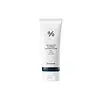
This mild foaming cleanser is made to cleanse while respecting your skin barrier.
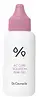
This salicylic acid gel cleanser is formulated around Salicylic Acid to clear breakouts and unclog pores.

What's inside
What's inside
 Key Ingredients
Benefits
Concerns
Ingredients Side-by-side
Water
Skin ConditioningGlycerin
Humectant


Sodium Cocoyl Alaninate
Surfactant
Sodium Methyl Cocoyl Taurate
Cleansing
Lauryl Glucoside
CleansingAcrylates/C10-30 Alkyl Acrylate Crosspolymer
Emulsion StabilisingQuillaja Saponaria Bark Extract
CleansingSpirulina Platensis Extract
Skin ProtectingBifida Ferment Filtrate
Skin Conditioning
Lactobacillus Ferment
Skin Conditioning
Lactobacillus Ferment Lysate
Skin Conditioning
Lactobacillus/Acerola Cherry Ferment
Skin ProtectingLactobacillus/Punica Granatum Fruit Ferment Extract
Antioxidant

Lactobacillus/Soybean Ferment Extract
Skin ConditioningLactococcus Ferment
Skin ConditioningLactococcus Ferment Lysate
Skin Conditioning
Leuconostoc/Radish Root Ferment Filtrate
Antimicrobial

Caprylyl Glycol
Emollient
Lauryl Hydroxysultaine
CleansingButylene Glycol
Humectant
Coco-Glucoside
Cleansing
Glyceryl Caprylate
EmollientPolyglyceryl-10 Laurate
Skin Conditioning
Menthyl Lactate
Masking
Styrene/Acrylates Copolymer
Sodium Cocoyl Isethionate
Cleansing
Sodium Phytate
Chelating1,2-Hexanediol
Skin Conditioning
Citric Acid
Buffering

Sodium Citrate
BufferingCapryloyl Salicylic Acid
Exfoliating



Gluconolactone
Chelating


Panthenol
Skin Conditioning
Trehalose
Humectant
Xanthan Gum
EmulsifyingParfum
Masking



Water, Glycerin, Sodium Cocoyl Alaninate, Sodium Methyl Cocoyl Taurate, Lauryl Glucoside, Acrylates/C10-30 Alkyl Acrylate Crosspolymer, Quillaja Saponaria Bark Extract, Spirulina Platensis Extract, Bifida Ferment Filtrate, Lactobacillus Ferment, Lactobacillus Ferment Lysate, Lactobacillus/Acerola Cherry Ferment, Lactobacillus/Punica Granatum Fruit Ferment Extract, Lactobacillus/Soybean Ferment Extract, Lactococcus Ferment, Lactococcus Ferment Lysate, Leuconostoc/Radish Root Ferment Filtrate, Caprylyl Glycol, Lauryl Hydroxysultaine, Butylene Glycol, Coco-Glucoside, Glyceryl Caprylate, Polyglyceryl-10 Laurate, Menthyl Lactate, Styrene/Acrylates Copolymer, Sodium Cocoyl Isethionate, Sodium Phytate, 1,2-Hexanediol, Citric Acid, Sodium Citrate, Capryloyl Salicylic Acid, Gluconolactone, Panthenol, Trehalose, Xanthan Gum, Parfum
Water
Skin ConditioningDisodium Laureth Sulfosuccinate
CleansingMethylpropanediol
SolventSodium Cocoyl Glutamate
Cleansing
1,2-Hexanediol
Skin Conditioning
Acrylates/C10-30 Alkyl Acrylate Crosspolymer
Emulsion StabilisingSalicylic Acid
Masking


Parfum
Masking
Glycerin
Humectant
Polyglyceryl-10 Laurate
Skin Conditioning
Butylene Glycol
Humectant
Disodium EDTA
ChelatingIsopropyl Alcohol
Solvent
Sodium Benzoate
Masking
Hydrogenated Lecithin
Emulsifying
Ficus Carica Fruit Extract
Humectant
Centella Asiatica Extract
Cleansing
Ulmus Davidiana Root Extract
Skin Conditioning
Amaranthus Caudatus Seed Extract
Skin Conditioning
Undaria Pinnatifida Extract
Skin ConditioningCeramide NP
Skin Conditioning
Ginkgo Biloba Leaf Extract
Skin Conditioning
Camellia Sinensis Leaf Extract
Antimicrobial
Eruca Sativa Leaf Extract
Skin ConditioningTriticum Vulgare Sprout Extract
Skin ConditioningCamellia Japonica Leaf Extract
Skin ConditioningMedicago Sativa Extract
TonicBrassica Oleracea Italica Sprout Extract
EmollientSchizonepeta Tenuifolia Extract
Skin ConditioningGluconolactone
Chelating
Lactic Acid
Buffering
Candida Bombicola/Glucose/Methyl Rapeseedate Ferment
AntimicrobialSilkworm Extract
Skin ConditioningPotassium Sorbate
Preservative
Pueraria Thunbergiana Root Extract
Skin ConditioningPaeonia Lactiflora Root Extract
Skin ConditioningGlycyrrhiza Glabra Root Extract
Bleaching
Cnidium Officinale Root Extract
Skin ConditioningMyristica Fragrans Extract
MaskingCaesalpinia Sappan Bark Extract
Skin ConditioningPogostemon Cablin Leaf Extract
Perfuming
Soluble Collagen
Humectant
Portulaca Oleracea Extract
Skin Conditioning
Phenoxyethanol
Preservative
Xanthan Gum
EmulsifyingAloe Barbadensis Leaf Juice
Skin Conditioning
Eucommia Ulmoides Extract
Skin ConditioningLaminaria Japonica Extract
Skin Protecting
Codium Fragile Extract
Skin Conditioning
Lactobacillus Ferment
Skin Conditioning
Salvia Miltiorrhiza Flower/Leaf/Root Extract
Skin ConditioningPrunus Armeniaca Kernel Extract
Skin ConditioningPoria Cocos Extract
Skin ConditioningPanax Ginseng Root Extract
Emollient
Sodium Hyaluronate
Humectant
Water, Disodium Laureth Sulfosuccinate, Methylpropanediol, Sodium Cocoyl Glutamate, 1,2-Hexanediol, Acrylates/C10-30 Alkyl Acrylate Crosspolymer, Salicylic Acid, Parfum, Glycerin, Polyglyceryl-10 Laurate, Butylene Glycol, Disodium EDTA, Isopropyl Alcohol, Sodium Benzoate, Hydrogenated Lecithin, Ficus Carica Fruit Extract, Centella Asiatica Extract, Ulmus Davidiana Root Extract, Amaranthus Caudatus Seed Extract, Undaria Pinnatifida Extract, Ceramide NP, Ginkgo Biloba Leaf Extract, Camellia Sinensis Leaf Extract, Eruca Sativa Leaf Extract, Triticum Vulgare Sprout Extract, Camellia Japonica Leaf Extract, Medicago Sativa Extract, Brassica Oleracea Italica Sprout Extract, Schizonepeta Tenuifolia Extract, Gluconolactone, Lactic Acid, Candida Bombicola/Glucose/Methyl Rapeseedate Ferment, Silkworm Extract, Potassium Sorbate, Pueraria Thunbergiana Root Extract, Paeonia Lactiflora Root Extract, Glycyrrhiza Glabra Root Extract, Cnidium Officinale Root Extract, Myristica Fragrans Extract, Caesalpinia Sappan Bark Extract, Pogostemon Cablin Leaf Extract, Soluble Collagen, Portulaca Oleracea Extract, Phenoxyethanol, Xanthan Gum, Aloe Barbadensis Leaf Juice, Eucommia Ulmoides Extract, Laminaria Japonica Extract, Codium Fragile Extract, Lactobacillus Ferment, Salvia Miltiorrhiza Flower/Leaf/Root Extract, Prunus Armeniaca Kernel Extract, Poria Cocos Extract, Panax Ginseng Root Extract, Sodium Hyaluronate
Reviews
Ingredients Explained
These ingredients are found in both products.
Ingredients higher up in an ingredient list are typically present in a larger amount.
1,2-Hexanediol is a synthetic liquid and another multi-functional powerhouse.
It is a:
- Humectant, drawing moisture into the skin
- Emollient, helping to soften skin
- Solvent, dispersing and stabilizing formulas
- Preservative booster, enhancing the antimicrobial activity of other preservatives
Acrylates/C10-30 Alkyl Acrylate Crosspolymer is a synthetic polymer. It is used to thicken, emulsify, and improve the texture of products.
As an emulsifier, it helps stabilize oil-in-water emulsions to give products an elegant feel when applied.
It can also form a thin protective film on skin. One study found that a formula using this polymer helped slow down how quickly other ingredients (like DEET) were absorbed through skin.
A 2024 study of over 1,300 patients confirmed that sensitization to this ingredient is rare. It is also non-mutagenic and has a clean track record.
Learn more about Acrylates/C10-30 Alkyl Acrylate CrosspolymerButylene Glycol (or BG) is used within cosmetic products for a few different reasons:
Overall, Butylene Glycol is a safe and well-rounded ingredient that works well with other ingredients.
Though this ingredient works well with most skin types, some people with sensitive skin may experience a reaction such as allergic rashes, closed comedones, or itchiness.
Learn more about Butylene GlycolGluconolactone is a PHA. PHAs are a great gentle alternative to traditional AHAs.
When applied, Gluconolactone has the same affect on skin as AHAs such as lactic acid. It helps dissolve the dead skin cells in the top layer of your skin. This improves texture and brightens the skin.
PHAs are more gentle than AHAs due to their larger structure. They do not penetrate as deeply as AHAs and take a longer time to dissolve dead cells. Studies show PHAs do not cause as much irritation.
Gluconolactone has some interesting properties:
In a 2004 study, Gluconolactone was found to prevent UV damage in mouse skin cells and has not been found to increase sun sensitivity. However, we still recommend wearing SPF daily.
This ingredient is is an created by reacting gluconic acid with an alcohol.
Learn more about GluconolactoneGlycerin (or glycerol) is a compound naturally found in your skin. It's a powerhouse humectant that pulls water into the stratum corneum.
Topically, glycerin does several things at once:
Your skin makes glycerin on its own (mostly from sebaceous oil breakdown) and shuttles it to your outermost layer of skin, or your epidermis, via aquaporin-3.
Aquaporin-3 is a transporter that is essential for normal skin hydration, elasticity, and repair. Interestingly, mice lacking in AQP3 have dry and less elastic skin that can be fully corrected with glycerin.
This ingredient is non-irritating, plays well with almost every ingredient, and works across all skin types. Typical use is anywhere between 3-10% but can go up to 79% in some leave-on products.
Just know very high concentrations (>40%) can feel tacky in low humidity.
Glycerin is the name for this ingredient in American English. British English uses Glycerol/Glycerine.
Learn more about GlycerinThis ingredient is made when the Lactobacillus bacteria (the same kind that makes yogurt and kimchi) are allowed to ferment a nutrient medium.
As it ferments, it collects lactic acid, peptides, enzymes, and other bioactive metabolites to provide:
A 2023 review noted that probiotic fermentation ingredients like this one can enhance antioxidant capacity, reduce UV-induced oxidative damage, and support barrier function.
One clinical study from the same year showed a Lactobacillus ferment lysate significantly reduced transepidermal water loss and improved skin hydration.
Another review highlighted that topical Lactobacillus-based preparations can improve ceramide levels in the stratum corneum, support barrier integrity, and even help reduce S. aureus colonization in atopic dermatitis.
Why is this so cool?
Basically, your skin's outer layer works as a brick wall; skin cells are bricks and ceramides are the mortar holding it together. Moisture escapes, irritants get in, and your skin gets dry and reactive when ceramide levels drop. On top of that, "bad" skin bacteria S. aureus loves to move in when your barrier is weak to make inflammation and irritation worse.
So Lactobacillus ferment is basically patching the wall and evicting the troublemaker when it boosts ceramide production and help keep S. aureus in check.
On top of all this, it also acts as a mild antimicrobial preservative booster.
Just so you know, most studies focus on specific strains or the lysate form rather than this generic "Lactobacillus Ferment", so results can vary.
Though it's a promising ingredient, it doesn't have decades of robust clinical data behind it just yet.
Lactobacillus Ferment is generally considered safe for fungal-acne prone skin. The key thing to understand is that it comes from bacteria, not yeast or fungus.
Yeast-derived ferments (like galactomyces) have been shown to activate a protein that's linked to Malassezia-related skin issues whereas lactobacillus doesn't have that problem.
Its byproducts also don't contain the types of fatty acids (C11-24 chain lengths) that Malassezia feeds on.
Learn more about Lactobacillus FermentParfum is a catch-all term for an ingredient or more that is used to give a scent to products.
Also called "fragrance", this ingredient can be a blend of hundreds of chemicals or plant oils. This means every product with "fragrance" or "parfum" in the ingredients list is a different mixture.
For instance, Habanolide is a proprietary trade name for a specific aroma chemical. When used as a fragrance ingredient in cosmetics, most aroma chemicals fall under the broad labeling category of “FRAGRANCE” or “PARFUM” according to EU and US regulations.
The term 'parfum' or 'fragrance' is not regulated in many countries. In many cases, it is up to the brand to define this term.
For instance, many brands choose to label themselves as "fragrance-free" because they are not using synthetic fragrances. However, their products may still contain ingredients such as essential oils that are considered a fragrance by INCI standards.
One example is Calendula flower extract. Calendula is an essential oil that still imparts a scent or 'fragrance'.
Depending on the blend, the ingredients in the mixture can cause allergies and sensitivities on the skin. Some ingredients that are known EU allergens include linalool and citronellol.
Parfum can also be used to mask or cover an unpleasant scent.
The bottom line is: not all fragrances/parfum/ingredients are created equally. If you are worried about fragrances, we recommend taking a closer look at an ingredient. And of course, we always recommend speaking with a professional.
Learn more about ParfumPolyglyceryl-10 Laurate is a cleansing agent and emulsifier.
It rounds up dirt, oil, and grime, so they can be rinsed off easily as a cleanser.
On the emulsifier side, it keeps your formula smooth and well-mixed by playing peacekeeper for ingredients that don't naturally get along (like oil and water).
Because it has a C12 (lauric acid) fatty acid chain, this ingredient can potentially feed the Malassezia yeast that causes fungal acne. The Malassezia yeast prefers esters with C11-C24 fatty acids.
This ingredient is an ester of lauric acid and Polyglycerin-10.
Learn more about Polyglyceryl-10 LaurateWater. It's the most common cosmetic ingredient of all. You'll usually see it at the top of ingredient lists, meaning that it makes up the largest part of the product.
So why is it so popular? Water most often acts as a solvent - this means that it helps dissolve other ingredients into the formulation.
You'll also recognize water as that liquid we all need to stay alive. If you see this, drink a glass of water. Remember to stay hydrated!
Learn more about WaterXanthan gum is used as a stabilizer and thickener within cosmetic products. It helps give products a sticky, thick feeling - preventing them from being too runny.
On the technical side of things, xanthan gum is a polysaccharide - a combination consisting of multiple sugar molecules bonded together.
Xanthan gum is a pretty common and great ingredient. It is a natural, non-toxic, non-irritating ingredient that is also commonly used in food products.
Learn more about Xanthan Gum

