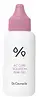
This salicylic acid gel cleanser is formulated around Salicylic Acid to clear breakouts and unclog pores.
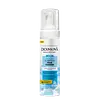
This salicylic acid foaming cleanser is formulated around Salicylic Acid to clear breakouts and unclog pores.


What's inside
What's inside
 Key Ingredients
Benefits
Concerns
Ingredients Side-by-side
Water
Skin ConditioningDisodium Laureth Sulfosuccinate
CleansingMethylpropanediol
SolventSodium Cocoyl Glutamate
Cleansing
1,2-Hexanediol
Skin Conditioning
Acrylates/C10-30 Alkyl Acrylate Crosspolymer
Emulsion StabilisingSalicylic Acid
Masking










Parfum
Masking

Glycerin
Humectant

Polyglyceryl-10 Laurate
Skin Conditioning
Butylene Glycol
Humectant
Disodium EDTA
Isopropyl Alcohol
Solvent
Sodium Benzoate
Masking
Hydrogenated Lecithin
Emulsifying
Ficus Carica Fruit Extract
Humectant
Centella Asiatica Extract
Cleansing


Ulmus Davidiana Root Extract
Skin Conditioning
Amaranthus Caudatus Seed Extract
Skin Conditioning
Undaria Pinnatifida Extract
Skin ConditioningCeramide NP
Skin Conditioning
Ginkgo Biloba Leaf Extract
Skin Conditioning
Camellia Sinensis Leaf Extract
Antimicrobial
Eruca Sativa Leaf Extract
Skin ConditioningTriticum Vulgare Sprout Extract
Skin ConditioningCamellia Japonica Leaf Extract
Skin ConditioningMedicago Sativa Extract
TonicBrassica Oleracea Italica Sprout Extract
EmollientSchizonepeta Tenuifolia Extract
Skin ConditioningGluconolactone
Skin Conditioning
Lactic Acid
Buffering

Candida Bombicola/Glucose/Methyl Rapeseedate Ferment
AntimicrobialSilkworm Extract
Skin ConditioningPotassium Sorbate
Preservative
Pueraria Thunbergiana Root Extract
Skin ConditioningPaeonia Lactiflora Root Extract
Skin ConditioningGlycyrrhiza Glabra Root Extract
Bleaching
Cnidium Officinale Root Extract
Skin ConditioningMyristica Fragrans Extract
MaskingCaesalpinia Sappan Bark Extract
Skin ConditioningPogostemon Cablin Leaf Extract
Perfuming
Soluble Collagen
Humectant
Portulaca Oleracea Extract
Skin Conditioning
Phenoxyethanol
Preservative
Xanthan Gum
EmulsifyingAloe Barbadensis Leaf Juice
Skin Conditioning
Eucommia Ulmoides Extract
Skin ConditioningLaminaria Japonica Extract
Skin Protecting
Codium Fragile Extract
Skin Conditioning
Lactobacillus Ferment
Skin Conditioning
Salvia Miltiorrhiza Flower/Leaf/Root Extract
Skin ConditioningPrunus Armeniaca Kernel Extract
Skin ConditioningPoria Cocos Extract
Skin ConditioningPanax Ginseng Root Extract
Emollient
Sodium Hyaluronate
Humectant
Water, Disodium Laureth Sulfosuccinate, Methylpropanediol, Sodium Cocoyl Glutamate, 1,2-Hexanediol, Acrylates/C10-30 Alkyl Acrylate Crosspolymer, Salicylic Acid, Parfum, Glycerin, Polyglyceryl-10 Laurate, Butylene Glycol, Disodium EDTA, Isopropyl Alcohol, Sodium Benzoate, Hydrogenated Lecithin, Ficus Carica Fruit Extract, Centella Asiatica Extract, Ulmus Davidiana Root Extract, Amaranthus Caudatus Seed Extract, Undaria Pinnatifida Extract, Ceramide NP, Ginkgo Biloba Leaf Extract, Camellia Sinensis Leaf Extract, Eruca Sativa Leaf Extract, Triticum Vulgare Sprout Extract, Camellia Japonica Leaf Extract, Medicago Sativa Extract, Brassica Oleracea Italica Sprout Extract, Schizonepeta Tenuifolia Extract, Gluconolactone, Lactic Acid, Candida Bombicola/Glucose/Methyl Rapeseedate Ferment, Silkworm Extract, Potassium Sorbate, Pueraria Thunbergiana Root Extract, Paeonia Lactiflora Root Extract, Glycyrrhiza Glabra Root Extract, Cnidium Officinale Root Extract, Myristica Fragrans Extract, Caesalpinia Sappan Bark Extract, Pogostemon Cablin Leaf Extract, Soluble Collagen, Portulaca Oleracea Extract, Phenoxyethanol, Xanthan Gum, Aloe Barbadensis Leaf Juice, Eucommia Ulmoides Extract, Laminaria Japonica Extract, Codium Fragile Extract, Lactobacillus Ferment, Salvia Miltiorrhiza Flower/Leaf/Root Extract, Prunus Armeniaca Kernel Extract, Poria Cocos Extract, Panax Ginseng Root Extract, Sodium Hyaluronate
Hamamelis Virginiana Water 14%
Astringent
1,2-Hexanediol
Skin Conditioning
Benzoic Acid
Masking
Butylene Glycol
Humectant
Ceramide NP
Skin Conditioning
Cocamidopropyl Dimethylamine
Emulsifying
Coco-Glucoside
Cleansing
Eucalyptol
Perfuming
Glycerin
Humectant
Glycolipids
Skin ConditioningHydrogenated Lecithin
Emulsifying
Lecithin
Emollient
Melaleuca Alternifolia Flower/Leaf/Stem Extract
Skin ConditioningNiacinamide
Smoothing
Sucrose Stearate
EmollientSalicylic Acid
Masking
Water
Skin ConditioningHamamelis Virginiana Water 14%, 1,2-Hexanediol, Benzoic Acid, Butylene Glycol, Ceramide NP, Cocamidopropyl Dimethylamine, Coco-Glucoside, Eucalyptol, Glycerin, Glycolipids, Hydrogenated Lecithin, Lecithin, Melaleuca Alternifolia Flower/Leaf/Stem Extract, Niacinamide, Sucrose Stearate, Salicylic Acid, Water
Reviews
Ingredients Explained
These ingredients are found in both products.
Ingredients higher up in an ingredient list are typically present in a larger amount.
1,2-Hexanediol is a synthetic liquid and another multi-functional powerhouse.
It is a:
- Humectant, drawing moisture into the skin
- Emollient, helping to soften skin
- Solvent, dispersing and stabilizing formulas
- Preservative booster, enhancing the antimicrobial activity of other preservatives
Butylene Glycol (or BG) is used within cosmetic products for a few different reasons:
Overall, Butylene Glycol is a safe and well-rounded ingredient that works well with other ingredients.
Though this ingredient works well with most skin types, some people with sensitive skin may experience a reaction such as allergic rashes, closed comedones, or itchiness.
Learn more about Butylene GlycolCeramide NP (formerly known as Ceramide 3) is one of the skin's naturally occurring lipids.
Since ceramides are the major lipid components of the skin, they are crucial for maintaining skin barrier and hydration. Ceramide NP most closely mirrors the dominant kind in human skin amongst ceramide subtypes.
This ceramide works by slotting into gaps within the stratum corneum's lipid matrix to limit trans-epidermal water loss (TEWL) and shield the skin against external irritants.
A study with 312 patients found that using a ceramide-containing routine for 4 weeks reduced the severity of atopic dermatitis by over 61%.
Another clinical study in subjects aged 60 and older found that a ceramide body wash and moisturizer improved skin dryness and itchy skin in 15 days.
Overall, ceramides are considered non-irritating and safety tests have found little to no observable adverse effects from using this ingredient.
Ceramide NP is usually sourced from plants (like soybean or rice bran), or produced synthetically.
Learn more about Ceramide NPGlycerin (or glycerol) is a compound naturally found in your skin. It's a powerhouse humectant that pulls water into the stratum corneum.
Topically, glycerin does several things at once:
Your skin makes glycerin on its own (mostly from sebaceous oil breakdown) and shuttles it to your outermost layer of skin, or your epidermis, via aquaporin-3.
Aquaporin-3 is a transporter that is essential for normal skin hydration, elasticity, and repair. Interestingly, mice lacking in AQP3 have dry and less elastic skin that can be fully corrected with glycerin.
This ingredient is non-irritating, plays well with almost every ingredient, and works across all skin types. Typical use is anywhere between 3-10% but can go up to 79% in some leave-on products.
Just know very high concentrations (>40%) can feel tacky in low humidity.
Glycerin is the name for this ingredient in American English. British English uses Glycerol/Glycerine.
Learn more about GlycerinHydrogenated Lecithin is a more stable version of lecithin.
It's made by taking lecithin (a phospholipid commonly found in soybeans and egg yolks) and hydrogenating it. This just means the unsaturated fatty acids are turned into saturated ones so they don't go bad as easily.
This ingredient is an emollient, emulsifier, and penetration enhancer. As an emollient, it helps soften and hydrate skin by trapping moisture within. As an emulsifier, it prevents oil and water ingredients from separating.
Hydrogenated Lecithin can form tiny spherical structures made of phospholipid bilayers called liposomes. These liposomes are able to capture compounds inside their structure and deliver them through the skin barrier.
Because phospholipids are a natural component of our cell membranes, this ingredient is inherently compatible with skin.
A 2021 study found lecithin-based surfactants were less harsh and more tolerable comared to Sodium Lauryl Sulfate (SLS).
Learn more about Hydrogenated LecithinSalicylic Acid (also known as beta hydroxy acid or BHA) is a well-known ingredient for treating skin that struggles with acne and clogged pores. It exfoliates both the skin's surface and deep within the pores to help clear out buildup, control oil, and reduce inflammation.
Unlike AHAs (alpha hydroxy acids), salicylic acid is oil-soluble. This allows it to penetrate into pores which makes it especially effective for treating blackheads and preventing future breakouts.
Salicylic acid is also known for its soothing properties. It has a similar structure to aspirin and can calm inflamed or irritated skin, making it a good option for acne-prone skin that is also sensitive.
Concentrations of 0.5-2% are recognized by the U.S. FDA as an over-the-counter topical acne product.
It can cause irritation and/or dryness if one's skin already has a compromised moisture barrier, so it's best to focus on repairing that before introducing this ingredient into your routine.
While salicylic acid does not increase sun sensitivity, it’s still important to wear sunscreen daily to protect your skin.
If you are looking for the ingredient called BHA or Butylated Hydroxyanisole, click here.
Learn more about Salicylic AcidWater. It's the most common cosmetic ingredient of all. You'll usually see it at the top of ingredient lists, meaning that it makes up the largest part of the product.
So why is it so popular? Water most often acts as a solvent - this means that it helps dissolve other ingredients into the formulation.
You'll also recognize water as that liquid we all need to stay alive. If you see this, drink a glass of water. Remember to stay hydrated!
Learn more about Water

