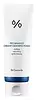
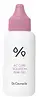
This salicylic acid gel cleanser is formulated around Salicylic Acid to clear breakouts and unclog pores.

What's inside
What's inside
 Key Ingredients
Benefits
Concerns
Ingredients Side-by-side
Water
Skin ConditioningMyristic Acid
Cleansing




Glycerin
Humectant

Potassium Hydroxide
BufferingLauric Acid
Cleansing
Palmitic Acid
Emollient
Stearic Acid
Cleansing
Glyceryl Glucoside
Humectant
Lauryl Betaine
CleansingPolyglyceryl-2 Stearate
Emulsifying
Beeswax
Emulsion Stabilising
Glyceryl Stearate
Emollient
Stearyl Alcohol
Emollient
Citrus Aurantium Dulcis Peel Oil
Masking

Citrus Paradisi Peel Oil
Masking



Citrus Aurantium Bergamia Fruit Oil
Masking
Butylene Glycol
Humectant
Glucose
Humectant
Disodium EDTA
ChelatingMelaleuca Alternifolia Leaf Oil
Antioxidant


Hydrolyzed Hyaluronic Acid
Humectant

Citrus Limon Fruit Extract
Masking
Hippophae Rhamnoides Fruit Extract
Skin Conditioning

Citrus Aurantium Dulcis Fruit Extract
MaskingGlycyrrhiza Glabra Root Extract
Bleaching

Lactobacillus Ferment Lysate
Skin Conditioning
1,2-Hexanediol
Skin Conditioning
Sodium Hyaluronate
Humectant
Candida Bombicola/Glucose/Methyl Rapeseedate Ferment
AntimicrobialLactobacillus Ferment
Skin Conditioning
Lactococcus Ferment Lysate
Skin Conditioning
Bifida Ferment Filtrate
Skin Conditioning
Bifida Ferment Lysate
Skin Conditioning
Saccharomyces Ferment Filtrate
Humectant
Water, Myristic Acid, Glycerin, Potassium Hydroxide, Lauric Acid, Palmitic Acid, Stearic Acid, Glyceryl Glucoside, Lauryl Betaine, Polyglyceryl-2 Stearate, Beeswax, Glyceryl Stearate, Stearyl Alcohol, Citrus Aurantium Dulcis Peel Oil, Citrus Paradisi Peel Oil, Citrus Aurantium Bergamia Fruit Oil, Butylene Glycol, Glucose, Disodium EDTA, Melaleuca Alternifolia Leaf Oil, Hydrolyzed Hyaluronic Acid, Citrus Limon Fruit Extract, Hippophae Rhamnoides Fruit Extract, Citrus Aurantium Dulcis Fruit Extract, Glycyrrhiza Glabra Root Extract, Lactobacillus Ferment Lysate, 1,2-Hexanediol, Sodium Hyaluronate, Candida Bombicola/Glucose/Methyl Rapeseedate Ferment, Lactobacillus Ferment, Lactococcus Ferment Lysate, Bifida Ferment Filtrate, Bifida Ferment Lysate, Saccharomyces Ferment Filtrate
Water
Skin ConditioningDisodium Laureth Sulfosuccinate
CleansingMethylpropanediol
SolventSodium Cocoyl Glutamate
Cleansing
1,2-Hexanediol
Skin Conditioning
Acrylates/C10-30 Alkyl Acrylate Crosspolymer
Emulsion StabilisingSalicylic Acid
Masking



Parfum
Masking
Glycerin
Humectant
Polyglyceryl-10 Laurate
Skin Conditioning
Butylene Glycol
Humectant
Disodium EDTA
ChelatingIsopropyl Alcohol
Solvent
Sodium Benzoate
Masking
Hydrogenated Lecithin
Emulsifying
Ficus Carica Fruit Extract
Humectant
Centella Asiatica Extract
Cleansing
Ulmus Davidiana Root Extract
Skin Conditioning
Amaranthus Caudatus Seed Extract
Skin Conditioning
Undaria Pinnatifida Extract
Skin ConditioningCeramide NP
Skin Conditioning
Ginkgo Biloba Leaf Extract
Skin Conditioning
Camellia Sinensis Leaf Extract
Antimicrobial
Eruca Sativa Leaf Extract
Skin ConditioningTriticum Vulgare Sprout Extract
Skin ConditioningCamellia Japonica Leaf Extract
Skin ConditioningMedicago Sativa Extract
TonicBrassica Oleracea Italica Sprout Extract
EmollientSchizonepeta Tenuifolia Extract
Skin ConditioningGluconolactone
Chelating
Lactic Acid
Buffering
Candida Bombicola/Glucose/Methyl Rapeseedate Ferment
AntimicrobialSilkworm Extract
Skin ConditioningPotassium Sorbate
Preservative
Pueraria Thunbergiana Root Extract
Skin ConditioningPaeonia Lactiflora Root Extract
Skin ConditioningGlycyrrhiza Glabra Root Extract
Bleaching
Cnidium Officinale Root Extract
Skin ConditioningMyristica Fragrans Extract
MaskingCaesalpinia Sappan Bark Extract
Skin ConditioningPogostemon Cablin Leaf Extract
Perfuming
Soluble Collagen
Humectant
Portulaca Oleracea Extract
Skin Conditioning
Phenoxyethanol
Preservative
Xanthan Gum
EmulsifyingAloe Barbadensis Leaf Juice
Skin Conditioning
Eucommia Ulmoides Extract
Skin ConditioningLaminaria Japonica Extract
Skin Protecting
Codium Fragile Extract
Skin Conditioning
Lactobacillus Ferment
Skin Conditioning
Salvia Miltiorrhiza Flower/Leaf/Root Extract
Skin ConditioningPrunus Armeniaca Kernel Extract
Skin ConditioningPoria Cocos Extract
Skin ConditioningPanax Ginseng Root Extract
Emollient
Sodium Hyaluronate
Humectant
Water, Disodium Laureth Sulfosuccinate, Methylpropanediol, Sodium Cocoyl Glutamate, 1,2-Hexanediol, Acrylates/C10-30 Alkyl Acrylate Crosspolymer, Salicylic Acid, Parfum, Glycerin, Polyglyceryl-10 Laurate, Butylene Glycol, Disodium EDTA, Isopropyl Alcohol, Sodium Benzoate, Hydrogenated Lecithin, Ficus Carica Fruit Extract, Centella Asiatica Extract, Ulmus Davidiana Root Extract, Amaranthus Caudatus Seed Extract, Undaria Pinnatifida Extract, Ceramide NP, Ginkgo Biloba Leaf Extract, Camellia Sinensis Leaf Extract, Eruca Sativa Leaf Extract, Triticum Vulgare Sprout Extract, Camellia Japonica Leaf Extract, Medicago Sativa Extract, Brassica Oleracea Italica Sprout Extract, Schizonepeta Tenuifolia Extract, Gluconolactone, Lactic Acid, Candida Bombicola/Glucose/Methyl Rapeseedate Ferment, Silkworm Extract, Potassium Sorbate, Pueraria Thunbergiana Root Extract, Paeonia Lactiflora Root Extract, Glycyrrhiza Glabra Root Extract, Cnidium Officinale Root Extract, Myristica Fragrans Extract, Caesalpinia Sappan Bark Extract, Pogostemon Cablin Leaf Extract, Soluble Collagen, Portulaca Oleracea Extract, Phenoxyethanol, Xanthan Gum, Aloe Barbadensis Leaf Juice, Eucommia Ulmoides Extract, Laminaria Japonica Extract, Codium Fragile Extract, Lactobacillus Ferment, Salvia Miltiorrhiza Flower/Leaf/Root Extract, Prunus Armeniaca Kernel Extract, Poria Cocos Extract, Panax Ginseng Root Extract, Sodium Hyaluronate
Reviews
Ingredients Explained
These ingredients are found in both products.
Ingredients higher up in an ingredient list are typically present in a larger amount.
1,2-Hexanediol is a synthetic liquid and another multi-functional powerhouse.
It is a:
- Humectant, drawing moisture into the skin
- Emollient, helping to soften skin
- Solvent, dispersing and stabilizing formulas
- Preservative booster, enhancing the antimicrobial activity of other preservatives
Butylene Glycol (or BG) is used within cosmetic products for a few different reasons:
Overall, Butylene Glycol is a safe and well-rounded ingredient that works well with other ingredients.
Though this ingredient works well with most skin types, some people with sensitive skin may experience a reaction such as allergic rashes, closed comedones, or itchiness.
Learn more about Butylene GlycolThis ingredient is a biosurfactant ferment made when the yeast Candida bombicola ferments glucose plus methyl rapeseedate. This kind of ferment is best known for producing sophorolipids (a family of glycolipid biosurfactants) which brands use as mild cleansing agents.
What it does;
Lab work on purified acidic sophorolipids suggests they can be less cytotoxic/irritating in skin-model testing than a common harsh surfactant (SLES) at the tested conditions.
By the way, the final cosmetic ingredient does not contain live yeast. It’s a processed fermentation-derived ingredient.
Learn more about Candida Bombicola/Glucose/Methyl Rapeseedate FermentDisodium EDTA is a chelating agent. It grabs onto and deactivates metal ions that sneak into your products from water, packaging, or air.
This ingredient mainly works behind the scenes and helps with:
On top of that, this ingredient can counteract the effects of hard water by binding to the minerals in it.
One thing worth knowing is that Disodium EDTA has been shown to be a mild penetration enhancer. It can help other ingredients absorb into skin more effectively which can be a double-edged sword (great for actives, but can also make the active too strong if you have sensitive skin).
Clinical patch testing showed no significant skin irritation at typical use concentrations and minimal dermal absorption.
You'll most likely see this ingredient near the end of an ingredient list. It's typically found in concentrations less than 1%.
Learn more about Disodium EDTAGlycerin (or glycerol) is a compound naturally found in your skin. It's a powerhouse humectant that pulls water into the stratum corneum.
Topically, glycerin does several things at once:
Your skin makes glycerin on its own (mostly from sebaceous oil breakdown) and shuttles it to your outermost layer of skin, or your epidermis, via aquaporin-3.
Aquaporin-3 is a transporter that is essential for normal skin hydration, elasticity, and repair. Interestingly, mice lacking in AQP3 have dry and less elastic skin that can be fully corrected with glycerin.
This ingredient is non-irritating, plays well with almost every ingredient, and works across all skin types. Typical use is anywhere between 3-10% but can go up to 79% in some leave-on products.
Just know very high concentrations (>40%) can feel tacky in low humidity.
Glycerin is the name for this ingredient in American English. British English uses Glycerol/Glycerine.
Learn more about GlycerinGlycyrrhiza Glabra Root Extract is an extract of the roots of Licorice. It has been found to have several benefits such as skin hydrating, conditioning, and soothing.
One component, glabridin, has extra potent antioxidant and soothing properties. It has also been found to block pigmentation from UVB rays in guinea pigs.
Licorice Root also contains a flavonoid. Flavonoids are a natural substance from in plants. Flavonoids also have antioxidant properties.
Another component, glycyrrhizin, has been found to have anti-inflammatory and antimicrobial benefits. This may make licorice root extract effective at treating acne. However, more research is needed to support this.
Liquiritin is one of the flavone compounds found in licorice. It has been found to help lighten skin by preventing tyrosinase from reacting with tyrosine. When the two react, protein is converted to melanin. Melanin is the substance in your body that gives your features pigmentation.
Learn more about Glycyrrhiza Glabra Root ExtractThis ingredient is made when the Lactobacillus bacteria (the same kind that makes yogurt and kimchi) are allowed to ferment a nutrient medium.
As it ferments, it collects lactic acid, peptides, enzymes, and other bioactive metabolites to provide:
A 2023 review noted that probiotic fermentation ingredients like this one can enhance antioxidant capacity, reduce UV-induced oxidative damage, and support barrier function.
One clinical study from the same year showed a Lactobacillus ferment lysate significantly reduced transepidermal water loss and improved skin hydration.
Another review highlighted that topical Lactobacillus-based preparations can improve ceramide levels in the stratum corneum, support barrier integrity, and even help reduce S. aureus colonization in atopic dermatitis.
Why is this so cool?
Basically, your skin's outer layer works as a brick wall; skin cells are bricks and ceramides are the mortar holding it together. Moisture escapes, irritants get in, and your skin gets dry and reactive when ceramide levels drop. On top of that, "bad" skin bacteria S. aureus loves to move in when your barrier is weak to make inflammation and irritation worse.
So Lactobacillus ferment is basically patching the wall and evicting the troublemaker when it boosts ceramide production and help keep S. aureus in check.
On top of all this, it also acts as a mild antimicrobial preservative booster.
Just so you know, most studies focus on specific strains or the lysate form rather than this generic "Lactobacillus Ferment", so results can vary.
Though it's a promising ingredient, it doesn't have decades of robust clinical data behind it just yet.
Lactobacillus Ferment is generally considered safe for fungal-acne prone skin. The key thing to understand is that it comes from bacteria, not yeast or fungus.
Yeast-derived ferments (like galactomyces) have been shown to activate a protein that's linked to Malassezia-related skin issues whereas lactobacillus doesn't have that problem.
Its byproducts also don't contain the types of fatty acids (C11-24 chain lengths) that Malassezia feeds on.
Learn more about Lactobacillus FermentSodium Hyaluronate is the salt form of hyaluronic acid. It is a long sugar chain that is naturally found in your skin, joints, and connective tissue that maintains hydration and elasticity.
In skincare, it works as a humectant. It pulls water from the environment and deeper layers of skin and binds it to the surface.
Interestingly, the size of the molecule affects its behavior:
Some clinical evidence links low molecular weight versions to improved wrinkle depth, elasticity, anti-inflammatory effects, and barrier repair.
Many serums use a blend of both weights so you can get surface hydration plus longer-lasting and deeper effects.
You'll typically see concentrations between 0.1-2% for this ingredient.
Learn more about Sodium HyaluronateWater. It's the most common cosmetic ingredient of all. You'll usually see it at the top of ingredient lists, meaning that it makes up the largest part of the product.
So why is it so popular? Water most often acts as a solvent - this means that it helps dissolve other ingredients into the formulation.
You'll also recognize water as that liquid we all need to stay alive. If you see this, drink a glass of water. Remember to stay hydrated!
Learn more about Water

