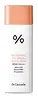
Dr.Ceuracle 5α Control No-Sebum Sun Lotion SPF50+ PA++++ Versus ID PLAcosmetics Solar Defense Daily Clear 365 Sun Emulsion SPF 50+
This hybrid sunscreen covers the full UV range and blocks ~98% of UVB at SPF 50.
This chemical sunscreen covers the full UV range and blocks ~98% of UVB at SPF 50.

What's inside
What's inside
 Key Ingredients
Benefits
Concerns
Ingredients Side-by-side
Water
Skin ConditioningZinc Oxide
Cosmetic Colorant


Cyclohexasiloxane
Emollient
Disiloxane
Skin Conditioning
Butyloctyl Salicylate
Skin Conditioning
Titanium Dioxide
Cosmetic Colorant
Butylene Glycol Dicaprylate/Dicaprate
EmollientCaprylyl Methicone
Skin Conditioning
Propanediol
Solvent

Methyl Methacrylate Crosspolymer
Silica
Abrasive

Cinnamomum Zeylanicum Bark Extract
Antimicrobial

Lauryl Polyglyceryl-3 Polydimethylsiloxyethyl Dimethicone
Skin Conditioning
Stearic Acid
Cleansing


Aluminum Hydroxide
EmollientTriethoxycaprylylsilane
Sodium Chloride
MaskingCeramide AP
Skin Conditioning



1,2-Hexanediol
Skin Conditioning
Polyglyceryl-3 Polydimethylsiloxyethyl Dimethicone
Skin Conditioning
Caprylyl Glycol
Emollient
Glyceryl Caprylate
EmollientEthylhexylglycerin
Skin ConditioningCandida Bombicola/Glucose/Methyl Rapeseedate Ferment
AntimicrobialButylene Glycol
Humectant
Capryloyl Glycine
CleansingHexylene Glycol
EmulsifyingPEG-60 Almond Glycerides
Emulsifying
Sarcosine
Skin Conditioning
Tocopherol
Antioxidant


Glycerin
Humectant
Carbomer
Emulsion StabilisingOleanolic Acid
Skin ConditioningNordihydroguaiaretic Acid
Antioxidant
Parfum
Masking


Potassium Sorbate
Preservative
Water, Zinc Oxide, Cyclohexasiloxane, Disiloxane, Butyloctyl Salicylate, Titanium Dioxide, Butylene Glycol Dicaprylate/Dicaprate, Caprylyl Methicone, Propanediol, Methyl Methacrylate Crosspolymer, Silica, Cinnamomum Zeylanicum Bark Extract, Lauryl Polyglyceryl-3 Polydimethylsiloxyethyl Dimethicone, Stearic Acid, Aluminum Hydroxide, Triethoxycaprylylsilane, Sodium Chloride, Ceramide AP, 1,2-Hexanediol, Polyglyceryl-3 Polydimethylsiloxyethyl Dimethicone, Caprylyl Glycol, Glyceryl Caprylate, Ethylhexylglycerin, Candida Bombicola/Glucose/Methyl Rapeseedate Ferment, Butylene Glycol, Capryloyl Glycine, Hexylene Glycol, PEG-60 Almond Glycerides, Sarcosine, Tocopherol, Glycerin, Carbomer, Oleanolic Acid, Nordihydroguaiaretic Acid, Parfum, Potassium Sorbate
Water
Skin ConditioningDibutyl Adipate
EmollientTerephthalylidene Dicamphor Sulfonic Acid
UV Absorber
Diisopropyl Sebacate
EmollientPropanediol
Solvent
Ethylhexyl Triazone
UV Absorber
Glycerin
Humectant
Mentha Rotundifolia Leaf Extract
TonicCamellia Sinensis Leaf Extract
Antimicrobial
Thymus Vulgaris Leaf Extract
Skin ProtectingPanthenol
Skin Conditioning
Niacinamide
Smoothing


Polyglyceryl-3 Distearate
Emulsifying
Glyceryl Stearate Citrate
Emollient
Bis-Ethylhexyloxyphenol Methoxyphenyl Triazine
UV Absorber
Tromethamine
BufferingCaprylyl Methicone
Skin Conditioning
Polymethylsilsesquioxane
Diethylamino Hydroxybenzoyl Hexyl Benzoate
UV Filter
Cetearyl Alcohol
Emollient

Sorbitan Isostearate
Emulsifying
Sodium Stearoyl Glutamate
CleansingPoly C10-30 Alkyl Acrylate
Emulsion StabilisingSodium Polyacryloyldimethyl Taurate
Emulsion StabilisingAcrylates/C10-30 Alkyl Acrylate Crosspolymer
Emulsion StabilisingEthylhexylglycerin
Skin ConditioningXanthan Gum
EmulsifyingAdenosine
Skin Conditioning
Glycine
Buffering
Serine
Masking
Glutamic Acid
Humectant
Aspartic Acid
Masking
Leucine
Skin ConditioningAlanine
Masking
Lysine
Skin ConditioningArginine
Masking
Tyrosine
MaskingPhenylalanine
Masking
Proline
Skin Conditioning
Threonine
Valine
MaskingIsoleucine
Skin ConditioningHistidine
Humectant
Cysteine
Antioxidant
Methionine
Skin ConditioningHydrogenated Lecithin
Emulsifying
Stearic Acid
Cleansing
Ceramide NP
Skin Conditioning
Ceramide Ns
Skin Conditioning
Cholesterol
Emollient
Phytosphingosine
Skin Conditioning
Ceramide AP
Skin Conditioning
Ceramide As
Skin Conditioning
Ceramide EOP
Skin Conditioning
Crithmum Maritimum Callus Culture Filtrate
Skin ProtectingLactobacillus
Skin ConditioningGlyceryl Glucoside
Humectant
Polyquaternium-51
Skin Conditioning
Tremella Fuciformis Polysaccharide
Emulsion Stabilising
1,2-Hexanediol
Skin Conditioning
Rhodiola Rosea Root Extract
EmollientArtemisia Princeps Leaf Extract
Skin ConditioningCelosia Cristata Flower Extract
Skin ProtectingSelaginella Tamariscina Extract
Skin ConditioningPhytol
Emollient
Dipropylene Glycol
HumectantSophora Japonica Flower Extract
Skin ProtectingCimicifuga Dahurica Root Extract
Antioxidant
Scutellaria Baicalensis Root Extract
Astringent
Diospyros Kaki Leaf Extract
Skin Protecting
Butylene Glycol
Humectant
Acetyl Tripeptide-53 Amide
Skin Conditioning
Water, Dibutyl Adipate, Terephthalylidene Dicamphor Sulfonic Acid, Diisopropyl Sebacate, Propanediol, Ethylhexyl Triazone, Glycerin, Mentha Rotundifolia Leaf Extract, Camellia Sinensis Leaf Extract, Thymus Vulgaris Leaf Extract, Panthenol, Niacinamide, Polyglyceryl-3 Distearate, Glyceryl Stearate Citrate, Bis-Ethylhexyloxyphenol Methoxyphenyl Triazine, Tromethamine, Caprylyl Methicone, Polymethylsilsesquioxane, Diethylamino Hydroxybenzoyl Hexyl Benzoate, Cetearyl Alcohol, Sorbitan Isostearate, Sodium Stearoyl Glutamate, Poly C10-30 Alkyl Acrylate, Sodium Polyacryloyldimethyl Taurate, Acrylates/C10-30 Alkyl Acrylate Crosspolymer, Ethylhexylglycerin, Xanthan Gum, Adenosine, Glycine, Serine, Glutamic Acid, Aspartic Acid, Leucine, Alanine, Lysine, Arginine, Tyrosine, Phenylalanine, Proline, Threonine, Valine, Isoleucine, Histidine, Cysteine, Methionine, Hydrogenated Lecithin, Stearic Acid, Ceramide NP, Ceramide Ns, Cholesterol, Phytosphingosine, Ceramide AP, Ceramide As, Ceramide EOP, Crithmum Maritimum Callus Culture Filtrate, Lactobacillus, Glyceryl Glucoside, Polyquaternium-51, Tremella Fuciformis Polysaccharide, 1,2-Hexanediol, Rhodiola Rosea Root Extract, Artemisia Princeps Leaf Extract, Celosia Cristata Flower Extract, Selaginella Tamariscina Extract, Phytol, Dipropylene Glycol, Sophora Japonica Flower Extract, Cimicifuga Dahurica Root Extract, Scutellaria Baicalensis Root Extract, Diospyros Kaki Leaf Extract, Butylene Glycol, Acetyl Tripeptide-53 Amide
Reviews
Ingredients Explained
These ingredients are found in both products.
Ingredients higher up in an ingredient list are typically present in a larger amount.
1,2-Hexanediol is a synthetic liquid and another multi-functional powerhouse.
It is a:
- Humectant, drawing moisture into the skin
- Emollient, helping to soften skin
- Solvent, dispersing and stabilizing formulas
- Preservative booster, enhancing the antimicrobial activity of other preservatives
Butylene Glycol (or BG) is used within cosmetic products for a few different reasons:
Overall, Butylene Glycol is a safe and well-rounded ingredient that works well with other ingredients.
Though this ingredient works well with most skin types, some people with sensitive skin may experience a reaction such as allergic rashes, closed comedones, or itchiness.
Learn more about Butylene GlycolCaprylyl Methicone is a synthetic and lightweight silicone fluid. It gives products a silky, dry-touch finish without the heaviness of pure oils.
Though the EU CosIng Database lists this ingredient as a skin conditioner, it is also used for sensory reasons. It spreads easily, cuts greasiness, and reduces tackiness.
This ingredient is volatile which means it will mostly evaporate (but it evaporates slower than older cyclomethicones, like Cyclotetrasiloxane).
Typical concentration ranges from 1-30% depending on if it's being used to tweak the feel of a product or acting as the main emollient.
Learn more about Caprylyl MethiconeCeramide AP is is a skin-identical lipid that mimics what your skin already makes naturally. Ceramides help maintain epidermal integrity and barrier function.
You'll often see this ingredient paired with other ceramides (like ceramide NP), cholesterol, or fatty acids because this combination best mimics the natural lipid mix your skin already has.
The skin's ability to produce ceramides gets disrupted in skin conditions like eczema. This in turn weakens the skin barrier and applying ceramides topically has been shown to replenish what's been lost to restore barrier function.
Most of the studies with Ceramide AP test it as part of a multi-ceramide complex; studies reinforce ceramide AP's role in rebalancing ceramides in skin and improving skin hydration.
Learn more about Ceramide APEthylhexylglycerin is created from glycerin. It is a multitasker ingredient that:
The CIR Expert Panel found minimal skin absorption or sensitization of any kind in a safety assessment. Though this ingredient is considered well-tolerated, a small number of cases of allergic dermatitis have been published since 2002. Just be sure to patch test if you are unsure.
Industry-reported use ranges from 8% in rinse-off products and 2% in leave-on formulations.
Learn more about EthylhexylglycerinGlycerin (or glycerol) is a compound naturally found in your skin. It's a powerhouse humectant that pulls water into the stratum corneum.
Topically, glycerin does several things at once:
Your skin makes glycerin on its own (mostly from sebaceous oil breakdown) and shuttles it to your outermost layer of skin, or your epidermis, via aquaporin-3.
Aquaporin-3 is a transporter that is essential for normal skin hydration, elasticity, and repair. Interestingly, mice lacking in AQP3 have dry and less elastic skin that can be fully corrected with glycerin.
This ingredient is non-irritating, plays well with almost every ingredient, and works across all skin types. Typical use is anywhere between 3-10% but can go up to 79% in some leave-on products.
Just know very high concentrations (>40%) can feel tacky in low humidity.
Glycerin is the name for this ingredient in American English. British English uses Glycerol/Glycerine.
Learn more about GlycerinPropanediol is an all-star ingredient. It softens, hydrates, and smooths the skin.
It’s often used to:
Propanediol is not likely to cause sensitivity and considered safe to use. It is derived from corn or petroleum with a clear color and no scent.
Learn more about PropanediolStearic Acid is a fatty acid that is already found in your skin. It's one of the free fatty acids that works alongside ceramides and cholesterols to maintain your barrier.
In cosmetics, it is a multitasker:
Safety-wise, the CIR Expert Panel has concluded it to be safe in cosmetics when formulated to be non-irritating and non-sensitizing.
Free stearic acid is a C18 fatty acid that the Malassezia yeast can substrate, so this ingredient may not be fungal acne safe.
This ingredient does have a comedogenic rating of 2-3, but this doesn't mean a formula with this ingredient will clog pores.
Human testing has proved that any finished product with this ingredient won't automatically make you break out; it really comes down to concentration, formula, and your skin.
Learn more about Stearic AcidWater. It's the most common cosmetic ingredient of all. You'll usually see it at the top of ingredient lists, meaning that it makes up the largest part of the product.
So why is it so popular? Water most often acts as a solvent - this means that it helps dissolve other ingredients into the formulation.
You'll also recognize water as that liquid we all need to stay alive. If you see this, drink a glass of water. Remember to stay hydrated!
Learn more about Water

