Dr Botanicals Cocoa Noir Time Reverse Facial Serum Versus JUMISO All Day Vitamin Brightening & Balancing Facial Serum
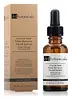
This anti-aging serum is formulated around Snail Secretion Filtrate and Palmitoyl Tripeptide-1 to soften the look of wrinkles and hydrate skin.
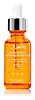
This brightening serum is formulated around Hippophae Rhamnoides Fruit Extract and Niacinamide to brighten dull-looking skin and calm redness.


What's inside
What's inside
 Key Ingredients
Benefits
Concerns
Ingredients Side-by-side
Water
Skin ConditioningCarbomer
Emulsion StabilisingGlycerin
Humectant


PEG-7 Glyceryl Cocoate
Emulsifying




Butylene Glycol
Humectant
Allantoin
Skin Conditioning

Polylactic Acid
Abrasive
Disodium EDTA
ChelatingSnail Secretion Filtrate
Skin Conditioning
Dehydroacetic Acid
Preservative
Hydrolyzed Pearl
Skin ConditioningEthylhexylglycerin
Skin ConditioningParfum
Masking


Aloe Barbadensis Leaf Juice Powder
Skin Conditioning
Ascorbyl Glucoside
Antioxidant



Charcoal Powder
Abrasive

Hippophae Rhamnoides Fruit Oil
Skin Protecting
Pumice
Abrasive
Tocopheryl Acetate
Antioxidant
Isomalt
HumectantPhenoxyethanol
Preservative
Benzyl Salicylate
Perfuming
Glucose
Humectant
Hexyl Cinnamal
Perfuming
Aloe Barbadensis Leaf Extract
Emollient
Citronellol
Perfuming
Rosa Damascena Flower Oil
Masking
Limonene
Perfuming
Pelargonium Graveolens Flower Oil
Masking
Benzyl Alcohol
Perfuming
Palmitoyl Tripeptide-1
Skin Conditioning

Palmitoyl Tetrapeptide-7
Skin Conditioning
Butyrospermum Parkii Seedcake Extract
Skin Protecting
Sodium Hydroxide
BufferingGeraniol
Perfuming
Linalool
Perfuming
Citrus Aurantium Flower Oil
Perfuming
Sodium Lactate
Buffering
Subtilisin
Skin ConditioningLecithin
Emollient
Rhododendron Ferrugineum Leaf Cell Culture Extract
Skin ConditioningDipeptide Diaminobutyroyl Benzylamide Diacetate
Skin Conditioning
Polysorbate 20
Emulsifying
Sodium Benzoate
Masking
Lactic Acid
Buffering


CI 17200
Cosmetic ColorantWater, Carbomer, Glycerin, PEG-7 Glyceryl Cocoate, Butylene Glycol, Allantoin, Polylactic Acid, Disodium EDTA, Snail Secretion Filtrate, Dehydroacetic Acid, Hydrolyzed Pearl, Ethylhexylglycerin, Parfum, Aloe Barbadensis Leaf Juice Powder, Ascorbyl Glucoside, Charcoal Powder, Hippophae Rhamnoides Fruit Oil, Pumice, Tocopheryl Acetate, Isomalt, Phenoxyethanol, Benzyl Salicylate, Glucose, Hexyl Cinnamal, Aloe Barbadensis Leaf Extract, Citronellol, Rosa Damascena Flower Oil, Limonene, Pelargonium Graveolens Flower Oil, Benzyl Alcohol, Palmitoyl Tripeptide-1, Palmitoyl Tetrapeptide-7, Butyrospermum Parkii Seedcake Extract, Sodium Hydroxide, Geraniol, Linalool, Citrus Aurantium Flower Oil, Sodium Lactate, Subtilisin, Lecithin, Rhododendron Ferrugineum Leaf Cell Culture Extract, Dipeptide Diaminobutyroyl Benzylamide Diacetate, Polysorbate 20, Sodium Benzoate, Lactic Acid, CI 17200
Hippophae Rhamnoides Fruit Extract
Skin Conditioning
Methylpropanediol
SolventGlycerin
Humectant
Niacinamide
Smoothing
Dipropylene Glycol
HumectantSodium Hyaluronate
Humectant
PEG-40 Hydrogenated Castor Oil
Emulsifying
Centella Asiatica Extract
Cleansing
Polygonum Cuspidatum Root Extract
Antioxidant
Scutellaria Baicalensis Root Extract
Astringent
Camellia Sinensis Leaf Extract
Antimicrobial
Glycyrrhiza Glabra Root Extract
Bleaching
Chamomilla Recutita Flower Extract
Masking
Rosmarinus Officinalis Leaf Extract
AntimicrobialPanthenol
Skin Conditioning
Betaine
Humectant
Ascorbic Acid
Antioxidant
Hydroxyacetophenone
Antioxidant
Pentylene Glycol
Skin Conditioning
Caprylyl Glycol
Emollient
Butylene Glycol
Humectant
Chlorphenesin
Antimicrobial
Carbomer
Emulsion StabilisingArginine
Masking
Disodium EDTA
ChelatingPelargonium Graveolens Flower Oil
Masking
Cymbopogon Martini Oil
Masking
Cananga Odorata Flower Oil
Masking
Citrus Aurantium Bergamia Peel Oil
Perfuming
Rosa Damascena Flower Oil
Masking
Hippophae Rhamnoides Fruit Extract, Methylpropanediol, Glycerin, Niacinamide, Dipropylene Glycol, Sodium Hyaluronate, PEG-40 Hydrogenated Castor Oil, Centella Asiatica Extract, Polygonum Cuspidatum Root Extract, Scutellaria Baicalensis Root Extract, Camellia Sinensis Leaf Extract, Glycyrrhiza Glabra Root Extract, Chamomilla Recutita Flower Extract, Rosmarinus Officinalis Leaf Extract, Panthenol, Betaine, Ascorbic Acid, Hydroxyacetophenone, Pentylene Glycol, Caprylyl Glycol, Butylene Glycol, Chlorphenesin, Carbomer, Arginine, Disodium EDTA, Pelargonium Graveolens Flower Oil, Cymbopogon Martini Oil, Cananga Odorata Flower Oil, Citrus Aurantium Bergamia Peel Oil, Rosa Damascena Flower Oil
Reviews
Ingredients Explained
These ingredients are found in both products.
Ingredients higher up in an ingredient list are typically present in a larger amount.
Butylene Glycol (or BG) is used within cosmetic products for a few different reasons:
Overall, Butylene Glycol is a safe and well-rounded ingredient that works well with other ingredients.
Though this ingredient works well with most skin types, some people with sensitive skin may experience a reaction such as allergic rashes, closed comedones, or itchiness.
Learn more about Butylene GlycolCarbomer is a synthetic thickening and gelling agent. It's basically the ingredient that gives a lot of serums, gels, creams, and sunscreens their smooth, non-sticky texture.
Although legally permitted at very high levels, carbomers are normally used at concentrations below 1%.
It also needs to be neutralized to actually thicken, and because it is a large molecule, it doesn't really penetrate the skin barrier.
Allergy-wise, the risk is very low. Clinical studies show carbomers have low potential for skin irritation/sensitization even at concentrations up to 100%.
A 2024 UK study patch-tested 1,302 patients and found true allergy to the parent group of carbomer to be rare with no confirmed relevant reactions.
Learn more about CarbomerDisodium EDTA is a chelating agent. It grabs onto and deactivates metal ions that sneak into your products from water, packaging, or air.
This ingredient mainly works behind the scenes and helps with:
On top of that, this ingredient can counteract the effects of hard water by binding to the minerals in it.
One thing worth knowing is that Disodium EDTA has been shown to be a mild penetration enhancer. It can help other ingredients absorb into skin more effectively which can be a double-edged sword (great for actives, but can also make the active too strong if you have sensitive skin).
Clinical patch testing showed no significant skin irritation at typical use concentrations and minimal dermal absorption.
You'll most likely see this ingredient near the end of an ingredient list. It's typically found in concentrations less than 1%.
Learn more about Disodium EDTAGlycerin (or glycerol) is a compound naturally found in your skin. It's a powerhouse humectant that pulls water into the stratum corneum.
Topically, glycerin does several things at once:
Your skin makes glycerin on its own (mostly from sebaceous oil breakdown) and shuttles it to your outermost layer of skin, or your epidermis, via aquaporin-3.
Aquaporin-3 is a transporter that is essential for normal skin hydration, elasticity, and repair. Interestingly, mice lacking in AQP3 have dry and less elastic skin that can be fully corrected with glycerin.
This ingredient is non-irritating, plays well with almost every ingredient, and works across all skin types. Typical use is anywhere between 3-10% but can go up to 79% in some leave-on products.
Just know very high concentrations (>40%) can feel tacky in low humidity.
Glycerin is the name for this ingredient in American English. British English uses Glycerol/Glycerine.
Learn more about GlycerinPelargonium Graveolens Flower Oil is the pressed oil of the Rose Geranium plant. It is volatile, meaning it evaporates off the skin.
Fragrant components of Rose Geranium include citronellol and geraniol. These may cause allergies and skin-sensitivity. We recommend speaking with a professional if you have any concerns.
The scent of Rose Geranium closely resembles traditional roses.
Learn more about Pelargonium Graveolens Flower OilRosa Damascena Flower Oil is an essential oil made from the Damask Rose. It is often used as a fragrance in cosmetics.
Rose Oil has antibacterial and antioxidant properties due to its terpene, glycoside, flavonoid, anthocyanin, and Vitamin C content.
Other major parts of Rose Oil include citronellol and geraniol. Both of these are known EU allergens and cause contact-allergies.
The downsides of this ingredient outweight the positives.
Learn more about Rosa Damascena Flower Oil


