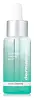
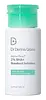
Dermalogica Age Bright Clearing Serum Versus Dr. Dennis Gross Skincare Alpha Beta 2% BHA Breakout Solution
This acne serum is formulated around Niacinamide and Salicylic Acid to clear breakouts and brighten dull-looking skin.
This acne treatment is formulated around Salicylic Acid and Gluconolactone to clear breakouts and refine the look of pores.

What's inside
What's inside
 Key Ingredients
Benefits
Concerns
Ingredients Side-by-side
Water
Skin ConditioningNiacinamide
Smoothing











Butylene Glycol
Humectant
PEG-40 Hydrogenated Castor Oil
Emulsifying


Salicylic Acid
Masking




Lentinus Edodes Mycelium Extract
Skin ConditioningGlyceryl Glucoside
Humectant
Salvia Sclarea Oil
Masking
Phytic Acid

Terpineol
Masking

Thymol
AntimicrobialCitrus Aurantium Dulcis Peel Oil
Masking
Rosmarinus Officinalis Leaf Oil
Masking
Lavandula Hybrida Oil
Emollient
Pelargonium Graveolens Flower Oil
Masking
Lavandula Angustifolia Oil
Masking
Citrus Limon Peel
MaskingPolydextrose
HumectantGlycerin
Humectant
Dextrin
AbsorbentAmylopectin
Caprylyl Glycol
Emollient
Ethylhexylglycerin
Skin ConditioningXanthan Gum
EmulsifyingPentylene Glycol
Skin Conditioning
Sodium Hydroxide
BufferingIsoamyl Laurate
Emollient
Limonene
Perfuming
Linalool
Perfuming
Geraniol
Perfuming
Citronellol
Perfuming
Phenoxyethanol
Preservative
Water, Niacinamide, Butylene Glycol, PEG-40 Hydrogenated Castor Oil, Salicylic Acid, Lentinus Edodes Mycelium Extract, Glyceryl Glucoside, Salvia Sclarea Oil, Phytic Acid, Terpineol, Thymol, Citrus Aurantium Dulcis Peel Oil, Rosmarinus Officinalis Leaf Oil, Lavandula Hybrida Oil, Pelargonium Graveolens Flower Oil, Lavandula Angustifolia Oil, Citrus Limon Peel, Polydextrose, Glycerin, Dextrin, Amylopectin, Caprylyl Glycol, Ethylhexylglycerin, Xanthan Gum, Pentylene Glycol, Sodium Hydroxide, Isoamyl Laurate, Limonene, Linalool, Geraniol, Citronellol, Phenoxyethanol
Salicylic Acid 2%
Masking
Water
Skin ConditioningAlcohol Denat.
Antimicrobial
Propylene Glycol
Humectant
Gluconolactone
Skin Conditioning
Polyglyceryl-10 Laurate
Skin Conditioning
Lactic Acid
Buffering
Pyruvic Acid
MaskingPhytic Acid
Azelaic Acid
Buffering
Salix Alba Bark Extract
Astringent
Carnitine Hcl
HumectantXylitol
Humectant
Caprylic Acid
CleansingLeuconostoc/Radish Root Ferment Filtrate
Antimicrobial
Farnesol
Perfuming
Tetrahydrocurcumin
Antioxidant
Chlorhexidine Digluconate
Antimicrobial
Soy Isoflavones
Skin ConditioningSaccharide Isomerate
Humectant
Zinc PCA
Humectant
Sodium Hyaluronate
Humectant
Methyl Glucose Sesquistearate
Emollient
Neopentyl Glycol Diethylhexanoate
Emollient
PEG-20 Methyl Glucose Sesquistearate
Emulsifying
Glyceryl Stearate
Emollient
Hexylresorcinol
Antimicrobial
Dimethyl Isosorbide
SolventPropanediol
Solvent
C13-15 Alkane
SolventPotassium Hydroxide
BufferingStearic Acid
Cleansing
Citric Acid
Buffering
Calcium Gluconate
HumectantSodium Citrate
BufferingCucumis Sativus Fruit Water
Skin ConditioningPhenoxyethanol
Preservative
Sodium Benzoate
Masking
Potassium Sorbate
Preservative
Salicylic Acid 2%, Water, Alcohol Denat., Propylene Glycol, Gluconolactone, Polyglyceryl-10 Laurate, Lactic Acid, Pyruvic Acid, Phytic Acid, Azelaic Acid, Salix Alba Bark Extract, Carnitine Hcl, Xylitol, Caprylic Acid, Leuconostoc/Radish Root Ferment Filtrate, Farnesol, Tetrahydrocurcumin, Chlorhexidine Digluconate, Soy Isoflavones, Saccharide Isomerate, Zinc PCA, Sodium Hyaluronate, Methyl Glucose Sesquistearate, Neopentyl Glycol Diethylhexanoate, PEG-20 Methyl Glucose Sesquistearate, Glyceryl Stearate, Hexylresorcinol, Dimethyl Isosorbide, Propanediol, C13-15 Alkane, Potassium Hydroxide, Stearic Acid, Citric Acid, Calcium Gluconate, Sodium Citrate, Cucumis Sativus Fruit Water, Phenoxyethanol, Sodium Benzoate, Potassium Sorbate
Reviews
Ingredients Explained
These ingredients are found in both products.
Ingredients higher up in an ingredient list are typically present in a larger amount.
Phenoxyethanol is one of the most widely used preservatives in skincare (and for good reason!).
It has a large spectrum of antimicrobial activity and especially effective bacteria, yeast, and mold while only having a weak effect on your skin's natural microbiome.
On a cellular level, it disrupts the cell membranes of microbes by poking holes that make the cell leak. This shuts down the chemical reactions the microbe needs to make energy so it can no longer survive.
Another perk of this ingredient is that it stays functional across a wide pH range (3-10).
You'll often see it paired with boosters like Ethylhexylglycerin; one study showed that a 1:9 ratio of Ethylhexylglycerin to Phenoxyethanol damages bacterial membranes as effectively as doubling the Phenoxyethanol concentration on its own.
Typical use concentrations range from 0.3-1% depending on the formula, and this ingredient is capped at 1% int the EU.
Safety-wise, the fear mongering does not hold up to the evidence. The EU's Scientific Committee on Consumer Safety and FDA consider it safe as a preservative at up to 1%, including for children of all ages.
Adverse systemic effects only showed up in animal studies at exposures roughly 200x higher than what people get from cosmetics. And despite its very widespread use, this ingredient is a rare sensitizer and allergic reactions are uncommon.
Learn more about PhenoxyethanolPhytic Acid is a gentle AHA and antioxidant. AHAs are chemical exfoliants that help remove dead skin cells. Phytic Acid has a slight and mild exfoliating effect.
The chemical makeup makes it classified as an AHA, much like lactic acid.
In some cases, it is a chelating agent. Chelating agents help prevent metals from binding to water, helping to stabilize the ingredients in a product.
An interesting fact about phytic acid is that it is considered an antinutrient. People do not have the enzyme needed to properly breakdown and digest phytic acid. When ingested, phytic acid binds to minerals and prevents them from being absorbed.
Read more about some other popular AHA's here:
Learn more about Phytic AcidSalicylic Acid (also known as beta hydroxy acid or BHA) is a well-known ingredient for treating skin that struggles with acne and clogged pores. It exfoliates both the skin's surface and deep within the pores to help clear out buildup, control oil, and reduce inflammation.
Unlike AHAs (alpha hydroxy acids), salicylic acid is oil-soluble. This allows it to penetrate into pores which makes it especially effective for treating blackheads and preventing future breakouts.
Salicylic acid is also known for its soothing properties. It has a similar structure to aspirin and can calm inflamed or irritated skin, making it a good option for acne-prone skin that is also sensitive.
Concentrations of 0.5-2% are recognized by the U.S. FDA as an over-the-counter topical acne product.
It can cause irritation and/or dryness if one's skin already has a compromised moisture barrier, so it's best to focus on repairing that before introducing this ingredient into your routine.
While salicylic acid does not increase sun sensitivity, it’s still important to wear sunscreen daily to protect your skin.
If you are looking for the ingredient called BHA or Butylated Hydroxyanisole, click here.
Learn more about Salicylic AcidWater. It's the most common cosmetic ingredient of all. You'll usually see it at the top of ingredient lists, meaning that it makes up the largest part of the product.
So why is it so popular? Water most often acts as a solvent - this means that it helps dissolve other ingredients into the formulation.
You'll also recognize water as that liquid we all need to stay alive. If you see this, drink a glass of water. Remember to stay hydrated!
Learn more about Water

