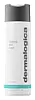
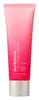
This salicylic acid gel cleanser is formulated around Salicylic Acid to clear breakouts and unclog pores.

What's inside
What's inside
 Key Ingredients
Benefits
Concerns
Ingredients Side-by-side
Salicylic Acid 0.5%
Masking










Water
Skin ConditioningGlycerin
Humectant


Sodium Laurylglucosides Hydroxypropylsulfonate
CleansingSodium Methyl Cocoyl Taurate
Cleansing
Cocamidopropyl Betaine
Cleansing
Hydroxypropyl Bis-Hydroxyethyldimonium Chloride
HumectantPEG-120 Methyl Glucose Dioleate
Emulsifying
Butylene Glycol
Humectant
Sodium PCA
Humectant
Phytic Acid
Chelating

Butyrospermum Parkii Butter
Skin Conditioning

Fucus Vesiculosus Extract
Emollient
Curcuma Longa Root Extract
Antioxidant

Aloe Barbadensis Flower Extract
EmollientAllium Sativum Bulb Extract
Skin ConditioningLaminaria Ochroleuca Extract
Skin Conditioning
Passiflora Incarnata Extract
AstringentSalvia Officinalis Leaf Extract
CleansingCamphor
Masking
Menthol
Masking
Eucalyptus Globulus Leaf Extract
Perfuming
Hamamelis Virginiana Leaf Extract
Skin Conditioning
Solanum Melongena Fruit Extract
Skin ConditioningCocamidopropyl Dimethylamine
Emulsifying
Sodium Methyl Oleoyl Taurate
CleansingDipotassium Glycyrrhizate
Humectant
Tetrasodium Glutamate Diacetate
ChelatingPolysorbate 80
Emulsifying
Melaleuca Alternifolia Leaf Oil
Antioxidant

Melia Azadirachta Leaf Extract
Skin ConditioningMelia Azadirachta Flower Extract
Skin ConditioningCorallina Officinalis Extract
Skin Conditioning
Melissa Officinalis Flower/Leaf/Stem Extract
SoothingCoccinia Indica Fruit Extract
Skin Conditioning
Angelica Archangelica Extract
Skin ConditioningChamomilla Recutita Flower Extract
Masking
Citrus Limon Fruit Extract
Masking
Echinacea Angustifolia Leaf Extract
MoisturisingEthylhexylglycerin
Skin ConditioningOcimum Basilicum Flower/Leaf Extract
TonicOcimum Sanctum Leaf Extract
Skin ConditioningAnthemis Nobilis Flower Extract
Masking
Ascorbic Acid
Antioxidant

Camellia Sinensis Leaf Extract
Antimicrobial
Maltodextrin
Absorbent
Silica
Abrasive
Palmitic Acid
Emollient
Zinc PCA
Humectant
Kaolin
Abrasive
Palmitoyl Tripeptide-5
Skin Conditioning
Aminomethyl Propanol
BufferingSodium Chloride
MaskingSodium Hydroxide
BufferingBenzyl PCA
HumectantPhenoxyethanol
Preservative
Salicylic Acid 0.5%, Water, Glycerin, Sodium Laurylglucosides Hydroxypropylsulfonate, Sodium Methyl Cocoyl Taurate, Cocamidopropyl Betaine, Hydroxypropyl Bis-Hydroxyethyldimonium Chloride, PEG-120 Methyl Glucose Dioleate, Butylene Glycol, Sodium PCA, Phytic Acid, Butyrospermum Parkii Butter, Fucus Vesiculosus Extract, Curcuma Longa Root Extract, Aloe Barbadensis Flower Extract, Allium Sativum Bulb Extract, Laminaria Ochroleuca Extract, Passiflora Incarnata Extract, Salvia Officinalis Leaf Extract, Camphor, Menthol, Eucalyptus Globulus Leaf Extract, Hamamelis Virginiana Leaf Extract, Solanum Melongena Fruit Extract, Cocamidopropyl Dimethylamine, Sodium Methyl Oleoyl Taurate, Dipotassium Glycyrrhizate, Tetrasodium Glutamate Diacetate, Polysorbate 80, Melaleuca Alternifolia Leaf Oil, Melia Azadirachta Leaf Extract, Melia Azadirachta Flower Extract, Corallina Officinalis Extract, Melissa Officinalis Flower/Leaf/Stem Extract, Coccinia Indica Fruit Extract, Angelica Archangelica Extract, Chamomilla Recutita Flower Extract, Citrus Limon Fruit Extract, Echinacea Angustifolia Leaf Extract, Ethylhexylglycerin, Ocimum Basilicum Flower/Leaf Extract, Ocimum Sanctum Leaf Extract, Anthemis Nobilis Flower Extract, Ascorbic Acid, Camellia Sinensis Leaf Extract, Maltodextrin, Silica, Palmitic Acid, Zinc PCA, Kaolin, Palmitoyl Tripeptide-5, Aminomethyl Propanol, Sodium Chloride, Sodium Hydroxide, Benzyl PCA, Phenoxyethanol
Water
Skin ConditioningMyristic Acid
Cleansing
Glycerin
Humectant
Behenic Acid
Cleansing
Palmitic Acid
Emollient
Potassium Hydroxide
BufferingSodium Methyl Cocoyl Taurate
Cleansing
Lauric Acid
Cleansing
Stearic Acid
Cleansing
Montmorillonite
AbsorbentLaminaria Saccharina Extract
Skin Protecting
Porphyridium Cruentum Extract
Skin ConditioningLactobacillus Ferment
Skin Conditioning
Niacinamide
Smoothing
Hydrolyzed Rice Extract
Skin Conditioning
Punica Granatum Extract
AstringentZinc PCA
Humectant
Dipotassium Glycyrrhizate
Humectant
Camellia Sinensis Leaf Extract
Antimicrobial
Sodium Hyaluronate
Humectant
Cucumis Sativus Fruit Extract
Emollient
Sodium Phytate
ChelatingPotassium Sorbate
Preservative
Glycol Distearate
Emollient
Butylene Glycol
Humectant
Disodium EDTA
ChelatingSodium Benzoate
Masking
Polyquaternium-7
Phenoxyethanol
Preservative
Water, Myristic Acid, Glycerin, Behenic Acid, Palmitic Acid, Potassium Hydroxide, Sodium Methyl Cocoyl Taurate, Lauric Acid, Stearic Acid, Montmorillonite, Laminaria Saccharina Extract, Porphyridium Cruentum Extract, Lactobacillus Ferment, Niacinamide, Hydrolyzed Rice Extract, Punica Granatum Extract, Zinc PCA, Dipotassium Glycyrrhizate, Camellia Sinensis Leaf Extract, Sodium Hyaluronate, Cucumis Sativus Fruit Extract, Sodium Phytate, Potassium Sorbate, Glycol Distearate, Butylene Glycol, Disodium EDTA, Sodium Benzoate, Polyquaternium-7, Phenoxyethanol
Reviews
Ingredients Explained
These ingredients are found in both products.
Ingredients higher up in an ingredient list are typically present in a larger amount.
Butylene Glycol (or BG) is used within cosmetic products for a few different reasons:
Overall, Butylene Glycol is a safe and well-rounded ingredient that works well with other ingredients.
Though this ingredient works well with most skin types, some people with sensitive skin may experience a reaction such as allergic rashes, closed comedones, or itchiness.
Learn more about Butylene GlycolCamellia Sinensis Leaf Extract (tea extract) is one of the most well-researched plant extracts in skincare with an impressive resume.
Black tea, green tea, and oolong tea are all harvested from the Camellia Sinensis plant.
Studies show green tea extract and its catechins (like epigallocatechin gallate (EGCG)) help your skin cells product energy more efficiently and reducing the number of free-radicals that can damage your skin from the inside.
In lab-grown skin models, this translated to younger, healthier, and stronger skin.
There's also good sun protection data; researchers saw less DNA damage and redness on human skin when green tea was applied before UVB exposure. And the more they applied, the better the protection.
Needless to say, this ingredient shouldn't replace your sunscreen. But it is a great supportive ingredient that you can already find in many sunscreens and antioxidant serums.
A 2009 study found a 2% green tea lotion was effective for mild-to-moderate acne thanks to its anti-inflammatory and mild antimicrobial activity.
The quality of the extract matters a lot here:
Good extracts contain 50-90% catechins while lower quality ones are mostly there for marketing. We recommend reaching out to the brand if you have questions about the quality or source of their ingredients.
Human Repeated Insult Patch Testing showed no irritation or sensitization at use concentrations (0.86% in leave-on products and up to 30% as leaf water).
Learn more about Camellia Sinensis Leaf ExtractDipotassium Glycyrrhizate comes from licorice root.
Extracts of licorice have demonstrated to have antibacterial, anti‐inflammatory, antiviral, antioxidant properties.
One component, glabridin, has extra potent antioxidant and soothing properties. It has also been found to block pigmentation from UVB rays in guinea pigs.
Licorice Root also contains a flavonoid. Flavonoids are a natural substance from in plants. Flavonoids also have antioxidant properties.
Another component, glycyrrhizin, has been found to have anti-inflammatory and antimicrobial benefits. This may make licorice root extract effective at treating acne. However, more research is needed to support this.
Liquiritin is one of the flavone compounds found in licorice. It has been found to help lighten skin by preventing tyrosinase from reacting with tyrosine. When the two react, protein is converted to melanin. Melanin is the substance in your body that gives your features pigmentation.
Licorice root is native to Southern Europe and Asia. It has been used in traditional Chinese medicine to help with respiratory issues.
Learn more about Dipotassium GlycyrrhizateGlycerin (or glycerol) is a compound naturally found in your skin. It's a powerhouse humectant that pulls water into the stratum corneum.
Topically, glycerin does several things at once:
Your skin makes glycerin on its own (mostly from sebaceous oil breakdown) and shuttles it to your outermost layer of skin, or your epidermis, via aquaporin-3.
Aquaporin-3 is a transporter that is essential for normal skin hydration, elasticity, and repair. Interestingly, mice lacking in AQP3 have dry and less elastic skin that can be fully corrected with glycerin.
This ingredient is non-irritating, plays well with almost every ingredient, and works across all skin types. Typical use is anywhere between 3-10% but can go up to 79% in some leave-on products.
Just know very high concentrations (>40%) can feel tacky in low humidity.
Glycerin is the name for this ingredient in American English. British English uses Glycerol/Glycerine.
Learn more about GlycerinPalmitic Acid is a fatty acid naturally found in our skin and in many plant and animal sources.
In cosmetics, it is usually derived from palm oil. It serves many purposes in skincare, acting as a cleanser, emollient, and emulsifier.
Interestingly, topically applied Palmitic Acid can be elongated into longer chain fatty acids and ceramides. A 2019 study found low levels of Palmitic Acid lead to slower development of cells, suggesting it plays a role in keeping your skin's renewal process on track.
The CIR (Cosmetic Ingredient Review) panel determined it safe as used in cosmetics at concentrations up to 13%. It is non-irritating and non-sensitizing in clinical studies.
The culprit behind fungal acne, the Malassezia yeast, feeds on fatty acids with carbon chain lengths between C11-C24. Palmitic Acid, at C16, falls right into that sweet spot.
In vitro studies have shown that Palmitic Acid is one of the fatty acids that induce rapid Malassezia growth in lab settings.
It's worth noting that what feeds yeast in a lab doesn't necessarily feed it on your face since formulation and your skin's chemistry play a bigger role.
This ingredient does have a comedogenic rating of 2, but this doesn't mean a formula with this ingredient will clog pores.
Human testing has proved that any finished product with a comedogenic ingredient won't automatically make you break out; it really comes down to concentration, formula, and your skin.
Learn more about Palmitic AcidPhenoxyethanol is one of the most widely used preservatives in skincare (and for good reason!).
It has a large spectrum of antimicrobial activity and especially effective bacteria, yeast, and mold while only having a weak effect on your skin's natural microbiome.
On a cellular level, it disrupts the cell membranes of microbes by poking holes that make the cell leak. This shuts down the chemical reactions the microbe needs to make energy so it can no longer survive.
Another perk of this ingredient is that it stays functional across a wide pH range (3-10).
You'll often see it paired with boosters like Ethylhexylglycerin; one study showed that a 1:9 ratio of Ethylhexylglycerin to Phenoxyethanol damages bacterial membranes as effectively as doubling the Phenoxyethanol concentration on its own.
Typical use concentrations range from 0.3-1% depending on the formula, and this ingredient is capped at 1% int the EU.
Safety-wise, the fear mongering does not hold up to the evidence. The EU's Scientific Committee on Consumer Safety and FDA consider it safe as a preservative at up to 1%, including for children of all ages.
Adverse systemic effects only showed up in animal studies at exposures roughly 200x higher than what people get from cosmetics. And despite its very widespread use, this ingredient is a rare sensitizer and allergic reactions are uncommon.
Learn more about PhenoxyethanolSodium Methyl Cocoyl Taurate is a gentle, coconut-derived cleansing surfactant. It's most commonly found in "sulfate-free" cleansers.
As a taurate, it belongs to a class of anionic surfactants prized for being efficient at cleansing without harshness, good performance in hard water, stability across a wide pH range, and easily biodegradable.
It is able to lift away oil and grime and make a nice lather without stripping your skin, so it's a good pick for sensitive skin.
Safety-wise, it has a good record. The CIR Expert Panel has concluded this ingredient to be safe in cosmetics and concentrations go up to 11% in leave-on products or 13% in rinse-off products.
Despite being derived from coconut oil, this ingredient is fungal acne safe. It's a water-soluble surfactant with no fatty oils or esters left intact on skin for the Malassezia yeast to feed.
Learn more about Sodium Methyl Cocoyl TaurateWater. It's the most common cosmetic ingredient of all. You'll usually see it at the top of ingredient lists, meaning that it makes up the largest part of the product.
So why is it so popular? Water most often acts as a solvent - this means that it helps dissolve other ingredients into the formulation.
You'll also recognize water as that liquid we all need to stay alive. If you see this, drink a glass of water. Remember to stay hydrated!
Learn more about WaterZinc PCA is a clever two-in-one molecule: the zinc salt of pyrrolidone carboxylic acid (PCA).
Think of it as two useful things bonded together; the PCA half is one of your skin's own natural moisturizing factors (NMF) so it helps hold water in the upper layers. On the other hand, the zinc half does the heavy lifting on oil and bacteria.
The zinc part slows down an enzyme that turns testosterone into DHT, the hormone that tells your oil glands to pump out more sebum. Less of that signal means less oil. It also gently fights acne-causing bacteria and soothes redness/irritation.
This is why Zinc PCA often shows up in products for oily, breakout-prone skin and greasy scalps.
One lab study also hinted it might have a small anti-aging perk because it seemed to protect collagen from UVA damage and even helped the skin make a bit more of it. That last bit is still early research done in a dish and not real skin, so take it as a nice bonus rather than a promise for now.
As for scar healing, the picture is more "maybe" than a firm yes. Zinc itself plays a real role in wound repair because it is a cofactor for the enzymes involved in collagen building, calming inflammation, and helping new skin cells cover a wound. Lower zinc levels are also linked to slower healing.
Most of the scar healing research is on zinc oxide or oral zinc rather than zinc PCA specifically, with a focus on healing fresh wounds instead of scars that are already there.
Direct evidence that zinc PCA improves the look of established scars is still limited at this time. Though it would be fair to say zinc PCA supports the general skin-repair environment thanks to its zinc content .
This ingredient is water-soluble and plays nicely with other actives like niacinamide and salicylic acid. It works best at mildly acidic formulas (~4-6 pH) and is effective at low levels. Around 0.1% is enough to be active and finished products commonly use it anywhere up to 4%.
Overall, this is a well-tolerated, low-drama multitasker that suits oily and acne-prone skin.
Learn more about Zinc PCA

