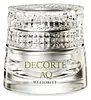
This anti-aging moisturizer is formulated around Squalane and Betula Platyphylla Japonica Juice to soften the look of wrinkles and strengthen the skin barrier.


What's inside
What's inside
 Key Ingredients
Benefits
Concerns
Ingredients Side-by-side
Water
Skin ConditioningButylene Glycol
Humectant

Glycerin
Humectant
Squalane
Emollient
Hydrogenated Lecithin
Emulsifying
Betula Platyphylla Japonica Juice
Skin Conditioning
Oleyl Oleate
Emollient

Cetearyl Alcohol
Emollient




Trimethylolpropane Triisostearate
Emollient
Alcohol
Antimicrobial


Phytosteryl Oleate
Skin ConditioningLimnanthes Alba Seed Oil
Skin Conditioning
Behenyl Alcohol
Emollient
Theanine
EmollientAcanthopanax Senticosus Root Extract
Skin ConditioningAcorus Calamus Root Extract
Perfuming
Adenosine
Skin Conditioning
Alnus Firmifolia Fruit Extract
Skin ConditioningAscorbyl Tetraisopalmitate
Antioxidant


Betula Platyphylla Japonica Bark Extract
Skin ConditioningCamellia Sinensis Leaf Extract
Antimicrobial



Chrysanthellum Indicum Extract
Skin Conditioning
Eugenia Caryophyllus Flower Extract
AstringentHydrolyzed Collagen
Emollient
Hydrolyzed Soybean Extract
Skin ConditioningIsodonis Japonicus Leaf/Stalk Extract
MaskingJania Rubens Extract
Skin Conditioning
Lactobacillus/Soymilk Ferment Filtrate
Skin ConditioningLonicera Caerulea Fruit Juice
HumectantLonicera Japonica Flower Extract
Skin ConditioningMaltose
MaskingMentha Piperita Leaf Extract
Skin ConditioningMucuna Birdwoodiana Stem Extract
Skin ConditioningOenothera Biennis Seed Extract
Skin ConditioningPalmitoyl Pentapeptide-4
Skin Conditioning

Poria Cocos Sclerotium Extract
AstringentSantalum Album Wood Extract
Perfuming
Sesamum Indicum Sprout Extract
HumectantSodium Hyaluronate
Humectant
Theobroma Cacao Seed Extract
Antioxidant
Tocopherol
Antioxidant
Tocotrienols
Skin Conditioning
Ziziphus Jujuba Fruit Extract
Skin ConditioningAlgin
MaskingCarbomer
Emulsion StabilisingCholesterol
Emollient
Cholesteryl/Behenyl/Octyldodecyl Lauroyl Glutamate
Skin ConditioningDimethicone
Emollient
Diphenylsiloxy Phenyl Trimethicone
Skin Conditioning
Disodium Succinate
MaskingEthyl Oleate
Emollient
Hydrogenated Coconut Oil
Emollient
Hydrogenated Palm Oil
Emollient
Hydrogenated Polyisobutene
EmollientIsohexadecane
EmollientLecithin
Emollient
Oleyl Alcohol
Emollient
Oryza Sativa Bran Oil
Emollient
Phytosteryl Macadamiate
Skin Conditioning
Phytosteryl/Octyldodecyl Lauroyl Glutamate
Skin ConditioningPolysorbate 20
Emulsifying
Polysorbate 80
Emulsifying
Sodium Acrylate/Sodium Acryloyldimethyl Taurate Copolymer
Emulsion StabilisingSodium Hydroxide
BufferingSodium Lactate
Buffering
Sodium Methyl Stearoyl Taurate
CleansingSorbitan Oleate
Emulsifying
Succinic Acid
BufferingPhenoxyethanol
Preservative
Parfum
Masking
Caramel
Cosmetic ColorantWater, Butylene Glycol, Glycerin, Squalane, Hydrogenated Lecithin, Betula Platyphylla Japonica Juice, Oleyl Oleate, Cetearyl Alcohol, Trimethylolpropane Triisostearate, Alcohol, Phytosteryl Oleate, Limnanthes Alba Seed Oil, Behenyl Alcohol, Theanine, Acanthopanax Senticosus Root Extract, Acorus Calamus Root Extract, Adenosine, Alnus Firmifolia Fruit Extract, Ascorbyl Tetraisopalmitate, Betula Platyphylla Japonica Bark Extract, Camellia Sinensis Leaf Extract, Chrysanthellum Indicum Extract, Eugenia Caryophyllus Flower Extract, Hydrolyzed Collagen, Hydrolyzed Soybean Extract, Isodonis Japonicus Leaf/Stalk Extract, Jania Rubens Extract, Lactobacillus/Soymilk Ferment Filtrate, Lonicera Caerulea Fruit Juice, Lonicera Japonica Flower Extract, Maltose, Mentha Piperita Leaf Extract, Mucuna Birdwoodiana Stem Extract, Oenothera Biennis Seed Extract, Palmitoyl Pentapeptide-4, Poria Cocos Sclerotium Extract, Santalum Album Wood Extract, Sesamum Indicum Sprout Extract, Sodium Hyaluronate, Theobroma Cacao Seed Extract, Tocopherol, Tocotrienols, Ziziphus Jujuba Fruit Extract, Algin, Carbomer, Cholesterol, Cholesteryl/Behenyl/Octyldodecyl Lauroyl Glutamate, Dimethicone, Diphenylsiloxy Phenyl Trimethicone, Disodium Succinate, Ethyl Oleate, Hydrogenated Coconut Oil, Hydrogenated Palm Oil, Hydrogenated Polyisobutene, Isohexadecane, Lecithin, Oleyl Alcohol, Oryza Sativa Bran Oil, Phytosteryl Macadamiate, Phytosteryl/Octyldodecyl Lauroyl Glutamate, Polysorbate 20, Polysorbate 80, Sodium Acrylate/Sodium Acryloyldimethyl Taurate Copolymer, Sodium Hydroxide, Sodium Lactate, Sodium Methyl Stearoyl Taurate, Sorbitan Oleate, Succinic Acid, Phenoxyethanol, Parfum, Caramel
Water
Skin ConditioningGlycerin
Humectant
Maris Aqua
HumectantSodium Acrylates Copolymer
1,2-Hexanediol
Skin Conditioning
Cellulose
Absorbent
Microcrystalline Cellulose
AbsorbentPropanediol
Solvent
Glyceryl Glucoside
Humectant
Ethylhexyl Polyhydroxystearate
EmollientOryza Sativa Bran Oil
Emollient
Squalane
Emollient
Lecithin
Emollient
Sodium Phytate
ChelatingCitric Acid
Buffering
Sodium Hyaluronate
Humectant
O-Cymen-5-Ol
Antimicrobial
Hydrolyzed Rice Protein
Skin ConditioningMaltodextrin
Absorbent
Sodium Citrate
BufferingSodium Hydroxide
BufferingHydrolyzed Adansonia Digitata Extract
EmollientPorphyridium Cruentum Extract
Skin ConditioningPhragmites Communis Extract
Skin ConditioningPoria Cocos Extract
Skin ConditioningBackhousia Citriodora Leaf Extract
AstringentSodium Benzoate
Masking
Aloe Barbadensis Leaf Juice Powder
Skin Conditioning
Camellia Sinensis Leaf Extract
Antimicrobial
Hydrogenated Lecithin
Emulsifying
Tocopheryl Acetate
Antioxidant
Xanthan Gum
EmulsifyingAlanyl Glutamine
HumectantArginine
Masking
Oligopeptide-177
Phenylalanine
Masking
Potassium Sorbate
Preservative
Sisymbrium Irio Seed Oil
Masking
Sodium Chloride
MaskingEpigallocatechin Gallatyl Glucoside
Antioxidant
Water, Glycerin, Maris Aqua, Sodium Acrylates Copolymer, 1,2-Hexanediol, Cellulose, Microcrystalline Cellulose, Propanediol, Glyceryl Glucoside, Ethylhexyl Polyhydroxystearate, Oryza Sativa Bran Oil, Squalane, Lecithin, Sodium Phytate, Citric Acid, Sodium Hyaluronate, O-Cymen-5-Ol, Hydrolyzed Rice Protein, Maltodextrin, Sodium Citrate, Sodium Hydroxide, Hydrolyzed Adansonia Digitata Extract, Porphyridium Cruentum Extract, Phragmites Communis Extract, Poria Cocos Extract, Backhousia Citriodora Leaf Extract, Sodium Benzoate, Aloe Barbadensis Leaf Juice Powder, Camellia Sinensis Leaf Extract, Hydrogenated Lecithin, Tocopheryl Acetate, Xanthan Gum, Alanyl Glutamine, Arginine, Oligopeptide-177, Phenylalanine, Potassium Sorbate, Sisymbrium Irio Seed Oil, Sodium Chloride, Epigallocatechin Gallatyl Glucoside
Ingredients Explained
These ingredients are found in both products.
Ingredients higher up in an ingredient list are typically present in a larger amount.
Camellia Sinensis Leaf Extract (tea extract) is one of the most well-researched plant extracts in skincare with an impressive resume.
Black tea, green tea, and oolong tea are all harvested from the Camellia Sinensis plant.
Studies show green tea extract and its catechins (like epigallocatechin gallate (EGCG)) help your skin cells product energy more efficiently and reducing the number of free-radicals that can damage your skin from the inside.
In lab-grown skin models, this translated to younger, healthier, and stronger skin.
There's also good sun protection data; researchers saw less DNA damage and redness on human skin when green tea was applied before UVB exposure. And the more they applied, the better the protection.
Needless to say, this ingredient shouldn't replace your sunscreen. But it is a great supportive ingredient that you can already find in many sunscreens and antioxidant serums.
A 2009 study found a 2% green tea lotion was effective for mild-to-moderate acne thanks to its anti-inflammatory and mild antimicrobial activity.
The quality of the extract matters a lot here:
Good extracts contain 50-90% catechins while lower quality ones are mostly there for marketing. We recommend reaching out to the brand if you have questions about the quality or source of their ingredients.
Human Repeated Insult Patch Testing showed no irritation or sensitization at use concentrations (0.86% in leave-on products and up to 30% as leaf water).
Learn more about Camellia Sinensis Leaf ExtractGlycerin (or glycerol) is a compound naturally found in your skin. It's a powerhouse humectant that pulls water into the stratum corneum.
Topically, glycerin does several things at once:
Your skin makes glycerin on its own (mostly from sebaceous oil breakdown) and shuttles it to your outermost layer of skin, or your epidermis, via aquaporin-3.
Aquaporin-3 is a transporter that is essential for normal skin hydration, elasticity, and repair. Interestingly, mice lacking in AQP3 have dry and less elastic skin that can be fully corrected with glycerin.
This ingredient is non-irritating, plays well with almost every ingredient, and works across all skin types. Typical use is anywhere between 3-10% but can go up to 79% in some leave-on products.
Just know very high concentrations (>40%) can feel tacky in low humidity.
Glycerin is the name for this ingredient in American English. British English uses Glycerol/Glycerine.
Learn more about GlycerinHydrogenated Lecithin is a more stable version of lecithin.
It's made by taking lecithin (a phospholipid commonly found in soybeans and egg yolks) and hydrogenating it. This just means the unsaturated fatty acids are turned into saturated ones so they don't go bad as easily.
This ingredient is an emollient, emulsifier, and penetration enhancer. As an emollient, it helps soften and hydrate skin by trapping moisture within. As an emulsifier, it prevents oil and water ingredients from separating.
Hydrogenated Lecithin can form tiny spherical structures made of phospholipid bilayers called liposomes. These liposomes are able to capture compounds inside their structure and deliver them through the skin barrier.
Because phospholipids are a natural component of our cell membranes, this ingredient is inherently compatible with skin.
A 2021 study found lecithin-based surfactants were less harsh and more tolerable comared to Sodium Lauryl Sulfate (SLS).
Learn more about Hydrogenated LecithinLecithin is a term for a group of substances found in the cell membranes of plants, animals, and humans. They are made up of phospholipids.
Thanks to its amphiphilic structure (water-loving head and oil-loving tail), it is a true multitasker:
It plays well with most ingredients and is typically used at 0.1-1%. However, concentrations up to 50% have been reported in moisturizers.
Learn more about LecithinThis oil comes from the outer layer (bran) of rice grains. It is packed with skin-friendly fatty acids to soften and condition the skin while supporting your moisture barrier.
What makes it stand out from other plant oils is its naturally high concentration of gamma-oryzanol, a potent antioxidant. This antioxidant has shown some UV-absorptive properties in research.
Other antioxidants found in this oil include tocopherols, tocotrienols, and ferulic acid.
According to manufacturers, this oil has a lightweight texture that absorbs nicely.
The CIR (Cosmetic Ingredient Review) has concluded this ingredient to be safe as used in cosmetics and it has not shown to be a skin sensitizer in testing (unless you have a known rice allergy).
Due to the fatty acids (primarily Oleic Acid ~40%, Linoleic Acid ~30%, and some Palmitic Acid), this ingredient may not be fungal acne safe.
Learn more about Oryza Sativa Bran OilSodium Hyaluronate is the salt form of hyaluronic acid. It is a long sugar chain that is naturally found in your skin, joints, and connective tissue that maintains hydration and elasticity.
In skincare, it works as a humectant. It pulls water from the environment and deeper layers of skin and binds it to the surface.
Interestingly, the size of the molecule affects its behavior:
Some clinical evidence links low molecular weight versions to improved wrinkle depth, elasticity, anti-inflammatory effects, and barrier repair.
Many serums use a blend of both weights so you can get surface hydration plus longer-lasting and deeper effects.
You'll typically see concentrations between 0.1-2% for this ingredient.
Learn more about Sodium HyaluronateSodium Hydroxide is also known as lye or caustic soda. It is used to adjust the pH of products; many ingredients require a specific pH to be effective.
In small amounts, sodium hydroxide is considered safe to use. However, large amounts may cause chemical burns due to its high alkaline.
Your skin has a natural pH and acid mantle. This acid mantle helps prevent harmful bacteria from breaking through. The acid mantle also helps keep your skin hydrated.
"Alkaline" refers to a high pH level. A low pH level would be considered acidic.
Learn more about Sodium HydroxideSqualane is the hydrogenated and shelf-stable form of squalene (a lipid that naturally occurs in human sebum).
It is an emollient and skin conditioning agent that is able to integrate seamlessly into the skin's lipid barrier without clogging pores.
This is due to how structurally similar it is to what your skin already produces.
Though it is mostly an emollient that helps soften and hydrate skin, it also has some humectant and occlusive action. Humectants help the skin retain moisture while occlusives seal it in, making squalane a triple-threat moisturizer.
Research shows it has antioxidant capabilities that help protect against stressors like UV exposure, specifically UVA induced oxidative stress. This study also found that it supports collagen biosynthesis in human dermal fibroblasts.
No clinical study has reported significant adverse effects and irritation reactions are very rare from this ingredient (even at 100% concentration).
Overall, it's a fantastic ingredient for hydration and is suitable for all skin types.
This depends on the source. Squalane can be derived from both plants and animals. Most squalane used in skincare comes from plants.
Please note: the source of squalane is only known if disclosed by the brand. We recommend reaching out to the brand if you have any questions about their squalane.
Read more about squalene with an "e".
Though squalane is often called an oil, it’s technically not one. It is a hydrocarbon, meaning it is only made of carbon and hydrogen. True oils are triglycerides and made of fatty acids and glycerol.
The term “oil-free” isn’t regulated so companies can define it however they want. Some exclude all oils, while others just avoid mineral oil or comedogenic oils.
Squalane has a comedogenic rating of 1 from the original 1972 study that tested raw ingredients under occlusion on rabbit ears. This system is not standardized or peer-reviewed, and using the raw ingredients is very different from how diluted cosmetic formulations are used on human skin.
A comedogenic rating of 1 means it is "unlikely to clog pores" according to the original rating system.
The overall formula of a product matters more than the individual ingredients on whether or not it will cause clogged pores.
Learn more about SqualaneWater. It's the most common cosmetic ingredient of all. You'll usually see it at the top of ingredient lists, meaning that it makes up the largest part of the product.
So why is it so popular? Water most often acts as a solvent - this means that it helps dissolve other ingredients into the formulation.
You'll also recognize water as that liquid we all need to stay alive. If you see this, drink a glass of water. Remember to stay hydrated!
Learn more about Water


