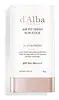
This chemical sunscreen covers the full UV range, though its SPF isn't confirmed on file yet.
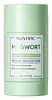
This wash off mask is formulated around Salicylic Acid to clear breakouts and unclog pores.


What's inside
What's inside
 Key Ingredients
Benefits
Concerns
Ingredients Side-by-side
Methyl Methacrylate Crosspolymer

Synthetic Wax
Abrasive

Isopropyl Palmitate
Emollient



Caprylyl Methicone
Skin Conditioning
Coco-Caprylate/Caprate
Emollient
Ethylhexyl Palmitate
Emollient
Vinyldimethicone
Dicaprylyl Carbonate
EmollientDibutyl Adipate
EmollientDiethylamino Hydroxybenzoyl Hexyl Benzoate
UV Filter
Ozokerite
Emulsion StabilisingEthylhexyl Triazone
UV Absorber
Polysilicone-15
UV Filter
Bis-Ethylhexyloxyphenol Methoxyphenyl Triazine
UV Absorber
Oryza Sativa Extract
Absorbent



Tocopherol
Antioxidant




Macrocystis Pyrifera Extract
Skin Conditioning
Artemisia Vulgaris Extract
Skin Conditioning
Tropaeolum Majus Flower/Leaf/Stem Extract
Skin ConditioningCamellia Sinensis Leaf Extract
Antimicrobial
Paeonia Officinalis Flower Extract
TonicSymphytum Officinale Leaf Extract
Skin ConditioningOenothera Biennis Flower Extract
AstringentDiospyros Kaki Fruit Extract
Skin ConditioningPinus Densiflora Leaf Extract
Antimicrobial
Pueraria Lobata Root Extract
HumectantDiospyros Kaki Leaf Extract
Skin Protecting
Vitis Vinifera Fruit Extract
Skin ConditioningCarthamus Tinctorius Flower Extract
Skin ConditioningCoffea Arabica Seed Extract
Masking
Daucus Carota Sativa Root Extract
Skin Conditioning
Castanea Sativa Seed Extract
Skin ConditioningCitrus Limon Fruit Extract
Masking
Citrus Aurantium Dulcis Peel Oil
Masking

Citrus Limon Fruit Oil
Astringent
Cupressus Sempervirens Leaf Water
Skin ConditioningBetula Platyphylla Japonica Juice
Skin Conditioning
Hydrogenated Lecithin
Emulsifying
Glyceryl Caprylate
EmollientPolyglyceryl-4 Diisostearate/Polyhydroxystearate/Sebacate
Emulsifying
Water
Skin ConditioningButylene Glycol
Humectant
Allantoin
Skin Conditioning
1,2-Hexanediol
Skin Conditioning
Glycerin
Humectant
Dipropylene Glycol
HumectantFructooligosaccharides
Humectant
Beta-Glucan
Skin Conditioning
Hydrolyzed Hyaluronic Acid
Humectant
Ethylhexylglycerin
Skin ConditioningLimonene
Perfuming
Citral
Perfuming
Linalool
Perfuming
Methyl Methacrylate Crosspolymer, Synthetic Wax, Isopropyl Palmitate, Caprylyl Methicone, Coco-Caprylate/Caprate, Ethylhexyl Palmitate, Vinyldimethicone, Dicaprylyl Carbonate, Dibutyl Adipate, Diethylamino Hydroxybenzoyl Hexyl Benzoate, Ozokerite, Ethylhexyl Triazone, Polysilicone-15, Bis-Ethylhexyloxyphenol Methoxyphenyl Triazine, Oryza Sativa Extract, Tocopherol, Macrocystis Pyrifera Extract, Artemisia Vulgaris Extract, Tropaeolum Majus Flower/Leaf/Stem Extract, Camellia Sinensis Leaf Extract, Paeonia Officinalis Flower Extract, Symphytum Officinale Leaf Extract, Oenothera Biennis Flower Extract, Diospyros Kaki Fruit Extract, Pinus Densiflora Leaf Extract, Pueraria Lobata Root Extract, Diospyros Kaki Leaf Extract, Vitis Vinifera Fruit Extract, Carthamus Tinctorius Flower Extract, Coffea Arabica Seed Extract, Daucus Carota Sativa Root Extract, Castanea Sativa Seed Extract, Citrus Limon Fruit Extract, Citrus Aurantium Dulcis Peel Oil, Citrus Limon Fruit Oil, Cupressus Sempervirens Leaf Water, Betula Platyphylla Japonica Juice, Hydrogenated Lecithin, Glyceryl Caprylate, Polyglyceryl-4 Diisostearate/Polyhydroxystearate/Sebacate, Water, Butylene Glycol, Allantoin, 1,2-Hexanediol, Glycerin, Dipropylene Glycol, Fructooligosaccharides, Beta-Glucan, Hydrolyzed Hyaluronic Acid, Ethylhexylglycerin, Limonene, Citral, Linalool
Water
Skin ConditioningKaolin
Abrasive
Butylene Glycol
Humectant
Glycerin
Humectant
Artemisia Vulgaris Extract
Skin Conditioning
Diglycerin
Humectant
Mica
Cosmetic ColorantPEG-32
HumectantSodium Palmitate
CleansingGlyceryl Polymethacrylate
Pvm/Ma Copolymer
Emulsion StabilisingCeramide EOP
Skin Conditioning
Ceramide AP
Skin Conditioning
Ceramide Ns
Skin Conditioning
Ceramide Ng
Skin Conditioning
Ceramide As
Skin Conditioning
Ceramide NP
Skin Conditioning
CI 77289
Cosmetic ColorantPhenoxyethanol
Preservative
PEG-40 Hydrogenated Castor Oil
Emulsifying
CI 77492
Cosmetic ColorantMenthyl Lactate
Masking
Beta-Glucan
Skin Conditioning
Curcuma Longa Root Extract
Antioxidant
Verbascum Thapsus Extract
Skin ConditioningNiacinamide
Smoothing

Centella Asiatica Extract
Cleansing
Salicylic Acid
Masking

Pinus Densiflora Leaf Extract
Antimicrobial
Lactobacillus Ferment Lysate
Skin Conditioning
Saccharide Isomerate
Humectant
Hydroxypropyl Cyclodextrin
MaskingDipropylene Glycol
HumectantRhamnose
Humectant1,2-Hexanediol
Skin Conditioning
Water, Kaolin, Butylene Glycol, Glycerin, Artemisia Vulgaris Extract, Diglycerin, Mica, PEG-32, Sodium Palmitate, Glyceryl Polymethacrylate, Pvm/Ma Copolymer, Ceramide EOP, Ceramide AP, Ceramide Ns, Ceramide Ng, Ceramide As, Ceramide NP, CI 77289, Phenoxyethanol, PEG-40 Hydrogenated Castor Oil, CI 77492, Menthyl Lactate, Beta-Glucan, Curcuma Longa Root Extract, Verbascum Thapsus Extract, Niacinamide, Centella Asiatica Extract, Salicylic Acid, Pinus Densiflora Leaf Extract, Lactobacillus Ferment Lysate, Saccharide Isomerate, Hydroxypropyl Cyclodextrin, Dipropylene Glycol, Rhamnose, 1,2-Hexanediol
Reviews
Ingredients Explained
These ingredients are found in both products.
Ingredients higher up in an ingredient list are typically present in a larger amount.
1,2-Hexanediol is a synthetic liquid and another multi-functional powerhouse.
It is a:
- Humectant, drawing moisture into the skin
- Emollient, helping to soften skin
- Solvent, dispersing and stabilizing formulas
- Preservative booster, enhancing the antimicrobial activity of other preservatives
Artemisia Vulgaris Extract is more commonly known as the common mugwort. It has strong antioxidant properties and helps soothe irritation.
Antioxidants protect skin from damage and the signs of aging.
This plant contains the compounds saponins, glycosides, flavanoids, protein, triterpenoids.
The common wugwort has been used in traditional Indian, Chinese, and European medicines to treat gastrointestinal diseases.
Learn more about Artemisia Vulgaris ExtractBeta-Glucan is a soluble polysaccharide (a chain of glucose sugars) sourced from the cells walls of oats, baker's yeast, mushrooms, and seaweed.
It's a rare ingredient that pulls double-duty as a heavy-duty hydrator and skin-soothing repair agent.
On the surface, it acts as a humectant that holds water in place and reduces moisture loss for a plumper, smoother feel, while its anti-inflammatory and antioxidant properties make it a great pick for calming redness or sensitive skin
The more interesting story is underneath:
Despite its large molecular size, oat beta-glucan has been shown to penetrate the epidermis and reach the dermis by slipping between skin cells. Here, it interacts with fibroblasts and macrophages to nudge collagen synthesis and support wound repair.
A small 2005 split-face clinical study of 27 subjects found topical beta-glucan produced measurable reductions in wrinkle depth, height, and roughness after 8 weeks of use.
It is worth noting the trial was small and the penetration testing used frozen, irradiated skin so the anti-aging data is encouraging rather than definitive.
This ingredient gets along with pretty much everything and is typically used around 0.1-1%.
Fungal acne: This ingredient is not a food source for the Malassezia yeast because it is a glucose polysaccharide with no fatty acid or ester component.
Learn more about Beta-GlucanButylene Glycol (or BG) is used within cosmetic products for a few different reasons:
Overall, Butylene Glycol is a safe and well-rounded ingredient that works well with other ingredients.
Though this ingredient works well with most skin types, some people with sensitive skin may experience a reaction such as allergic rashes, closed comedones, or itchiness.
Learn more about Butylene GlycolDipropylene Glycol is a synthetically created humectant, stabilizer, and solvent.
This ingredient helps:
Dipropylene glycol is technically an alcohol, but it belongs to the glycol family (often considered part of the ‘good’ alcohols). This means it is hydrating and gentle on skin unlike drying solvent alcohols like denatured alcohol.
As a masking agent, Dipropylene Glycol can be used to cover the smell of other ingredients. However, it does not have a scent.
Studies show Dipropylene Glycol is considered safe to use in skincare.
Learn more about Dipropylene GlycolGlycerin (or glycerol) is a compound naturally found in your skin. It's a powerhouse humectant that pulls water into the stratum corneum.
Topically, glycerin does several things at once:
Your skin makes glycerin on its own (mostly from sebaceous oil breakdown) and shuttles it to your outermost layer of skin, or your epidermis, via aquaporin-3.
Aquaporin-3 is a transporter that is essential for normal skin hydration, elasticity, and repair. Interestingly, mice lacking in AQP3 have dry and less elastic skin that can be fully corrected with glycerin.
This ingredient is non-irritating, plays well with almost every ingredient, and works across all skin types. Typical use is anywhere between 3-10% but can go up to 79% in some leave-on products.
Just know very high concentrations (>40%) can feel tacky in low humidity.
Glycerin is the name for this ingredient in American English. British English uses Glycerol/Glycerine.
Learn more about GlycerinThis ingredient comes from the needles of the pine tree native to Korea and Japan. It's rich in antioxidant compounds like protocatechuic acid and shikimic acid.
Research on human skin fibroblast cells found that the extract inhibited UVB-induced cytotoxicity and suppressed the enzymes that break down collagen and reduce skin elasticity. This extract also inhibited elastase activity which is relevant for maintaining skin firmness over time.
Studies also show that it has antifungal activity against Malassezia furfur. This is the yeast that causes conditions like dandruff, seborrheic dermatitis, and folliculitis (fungal acne). It also displays anti-inflammatory activity.
On top of all this, all tested fractions of the extract demonstrated significant tyrosinase inhibitory activity comparable to ascorbic acid. This suggests it can play a potential role in fading hyperpigmentation.
Learn more about Pinus Densiflora Leaf ExtractWater. It's the most common cosmetic ingredient of all. You'll usually see it at the top of ingredient lists, meaning that it makes up the largest part of the product.
So why is it so popular? Water most often acts as a solvent - this means that it helps dissolve other ingredients into the formulation.
You'll also recognize water as that liquid we all need to stay alive. If you see this, drink a glass of water. Remember to stay hydrated!
Learn more about Water

