COSRX Full Fit Propolis Light Cream Versus Apivita Natural Cosmetics Queen Bee Absolute Anti-Aging & Replenishing Night Cream
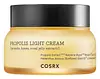
This calming moisturizer is formulated around Propolis Extract and Honey Extract to calm redness and hydrate skin.
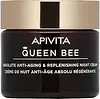
This anti-aging night moisturizer is formulated around Squalane and Royal Jelly to soften the look of wrinkles and hydrate skin.


What's inside
What's inside
 Key Ingredients
Benefits
Concerns
Ingredients Side-by-side
Propolis Extract
Skin Conditioning




Butylene Glycol
Humectant

Glycerin
Humectant
Caprylic/Capric Triglyceride
Masking
Helianthus Annuus Seed Oil
Emollient


1,2-Hexanediol
Skin Conditioning
Honey Extract
Humectant
Royal Jelly Extract
Skin Conditioning
Hydroxyethyl Acrylate/Sodium Acryloyldimethyl Taurate Copolymer
Emulsion StabilisingCassia Obtusifolia Seed Extract
Skin ConditioningCetearyl Olivate
Beeswax
Emulsion Stabilising


Cetearyl Alcohol
Emollient
Sorbitan Olivate
Emulsifying
Allantoin
Skin Conditioning
Arginine
Masking
Carbomer
Emulsion StabilisingXanthan Gum
EmulsifyingPropolis Extract, Butylene Glycol, Glycerin, Caprylic/Capric Triglyceride, Helianthus Annuus Seed Oil, 1,2-Hexanediol, Honey Extract, Royal Jelly Extract, Hydroxyethyl Acrylate/Sodium Acryloyldimethyl Taurate Copolymer, Cassia Obtusifolia Seed Extract, Cetearyl Olivate, Beeswax, Cetearyl Alcohol, Sorbitan Olivate, Allantoin, Arginine, Carbomer, Xanthan Gum
Water
Skin ConditioningGlycerin
Humectant
Lactobacillus/Pumpkin Ferment Extract
Skin ConditioningPropanediol
Solvent
Squalane
Emollient
Triheptanoin
Skin ConditioningHydrogenated Ethylhexyl Olivate
EmollientCetearyl Glucoside
Emulsifying
Cetearyl Alcohol
Emollient
Olus Oil
Emollient
Butyrospermum Parkii Butter
Skin Conditioning
Sorbitan Olivate
Emulsifying
Magnesium Aluminum Silicate
Absorbent
C10-18 Triglycerides
Emollient
Propolis Extract
Skin Conditioning
Royal Jelly
Mel Extract
MoisturisingCera Alba
Emollient
Leontopodium Alpinum Callus Culture Extract
Antioxidant
Anigozanthos Flavidus Extract
Skin ConditioningZymomonas Ferment Extract
HumectantMagnolia Officinalis Bark Extract
Antimicrobial
Rosa Canina Fruit Extract
Astringent
Panthenol
Skin Conditioning
Bisabolol
Antioxidant
Maltodextrin
Absorbent
Lactobacillus Ferment
Skin Conditioning
Olea Europaea Fruit Oil
Masking
Commiphora Myrrha Gum Oil
Perfuming

Commiphora Myrrha Oil
Masking
Helianthus Annuus Seed Oil
Emollient
Boswellia Carterii Oil
Masking
Rosa Damascena Flower Oil
Masking
Hydrogenated Olive Oil Unsaponifiables
Emollient
Saccharide Isomerate
Humectant
Tocopheryl Acetate
Antioxidant

Lecithin
Emollient
Hydroxypropyl Cyclodextrin
MaskingAscorbyl Tetraisopalmitate
Antioxidant
Sodium Gluconate
ChelatingTocopherol
Antioxidant
Cetyl Palmitate
Emollient
Sorbitan Palmitate
Emulsifying
Xanthan Gum
EmulsifyingHydroxyacetophenone
Antioxidant
Ethylhexylglycerin
Skin ConditioningPentylene Glycol
Skin Conditioning
Phenethyl Alcohol
MaskingCitric Acid
Buffering
Parfum
Masking
Benzyl Salicylate
Perfuming
Linalool
Perfuming
Limonene
Perfuming
Citronellol
Perfuming
Geraniol
Perfuming
Alpha-Isomethyl Ionone
Perfuming
Hydroxycitronellal
Perfuming
Water, Glycerin, Lactobacillus/Pumpkin Ferment Extract, Propanediol, Squalane, Triheptanoin, Hydrogenated Ethylhexyl Olivate, Cetearyl Glucoside, Cetearyl Alcohol, Olus Oil, Butyrospermum Parkii Butter, Sorbitan Olivate, Magnesium Aluminum Silicate, C10-18 Triglycerides, Propolis Extract, Royal Jelly, Mel Extract, Cera Alba, Leontopodium Alpinum Callus Culture Extract, Anigozanthos Flavidus Extract, Zymomonas Ferment Extract, Magnolia Officinalis Bark Extract, Rosa Canina Fruit Extract, Panthenol, Bisabolol, Maltodextrin, Lactobacillus Ferment, Olea Europaea Fruit Oil, Commiphora Myrrha Gum Oil, Commiphora Myrrha Oil, Helianthus Annuus Seed Oil, Boswellia Carterii Oil, Rosa Damascena Flower Oil, Hydrogenated Olive Oil Unsaponifiables, Saccharide Isomerate, Tocopheryl Acetate, Lecithin, Hydroxypropyl Cyclodextrin, Ascorbyl Tetraisopalmitate, Sodium Gluconate, Tocopherol, Cetyl Palmitate, Sorbitan Palmitate, Xanthan Gum, Hydroxyacetophenone, Ethylhexylglycerin, Pentylene Glycol, Phenethyl Alcohol, Citric Acid, Parfum, Benzyl Salicylate, Linalool, Limonene, Citronellol, Geraniol, Alpha-Isomethyl Ionone, Hydroxycitronellal
Reviews
Ingredients Explained
These ingredients are found in both products.
Ingredients higher up in an ingredient list are typically present in a larger amount.
Cetearyl alcohol is a waxy mixture of two fatty alcohols: cetyl alcohol and stearyl alcohol. It is an emollient and emulsifier.
Despite having "alcohol" in its name, it has nothing to do with drying solvent alcohols; the FDA also allows "alcohol-free" products to contain fatty alcohols like this ingredient.
It plays several roles in a formula:
Typical use levels for this ingredient sit around 1-10% and the Cosmetic Ingredient Review Expert Panel has affirmed safety at concentrations up to 25% in leave-on products.
Multiple assessments have found it to be non-irritating and non-sensitizing to most people.
However, there have been some cases of allergic contact dermatitis in patients with chronically compromised skin barriers.
Cetearyl alcohol has a comedogenic rating of 2 and irritancy rating of 1. Both of these numbers come from the 1989 study that used rabbit ears; a "2" means mildly comedogenic and a "1" means low irritancy.
Here's the catch: rabbit skin is more sensitive than human skin and throws a lot of false positives. A 1996 reappraisal found that ingredients rated 1-2 in the rabbit ear tests are generally safe for humans.
Remember comedogenic ratings are unable to assess the entire formula of a product or how it will react on your skin. Just be sure to patch test if you are unsure about certain ingredients.
This ingredient is not fungal acne safe. Cetearyl alcohol is a fatty alcohol with chain lengths that fall within the range that Malassezia can metabolize.
A 2019 study has also observed Malassezia growth in the presence of this ingredient, confirming it to be not-fungal acne safe.
Learn more about Cetearyl AlcoholGlycerin (or glycerol) is a compound naturally found in your skin. It's a powerhouse humectant that pulls water into the stratum corneum.
Topically, glycerin does several things at once:
Your skin makes glycerin on its own (mostly from sebaceous oil breakdown) and shuttles it to your outermost layer of skin, or your epidermis, via aquaporin-3.
Aquaporin-3 is a transporter that is essential for normal skin hydration, elasticity, and repair. Interestingly, mice lacking in AQP3 have dry and less elastic skin that can be fully corrected with glycerin.
This ingredient is non-irritating, plays well with almost every ingredient, and works across all skin types. Typical use is anywhere between 3-10% but can go up to 79% in some leave-on products.
Just know very high concentrations (>40%) can feel tacky in low humidity.
Glycerin is the name for this ingredient in American English. British English uses Glycerol/Glycerine.
Learn more about GlycerinHelianthus Annuus Seed Oil is a plant oil derived from the seeds of a sunflower.
It is rich in fatty acids, primarily linoleic acid and oleic acid. This gives it emollient and skin conditioning properties.
The reason this ingredient is so effective is because it forms a thin film on the skin that reduces transepidermal water loss (TEWL) while supplying linoleic acid to the stratum corneum to improve barrier strength.
The high linoleic acid content is particularly noteworthy for acne-prone skin.
Research suggests that acne-prone skin tends to be deficient in linoleic acid in sebum. Topical application may help replenish this to support a healthier follicular environment and less comedone-promoting sebum.
One randomized study found sunflower seed oil preserved skin barrier integrity in adult volunteers with and without atopic dermatitis (outperforming olive oil).
This ingredient is well-studied, gentle, and an effective emollient suitable for most skin types.
On fungal acne: This ingredient may not be Fungal acne (Malassezia folliculitis) safe. This is because it contains fatty acids with carbon chain lengths in the C11-C24 range.
Learn more about Helianthus Annuus Seed OilPropolis Extract is a natural ingredient derived from propolis (also known as bee glue). Bees make propolis by mixing their saliva and beeswax with resins collected from tree buds and plants.
This ingredient is packed with bioactive compounds like flavonoids, phenolic acids, and amino acids that give it antioxidant and anti-inflammatory properties.
Research shows it can help:
It also pairs nicely with hydrating ingredients like niacinamide and ceramides.
Just so you know, Propolis Extract is recognized as a contact allergen. In patch tests done in the EU, roughly 1-6% of patients react to it. Be sure to steer clear of this ingredient if you have a known allergy to bee products.
Since it is an animal-derived product, this ingredient is not considered vegan. For vegan alternatives, check out Galactomyces Ferment Filtrate or Centella Asiatica Extract.
Learn more about Propolis ExtractSorbitan Olivate is created from the fatty acids in olive oil and sorbitol.
This ingredient is an oil in water emulsifier. It helps stabilize a product by preventing oils and waters from separating. Sorbitan Olivate also helps hydrate the skin.
This ingredient is also known as part of Olivem 1000, with Cetearyl Olivate being the other part.
According to a manufacturer, this ingredient helps preserve the natural microbiome of skin. Having a healthy microbiome helps keep our skin healthy and protects against harmful bacteria.
Please note, having a healthy microbiome is different from fungal acne; a healthy microbiome includes small amounts of yeast that normally live on your skin without causing problems.
Fungal acne happens when one type of yeast (Malassezia) grows out of control. This is usually because it's feeding on certain oils or fatty acids. Due to the olive oil base, this ingredient may not be fungal acne safe.
Learn more about Sorbitan OlivateXanthan gum is used as a stabilizer and thickener within cosmetic products. It helps give products a sticky, thick feeling - preventing them from being too runny.
On the technical side of things, xanthan gum is a polysaccharide - a combination consisting of multiple sugar molecules bonded together.
Xanthan gum is a pretty common and great ingredient. It is a natural, non-toxic, non-irritating ingredient that is also commonly used in food products.
Learn more about Xanthan Gum

