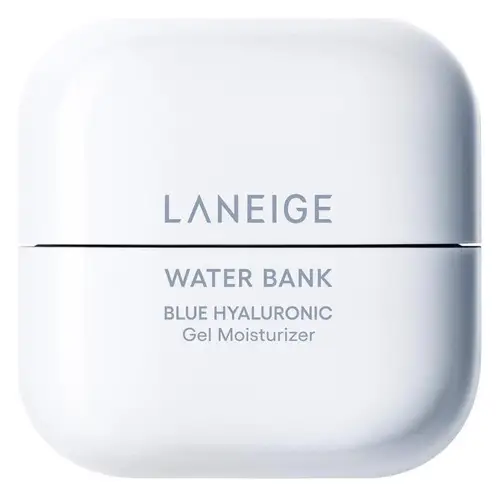
COSRX Advanced Snail 92 All In One Cream Versus Community Sixty-Six Oil Control Moisturizer with Niacinamide
This barrier-repair moisturizer is formulated around Snail Secretion Filtrate and Allantoin to strengthen the skin barrier and hydrate skin.
This oil-control moisturizer is formulated around Niacinamide and Azelaic Acid to balance excess oil and refine the look of pores.


What's inside
What's inside
 Key Ingredients
Benefits
Concerns
Ingredients Side-by-side
Snail Secretion Filtrate
Skin Conditioning





Betaine
Humectant
Caprylic/Capric Triglyceride
Masking
Butylene Glycol
Humectant
Cetearyl Olivate


Sorbitan Olivate
Emulsifying
Cetearyl Alcohol
Emollient



Carbomer
Emulsion StabilisingEthyl Hexanediol
SolventPhenoxyethanol
Preservative
Arginine
Masking
Dimethicone
Emollient
Sodium Polyacrylate
Absorbent
Sodium Hyaluronate
Humectant

Allantoin
Skin Conditioning
Palmitic Acid
Emollient
Panthenol
Skin Conditioning
Xanthan Gum
EmulsifyingStearic Acid
Cleansing
Adenosine
Skin Conditioning
Water
Skin ConditioningMyristic Acid
Cleansing
Snail Secretion Filtrate, Betaine, Caprylic/Capric Triglyceride, Butylene Glycol, Cetearyl Olivate, Sorbitan Olivate, Cetearyl Alcohol, Carbomer, Ethyl Hexanediol, Phenoxyethanol, Arginine, Dimethicone, Sodium Polyacrylate, Sodium Hyaluronate, Allantoin, Palmitic Acid, Panthenol, Xanthan Gum, Stearic Acid, Adenosine, Water, Myristic Acid
Water
Skin ConditioningEthylhexyl Palmitate
Emollient
Glyceryl Stearate Se
Emulsifying
Butylene Glycol
Humectant
Cetearyl Alcohol
Emollient
Coco-Caprylate/Caprate
Emollient
Myristic Acid
Cleansing
Niacinamide
Smoothing






Glycerin
Humectant
Saccharomyces Ferment
Skin Conditioning
Sodium Stearoyl Glutamate
CleansingSqualane
Emollient
Triheptanoin
Skin ConditioningTromethamine
BufferingLecithin
Emollient
Polysorbate 20
Emulsifying
Glyceryl Caprylate
EmollientCitric Acid
Buffering
C9-12 Alkane
SolventPolyurethane-10
C18-36 Acid Triglyceride
EmollientPolyacrylate-13
Lauroyl Lysine
Skin Conditioning
Vitis Vinifera Seed Oil
Emollient
Azelaic Acid
Buffering
Vaccinium Myrtillus Fruit Extract
Skin ConditioningDecyl Glucoside
Cleansing
Polyisobutene
Carbomer
Emulsion StabilisingHydroxyethylcellulose
Emulsion StabilisingSaccharum Officinarum Extract
MoisturisingAmmonium Acryloyldimethyltaurate/Vp Copolymer
Glyceryl Undecylenate
Emollient
1,2-Hexanediol
Skin Conditioning
Citrus Aurantium Dulcis Fruit Extract
MaskingCitrus Limon Fruit Extract
Masking
Sorbitan Isostearate
Emulsifying
Acer Saccharum Extract
Skin ConditioningAphanizomenon Flos-Aquae Extract
HumectantWine Extract
Antioxidant
Akebia Quinata Stem Extract
Skin ConditioningHydroxyacetophenone
Antioxidant
Lactobacillus Ferment Lysate
Skin Conditioning
Saccharomyces Lysate
Skin Conditioning
Sodium Benzoate
Masking
Caprylyl Glycol
Emollient
Sebacic Acid
BufferingDisodium Phosphate
BufferingPolysorbate 60
Emulsifying
Sodium Phosphate
BufferingWater, Ethylhexyl Palmitate, Glyceryl Stearate Se, Butylene Glycol, Cetearyl Alcohol, Coco-Caprylate/Caprate, Myristic Acid, Niacinamide, Glycerin, Saccharomyces Ferment, Sodium Stearoyl Glutamate, Squalane, Triheptanoin, Tromethamine, Lecithin, Polysorbate 20, Glyceryl Caprylate, Citric Acid, C9-12 Alkane, Polyurethane-10, C18-36 Acid Triglyceride, Polyacrylate-13, Lauroyl Lysine, Vitis Vinifera Seed Oil, Azelaic Acid, Vaccinium Myrtillus Fruit Extract, Decyl Glucoside, Polyisobutene, Carbomer, Hydroxyethylcellulose, Saccharum Officinarum Extract, Ammonium Acryloyldimethyltaurate/Vp Copolymer, Glyceryl Undecylenate, 1,2-Hexanediol, Citrus Aurantium Dulcis Fruit Extract, Citrus Limon Fruit Extract, Sorbitan Isostearate, Acer Saccharum Extract, Aphanizomenon Flos-Aquae Extract, Wine Extract, Akebia Quinata Stem Extract, Hydroxyacetophenone, Lactobacillus Ferment Lysate, Saccharomyces Lysate, Sodium Benzoate, Caprylyl Glycol, Sebacic Acid, Disodium Phosphate, Polysorbate 60, Sodium Phosphate
Reviews
Ingredients Explained
These ingredients are found in both products.
Ingredients higher up in an ingredient list are typically present in a larger amount.
Butylene Glycol (or BG) is used within cosmetic products for a few different reasons:
Overall, Butylene Glycol is a safe and well-rounded ingredient that works well with other ingredients.
Though this ingredient works well with most skin types, some people with sensitive skin may experience a reaction such as allergic rashes, closed comedones, or itchiness.
Learn more about Butylene GlycolCarbomer is a synthetic thickening and gelling agent. It's basically the ingredient that gives a lot of serums, gels, creams, and sunscreens their smooth, non-sticky texture.
Although legally permitted at very high levels, carbomers are normally used at concentrations below 1%.
It also needs to be neutralized to actually thicken, and because it is a large molecule, it doesn't really penetrate the skin barrier.
Allergy-wise, the risk is very low. Clinical studies show carbomers have low potential for skin irritation/sensitization even at concentrations up to 100%.
A 2024 UK study patch-tested 1,302 patients and found true allergy to the parent group of carbomer to be rare with no confirmed relevant reactions.
Learn more about CarbomerCetearyl alcohol is a waxy mixture of two fatty alcohols: cetyl alcohol and stearyl alcohol. It is an emollient and emulsifier.
Despite having "alcohol" in its name, it has nothing to do with drying solvent alcohols; the FDA also allows "alcohol-free" products to contain fatty alcohols like this ingredient.
It plays several roles in a formula:
Typical use levels for this ingredient sit around 1-10% and the Cosmetic Ingredient Review Expert Panel has affirmed safety at concentrations up to 25% in leave-on products.
Multiple assessments have found it to be non-irritating and non-sensitizing to most people.
However, there have been some cases of allergic contact dermatitis in patients with chronically compromised skin barriers.
Cetearyl alcohol has a comedogenic rating of 2 and irritancy rating of 1. Both of these numbers come from the 1989 study that used rabbit ears; a "2" means mildly comedogenic and a "1" means low irritancy.
Here's the catch: rabbit skin is more sensitive than human skin and throws a lot of false positives. A 1996 reappraisal found that ingredients rated 1-2 in the rabbit ear tests are generally safe for humans.
Remember comedogenic ratings are unable to assess the entire formula of a product or how it will react on your skin. Just be sure to patch test if you are unsure about certain ingredients.
This ingredient is not fungal acne safe. Cetearyl alcohol is a fatty alcohol with chain lengths that fall within the range that Malassezia can metabolize.
A 2019 study has also observed Malassezia growth in the presence of this ingredient, confirming it to be not-fungal acne safe.
Learn more about Cetearyl AlcoholMyristic Acid, aka tetradecanoic acid, is a naturally occurring fatty acid found in coconut oil and palm oil.
In skincare, it is an:
Research indicates that this ingredient posts a low risk of irritation and sensitization.
Since myristic acid is a C14 fatty acid, it falls within the range that Malassezia can metabolize, and therefore not fungal acne safe.
Learn more about Myristic AcidWater. It's the most common cosmetic ingredient of all. You'll usually see it at the top of ingredient lists, meaning that it makes up the largest part of the product.
So why is it so popular? Water most often acts as a solvent - this means that it helps dissolve other ingredients into the formulation.
You'll also recognize water as that liquid we all need to stay alive. If you see this, drink a glass of water. Remember to stay hydrated!
Learn more about Water