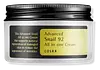
This calming moisturizer is formulated around Snail Secretion Filtrate and Allantoin to calm redness and hydrate skin.
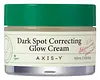
This brightening moisturizer is formulated around Niacinamide and Alpha-Arbutin to fade the look of dark spots and brighten dull-looking skin.

What's inside
What's inside
 Key Ingredients
Benefits
Concerns
Ingredients Side-by-side
Snail Secretion Filtrate
Skin Conditioning





Betaine
Humectant
Caprylic/Capric Triglyceride
Masking
Cetearyl Olivate


Sorbitan Olivate
Emulsifying
Cetearyl Alcohol
Emollient



Carbomer
Emulsion StabilisingArginine
Masking
Dimethicone
Emollient
Sodium Polyacrylate
Absorbent
Phenoxyethanol
Preservative
Sodium Hyaluronate
Humectant

Stearic Acid
Cleansing
Allantoin
Skin Conditioning
Panthenol
Skin Conditioning
Xanthan Gum
EmulsifyingEthyl Hexanediol
SolventAdenosine
Skin Conditioning
Water
Skin ConditioningGlycerin
Humectant
Propanediol
Solvent
Niacinamide
Smoothing






Butylene Glycol
Humectant
Alpha-Arbutin
Antioxidant

Caprylic/Capric Triglyceride
Masking
Isohexadecane
EmollientBetaine
Humectant
Ceramide NP
Skin Conditioning
Centella Asiatica Leaf Extract
Skin Conditioning
Adenosine
Skin Conditioning
Sodium Ascorbyl Phosphate
Antioxidant
Glutathione
Squalane
Emollient
Allantoin
Skin Conditioning
Asiaticoside
Antioxidant
Centella Asiatica Extract
Cleansing
Madecassoside
Antioxidant
Houttuynia Cordata Extract
Skin Conditioning
Morus Alba Root Extract
BleachingPhaseolus Radiatus Seed Extract
Skin ConditioningCanavalia Gladiata Seed Extract
Skin ConditioningGlycine Soja Seed Extract
Skin Conditioning
Lens Esculenta Seed Extract
Skin ProtectingCeratonia Siliqua Seed Extract
Skin ConditioningPueraria Lobata Root Extract
HumectantBrassica Oleracea Italica Extract
AstringentTerminalia Ferdinandiana Fruit Extract
Antioxidant
Hippophae Rhamnoides Fruit Extract
Skin Conditioning
Malpighia Glabra Fruit Extract
Skin ConditioningSodium Hyaluronate
Humectant
Hydroxypropyltrimonium Hyaluronate
Sodium Acetylated Hyaluronate
Humectant
Hydrolyzed Hyaluronic Acid
Humectant
Hyaluronic Acid
Humectant
Sodium Hyaluronate Crosspolymer
Humectant
Hydrolyzed Sodium Hyaluronate
Skin Conditioning
Potassium Hyaluronate
Skin ConditioningAcetyl Octapeptide-3
Humectant
Dipeptide-1
Skin Conditioning
Tripeptide-2
Skin Conditioning
Palmitoyl Dipeptide-7
Skin Conditioning
Dipeptide-4
Skin Conditioning
Sh-Oligopeptide-1
Skin Conditioning
1,2-Hexanediol
Skin Conditioning
Glyceryl Stearate
Emollient
Hydrogenated Lecithin
Emulsifying
Acrylates/C10-30 Alkyl Acrylate Crosspolymer
Emulsion StabilisingSorbitan Sesquioleate
Emulsifying
Ethylhexylglycerin
Skin ConditioningHydrogenated Olive Oil Unsaponifiables
Emollient
Xanthan Gum
EmulsifyingHydroxypropyl Cyclodextrin
MaskingLactobacillus Ferment Lysate
Skin Conditioning
Chlorphenesin
Antimicrobial
Sorbitan Stearate
Emulsifying
Stearic Acid
Cleansing
Phytosterols
Skin Conditioning
Arginine
Masking
Disodium EDTA
Caprylyl Glycol
Emollient
Melia Azadirachta Flower Extract
Skin ConditioningOcimum Sanctum Leaf Extract
Skin ConditioningMelia Azadirachta Leaf Extract
Skin ConditioningCurcuma Longa Root Extract
Antioxidant
Corallina Officinalis Extract
Skin Conditioning
Polyglyceryl-10 Laurate
Skin Conditioning
Water, Glycerin, Propanediol, Niacinamide, Butylene Glycol, Alpha-Arbutin, Caprylic/Capric Triglyceride, Isohexadecane, Betaine, Ceramide NP, Centella Asiatica Leaf Extract, Adenosine, Sodium Ascorbyl Phosphate, Glutathione, Squalane, Allantoin, Asiaticoside, Centella Asiatica Extract, Madecassoside, Houttuynia Cordata Extract, Morus Alba Root Extract, Phaseolus Radiatus Seed Extract, Canavalia Gladiata Seed Extract, Glycine Soja Seed Extract, Lens Esculenta Seed Extract, Ceratonia Siliqua Seed Extract, Pueraria Lobata Root Extract, Brassica Oleracea Italica Extract, Terminalia Ferdinandiana Fruit Extract, Hippophae Rhamnoides Fruit Extract, Malpighia Glabra Fruit Extract, Sodium Hyaluronate, Hydroxypropyltrimonium Hyaluronate, Sodium Acetylated Hyaluronate, Hydrolyzed Hyaluronic Acid, Hyaluronic Acid, Sodium Hyaluronate Crosspolymer, Hydrolyzed Sodium Hyaluronate, Potassium Hyaluronate, Acetyl Octapeptide-3, Dipeptide-1, Tripeptide-2, Palmitoyl Dipeptide-7, Dipeptide-4, Sh-Oligopeptide-1, 1,2-Hexanediol, Glyceryl Stearate, Hydrogenated Lecithin, Acrylates/C10-30 Alkyl Acrylate Crosspolymer, Sorbitan Sesquioleate, Ethylhexylglycerin, Hydrogenated Olive Oil Unsaponifiables, Xanthan Gum, Hydroxypropyl Cyclodextrin, Lactobacillus Ferment Lysate, Chlorphenesin, Sorbitan Stearate, Stearic Acid, Phytosterols, Arginine, Disodium EDTA, Caprylyl Glycol, Melia Azadirachta Flower Extract, Ocimum Sanctum Leaf Extract, Melia Azadirachta Leaf Extract, Curcuma Longa Root Extract, Corallina Officinalis Extract, Polyglyceryl-10 Laurate
Reviews
Alternatives
Ingredients Explained
These ingredients are found in both products.
Ingredients higher up in an ingredient list are typically present in a larger amount.
Adenosine is a purine nucleoside that your body already makes in every cell. In skincare, it acts mainly as a skin conditioning and anti-aging agent.
The way it works is fairly well mapped out:
Your skin has cells called fibroblasts that build collagen (the stuff that keeps skin firm and smooth). Adenosine basically flips a switch on these cells that tells them to get to work making more collagen and other proteins. These cells slow down on their own as skin ages, so Adenosine helps give them a little nudge to keep going.
The clinical backing is pretty solid too.
A blind, randomized, placebo-controlled trial of 126 women aged 45-65 tested a 0.1% cream twice daily and found real improvements in crow's feet and frown lines using a precise 3D skin-mapping technique; these changes showed up by week 3 and held at 2 months.
A later study using Adenosine-loaded dissolving microneedle patches reported gains in wrinkle depth, dermal density, elasticity, and hydration.
On concentrations, South Korea's Ministry of Food and Drug Safety has set 0.04% as the approved functional anti-wrinkle level. You'll typically see this ingredient used somewhere in the 0.04-0.1% range since it works at low doses.
This ingredient has been found safe for cosmetics with the data showing no irritation or sensitization.
Overall, this is a great ingredient for any anti-aging routine and has no photosensitizing effect, so it suits both AM and PM use.
Learn more about AdenosineAllantoin is a soothing ingredient known for its protective and moisturizing properties; it's basically a quiet workhorse ingredient you can find in a huge range of cosmetics.
Though it can be derived from the comfrey plant, allantoin is produced synthetically for cosmetic products to ensure purity.
Research shows it can encourage your skin cells to turn over and renew by stimulating keratinocyte and fibroblast proliferation.
It also has mild keratolytic properties to help loosen and shed dead skin cells without being harsh.
Studies also suggest allantoin can help calm inflammation by dialing down some of the chemical signals your skin sends out when it is irritated.
This ingredient is typically used in the 0.1-0.5% range, and the FDA recognizes it as a skin protectant in OTC products up to 2%.
Overall, allantoin is a wonderful addition to most routines; it is stable across a wide pH range (~4-8), works well with other ingredients, and is considered non-sensitizing/non-irritating.
Fun fact: Allantoin is naturally occurring in comfrey root, beets, chamomile, and wheat sprouts. Our bodies even produce it as a byproduct of uric acid metabolism.
Learn more about AllantoinArginine is a semi-essential amino acid. This just means our bodies can product a bit on its own, but sometimes needs a little boost from food sources.
It is a part of your skin's natural moisturizing factor (NMF), or the water-loving molecules in your outermost layer of skin (stratum corneum) that keeps everything hydrated and happy.
Here's an interesting thing about Arginine: your skin converts it into urea through the Krebs-Henseleit urea cycle. Urea is one of the most effective humectants your skin naturally produces.
A clinical study showed applying 2.5% arginine hydrochloride to atopic dermatitis skin showed significant urea levels in the stratum corneum and improved moisture in just four weeks.
Arginine is also a precursor to nitric oxide; nitric oxide improves microcirculation and supports wound healing and collagen synthesis.
One study found that an amino acid complex containing Arginine reduced skin irritation, improved hydration, and accelerated skin repair in clinical / in-vivo studies.
Arginine itself is an amino acid and not a fatty acid, oil, or ester. On its own, it's not a direct food source for Malassezia, or the yeast that causes fungal acne.
Learn more about ArginineBetaine is a humectant. Like hyaluronic acid, it helps attract and retain moisture in the skin. It’s known for being gentle and for helping the skin maintain balanced hydration.
Betaine is mainly used to improve hydration and support calmer skin. It helps skin cells regulate water balance because it functions as an osmolyte.
Some studies suggest betaine may support making skin tone more even.
Fun fact: Betaine naturally exists in the skin and the body. In cosmetic products, it can be either plant-derived (most commonly from sugar beets) or synthetically produced for consistency and stability.
Betaine is also known as trimethylglycine.
Learn more about BetaineCaprylic/Capric Triglyceride (aka MCT Oil) is a lightweight emollient, solvent, and texture enhancer. It is considered a skin-softener by helping to prevent moisture loss.
Though it behaves like an oil, it is not technically one due to its chemical composition. One perk of this ingredient is that it is very stable, resistant to oxidation, and unlikely to go rancid.
In practice, that translates to a long shelf life and a consistently elegant skin feel.
While there is an assumption Caprylic Triglyceride can clog pores due to it being derived from coconut oil, there is no research supporting this. Just patch test if you have concerns.
Fractionated coconut oil and MCT Oil are both listed as Caprylic/Capric Triglyceride according to INCI. This is because INCI names are based on the ingredient’s final chemical composition and not its marketing name or source.
This ingredient is treated as the gold standard fungal acne safe oil. Even though it is coconut derived, the problematic lauric acid is stripped out.
This leaves just caprylic (C8) and capric (C10) acid. These chain lengths actually trend antifungal; a 2020 study found caprylic acid was enough to disrupt Malassezia furfur cell membrane, with a caprylic acid derivative damaging membrane structures at concentrations as low as 0.2%.
Learn more about Caprylic/Capric TriglycerideSodium Hyaluronate is the salt form of hyaluronic acid. It is a long sugar chain that is naturally found in your skin, joints, and connective tissue that maintains hydration and elasticity.
In skincare, it works as a humectant. It pulls water from the environment and deeper layers of skin and binds it to the surface.
Interestingly, the size of the molecule affects its behavior:
Some clinical evidence links low molecular weight versions to improved wrinkle depth, elasticity, anti-inflammatory effects, and barrier repair.
Many serums use a blend of both weights so you can get surface hydration plus longer-lasting and deeper effects.
You'll typically see concentrations between 0.1-2% for this ingredient.
Learn more about Sodium HyaluronateStearic Acid is a fatty acid that is already found in your skin. It's one of the free fatty acids that works alongside ceramides and cholesterols to maintain your barrier.
In cosmetics, it is a multitasker:
Safety-wise, the CIR Expert Panel has concluded it to be safe in cosmetics when formulated to be non-irritating and non-sensitizing.
Free stearic acid is a C18 fatty acid that the Malassezia yeast can substrate, so this ingredient may not be fungal acne safe.
Learn more about Stearic AcidXanthan gum is used as a stabilizer and thickener within cosmetic products. It helps give products a sticky, thick feeling - preventing them from being too runny.
On the technical side of things, xanthan gum is a polysaccharide - a combination consisting of multiple sugar molecules bonded together.
Xanthan gum is a pretty common and great ingredient. It is a natural, non-toxic, non-irritating ingredient that is also commonly used in food products.
Learn more about Xanthan Gum

