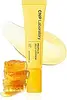
This barrier-repair lip moisturizer is formulated around Propolis Extract and Gluconolactone to strengthen the lip barrier and hydrate lips.
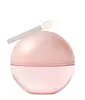
This anti-aging lip mask is formulated around Sodium DNA and Acetyl Hexapeptide-8 to soften the look of wrinkles.

What's inside
What's inside
 Key Ingredients
Benefits
Concerns
Ingredients Side-by-side
Phytosteryl/Isostearyl/Cetyl/Stearyl/Behenyl Dimer Dilinoleate
Skin Conditioning

Diisostearyl Malate
EmollientPolyglyceryl-2 Triisostearate
Emulsifying
Hydrogenated Polyisobutene
EmollientOctyldodecanol
Emollient
Dextrin Palmitate
Emulsifying
1,2-Hexanediol
Skin Conditioning
Cedrol
EmollientDimethicone
Emollient

Helianthus Annuus Seed Oil
Emollient
Water
Skin ConditioningGlycerin
Humectant
Butylene Glycol
Humectant
Beta-Carotene
Skin ConditioningDaucus Carota Sativa Root Extract
Skin Conditioning
Daucus Carota Sativa Seed Oil
Emollient


Butyrospermum Parkii Butter
Skin Conditioning
Gluconolactone
Chelating






Hydrolyzed Hyaluronic Acid
Humectant
Serine
Masking
Squalane
Emollient
Tocopherol
Antioxidant



Glyceryl Glucoside
Humectant
Hydrogenated Lecithin
Emulsifying
Cetearyl Alcohol
Emollient
Stearic Acid
Cleansing
Cholesterol
Emollient
Alcohol Denat.
Antimicrobial


Propolis Extract
Skin Conditioning
Honey Extract
Humectant
Protease
Exfoliating
Madecassoside
Antioxidant
Ceramide NP
Skin Conditioning
Caprylyl Glycol
Emollient
Codonopsis Lanceolata Root Extract
Skin ConditioningFicus Carica Fruit Extract
Humectant
Melissa Officinalis Leaf Extract
Skin ConditioningPunica Granatum Fruit Extract
Antioxidant
Ceramide Ns
Skin Conditioning
Acetyl Tetrapeptide-9
Skin Conditioning
Phytosphingosine
Skin Conditioning
Beta-Glucan
Skin Conditioning
Acetyl Hexapeptide-8
Humectant
Ceramide AP
Skin Conditioning
Ceramide As
Skin Conditioning
Ceramide EOP
Skin Conditioning
Desamido Collagen
Skin Conditioning
Parfum
Masking

Phytosteryl/Isostearyl/Cetyl/Stearyl/Behenyl Dimer Dilinoleate, Diisostearyl Malate, Polyglyceryl-2 Triisostearate, Hydrogenated Polyisobutene, Octyldodecanol, Dextrin Palmitate, 1,2-Hexanediol, Cedrol, Dimethicone, Helianthus Annuus Seed Oil, Water, Glycerin, Butylene Glycol, Beta-Carotene, Daucus Carota Sativa Root Extract, Daucus Carota Sativa Seed Oil, Butyrospermum Parkii Butter, Gluconolactone, Hydrolyzed Hyaluronic Acid, Serine, Squalane, Tocopherol, Glyceryl Glucoside, Hydrogenated Lecithin, Cetearyl Alcohol, Stearic Acid, Cholesterol, Alcohol Denat., Propolis Extract, Honey Extract, Protease, Madecassoside, Ceramide NP, Caprylyl Glycol, Codonopsis Lanceolata Root Extract, Ficus Carica Fruit Extract, Melissa Officinalis Leaf Extract, Punica Granatum Fruit Extract, Ceramide Ns, Acetyl Tetrapeptide-9, Phytosphingosine, Beta-Glucan, Acetyl Hexapeptide-8, Ceramide AP, Ceramide As, Ceramide EOP, Desamido Collagen, Parfum
Hydrogenated Polyisobutene
EmollientPolybutene
Dicaprylyl Carbonate
EmollientEthylene/Propylene/Styrene Copolymer
Hydrogenated Polydecene
EmollientEthylene/Propylene Copolymer
Abrasive
Butylene/Ethylene/Styrene Copolymer
Water
Skin ConditioningParfum
Masking
Oryza Sativa Bran Oil
Emollient
Pentaerythrityl Tetra-Di-T-Butyl Hydroxyhydrocinnamate
Antioxidant
Tocopherol
Antioxidant
Butylene Glycol
Humectant
1,2-Hexanediol
Skin Conditioning
CI 77491
Cosmetic ColorantPolyglyceryl-2 Triisostearate
Emulsifying
Dipalmitoyl Hydroxyproline
Skin Conditioning
Oryza Sativa Extract
Absorbent
Glycerin
Humectant
Hydrogenated Rice Bran Oil
Skin Conditioning
Caprylic/Capric Triglyceride
Masking
Ethylhexylglycerin
Skin ConditioningHydrogenated Lecithin
Emulsifying
Sodium DNA
Skin Conditioning
Centella Asiatica Extract
Cleansing
Soluble Collagen
Humectant
Collagen Extract
Skin Conditioning
Disodium EDTA
ChelatingGinkgo Biloba Leaf Extract
Skin Conditioning
Caprylyl Glycol
Emollient
Polyglyceryl-10 Stearate
Skin Conditioning
Phyllostachys Pubescens Shoot Bark Extract
Skin ConditioningHyaluronic Acid
Humectant
Acetyl Hexapeptide-8
Humectant
Hydrolyzed Hyaluronic Acid
Humectant
Sodium Hyaluronate
Humectant
Hydrogenated Polyisobutene, Polybutene, Dicaprylyl Carbonate, Ethylene/Propylene/Styrene Copolymer, Hydrogenated Polydecene, Ethylene/Propylene Copolymer, Butylene/Ethylene/Styrene Copolymer, Water, Parfum, Oryza Sativa Bran Oil, Pentaerythrityl Tetra-Di-T-Butyl Hydroxyhydrocinnamate, Tocopherol, Butylene Glycol, 1,2-Hexanediol, CI 77491, Polyglyceryl-2 Triisostearate, Dipalmitoyl Hydroxyproline, Oryza Sativa Extract, Glycerin, Hydrogenated Rice Bran Oil, Caprylic/Capric Triglyceride, Ethylhexylglycerin, Hydrogenated Lecithin, Sodium DNA, Centella Asiatica Extract, Soluble Collagen, Collagen Extract, Disodium EDTA, Ginkgo Biloba Leaf Extract, Caprylyl Glycol, Polyglyceryl-10 Stearate, Phyllostachys Pubescens Shoot Bark Extract, Hyaluronic Acid, Acetyl Hexapeptide-8, Hydrolyzed Hyaluronic Acid, Sodium Hyaluronate
Reviews
Ingredients Explained
These ingredients are found in both products.
Ingredients higher up in an ingredient list are typically present in a larger amount.
1,2-Hexanediol is a synthetic liquid and another multi-functional powerhouse.
It is a:
- Humectant, drawing moisture into the skin
- Emollient, helping to soften skin
- Solvent, dispersing and stabilizing formulas
- Preservative booster, enhancing the antimicrobial activity of other preservatives
Acetyl Hexapeptide-8 (also known as Argireline) is a synthetic hexapeptide that is often called a "topical Botox alternative".
It works by mimicking how Botox relaxes muscles; it interferes with the signaling process that tells your facial muscles to contract. This can help soften expression lines like forehead wrinkles or crow's feet over time.
The comparison to Botox does have limits because the molecule is water-loving and relatively large.
Acetyl Hexapeptide-8 has a hard time absorbing deeply enough through the skin's outer barrier to actually reach the muscles.
So whether it truly works the way Botox does at a biological level is still up for debate, but early clinical outcomes are fairly encouraging.
A 12 week human study of a multi-ingredient regimen containing this ingredient saw:
While some studies have observed improvements in wrinkle appearance, it is important to note that more consistent results are seen in multi-ingredient formulations (vs just Acetyl Hexapeptide-8 alone).
Some research studies also used higher concentrations (up to 10%) while this ingredient is usually found in concentrations up to 0.005% in leave-on formulations.
Learn more about Acetyl Hexapeptide-8Butylene Glycol (or BG) is used within cosmetic products for a few different reasons:
Overall, Butylene Glycol is a safe and well-rounded ingredient that works well with other ingredients.
Though this ingredient works well with most skin types, some people with sensitive skin may experience a reaction such as allergic rashes, closed comedones, or itchiness.
Learn more about Butylene GlycolCaprylyl Glycol is a humectant, skin conditioner, emollient, and preservative booster derived from either caprylic acid or synthetically created.
Typical use levels vary from 0.3-1% as a preservative booster and go up to 2% to condition skin.
Because it is not a free-fatty acid, this ingredient is fungal acne safe (there's nothing for Malassezia to feed on).
Learn more about Caprylyl GlycolGlycerin (or glycerol) is a compound naturally found in your skin. It's a powerhouse humectant that pulls water into the stratum corneum.
Topically, glycerin does several things at once:
Your skin makes glycerin on its own (mostly from sebaceous oil breakdown) and shuttles it to your outermost layer of skin, or your epidermis, via aquaporin-3.
Aquaporin-3 is a transporter that is essential for normal skin hydration, elasticity, and repair. Interestingly, mice lacking in AQP3 have dry and less elastic skin that can be fully corrected with glycerin.
This ingredient is non-irritating, plays well with almost every ingredient, and works across all skin types. Typical use is anywhere between 3-10% but can go up to 79% in some leave-on products.
Just know very high concentrations (>40%) can feel tacky in low humidity.
Glycerin is the name for this ingredient in American English. British English uses Glycerol/Glycerine.
Learn more about GlycerinHydrogenated Lecithin is a more stable version of lecithin.
It's made by taking lecithin (a phospholipid commonly found in soybeans and egg yolks) and hydrogenating it. This just means the unsaturated fatty acids are turned into saturated ones so they don't go bad as easily.
This ingredient is an emollient, emulsifier, and penetration enhancer. As an emollient, it helps soften and hydrate skin by trapping moisture within. As an emulsifier, it prevents oil and water ingredients from separating.
Hydrogenated Lecithin can form tiny spherical structures made of phospholipid bilayers called liposomes. These liposomes are able to capture compounds inside their structure and deliver them through the skin barrier.
Because phospholipids are a natural component of our cell membranes, this ingredient is inherently compatible with skin.
A 2021 study found lecithin-based surfactants were less harsh and more tolerable comared to Sodium Lauryl Sulfate (SLS).
Learn more about Hydrogenated LecithinHydrogenated Polyisobutene is a synthetic polymer. Polymers are compounds with high molecular weight. Hydrogenated Polyisobutene is an emollient and texture enhancer.
In one study, Hydrogenated Polyisobutene showed better skin hydration levels than Caprylic/Capric Triglyceride. As an emollient, it helps keep your skin soft and hydrated by trapping moisture in.
Hydrogenated Polyisobutene is often used as a mineral oil replacement.
Learn more about Hydrogenated PolyisobuteneHydrolyzed Hyaluronic Acid is hyaluronic acid (HA) that is broken down into lower molecular weight fragments.
It's a humectant that pulls and holds water in the skin to help with hydration, plumpness, and reduce transepidermal water loss.
Because hydrolyzed hyaluronic acid is smaller in size, it can slip past your outermost layer of skin more easily than full-sized HA.
Most formulations will combine all sizes to get the best of both worlds.
Typical usage levels range from 0.01-1%. Any percentage higher than 2% might become goopy and tacky.
Learn more about Hydrolyzed Hyaluronic AcidParfum is a catch-all term for an ingredient or more that is used to give a scent to products.
Also called "fragrance", this ingredient can be a blend of hundreds of chemicals or plant oils. This means every product with "fragrance" or "parfum" in the ingredients list is a different mixture.
For instance, Habanolide is a proprietary trade name for a specific aroma chemical. When used as a fragrance ingredient in cosmetics, most aroma chemicals fall under the broad labeling category of “FRAGRANCE” or “PARFUM” according to EU and US regulations.
The term 'parfum' or 'fragrance' is not regulated in many countries. In many cases, it is up to the brand to define this term.
For instance, many brands choose to label themselves as "fragrance-free" because they are not using synthetic fragrances. However, their products may still contain ingredients such as essential oils that are considered a fragrance by INCI standards.
One example is Calendula flower extract. Calendula is an essential oil that still imparts a scent or 'fragrance'.
Depending on the blend, the ingredients in the mixture can cause allergies and sensitivities on the skin. Some ingredients that are known EU allergens include linalool and citronellol.
Parfum can also be used to mask or cover an unpleasant scent.
The bottom line is: not all fragrances/parfum/ingredients are created equally. If you are worried about fragrances, we recommend taking a closer look at an ingredient. And of course, we always recommend speaking with a professional.
Learn more about ParfumPolyglyceryl-2 Triisostearate is a plant-derived emulsifier and pigment-dispersing agent with a non-sticky skin feel.
It helps products glide on smoothly and prevents oil and water from separating in a formula, making it suitable for sunscreen and makeup formulations.
The EU inventory of cosmetics has no use restrictions on this ingredient and it is considered well-tolerated.
This ingredient may not be fungal acne safe because it is derived from isostearic acid.
Learn more about Polyglyceryl-2 TriisostearateTocopherol is a fat-soluble antioxidant known as Vitamin E.
You'll find this ingredient in the vast majority of skincare (for good reason). It works to neutralize free radicals, or unstable molecules generated by UV exposure, pollution, and other environmental stressors, before they can cause oxidative damage to your skin cells.
Topically applied tocopherol has been shown to protect against UV damage by ramping up the skin's own natural defense enzymes.
It also acts as a skin conditioning agent; some studies show that regular topical use can improve the skin's water-binding capacity over 2-4 weeks.
This ingredient is especially loved for being a team player. When combined with Vitamin C, the photoprotective effect of both ingredients roughly doubles and the combo also helps reduce UV-induced DNA damage.
This ingredient has some brightening potential but it's more of a prevention ingredient than spot-fader. Cell studies show it can slow down melanin production but it's worth noting that it's not the most powerful brightener out there.
In formulations, it also serves as a stabilizer that helps protect other oxidation-prone ingredients from degrading.
Concentrations usually range from 0.1-1% in most leave-on products.
Learn more about TocopherolWater. It's the most common cosmetic ingredient of all. You'll usually see it at the top of ingredient lists, meaning that it makes up the largest part of the product.
So why is it so popular? Water most often acts as a solvent - this means that it helps dissolve other ingredients into the formulation.
You'll also recognize water as that liquid we all need to stay alive. If you see this, drink a glass of water. Remember to stay hydrated!
Learn more about Water

