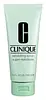
This smoothing exfoliator is formulated around Magnesium Aluminum Silicate and Salicylic Acid to refine skin texture and balance excess oil.
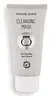
This wash off mask is made with Kaolin and Niacinamide for a rinse-off oil-control boost.


What's inside
What's inside
 Key Ingredients
Benefits
Concerns
Ingredients Side-by-side
Water
Skin ConditioningGlyceryl Stearate
Emollient

Polyethylene
Abrasive

Hexylene Glycol
EmulsifyingDisodium Cocoamphodiacetate
CleansingDisodium Oleamido Mipa-Sulfosuccinate
CleansingMagnesium Aluminum Silicate
Absorbent
Salicylic Acid
Masking







Menthol
Masking
Stearamidoethyl Diethylamine
Oleamide Mipa
Trisodium Sulfosuccinate
BufferingSodium Sulfate
Phenoxyethanol
Preservative
Methylisothiazolinone
Preservative
CI 77891
Cosmetic ColorantEthylhexyl Salicylate
UV Absorber

Methyl Trimethicone
Skin Conditioning
Homosalate
Skin Conditioning
Butylene Glycol
Humectant

Benzophenone-3
UV Absorber
Butyloctyl Salicylate
Skin Conditioning
Neopentyl Glycol Diheptanoate
EmollientButyl Methoxydibenzoylmethane
UV Absorber
Butyrospermum Parkii Butter
Skin Conditioning

Octocrylene
UV Absorber
PEG-100 Stearate
Surfactant
Silica
Abrasive
Dipentaerythrityl Tri-Polyhydroxystearate
Emollient
Lauryl PEG-9 Polydimethylsiloxyethyl Dimethicone
Skin Conditioning
Dimethicone
Emollient
Laurdimonium Hydroxypropyl Hydrolyzed Soy Protein
Rosmarinus Officinalis Extract
AntimicrobialPerilla Ocymoides Leaf Extract
TonicPlankton Extract
Skin ConditioningCaffeine
Skin Conditioning

Potassium Cetyl Phosphate
EmulsifyingSucrose
Humectant
Styrene/Acrylates Copolymer
C30-38 Olefin/Isopropyl Maleate/Ma Copolymer
EmulsifyingCetyl Alcohol
Emollient

Vp/Eicosene Copolymer
Ethylhexylglycerin
Skin ConditioningAmmonium Acryloyldimethyltaurate/Vp Copolymer
PEG-8 Laurate
Emulsifying
Sodium Rna
Skin ConditioningLecithin
Emollient
Propyl Gallate
Antioxidant


Arginine Ferulate
Skin ConditioningTocopheryl Acetate
Antioxidant
Caprylyl Glycol
Emollient
Ascorbyl Tocopheryl Maleate
Antioxidant
Stearic Acid
Cleansing
Xanthan Gum
EmulsifyingNordihydroguaiaretic Acid
Antioxidant
Disodium EDTA
Mica
Cosmetic ColorantSodium Dehydroacetate
Preservative
Water, Glyceryl Stearate, Polyethylene, Hexylene Glycol, Disodium Cocoamphodiacetate, Disodium Oleamido Mipa-Sulfosuccinate, Magnesium Aluminum Silicate, Salicylic Acid, Menthol, Stearamidoethyl Diethylamine, Oleamide Mipa, Trisodium Sulfosuccinate, Sodium Sulfate, Phenoxyethanol, Methylisothiazolinone, CI 77891, Ethylhexyl Salicylate, Methyl Trimethicone, Homosalate, Butylene Glycol, Benzophenone-3, Butyloctyl Salicylate, Neopentyl Glycol Diheptanoate, Butyl Methoxydibenzoylmethane, Butyrospermum Parkii Butter, Octocrylene, PEG-100 Stearate, Silica, Dipentaerythrityl Tri-Polyhydroxystearate, Lauryl PEG-9 Polydimethylsiloxyethyl Dimethicone, Dimethicone, Laurdimonium Hydroxypropyl Hydrolyzed Soy Protein, Rosmarinus Officinalis Extract, Perilla Ocymoides Leaf Extract, Plankton Extract, Caffeine, Potassium Cetyl Phosphate, Sucrose, Styrene/Acrylates Copolymer, C30-38 Olefin/Isopropyl Maleate/Ma Copolymer, Cetyl Alcohol, Vp/Eicosene Copolymer, Ethylhexylglycerin, Ammonium Acryloyldimethyltaurate/Vp Copolymer, PEG-8 Laurate, Sodium Rna, Lecithin, Propyl Gallate, Arginine Ferulate, Tocopheryl Acetate, Caprylyl Glycol, Ascorbyl Tocopheryl Maleate, Stearic Acid, Xanthan Gum, Nordihydroguaiaretic Acid, Disodium EDTA, Mica, Sodium Dehydroacetate
Water
Skin ConditioningKaolin
Abrasive
Glycerin
Humectant
Olea Europaea Fruit Oil
Masking
Cetearyl Alcohol
Emollient
Glyceryl Stearate
Emollient
Niacinamide
Smoothing


Helianthus Annuus Seed Cera
Emollient
Zeolite
AbsorbentHydrolyzed Hyaluronic Acid
Humectant
Fucus Spiralis Extract
EmollientTetraselmis Chui Extract
EmollientCanola Oil
Emollient
Ammonium Acryloyldimethyltaurate/Vp Copolymer
Sodium Lauroyl Glutamate
SurfactantStearic Acid
Cleansing
PEG-100 Stearate
Surfactant
C12-13 Alkyl Lactate
EmollientPanthenol
Skin Conditioning
Xanthan Gum
EmulsifyingBenzoic Acid
Masking
Phenoxyethanol
Preservative
Dehydroacetic Acid
Preservative
Tocopherol
Antioxidant
Citric Acid
Buffering
Sodium Benzoate
Masking
Ascorbyl Palmitate
Antioxidant
Potassium Sorbate
Preservative
Water, Kaolin, Glycerin, Olea Europaea Fruit Oil, Cetearyl Alcohol, Glyceryl Stearate, Niacinamide, Helianthus Annuus Seed Cera, Zeolite, Hydrolyzed Hyaluronic Acid, Fucus Spiralis Extract, Tetraselmis Chui Extract, Canola Oil, Ammonium Acryloyldimethyltaurate/Vp Copolymer, Sodium Lauroyl Glutamate, Stearic Acid, PEG-100 Stearate, C12-13 Alkyl Lactate, Panthenol, Xanthan Gum, Benzoic Acid, Phenoxyethanol, Dehydroacetic Acid, Tocopherol, Citric Acid, Sodium Benzoate, Ascorbyl Palmitate, Potassium Sorbate
Reviews
Ingredients Explained
These ingredients are found in both products.
Ingredients higher up in an ingredient list are typically present in a larger amount.
Ammonium Acryloyldimethyltaurate/Vp Copolymer is a synthetically created polymer. It's used as a film-forming agent and used to thicken the consistency of products.
Think of it as a supportive ingredient that helps your gel-creams feel silky, "cloud cream-like", and spread evenly without being greasy.
The Cosmetic Ingredient Review (CIR) Expert Panel evaluated it (along with 22 other acryloyldimethyltaurate polymers) and concluded it's:
Due to its large molecular size, it sits on the surface of skin rather than penetrating it.
Learn more about Ammonium Acryloyldimethyltaurate/Vp CopolymerGlyceryl Stearate is made by reacting glycerin with stearic acid (typically sourced from plant oils like palm or coconut). It's an emulsifier, emollient, and mild occlusive.
Emulsifiers help ingredients like oil and water stay mixed so your formula stays nicely blended and uniform in texture.
This ingredient is typically used in concentrations between 1-10%. Studies have found it to be non-sensitizing, non-phototoxic, and non-photoallergenic.
A close cousin of this ingredient is Glyceryl Stearate SE ("self-emulsifying"). This just has a small amount of sodium or potassium stearate added so it can emulsify without a co-emulsifier.
Since this ingredient is an ester of a C18 fatty acid, it may not be fungal acne safe. The Malassezia yeast can potentially metabolize within the C11-C24 range.
Fun fact: The human body also creates Glyceryl Stearate naturally.
Learn more about Glyceryl StearatePeg-100 Stearate is an emollient and emulsifier. As an emollient, it helps keep skin soft by trapping moisture in. On the other hand, emulsifiers help prevent oil and water from separating in a product.
PEGS are a hydrophilic polyether compound . There are 100 ethylene oxide monomers in Peg-100 Stearate. Peg-100 Stearate is polyethylene glycol ester of stearic acid.
Phenoxyethanol is one of the most widely used preservatives in skincare (and for good reason!).
It has a large spectrum of antimicrobial activity and especially effective bacteria, yeast, and mold while only having a weak effect on your skin's natural microbiome.
On a cellular level, it disrupts the cell membranes of microbes by poking holes that make the cell leak. This shuts down the chemical reactions the microbe needs to make energy so it can no longer survive.
Another perk of this ingredient is that it stays functional across a wide pH range (3-10).
You'll often see it paired with boosters like Ethylhexylglycerin; one study showed that a 1:9 ratio of Ethylhexylglycerin to Phenoxyethanol damages bacterial membranes as effectively as doubling the Phenoxyethanol concentration on its own.
Typical use concentrations range from 0.3-1% depending on the formula, and this ingredient is capped at 1% int the EU.
Safety-wise, the fear mongering does not hold up to the evidence. The EU's Scientific Committee on Consumer Safety and FDA consider it safe as a preservative at up to 1%, including for children of all ages.
Adverse systemic effects only showed up in animal studies at exposures roughly 200x higher than what people get from cosmetics. And despite its very widespread use, this ingredient is a rare sensitizer and allergic reactions are uncommon.
Learn more about PhenoxyethanolStearic Acid is a fatty acid that is already found in your skin. It's one of the free fatty acids that works alongside ceramides and cholesterols to maintain your barrier.
In cosmetics, it is a multitasker:
Safety-wise, the CIR Expert Panel has concluded it to be safe in cosmetics when formulated to be non-irritating and non-sensitizing.
Free stearic acid is a C18 fatty acid that the Malassezia yeast can substrate, so this ingredient may not be fungal acne safe.
Learn more about Stearic AcidWater. It's the most common cosmetic ingredient of all. You'll usually see it at the top of ingredient lists, meaning that it makes up the largest part of the product.
So why is it so popular? Water most often acts as a solvent - this means that it helps dissolve other ingredients into the formulation.
You'll also recognize water as that liquid we all need to stay alive. If you see this, drink a glass of water. Remember to stay hydrated!
Learn more about WaterXanthan gum is used as a stabilizer and thickener within cosmetic products. It helps give products a sticky, thick feeling - preventing them from being too runny.
On the technical side of things, xanthan gum is a polysaccharide - a combination consisting of multiple sugar molecules bonded together.
Xanthan gum is a pretty common and great ingredient. It is a natural, non-toxic, non-irritating ingredient that is also commonly used in food products.
Learn more about Xanthan Gum

