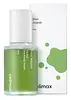
This anti-aging ampoule is formulated around Morinda Citrifolia Fruit Extract and Ceramide NP to soften the look of wrinkles and hydrate skin.
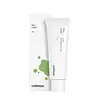
This barrier-repair moisturizer is formulated around Morinda Citrifolia Fruit Extract and Niacinamide to strengthen the skin barrier and hydrate skin.

What's inside
What's inside
 Key Ingredients
Benefits
Concerns
Ingredients Side-by-side
Morinda Citrifolia Fruit Extract 71.77%
Skin Conditioning


Butylene Glycol
Humectant

Propanediol
Solvent
Glycerin
Humectant
1,2-Hexanediol
Skin Conditioning
Diethoxyethyl Succinate
SolventGlyceryl Acrylate/Acrylic Acid Copolymer
HumectantMorinda Citrifolia Seed Oil
Skin Conditioning


Ceramide NP
Skin Conditioning


Olea Europaea Fruit Oil
Masking


Butyrospermum Parkii Butter
Skin Conditioning
Squalane
Emollient
Rosmarinus Officinalis Leaf Oil
Masking
Melia Azadirachta Leaf Extract
Skin ConditioningMelia Azadirachta Flower Extract
Skin ConditioningTheobroma Cacao Extract
Skin ConditioningDextrin
AbsorbentPhytosphingosine
Skin Conditioning
Cholesterol
Emollient
Sodium Hyaluronate
Humectant
Hydrogenated Lecithin
Emulsifying
C12-13 Pareth-9
EmulsifyingSodium Polyacryloyldimethyl Taurate
Emulsion StabilisingCaprylic/Capric Triglyceride
Masking
Water
Skin ConditioningAllantoin
Skin Conditioning
Adenosine
Skin Conditioning
Disodium EDTA
ChelatingChlorphenesin
Antimicrobial
Morinda Citrifolia Fruit Extract 71.77%, Butylene Glycol, Propanediol, Glycerin, 1,2-Hexanediol, Diethoxyethyl Succinate, Glyceryl Acrylate/Acrylic Acid Copolymer, Morinda Citrifolia Seed Oil, Ceramide NP, Olea Europaea Fruit Oil, Butyrospermum Parkii Butter, Squalane, Rosmarinus Officinalis Leaf Oil, Melia Azadirachta Leaf Extract, Melia Azadirachta Flower Extract, Theobroma Cacao Extract, Dextrin, Phytosphingosine, Cholesterol, Sodium Hyaluronate, Hydrogenated Lecithin, C12-13 Pareth-9, Sodium Polyacryloyldimethyl Taurate, Caprylic/Capric Triglyceride, Water, Allantoin, Adenosine, Disodium EDTA, Chlorphenesin
Morinda Citrifolia Fruit Extract 57%
Skin Conditioning
Water
Skin ConditioningGlycerin
Humectant
Methylpropanediol
SolventHydrogenated Poly(C6-14 Olefin)
EmollientMethyl Trimethicone
Skin Conditioning
Neopentyl Glycol Diheptanoate
Emollient1,2-Hexanediol
Skin Conditioning
Niacinamide
Smoothing




Butyrospermum Parkii Butter
Skin Conditioning
Trehalose
Humectant
Caprylic/Capric Triglyceride
Masking
Polyglyceryl-3 Methylglucose Distearate
Emulsifying
Dimethicone
Emollient
Cetyl Alcohol
Emollient
Glyceryl Stearate Se
Emulsifying
Azadirachta Indica Seed Oil
Skin Conditioning
Butylene Glycol
Humectant
Dipropylene Glycol
HumectantEclipta Prostrata Leaf Extract
Skin ConditioningLaminaria Japonica Extract
Skin Protecting
Behenyl Alcohol
Emollient
Hydrogenated Lecithin
Emulsifying
Cetearyl Alcohol
Emollient
Ethylhexylglycerin
Skin ConditioningPolyglyceryl-10 Myristate
Skin Conditioning
Rosmarinus Officinalis Leaf Oil
Masking
Melia Azadirachta Leaf Extract
Skin ConditioningPropanediol
Solvent
Adenosine
Skin Conditioning
Fructooligosaccharides
Humectant
Sodium Stearoyl Glutamate
CleansingMalt Extract
Skin ProtectingBeta-Glucan
Skin Conditioning
Cholesterol
Emollient
Melia Azadirachta Flower Extract
Skin ConditioningCarbomer
Emulsion StabilisingSodium Hyaluronate
Humectant
Tromethamine
BufferingAcmella Oleracea Extract
Skin ProtectingHydrolyzed Hyaluronic Acid
Humectant
Ceramide NP
Skin Conditioning
Palmitic Acid
Emollient
Ficus Carica Fruit Extract
Humectant
Centella Asiatica Extract
Cleansing
Stearic Acid
Cleansing
Arginine
Masking
Tocopherol
Antioxidant

Myristic Acid
Cleansing
Phenoxyethanol
Preservative
Aloe Barbadensis Leaf Extract
Emollient
Althaea Rosea Flower Extract
Skin ConditioningMorinda Citrifolia Fruit Extract 57%, Water, Glycerin, Methylpropanediol, Hydrogenated Poly(C6-14 Olefin), Methyl Trimethicone, Neopentyl Glycol Diheptanoate, 1,2-Hexanediol, Niacinamide, Butyrospermum Parkii Butter, Trehalose, Caprylic/Capric Triglyceride, Polyglyceryl-3 Methylglucose Distearate, Dimethicone, Cetyl Alcohol, Glyceryl Stearate Se, Azadirachta Indica Seed Oil, Butylene Glycol, Dipropylene Glycol, Eclipta Prostrata Leaf Extract, Laminaria Japonica Extract, Behenyl Alcohol, Hydrogenated Lecithin, Cetearyl Alcohol, Ethylhexylglycerin, Polyglyceryl-10 Myristate, Rosmarinus Officinalis Leaf Oil, Melia Azadirachta Leaf Extract, Propanediol, Adenosine, Fructooligosaccharides, Sodium Stearoyl Glutamate, Malt Extract, Beta-Glucan, Cholesterol, Melia Azadirachta Flower Extract, Carbomer, Sodium Hyaluronate, Tromethamine, Acmella Oleracea Extract, Hydrolyzed Hyaluronic Acid, Ceramide NP, Palmitic Acid, Ficus Carica Fruit Extract, Centella Asiatica Extract, Stearic Acid, Arginine, Tocopherol, Myristic Acid, Phenoxyethanol, Aloe Barbadensis Leaf Extract, Althaea Rosea Flower Extract
Reviews
Ingredients Explained
These ingredients are found in both products.
Ingredients higher up in an ingredient list are typically present in a larger amount.
1,2-Hexanediol is a synthetic liquid and another multi-functional powerhouse.
It is a:
- Humectant, drawing moisture into the skin
- Emollient, helping to soften skin
- Solvent, dispersing and stabilizing formulas
- Preservative booster, enhancing the antimicrobial activity of other preservatives
Adenosine is a purine nucleoside that your body already makes in every cell. In skincare, it acts mainly as a skin conditioning and anti-aging agent.
The way it works is fairly well mapped out:
Your skin has cells called fibroblasts that build collagen (the stuff that keeps skin firm and smooth). Adenosine basically flips a switch on these cells that tells them to get to work making more collagen and other proteins. These cells slow down on their own as skin ages, so Adenosine helps give them a little nudge to keep going.
The clinical backing is pretty solid too.
A blind, randomized, placebo-controlled trial of 126 women aged 45-65 tested a 0.1% cream twice daily and found real improvements in crow's feet and frown lines using a precise 3D skin-mapping technique; these changes showed up by week 3 and held at 2 months.
A later study using Adenosine-loaded dissolving microneedle patches reported gains in wrinkle depth, dermal density, elasticity, and hydration.
On concentrations, South Korea's Ministry of Food and Drug Safety has set 0.04% as the approved functional anti-wrinkle level. You'll typically see this ingredient used somewhere in the 0.04-0.1% range since it works at low doses.
This ingredient has been found safe for cosmetics with the data showing no irritation or sensitization.
Overall, this is a great ingredient for any anti-aging routine and has no photosensitizing effect, so it suits both AM and PM use.
Learn more about AdenosineButylene Glycol (or BG) is used within cosmetic products for a few different reasons:
Overall, Butylene Glycol is a safe and well-rounded ingredient that works well with other ingredients.
Though this ingredient works well with most skin types, some people with sensitive skin may experience a reaction such as allergic rashes, closed comedones, or itchiness.
Learn more about Butylene GlycolThis ingredient is also known as shea butter. It is a plant-derived extract from the nuts of the Africa shea tree and one of the most well-studied emollients.
Because it has a high concentration of fatty acids (primarily oleic, stearic, and linoleic) it is able to form a protective barrier on the skin's surface. This helps seal in moisture and prevents transepidermal water loss (TEWL).
In vitro research found an increase in skin hydration by 58% and a decrease in TEWL by 37.8% after 24 hours of applying this ingredient (pretty impressive for a single ingredient!).
Besides hydration, shea butter also contains triterpenes that have anti-inflammatory potential. In particule, lupeol cinnamate has shown the highest anti-inflammatory activity in vivo.
Shea butter also contains vitamins A and E which may contribute to antioxidant activity.
While Shea Butter has an SPF rating of about 3-4, it is not a sunscreen replacement.
This ingredient may not be fungal acne safe because its fatty acids fall within the C11-C24 range that the Malassezia yeast can metabolize.
This ingredient shows up on a lot of "pore-clogging" lists but there's no real evidence behind that. It doesn't even have a comedogenic rating from an actual study; the numbers you'll find online come from blogs citing other blogs.
Ratings for other ingredients mostly come from a 1980s rabbit ear test. This test doesn't translate well to human skin or to real products because the ingredient sits at a much lower percentage.
Some people still find it breaks them out. So if that's you, definitely trust your skin. Just know this one's based on experience and not evidence.
Learn more about Butyrospermum Parkii ButterCaprylic/Capric Triglyceride (aka MCT Oil) is a lightweight emollient, solvent, and texture enhancer. It is considered a skin-softener by helping to prevent moisture loss.
Though it behaves like an oil, it is not technically one due to its chemical composition. One perk of this ingredient is that it is very stable, resistant to oxidation, and unlikely to go rancid.
In practice, that translates to a long shelf life and a consistently elegant skin feel.
While there is an assumption Caprylic Triglyceride can clog pores due to it being derived from coconut oil, there is no research supporting this. Just patch test if you have concerns.
Fractionated coconut oil and MCT Oil are both listed as Caprylic/Capric Triglyceride according to INCI. This is because INCI names are based on the ingredient’s final chemical composition and not its marketing name or source.
This ingredient is treated as the gold standard fungal acne safe oil. Even though it is coconut derived, the problematic lauric acid is stripped out.
This leaves just caprylic (C8) and capric (C10) acid. These chain lengths actually trend antifungal; a 2020 study found caprylic acid was enough to disrupt Malassezia furfur cell membrane, with a caprylic acid derivative damaging membrane structures at concentrations as low as 0.2%.
Learn more about Caprylic/Capric TriglycerideCeramide NP (formerly known as Ceramide 3) is one of the skin's naturally occurring lipids.
Since ceramides are the major lipid components of the skin, they are crucial for maintaining skin barrier and hydration. Ceramide NP most closely mirrors the dominant kind in human skin amongst ceramide subtypes.
This ceramide works by slotting into gaps within the stratum corneum's lipid matrix to limit trans-epidermal water loss (TEWL) and shield the skin against external irritants.
A study with 312 patients found that using a ceramide-containing routine for 4 weeks reduced the severity of atopic dermatitis by over 61%.
Another clinical study in subjects aged 60 and older found that a ceramide body wash and moisturizer improved skin dryness and itchy skin in 15 days.
Overall, ceramides are considered non-irritating and safety tests have found little to no observable adverse effects from using this ingredient.
Ceramide NP is usually sourced from plants (like soybean or rice bran), or produced synthetically.
Learn more about Ceramide NPCholesterol is a lipid that is naturally found in human skin and is one of the three key components of your skin barrier. In skincare, it is an emollient and barrier-repairing ingredient.
It works by fitting directly into the lipid layers of skin to help restore structure and reduce transepidermal water loss (TEWL).
This is a great ingredient for dry, compromised, or aging skin; our skin starts to produce less cholesterol with age.
Research shows cholesterol works best in combination with ceramides and fatty acids, the other two major components in your skin barrier.
Cholesterol is also a well-establish penetration enhancer and can help other actives absorb more effectively.
Cosmetic-grade cholesterol is usually derived from lanolin but plant and synthetic options also exist. We recommend reaching out to the brand if you have questions about their source of cholesterol.
Learn more about CholesterolGlycerin (or glycerol) is a compound naturally found in your skin. It's a powerhouse humectant that pulls water into the stratum corneum.
Topically, glycerin does several things at once:
Your skin makes glycerin on its own (mostly from sebaceous oil breakdown) and shuttles it to your outermost layer of skin, or your epidermis, via aquaporin-3.
Aquaporin-3 is a transporter that is essential for normal skin hydration, elasticity, and repair. Interestingly, mice lacking in AQP3 have dry and less elastic skin that can be fully corrected with glycerin.
This ingredient is non-irritating, plays well with almost every ingredient, and works across all skin types. Typical use is anywhere between 3-10% but can go up to 79% in some leave-on products.
Just know very high concentrations (>40%) can feel tacky in low humidity.
Glycerin is the name for this ingredient in American English. British English uses Glycerol/Glycerine.
Learn more about GlycerinHydrogenated Lecithin is a more stable version of lecithin.
It's made by taking lecithin (a phospholipid commonly found in soybeans and egg yolks) and hydrogenating it. This just means the unsaturated fatty acids are turned into saturated ones so they don't go bad as easily.
This ingredient is an emollient, emulsifier, and penetration enhancer. As an emollient, it helps soften and hydrate skin by trapping moisture within. As an emulsifier, it prevents oil and water ingredients from separating.
Hydrogenated Lecithin can form tiny spherical structures made of phospholipid bilayers called liposomes. These liposomes are able to capture compounds inside their structure and deliver them through the skin barrier.
Because phospholipids are a natural component of our cell membranes, this ingredient is inherently compatible with skin.
A 2021 study found lecithin-based surfactants were less harsh and more tolerable comared to Sodium Lauryl Sulfate (SLS).
Learn more about Hydrogenated LecithinMelia Azadirachta Flower Extract is from the Neem tree. Neem trees originate from India.
Melia Azadirachta Flower Extract contains antioxidants. Antioxidants help fight free-radicals. Free-radicals are molecules that may damage your skin cells, such as pollution.
The flowers of this tree are lilac colored.
Learn more about Melia Azadirachta Flower ExtractThis ingredient is also known as neem leaf extract. It contains natural compounds like nimbidin, quercetin, and other polyphenols that give it antibacterial, antifungal, and anti-inflammatory activity.
Lab studies have shown neem leaf extract can inhibit acne-related bacteria and help calm skin. Animal studies on wound gels using 1-3% neem leaf extract found it sped up healing without causing irritation.
A wound-healing study testing gels with the extract at 1%, 2%, and 3% concentrations and found none of them irritated the skin.
Most commercial products also use it in a similar low range (typically under 5%).
Allergy-wise, there are some case reports on neem oil causing allergic contact dermatitis so people with plant/botanical sensitivities may want to patch test first.
Learn more about Melia Azadirachta Leaf ExtractMorinda Citrifolia Fruit Extract is also known as yaeyama aoki, noni, or the great morinda. This fruit is packed with bioactive compounds that give it skin conditioning and antioxidant properties.
Research on this ingredient has shown some interesting results: a clinical trial on 49 women (ages 38-55) found the daily use of noni-based skincare improved skin firmness and elasticity by up to ~42.4% over six weeks.
Lab studies have also demonstrated that some of the compounds can inhibit tyrosinase ans elastase, enzymes involved in pigmentation and the breaking down of skin's elastic fibers.
Fun fact: This ingredient has been used in Polynesian folk medicine for over 2,000 years.
Learn more about Morinda Citrifolia Fruit ExtractPropanediol is an all-star ingredient. It softens, hydrates, and smooths the skin.
It’s often used to:
Propanediol is not likely to cause sensitivity and considered safe to use. It is derived from corn or petroleum with a clear color and no scent.
Learn more about PropanediolRosmarinus Officinalis Leaf Oil is an essential oil also known as rosemary essential oil. In skincare, it is a skin conditioning agent and also acts as a natural fragrance that gives products a fresh/herby smell.
The oil is a mix of over 100 volatile compounds with 1,8-cineole, α-pinene, camphor, and verbenone usually leading the pack.
Lab studies credit this oil with antioxidant, anti-inflammatory, and antimicrobial activity. Some research even show rosemary compounds calming acne-related inflammation.
The Cosmetic Ingredient Review (CIR) has concluded rosemary-derived ingredients to be safe when formulated to be nonsensitizing.
Since this is a fragrant essential oil, the main concern is for fragrance-sensitive folks.
Learn more about Rosmarinus Officinalis Leaf OilSodium Hyaluronate is the salt form of hyaluronic acid. It is a long sugar chain that is naturally found in your skin, joints, and connective tissue that maintains hydration and elasticity.
In skincare, it works as a humectant. It pulls water from the environment and deeper layers of skin and binds it to the surface.
Interestingly, the size of the molecule affects its behavior:
Some clinical evidence links low molecular weight versions to improved wrinkle depth, elasticity, anti-inflammatory effects, and barrier repair.
Many serums use a blend of both weights so you can get surface hydration plus longer-lasting and deeper effects.
You'll typically see concentrations between 0.1-2% for this ingredient.
Learn more about Sodium HyaluronateWater. It's the most common cosmetic ingredient of all. You'll usually see it at the top of ingredient lists, meaning that it makes up the largest part of the product.
So why is it so popular? Water most often acts as a solvent - this means that it helps dissolve other ingredients into the formulation.
You'll also recognize water as that liquid we all need to stay alive. If you see this, drink a glass of water. Remember to stay hydrated!
Learn more about Water

