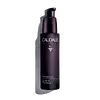
This anti-aging serum is formulated around Niacinamide and Palmitoyl Grapevine Shoot Extract to soften the look of wrinkles and fade the look of dark spots.
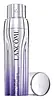
This anti-aging serum is formulated around Niacinamide and 3-O-Ethyl Ascorbic Acid to soften the look of wrinkles and fade the look of dark spots.

What's inside
What's inside
 Key Ingredients
Benefits
Concerns
Ingredients Side-by-side
Water
Skin ConditioningGlycerin
Humectant


Propanediol
Solvent
Niacinamide
Smoothing









Palmitoyl Grapevine Shoot Extract
Antioxidant
Palmitoyl Grape Seed Extract
Skin ConditioningCaprylic/Capric Triglyceride
Masking
Caprylyl Glycol
Emollient
Glyceryl Caprylate/Caprate
EmollientSodium Hyaluronate
Humectant
Carbomer
Emulsion StabilisingPolyacrylate Crosspolymer-6
Emulsion StabilisingHydroxyethyl Acrylate/Sodium Acryloyldimethyl Taurate Copolymer
Emulsion StabilisingHelianthus Annuus Seed Oil
Emollient


Tocopherol
Antioxidant
Hydrolyzed Hyaluronic Acid
Humectant
Magnolia Officinalis Bark Extract
Antimicrobial
Paeonia Lactiflora Root Extract
Skin ConditioningAdenosine
Skin Conditioning
Sodium Hydroxide
BufferingSodium Phytate
ChelatingGleditsia Triacanthos Seed Extract
Sorbitan Isostearate
Emulsifying
Aniba Rosodora Wood Extract
MaskingParfum
Masking



Geraniol
Perfuming
Linalool
Perfuming
Citronellol
Perfuming
Water, Glycerin, Propanediol, Niacinamide, Palmitoyl Grapevine Shoot Extract, Palmitoyl Grape Seed Extract, Caprylic/Capric Triglyceride, Caprylyl Glycol, Glyceryl Caprylate/Caprate, Sodium Hyaluronate, Carbomer, Polyacrylate Crosspolymer-6, Hydroxyethyl Acrylate/Sodium Acryloyldimethyl Taurate Copolymer, Helianthus Annuus Seed Oil, Tocopherol, Hydrolyzed Hyaluronic Acid, Magnolia Officinalis Bark Extract, Paeonia Lactiflora Root Extract, Adenosine, Sodium Hydroxide, Sodium Phytate, Gleditsia Triacanthos Seed Extract, Sorbitan Isostearate, Aniba Rosodora Wood Extract, Parfum, Geraniol, Linalool, Citronellol
Water
Skin ConditioningDipropylene Glycol
HumectantGlycerin
Humectant
Butylene Glycol
Humectant
Propylene Glycol
Humectant
Alcohol
Antimicrobial

Niacinamide
Smoothing
Isopropyl Lauroyl Sarcosinate
Skin ConditioningPentylene Glycol
Skin Conditioning
CI 77891
Cosmetic ColorantGuanosine
Skin ConditioningMica
Cosmetic ColorantTocopheryl Acetate
Antioxidant
Hydrolyzed Linseed Extract
Skin ConditioningSodium Acetylated Hyaluronate
Humectant
Sodium Benzoate
Masking
Phenoxyethanol
Preservative
Phenylethyl Resorcinol
Antioxidant
Stearic Acid
Cleansing
Adenosine
Skin Conditioning
Caffeine
Skin Conditioning
PEG-100 Stearate
Surfactant
Polyacrylate Crosspolymer-6
Emulsion StabilisingSilica Silylate
Emollient
Palmitic Acid
Emollient
Polysorbate 20
Emulsifying
Polysorbate 80
Emulsifying
Ammonium Polyacryloyldimethyl Taurate
Emulsion StabilisingLimonene
Perfuming
Xanthan Gum
EmulsifyingTin Oxide
Abrasive
Benzyl Alcohol
Perfuming
Isohexadecane
Emollient3-O-Ethyl Ascorbic Acid
Skin Conditioning
Caprylyl Glycol
Emollient
Capryloyl Salicylic Acid
Exfoliating
Boron Nitride
Absorbent
Ferulic Acid
Antimicrobial
Acrylamide/Sodium Acryloyldimethyltaurate Copolymer
Emulsion StabilisingSorbitan Oleate
Emulsifying
Myristic Acid
Cleansing
Geraniol
Perfuming
Octocrylene
UV Absorber

Butyl Methoxydibenzoylmethane
UV Absorber
Potassium Cetyl Phosphate
EmulsifyingOctyldodecanol
Emollient
Cetyl Alcohol
Emollient
Octyldodecyl Xyloside
EmulsifyingCitric Acid
Buffering
Citronellol
Perfuming
Glyceryl Stearate
Emollient
Parfum
Masking
Water, Dipropylene Glycol, Glycerin, Butylene Glycol, Propylene Glycol, Alcohol, Niacinamide, Isopropyl Lauroyl Sarcosinate, Pentylene Glycol, CI 77891, Guanosine, Mica, Tocopheryl Acetate, Hydrolyzed Linseed Extract, Sodium Acetylated Hyaluronate, Sodium Benzoate, Phenoxyethanol, Phenylethyl Resorcinol, Stearic Acid, Adenosine, Caffeine, PEG-100 Stearate, Polyacrylate Crosspolymer-6, Silica Silylate, Palmitic Acid, Polysorbate 20, Polysorbate 80, Ammonium Polyacryloyldimethyl Taurate, Limonene, Xanthan Gum, Tin Oxide, Benzyl Alcohol, Isohexadecane, 3-O-Ethyl Ascorbic Acid, Caprylyl Glycol, Capryloyl Salicylic Acid, Boron Nitride, Ferulic Acid, Acrylamide/Sodium Acryloyldimethyltaurate Copolymer, Sorbitan Oleate, Myristic Acid, Geraniol, Octocrylene, Butyl Methoxydibenzoylmethane, Potassium Cetyl Phosphate, Octyldodecanol, Cetyl Alcohol, Octyldodecyl Xyloside, Citric Acid, Citronellol, Glyceryl Stearate, Parfum
Reviews
Ingredients Explained
These ingredients are found in both products.
Ingredients higher up in an ingredient list are typically present in a larger amount.
Adenosine is a purine nucleoside that your body already makes in every cell. In skincare, it acts mainly as a skin conditioning and anti-aging agent.
The way it works is fairly well mapped out:
Your skin has cells called fibroblasts that build collagen (the stuff that keeps skin firm and smooth). Adenosine basically flips a switch on these cells that tells them to get to work making more collagen and other proteins. These cells slow down on their own as skin ages, so Adenosine helps give them a little nudge to keep going.
The clinical backing is pretty solid too.
A blind, randomized, placebo-controlled trial of 126 women aged 45-65 tested a 0.1% cream twice daily and found real improvements in crow's feet and frown lines using a precise 3D skin-mapping technique; these changes showed up by week 3 and held at 2 months.
A later study using Adenosine-loaded dissolving microneedle patches reported gains in wrinkle depth, dermal density, elasticity, and hydration.
On concentrations, South Korea's Ministry of Food and Drug Safety has set 0.04% as the approved functional anti-wrinkle level. You'll typically see this ingredient used somewhere in the 0.04-0.1% range since it works at low doses.
This ingredient has been found safe for cosmetics with the data showing no irritation or sensitization.
Overall, this is a great ingredient for any anti-aging routine and has no photosensitizing effect, so it suits both AM and PM use.
Learn more about AdenosineCaprylyl Glycol is a humectant, skin conditioner, emollient, and preservative booster derived from either caprylic acid or synthetically created.
Typical use levels vary from 0.3-1% as a preservative booster and go up to 2% to condition skin.
Because it is not a free-fatty acid, this ingredient is fungal acne safe (there's nothing for Malassezia to feed on).
Learn more about Caprylyl GlycolCitronellol is used to add fragrance/parfum to a product. It is often derived from plants such as roses. In fact, it can be found in many essential oils including geranium, lavender, neroli, and more. The scent of Citronellol is often described as "fresh, grassy, and citrus-like".
Since the Citronellol molecule is already unstable, Citronellol becomes irritating on the skin when exposed to air.
Citronellol is a modified terpene. Terpenes are unsaturated hydrocarbons found in plants. They make up the primary part of essential oils.
Citronellol is not able to be absorbed into deeper layers of the skin. It has low permeability,
Citronellol is also a natural insect repellent.
Learn more about CitronellolGeraniol is used to add fragrance/parfum to a product. It is the main component of citronellol. It is a monoterpenoid and an alcohol.
Monoterpenes are naturally found in many parts of different plants.
Geraniol can be found in many essential oils including Rose Oil and Citronella Oil. The scent of Geraniol is often described as "rose-like". Many foods also contain Geraniol for fruit flavoring.
Geraniol can irritate the skin when exposed to air. However, irritation depends on the ability of geraniol to penetrate into the skin. In general, geraniol is not able to penetrate skin easily.
Geraniol is colorless and has low water-solubility. However, it is soluble in common organic solvents.
Like citronellol, it is a natural insect repellent.
2,6-Octadien-1-ol, 3,7-dimethyl-, (2E)-
Learn more about GeraniolGlycerin (or glycerol) is a compound naturally found in your skin. It's a powerhouse humectant that pulls water into the stratum corneum.
Topically, glycerin does several things at once:
Your skin makes glycerin on its own (mostly from sebaceous oil breakdown) and shuttles it to your outermost layer of skin, or your epidermis, via aquaporin-3.
Aquaporin-3 is a transporter that is essential for normal skin hydration, elasticity, and repair. Interestingly, mice lacking in AQP3 have dry and less elastic skin that can be fully corrected with glycerin.
This ingredient is non-irritating, plays well with almost every ingredient, and works across all skin types. Typical use is anywhere between 3-10% but can go up to 79% in some leave-on products.
Just know very high concentrations (>40%) can feel tacky in low humidity.
Glycerin is the name for this ingredient in American English. British English uses Glycerol/Glycerine.
Learn more about GlycerinNiacinamide is a multitasking form of vitamin B3 that strengthens the skin barrier, reduces pores and dark spots, regulates oil, and improves signs of aging.
And the best part? It's gentle and well-tolerated by most skin types, including sensitive and reactive skin.
You might have heard of "niacin flush", or the reddening of skin that causes itchiness. Niacinamide has not been found to cause this.
In very rare cases, some individuals may not be able to tolerate niacinamide at all or experience an allergic reaction to it.
If you are experiencing flaking, irritation, and dryness with this ingredient, be sure to double check all your products as this ingredient can be found in all categories of skincare.
When incorporating niacinamide into your routine, look out for concentration amounts. Typically, 5% niacinamide provides benefits such as fading dark spots. However, if you have sensitive skin, it is better to begin with a smaller concentration.
When you apply niacinamide to your skin, your body converts it into nicotinamide adenine dinucleotide (NAD). NAD is an essential coenzyme that is already found in your cells as "fuel" and powers countless biological processes.
In your skin, NAD helps repair cell damage, produce new healthy cells, support collagen production, strengthen the skin barrier, and fight environmental stressors (like UV and pollution).
Our natural NAD levels start to decline with age, leading to slower skin repair, visible aging, and a weaker skin barrier. By providing your skin niacinamide, you're recharging your skin's NAD levels. This leads to stronger, healthier, and younger looking skin.
Another name for vitamin B3 is nicotinamide. This vitamin is water-soluble and our bodies don't store it. We obtain Vitamin B3 from either food or skincare. Meat, fish, wheat, yeast, and leafy greens contain vitamin B3.
The type of niacinamide used in skincare is synthetically created.
Learn more about NiacinamideParfum is a catch-all term for an ingredient or more that is used to give a scent to products.
Also called "fragrance", this ingredient can be a blend of hundreds of chemicals or plant oils. This means every product with "fragrance" or "parfum" in the ingredients list is a different mixture.
For instance, Habanolide is a proprietary trade name for a specific aroma chemical. When used as a fragrance ingredient in cosmetics, most aroma chemicals fall under the broad labeling category of “FRAGRANCE” or “PARFUM” according to EU and US regulations.
The term 'parfum' or 'fragrance' is not regulated in many countries. In many cases, it is up to the brand to define this term.
For instance, many brands choose to label themselves as "fragrance-free" because they are not using synthetic fragrances. However, their products may still contain ingredients such as essential oils that are considered a fragrance by INCI standards.
One example is Calendula flower extract. Calendula is an essential oil that still imparts a scent or 'fragrance'.
Depending on the blend, the ingredients in the mixture can cause allergies and sensitivities on the skin. Some ingredients that are known EU allergens include linalool and citronellol.
Parfum can also be used to mask or cover an unpleasant scent.
The bottom line is: not all fragrances/parfum/ingredients are created equally. If you are worried about fragrances, we recommend taking a closer look at an ingredient. And of course, we always recommend speaking with a professional.
Learn more about ParfumPolyacrylate Crosspolymer-6 is a texture enhancer and pH adjuster.
It is be used to thicken water-based products and create a gel-texture with a velvet feel.
One manufacturer claims this ingredient to have a pH range of 2-8 and to be biodegradable.
This ingredient is also known as Sepimax Zen.
Learn more about Polyacrylate Crosspolymer-6Water. It's the most common cosmetic ingredient of all. You'll usually see it at the top of ingredient lists, meaning that it makes up the largest part of the product.
So why is it so popular? Water most often acts as a solvent - this means that it helps dissolve other ingredients into the formulation.
You'll also recognize water as that liquid we all need to stay alive. If you see this, drink a glass of water. Remember to stay hydrated!
Learn more about Water

