

What's inside
What's inside
 Key Ingredients
Benefits
Concerns
Ingredients Side-by-side
Water
Skin ConditioningGlycerin
Humectant


Caprylic/Capric Triglyceride
Masking
Pentaerythrityl Tetraethylhexanoate
Emollient
Polyglyceryl-3 Methylglucose Distearate
Emulsifying

Niacinamide
Smoothing









Ceramide NP
Skin Conditioning
Cholesterol
Emollient
Phytosphingosine
Skin Conditioning
Camellia Sinensis Leaf Extract
Antimicrobial
Stearic Acid
Cleansing
Oleic Acid
Emollient

Lactic Acid
Buffering

Hydrogenated Lecithin
Emulsifying
Cetearyl Alcohol
Emollient
Panthenol
Skin Conditioning
Carbomer
Emulsion StabilisingXanthan Gum
EmulsifyingTromethamine
Buffering1,2-Hexanediol
Skin Conditioning
Caprylyl Glycol
Emollient
Hydroxyacetophenone
Antioxidant
Caprylhydroxamic Acid
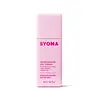
Water, Glycerin, Caprylic/Capric Triglyceride, Pentaerythrityl Tetraethylhexanoate, Polyglyceryl-3 Methylglucose Distearate, Niacinamide, Ceramide NP, Cholesterol, Phytosphingosine, Camellia Sinensis Leaf Extract, Stearic Acid, Oleic Acid, Lactic Acid, Hydrogenated Lecithin, Cetearyl Alcohol, Panthenol, Carbomer, Xanthan Gum, Tromethamine, 1,2-Hexanediol, Caprylyl Glycol, Hydroxyacetophenone, Caprylhydroxamic Acid
Water
Skin ConditioningEthylhexyl Palmitate
Emollient
Propanediol
Solvent
Glycerin
Humectant
Cetearyl Alcohol
Emollient
1,2-Hexanediol
Skin Conditioning
Dicaprylyl Carbonate
EmollientNiacinamide
Smoothing
Sorbitan Stearate
Emulsifying
Glyceryl Stearate
Emollient
Boerhavia Diffusa Root Extract
Skin Protecting
Pinus Pinaster Bark Extract
Antioxidant
Curcuma Longa Root Extract
Antioxidant
Saccharide Isomerate
Humectant
Ribose
HumectantSodium PCA
Humectant
Pyrus Malus Fruit Extract
Skin Conditioning
Sophora Japonica Flower Extract
Skin ProtectingAllantoin
Skin Conditioning
Adenosine
Skin Conditioning
Betaine
Humectant
Citric Acid
Buffering
Mangifera Indica Fruit Extract
Skin ConditioningPrunus Armeniaca Fruit Extract
Skin ConditioningRubus Idaeus Fruit Extract
AstringentCitrus Aurantifolia Peel Extract
Cleansing
Citrus Aurantium Dulcis Peel Extract
Emulsion Stabilising
Citrus Paradisi Peel Extract
Perfuming
Cucumis Melo Fruit Extract
Skin ConditioningImpatiens Balsamina Flower Extract
AstringentVanilla Planifolia Fruit Extract
Skin Conditioning
Xanthan Gum
EmulsifyingCaprylic/Capric Triglyceride
Masking
Cetearyl Olivate
Dipotassium Glycyrrhizate
Humectant
Docosahexaenoic Acid
Skin Conditioning
Eicosapentaenoic Acid
Emollient
Glyceryl Olivate
Emollient
Hydrogenated Rapeseed Alcohol
Emollient
Hydrogenated Vegetable Oil
Emollient
Tocopherol
Antioxidant
Tocopheryl Acetate
Antioxidant
Trisodium Ethylenediamine Disuccinate
Tromethamine
BufferingPhosphatidylcholine
EmulsifyingPhytosphingosine
Skin Conditioning
Polyglyceryl-4 Oleate
Emulsifying
Sorbitan Isostearate
Emulsifying
Sorbitan Olivate
Emulsifying
Mica
Cosmetic ColorantSorbitol
Humectant
Stearic Acid
Cleansing
Tetrasodium Glutamate Diacetate
Acrylates/C10-30 Alkyl Acrylate Crosspolymer
Emulsion StabilisingBehenyl Alcohol
Emollient
Hydroxyethyl Acrylate/Sodium Acryloyldimethyl Taurate Copolymer
Emulsion StabilisingHydroxyacetophenone
Antioxidant
CI 77491
Cosmetic ColorantCI 77891
Cosmetic ColorantEthylhexylglycerin
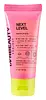
Skin ConditioningWater, Ethylhexyl Palmitate, Propanediol, Glycerin, Cetearyl Alcohol, 1,2-Hexanediol, Dicaprylyl Carbonate, Niacinamide, Sorbitan Stearate, Glyceryl Stearate, Boerhavia Diffusa Root Extract, Pinus Pinaster Bark Extract, Curcuma Longa Root Extract, Saccharide Isomerate, Ribose, Sodium PCA, Pyrus Malus Fruit Extract, Sophora Japonica Flower Extract, Allantoin, Adenosine, Betaine, Citric Acid, Mangifera Indica Fruit Extract, Prunus Armeniaca Fruit Extract, Rubus Idaeus Fruit Extract, Citrus Aurantifolia Peel Extract, Citrus Aurantium Dulcis Peel Extract, Citrus Paradisi Peel Extract, Cucumis Melo Fruit Extract, Impatiens Balsamina Flower Extract, Vanilla Planifolia Fruit Extract, Xanthan Gum, Caprylic/Capric Triglyceride, Cetearyl Olivate, Dipotassium Glycyrrhizate, Docosahexaenoic Acid, Eicosapentaenoic Acid, Glyceryl Olivate, Hydrogenated Rapeseed Alcohol, Hydrogenated Vegetable Oil, Tocopherol, Tocopheryl Acetate, Trisodium Ethylenediamine Disuccinate, Tromethamine, Phosphatidylcholine, Phytosphingosine, Polyglyceryl-4 Oleate, Sorbitan Isostearate, Sorbitan Olivate, Mica, Sorbitol, Stearic Acid, Tetrasodium Glutamate Diacetate, Acrylates/C10-30 Alkyl Acrylate Crosspolymer, Behenyl Alcohol, Hydroxyethyl Acrylate/Sodium Acryloyldimethyl Taurate Copolymer, Hydroxyacetophenone, CI 77491, CI 77891, Ethylhexylglycerin
Reviews
Ingredients Explained
These ingredients are found in both products.
Ingredients higher up in an ingredient list are typically present in a larger amount.
1,2-Hexanediol is a synthetic liquid and another multi-functional powerhouse.
It is a:
- Humectant, drawing moisture into the skin
- Emollient, helping to soften skin
- Solvent, dispersing and stabilizing formulas
- Preservative booster, enhancing the antimicrobial activity of other preservatives
Caprylic/Capric Triglyceride (aka MCT Oil) is a lightweight emollient, solvent, and texture enhancer. It is considered a skin-softener by helping to prevent moisture loss.
Though it behaves like an oil, it is not technically one due to its chemical composition. One perk of this ingredient is that it is very stable, resistant to oxidation, and unlikely to go rancid.
In practice, that translates to a long shelf life and a consistently elegant skin feel.
While there is an assumption Caprylic Triglyceride can clog pores due to it being derived from coconut oil, there is no research supporting this. Just patch test if you have concerns.
Fractionated coconut oil and MCT Oil are both listed as Caprylic/Capric Triglyceride according to INCI. This is because INCI names are based on the ingredient’s final chemical composition and not its marketing name or source.
This ingredient is treated as the gold standard fungal acne safe oil. Even though it is coconut derived, the problematic lauric acid is stripped out.
This leaves just caprylic (C8) and capric (C10) acid. These chain lengths actually trend antifungal; a 2020 study found caprylic acid was enough to disrupt Malassezia furfur cell membrane, with a caprylic acid derivative damaging membrane structures at concentrations as low as 0.2%.
Learn more about Caprylic/Capric TriglycerideCetearyl alcohol is a waxy mixture of two fatty alcohols: cetyl alcohol and stearyl alcohol. It is an emollient and emulsifier.
Despite having "alcohol" in its name, it has nothing to do with drying solvent alcohols; the FDA also allows "alcohol-free" products to contain fatty alcohols like this ingredient.
It plays several roles in a formula:
Typical use levels for this ingredient sit around 1-10% and the Cosmetic Ingredient Review Expert Panel has affirmed safety at concentrations up to 25% in leave-on products.
Multiple assessments have found it to be non-irritating and non-sensitizing to most people.
However, there have been some cases of allergic contact dermatitis in patients with chronically compromised skin barriers.
Cetearyl alcohol has a comedogenic rating of 2 and irritancy rating of 1. Both of these numbers come from the 1989 study that used rabbit ears; a "2" means mildly comedogenic and a "1" means low irritancy.
Here's the catch: rabbit skin is more sensitive than human skin and throws a lot of false positives. A 1996 reappraisal found that ingredients rated 1-2 in the rabbit ear tests are generally safe for humans.
Remember comedogenic ratings are unable to assess the entire formula of a product or how it will react on your skin. Just be sure to patch test if you are unsure about certain ingredients.
This ingredient is not fungal acne safe. Cetearyl alcohol is a fatty alcohol with chain lengths that fall within the range that Malassezia can metabolize.
A 2019 study has also observed Malassezia growth in the presence of this ingredient, confirming it to be not-fungal acne safe.
Learn more about Cetearyl AlcoholGlycerin (or glycerol) is a compound naturally found in your skin. It's a powerhouse humectant that pulls water into the stratum corneum.
Topically, glycerin does several things at once:
Your skin makes glycerin on its own (mostly from sebaceous oil breakdown) and shuttles it to your outermost layer of skin, or your epidermis, via aquaporin-3.
Aquaporin-3 is a transporter that is essential for normal skin hydration, elasticity, and repair. Interestingly, mice lacking in AQP3 have dry and less elastic skin that can be fully corrected with glycerin.
This ingredient is non-irritating, plays well with almost every ingredient, and works across all skin types. Typical use is anywhere between 3-10% but can go up to 79% in some leave-on products.
Just know very high concentrations (>40%) can feel tacky in low humidity.
Glycerin is the name for this ingredient in American English. British English uses Glycerol/Glycerine.
Learn more about GlycerinHydroxyacetophenone is a small phenolic molecule that earns its place in a formulas as an antioxidant and preservative booster.
As a phenol, it is able to neutralize free radicals to protect both the product and the skin from oxidative stress.
Though it can't kill microbes on its own, it works as a good supporting agent when combined with other preservatives like Phenoxyethanol or 1,2-Hexanediol.
This ingredient naturally occurs as piceol in Norwegian spruce needles (~0.4-1.1% dry weight and in cloudberries). Though the cosmetic-grade material is synthesized for purity and consistency.
You'll usually see it used at low levels and suppliers recommend up to 1% added to a water phase.
Safety testing was done at concentrations like 0.05% in SPF products and 0.5% in a Human Repeated Insult Patch Test. The safety evidence is assuring; this ingredient is safe for cosmetics in current use and also holds safety status as a food flavoring as well.
An honest caveat: the "soothing" and "anti-inflammatory" claims come mostly from supplier marketing rather than published clinical trials. The Cosmetic Ingredient Review's own literature search found no useful efficacy studies on this ingredient.
So the antioxidant and preservative-boosting roles are the well supported ones while the calming benefit is plausible but thinly evidenced.
Overall, this is a well-tolerated, low-irritation multitasker that quietly helps a formula stay fresh and stable.
Learn more about HydroxyacetophenoneNiacinamide is a multitasking form of vitamin B3 that strengthens the skin barrier, reduces pores and dark spots, regulates oil, and improves signs of aging.
And the best part? It's gentle and well-tolerated by most skin types, including sensitive and reactive skin.
You might have heard of "niacin flush", or the reddening of skin that causes itchiness. Niacinamide has not been found to cause this.
In very rare cases, some individuals may not be able to tolerate niacinamide at all or experience an allergic reaction to it.
If you are experiencing flaking, irritation, and dryness with this ingredient, be sure to double check all your products as this ingredient can be found in all categories of skincare.
When incorporating niacinamide into your routine, look out for concentration amounts. Typically, 5% niacinamide provides benefits such as fading dark spots. However, if you have sensitive skin, it is better to begin with a smaller concentration.
When you apply niacinamide to your skin, your body converts it into nicotinamide adenine dinucleotide (NAD). NAD is an essential coenzyme that is already found in your cells as "fuel" and powers countless biological processes.
In your skin, NAD helps repair cell damage, produce new healthy cells, support collagen production, strengthen the skin barrier, and fight environmental stressors (like UV and pollution).
Our natural NAD levels start to decline with age, leading to slower skin repair, visible aging, and a weaker skin barrier. By providing your skin niacinamide, you're recharging your skin's NAD levels. This leads to stronger, healthier, and younger looking skin.
Another name for vitamin B3 is nicotinamide. This vitamin is water-soluble and our bodies don't store it. We obtain Vitamin B3 from either food or skincare. Meat, fish, wheat, yeast, and leafy greens contain vitamin B3.
The type of niacinamide used in skincare is synthetically created.
Learn more about NiacinamidePhytosphingosine is a phospholipid naturally found in our skin as a building block for ceramides.. It helps moisturize, soothe, and protect skin.
Phytosphingosine contributes to your skin's natural moisturizing factor (NMF). The NMF is responsible for hydration, a strong barrier, and plasticity. Our NMF decreases with age. Increasing NMF leads to more healthy and hydrated skin.
Studies show products formulated with NMF ingredients help strengthen our skin's barrier. Having a healthy skin barrier reduces irritation and increases hydration. Our skin barrier is responsible for having plump and firm skin. It also helps protect our skin against infection, allergies, and inflammation.
Fun fact: Phytosphingosine is abundant in plants and fungi.
More ingredients that help boost collagen in skin:
Learn more about PhytosphingosineStearic Acid is a fatty acid that is already found in your skin. It's one of the free fatty acids that works alongside ceramides and cholesterols to maintain your barrier.
In cosmetics, it is a multitasker:
Safety-wise, the CIR Expert Panel has concluded it to be safe in cosmetics when formulated to be non-irritating and non-sensitizing.
Free stearic acid is a C18 fatty acid that the Malassezia yeast can substrate, so this ingredient may not be fungal acne safe.
Learn more about Stearic AcidTromethamine (aka THAM) is a synthetic amino acid that shows up in skincare as a helper ingredient.
It functions as a pH adjuster to help neutralize acidic ingredients and set a formula's pH to the right spot.
This matters a lot because a lot of actives (like vitamin C) needs a specific pH to work well and feel comfortable on skin.
Concentration use ranges from 0.1-1.0% depending on the formula.
Learn more about TromethamineWater. It's the most common cosmetic ingredient of all. You'll usually see it at the top of ingredient lists, meaning that it makes up the largest part of the product.
So why is it so popular? Water most often acts as a solvent - this means that it helps dissolve other ingredients into the formulation.
You'll also recognize water as that liquid we all need to stay alive. If you see this, drink a glass of water. Remember to stay hydrated!
Learn more about WaterXanthan gum is used as a stabilizer and thickener within cosmetic products. It helps give products a sticky, thick feeling - preventing them from being too runny.
On the technical side of things, xanthan gum is a polysaccharide - a combination consisting of multiple sugar molecules bonded together.
Xanthan gum is a pretty common and great ingredient. It is a natural, non-toxic, non-irritating ingredient that is also commonly used in food products.
Learn more about Xanthan Gum

