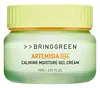
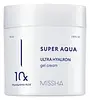
Bring Green Artemisia Cera Calming Moisture Gel Cream Versus Missha Super Aqua Ultra Hyalron Gel Cream
This calming moisturizer is formulated around Ceramide NP to calm redness and hydrate skin.
This barrier-repair moisturizer is formulated around Niacinamide and Sodium Hyaluronate to strengthen the skin barrier and hydrate skin.

What's inside
What's inside
 Key Ingredients
Benefits
Concerns
Ingredients Side-by-side
Artemisia Capillaris Extract
Water
Skin ConditioningGlycerin
Humectant


Methylpropanediol
Solvent1,2-Hexanediol
Skin Conditioning
Betaine
Humectant
Vinyldimethicone

Isopropyl Palmitate
Emollient




Caprylyl Methicone
Skin Conditioning
Hydrogenated Poly(C6-14 Olefin)
EmollientPhellodendron Amurense Bark Extract
Skin ConditioningHydrolyzed Gardenia Florida Extract
Antioxidant
Macadamia Ternifolia Seed Oil
Emollient
Citrus Aurantium Dulcis Peel Oil
Masking
Sodium Hyaluronate
Humectant


Cymbopogon Martini Oil
Masking
Olea Europaea Fruit Oil
Masking
Cananga Odorata Flower Oil
Masking

Pelargonium Graveolens Flower Oil
Masking
Cedrus Atlantica Bark Oil
Masking
Ferula Galbaniflua Resin Oil
Antimicrobial
Rosa Damascena Flower Oil
Masking
Polymethylsilsesquioxane
Hydroxyethyl Acrylate/Sodium Acryloyldimethyl Taurate Copolymer
Emulsion StabilisingHydrogenated Polydecene
EmollientDimethiconol
Emollient
Acrylates/C10-30 Alkyl Acrylate Crosspolymer
Emulsion StabilisingTromethamine
BufferingGlyceryl Acrylate/Acrylic Acid Copolymer
HumectantXanthan Gum
EmulsifyingCeramide NP
Skin Conditioning
Candida Bombicola/Glucose/Methyl Rapeseedate Ferment
AntimicrobialPolyglyceryl-10 Stearate
Skin Conditioning
Sorbitan Isostearate
Emulsifying
Disodium EDTA
ChelatingCetearyl Alcohol
Emollient

Sodium Stearoyl Glutamate
CleansingMaltodextrin
Absorbent
Ethylhexylglycerin
Skin ConditioningLimonene
Perfuming
Geraniol
Perfuming
Artemisia Capillaris Extract, Water, Glycerin, Methylpropanediol, 1,2-Hexanediol, Betaine, Vinyldimethicone, Isopropyl Palmitate, Caprylyl Methicone, Hydrogenated Poly(C6-14 Olefin), Phellodendron Amurense Bark Extract, Hydrolyzed Gardenia Florida Extract, Macadamia Ternifolia Seed Oil, Citrus Aurantium Dulcis Peel Oil, Sodium Hyaluronate, Cymbopogon Martini Oil, Olea Europaea Fruit Oil, Cananga Odorata Flower Oil, Pelargonium Graveolens Flower Oil, Cedrus Atlantica Bark Oil, Ferula Galbaniflua Resin Oil, Rosa Damascena Flower Oil, Polymethylsilsesquioxane, Hydroxyethyl Acrylate/Sodium Acryloyldimethyl Taurate Copolymer, Hydrogenated Polydecene, Dimethiconol, Acrylates/C10-30 Alkyl Acrylate Crosspolymer, Tromethamine, Glyceryl Acrylate/Acrylic Acid Copolymer, Xanthan Gum, Ceramide NP, Candida Bombicola/Glucose/Methyl Rapeseedate Ferment, Polyglyceryl-10 Stearate, Sorbitan Isostearate, Disodium EDTA, Cetearyl Alcohol, Sodium Stearoyl Glutamate, Maltodextrin, Ethylhexylglycerin, Limonene, Geraniol
Water
Skin ConditioningGlycerin
Humectant
Diglycerin
Humectant
Niacinamide
Smoothing






Trehalose
Humectant
1,2-Hexanediol
Skin Conditioning
Caprylic/Capric Triglyceride
Masking
Vinyldimethicone
Pentylene Glycol
Skin Conditioning
Caprylyl Methicone
Skin Conditioning
Isoamyl Laurate
Emollient
Acrylates/C10-30 Alkyl Acrylate Crosspolymer
Emulsion StabilisingAmmonium Acryloyldimethyltaurate/Vp Copolymer
Hydroxyacetophenone
Antioxidant
Tromethamine
BufferingGlyceryl Acrylate/Acrylic Acid Copolymer
HumectantDimethiconol
Emollient
Citrus Aurantium Bergamia Fruit Oil
Masking
Xanthan Gum
EmulsifyingAdenosine
Skin Conditioning
Citric Acid
Buffering
Cetearyl Olivate
Lavandula Angustifolia Oil
Masking
Sorbitan Olivate
Emulsifying
Citrus Aurantium Dulcis Peel Oil
Masking
Sodium Phytate
ChelatingDipotassium Glycyrrhizate
Humectant
Pinus Sylvestris Leaf Oil
Masking
Propanediol
Solvent
Sodium Hyaluronate
Humectant
Benzyl Glycol
SolventHydrolyzed Glycosaminoglycans
HumectantHydroxypropyltrimonium Hyaluronate
Sodium Hyaluronate Crosspolymer
Humectant
Glyceryl Glucoside
Humectant
Hydrolyzed Hyaluronic Acid
Humectant
Butylene Glycol
Humectant
Ethylhexylglycerin
Skin ConditioningXylitylglucoside
Humectant
Methyl Diisopropyl Propionamide
MaskingAnhydroxylitol
Humectant
Sodium Acetylated Hyaluronate
Humectant
Dipropylene Glycol
HumectantXylitol
Humectant
Sucrose Palmitate
EmollientHydrogenated Lecithin
Emulsifying
Hyaluronic Acid
Humectant
Hydrolyzed Sodium Hyaluronate
Skin Conditioning
Macadamia Ternifolia Seed Oil
Emollient
Olea Europaea Fruit Oil
Masking
Simmondsia Chinensis Seed Oil
Emollient
Vitis Vinifera Seed Oil
Emollient
Actinidia Polygama Fruit Extract
Skin ConditioningCholeth-24
EmulsifyingGlyceryl Caprylate
EmollientPotassium Hyaluronate
Skin ConditioningMagnesium Chloride
Tetradecyl Aminobutyroylvalylaminobutyric Urea Trifluoroacetate
Skin ConditioningCeramide NP
Skin Conditioning
Water, Glycerin, Diglycerin, Niacinamide, Trehalose, 1,2-Hexanediol, Caprylic/Capric Triglyceride, Vinyldimethicone, Pentylene Glycol, Caprylyl Methicone, Isoamyl Laurate, Acrylates/C10-30 Alkyl Acrylate Crosspolymer, Ammonium Acryloyldimethyltaurate/Vp Copolymer, Hydroxyacetophenone, Tromethamine, Glyceryl Acrylate/Acrylic Acid Copolymer, Dimethiconol, Citrus Aurantium Bergamia Fruit Oil, Xanthan Gum, Adenosine, Citric Acid, Cetearyl Olivate, Lavandula Angustifolia Oil, Sorbitan Olivate, Citrus Aurantium Dulcis Peel Oil, Sodium Phytate, Dipotassium Glycyrrhizate, Pinus Sylvestris Leaf Oil, Propanediol, Sodium Hyaluronate, Benzyl Glycol, Hydrolyzed Glycosaminoglycans, Hydroxypropyltrimonium Hyaluronate, Sodium Hyaluronate Crosspolymer, Glyceryl Glucoside, Hydrolyzed Hyaluronic Acid, Butylene Glycol, Ethylhexylglycerin, Xylitylglucoside, Methyl Diisopropyl Propionamide, Anhydroxylitol, Sodium Acetylated Hyaluronate, Dipropylene Glycol, Xylitol, Sucrose Palmitate, Hydrogenated Lecithin, Hyaluronic Acid, Hydrolyzed Sodium Hyaluronate, Macadamia Ternifolia Seed Oil, Olea Europaea Fruit Oil, Simmondsia Chinensis Seed Oil, Vitis Vinifera Seed Oil, Actinidia Polygama Fruit Extract, Choleth-24, Glyceryl Caprylate, Potassium Hyaluronate, Magnesium Chloride, Tetradecyl Aminobutyroylvalylaminobutyric Urea Trifluoroacetate, Ceramide NP
Ingredients Explained
These ingredients are found in both products.
Ingredients higher up in an ingredient list are typically present in a larger amount.
1,2-Hexanediol is a synthetic liquid and another multi-functional powerhouse.
It is a:
- Humectant, drawing moisture into the skin
- Emollient, helping to soften skin
- Solvent, dispersing and stabilizing formulas
- Preservative booster, enhancing the antimicrobial activity of other preservatives
Acrylates/C10-30 Alkyl Acrylate Crosspolymer is a synthetic polymer. It is used to thicken, emulsify, and improve the texture of products.
As an emulsifier, it helps stabilize oil-in-water emulsions to give products an elegant feel when applied.
It can also form a thin protective film on skin. One study found that a formula using this polymer helped slow down how quickly other ingredients (like DEET) were absorbed through skin.
A 2024 study of over 1,300 patients confirmed that sensitization to this ingredient is rare. It is also non-mutagenic and has a clean track record.
Learn more about Acrylates/C10-30 Alkyl Acrylate CrosspolymerCaprylyl Methicone is a synthetic and lightweight silicone fluid. It gives products a silky, dry-touch finish without the heaviness of pure oils.
Though the EU CosIng Database lists this ingredient as a skin conditioner, it is also used for sensory reasons. It spreads easily, cuts greasiness, and reduces tackiness.
This ingredient is volatile which means it will mostly evaporate (but it evaporates slower than older cyclomethicones, like Cyclotetrasiloxane).
Typical concentration ranges from 1-30% depending on if it's being used to tweak the feel of a product or acting as the main emollient.
Learn more about Caprylyl MethiconeCeramide NP (formerly known as Ceramide 3) is one of the skin's naturally occurring lipids.
Since ceramides are the major lipid components of the skin, they are crucial for maintaining skin barrier and hydration. Ceramide NP most closely mirrors the dominant kind in human skin amongst ceramide subtypes.
This ceramide works by slotting into gaps within the stratum corneum's lipid matrix to limit trans-epidermal water loss (TEWL) and shield the skin against external irritants.
A study with 312 patients found that using a ceramide-containing routine for 4 weeks reduced the severity of atopic dermatitis by over 61%.
Another clinical study in subjects aged 60 and older found that a ceramide body wash and moisturizer improved skin dryness and itchy skin in 15 days.
Overall, ceramides are considered non-irritating and safety tests have found little to no observable adverse effects from using this ingredient.
Ceramide NP is usually sourced from plants (like soybean or rice bran), or produced synthetically.
Learn more about Ceramide NPCitrus Aurantium Dulcis Peel Oil is oil from the peel of an orange fruit.
Limonene and linalool make up the majority of oils from citrus peels. Limonene has a "citrus" fragrance. Citrus peels also contain flavonoids, which have anti-inflammatory properties.
Citrus peel is also a rich source of flavonoids. Flavonoids are natural antioxidants and help protect your skin against damage. Flavonoids are a group of compounds naturally found in vegetables and fruits.
The term 'fragrance' is not regulated in many countries. In many cases, it is up to the brand to define this term. For instance, many brands choose to label themselves as "fragrance-free" because they are not using synthetic fragrances. However, their products may still contain ingredients such as essential oils that are considered a fragrance.
Learn more about Citrus Aurantium Dulcis Peel OilDimethiconol is a silicone that resembles the popular dimethicone. Like other silicones, it is an emollient. Emollients create a thin film on skin to prevent moisture from escaping.
This ingredient helps to create a silky texture and improve spreadability. Due to its high molecular weight and thickness, it is often combined with cyclopentasiloxane.
Ethylhexylglycerin is created from glycerin. It is a multitasker ingredient that:
The CIR Expert Panel found minimal skin absorption or sensitization of any kind in a safety assessment. Though this ingredient is considered well-tolerated, a small number of cases of allergic dermatitis have been published since 2002. Just be sure to patch test if you are unsure.
Industry-reported use ranges from 8% in rinse-off products and 2% in leave-on formulations.
Learn more about EthylhexylglycerinGlycerin (or glycerol) is a compound naturally found in your skin. It's a powerhouse humectant that pulls water into the stratum corneum.
Topically, glycerin does several things at once:
Your skin makes glycerin on its own (mostly from sebaceous oil breakdown) and shuttles it to your outermost layer of skin, or your epidermis, via aquaporin-3.
Aquaporin-3 is a transporter that is essential for normal skin hydration, elasticity, and repair. Interestingly, mice lacking in AQP3 have dry and less elastic skin that can be fully corrected with glycerin.
This ingredient is non-irritating, plays well with almost every ingredient, and works across all skin types. Typical use is anywhere between 3-10% but can go up to 79% in some leave-on products.
Just know very high concentrations (>40%) can feel tacky in low humidity.
Glycerin is the name for this ingredient in American English. British English uses Glycerol/Glycerine.
Learn more about GlycerinGlyceryl Acrylate/Acrylic Acid Copolymer is made up of glycerin and polyacrylic acid. It helps hydrate your skin as a humectant.
This ingredient forms a hydrogel that delivers moisturizing, water-based ingredients to the skin. It is also used to thicken a product and to give it a smooth texture.
Acrylic acid itself is toxic, but the polymer form (this ingredient) is too large to penetrate skin, making it non-toxic.
Learn more about Glyceryl Acrylate/Acrylic Acid CopolymerThis ingredient is also known as Macadamia Seed Oil. It's an emollient with a fatty acid profile that closely mirrors the skin's own lipid makeup.
The palmitoleic acid content is especially notable as it's somewhat rare in plant oils. Palmitoleic acid is something your skin already makes naturally. It helps keep cell membranes structured and plays a role in fighting off harmful microbes.
This palmitoleic content is also part of why macademia seed oil absorbs quickly and doesn't leave much of a greasy residue.
It also contains oleic acid, linoleic acid, and phytosterols that can help reduce redness.
In vitro research has shown the oil to have meaningful antioxidant activity, protect fats in the skin from oxidative damage, and slow down the enzyme that breaks down hyaluronic acid.
A 2024 clinical study found it effective at improving skin hydratino and reducing wrinkle appearance when formulated into nanoemulsions.
Because it carries oleic acid (C18) and palmitic acid (C16), this ingredient may not be fungal acne safe. This is because the Malassezia yeast metabolizes in the C11-24 chain length range.
You'll also see this ingredient listed as: Macadamia Integrifolia Seed Oil .
These two oils are identical in composition and M. ternifolia is an older INCI naming convention for the edible macadamia nut while M. integrifolia is the species actually cultivated for oil production. Both names refer to the same oil.
Learn more about Macadamia Ternifolia Seed OilThis ingredient is also known as olive oil. It has been used in skincare for centuries and science largely backs up its reputation as a nourishing emollient.
The main components of olive oil are oleic acid (55-83%), linoleic acid (3.5-20%), and palmitic acid (7-20%). Oleic acid promotes skin regeneration and helps regulate inflammatory responses.
Squalene is also naturally present in olive oil and exhibits moisturizing and antioxidant properties.
The polyphenols in olive oil also show anti-aging promise; one clinical study found a measurable improvement in skin appearance after 30 days of topical serum use.
Just be aware that applying olive oil directly to skin can weaken the barrier and cause redness. One study with volunteers found even people without sensitive skin experienced a significant reduction in stratum corneum integrity and induced mild erythema.
It's best to use this ingredient as part of a carefully crafted formula (instead of putting it on skin directly from the bottle).
Because it has a 0-2 on the comedogenic scale, it is low risk for acne-prone skin. Just remember the overall formulation of a product matters more than a few ingredients with comedogenic ratings.
This ingredient may not be fungal acne safe because of the oleic and palmitic acid content. These fall within the C11-24 fatty acid range that the Malassezia yeast can metabolize to grow.
Overall, olive oil is a well-studied and nourishing skincare ingredient.
Learn more about Olea Europaea Fruit OilSodium Hyaluronate is the salt form of hyaluronic acid. It is a long sugar chain that is naturally found in your skin, joints, and connective tissue that maintains hydration and elasticity.
In skincare, it works as a humectant. It pulls water from the environment and deeper layers of skin and binds it to the surface.
Interestingly, the size of the molecule affects its behavior:
Some clinical evidence links low molecular weight versions to improved wrinkle depth, elasticity, anti-inflammatory effects, and barrier repair.
Many serums use a blend of both weights so you can get surface hydration plus longer-lasting and deeper effects.
You'll typically see concentrations between 0.1-2% for this ingredient.
Learn more about Sodium HyaluronateTromethamine (aka THAM) is a synthetic amino acid that shows up in skincare as a helper ingredient.
It functions as a pH adjuster to help neutralize acidic ingredients and set a formula's pH to the right spot.
This matters a lot because a lot of actives (like vitamin C) needs a specific pH to work well and feel comfortable on skin.
Concentration use ranges from 0.1-1.0% depending on the formula.
Learn more about TromethamineVinyldimethicone is a type of silicone.
Water. It's the most common cosmetic ingredient of all. You'll usually see it at the top of ingredient lists, meaning that it makes up the largest part of the product.
So why is it so popular? Water most often acts as a solvent - this means that it helps dissolve other ingredients into the formulation.
You'll also recognize water as that liquid we all need to stay alive. If you see this, drink a glass of water. Remember to stay hydrated!
Learn more about WaterXanthan gum is used as a stabilizer and thickener within cosmetic products. It helps give products a sticky, thick feeling - preventing them from being too runny.
On the technical side of things, xanthan gum is a polysaccharide - a combination consisting of multiple sugar molecules bonded together.
Xanthan gum is a pretty common and great ingredient. It is a natural, non-toxic, non-irritating ingredient that is also commonly used in food products.
Learn more about Xanthan Gum

