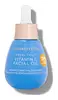
This brightening oil is formulated around Tetrahexyldecyl Ascorbate and Bakuchiol to brighten dull-looking skin and soften the look of wrinkles.
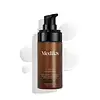
This brightening serum is formulated around Tetrahexyldecyl Ascorbate and Acetyl Glucosamine to brighten dull-looking skin and soften the look of wrinkles.


What's inside
What's inside
 Key Ingredients
Benefits
Concerns
Ingredients Side-by-side
Squalane
Emollient


Tetrahexyldecyl Ascorbate
Antioxidant






Fragaria Ananassa Seed Oil
Antioxidant


Caprylic/Capric Triglyceride
Masking
Tulipa Gesneriana Flower Extract
Skin ConditioningBakuchiol
Antimicrobial



Niacinamide
Smoothing

Cannabis Sativa Seed Oil
Emollient
Astragalus Membranaceus Root Extract
Emollient
Spilanthes Acmella Flower/Leaf/Stem Extract
AntimicrobialAcmella Oleracea Extract
Skin ProtectingUbiquinone
Antioxidant
Ceramide NP
Skin Conditioning
Ceramide As
Skin Conditioning
Ceramide AP
Skin Conditioning
Ceramide Ns
Skin Conditioning
Cholesterol
Emollient
Ceramide EOP
Skin Conditioning
Tocopherol
Antioxidant
Tocopheryl Acetate
Antioxidant
Chamomilla Recutita Flower Extract
Masking
Echinacea Purpurea Extract
MoisturisingEuterpe Oleracea Fruit Extract
Terminalia Ferdinandiana Fruit Extract
Antioxidant
Vaccinium Angustifolium Fruit Extract
Skin Protecting
Carica Papaya Fruit Extract
Skin ConditioningAnanas Sativus Fruit Extract
Skin ConditioningActinidia Chinensis Fruit Extract
EmollientCarthamus Tinctorius Seed Oil
Masking
Caprylyl Glycol
Emollient
Ethylhexylglycerin
Skin ConditioningOlea Europaea Fruit Oil
Masking


Rubus Idaeus Seed Oil
Emollient
Citrullus Lanatus Seed Oil
Emollient
Ribes Nigrum Seed Oil
Emollient
Prunus Amygdalus Dulcis Oil
Skin Conditioning
Persea Gratissima Oil
Skin Conditioning
Caryodendron Orinocense Seed Oil
Emollient
Brassica Oleracea Italica Seed Oil
Emollient
Rosa Canina Fruit Oil
Emollient
Sodium Hyaluronate
Humectant
Kinetin
Skin ConditioningIndole Acetic Acid
Skin ConditioningHydrogenated Lecithin
Emulsifying
Dipropylene Glycol
HumectantGlyceryl Stearate
Emollient
Sucrose Distearate
Emollient
Glycerin
Humectant
Maltodextrin
Absorbent
Sodium Benzoate
Masking
Potassium Sorbate
Preservative
Water
Skin ConditioningSqualane, Tetrahexyldecyl Ascorbate, Fragaria Ananassa Seed Oil, Caprylic/Capric Triglyceride, Tulipa Gesneriana Flower Extract, Bakuchiol, Niacinamide, Cannabis Sativa Seed Oil, Astragalus Membranaceus Root Extract, Spilanthes Acmella Flower/Leaf/Stem Extract, Acmella Oleracea Extract, Ubiquinone, Ceramide NP, Ceramide As, Ceramide AP, Ceramide Ns, Cholesterol, Ceramide EOP, Tocopherol, Tocopheryl Acetate, Chamomilla Recutita Flower Extract, Echinacea Purpurea Extract, Euterpe Oleracea Fruit Extract, Terminalia Ferdinandiana Fruit Extract, Vaccinium Angustifolium Fruit Extract, Carica Papaya Fruit Extract, Ananas Sativus Fruit Extract, Actinidia Chinensis Fruit Extract, Carthamus Tinctorius Seed Oil, Caprylyl Glycol, Ethylhexylglycerin, Olea Europaea Fruit Oil, Rubus Idaeus Seed Oil, Citrullus Lanatus Seed Oil, Ribes Nigrum Seed Oil, Prunus Amygdalus Dulcis Oil, Persea Gratissima Oil, Caryodendron Orinocense Seed Oil, Brassica Oleracea Italica Seed Oil, Rosa Canina Fruit Oil, Sodium Hyaluronate, Kinetin, Indole Acetic Acid, Hydrogenated Lecithin, Dipropylene Glycol, Glyceryl Stearate, Sucrose Distearate, Glycerin, Maltodextrin, Sodium Benzoate, Potassium Sorbate, Water
Water
Skin ConditioningTetrahexyldecyl Ascorbate
Antioxidant
Isododecane
EmollientPropanediol
Solvent
Acetyl Glucosamine
Skin Conditioning
Squalane
Emollient
Tocopherol
Antioxidant
Acetyl Zingerone
Antioxidant
Camellia Sinensis Leaf
Perfuming
Hydroxyacetophenone
Antioxidant
Sodium Hyaluronate
Humectant
Cellulose
Absorbent
Avena Sativa Kernel Extract
Abrasive
Glycerin
Humectant
Hydroxyethyl Acrylate/Sodium Acryloyldimethyl Taurate Copolymer
Emulsion StabilisingCitrus Grandis Peel Oil
Masking


Sucrose Stearate
EmollientTetrasodium Glutamate Diacetate
Ethylhexylglycerin
Skin ConditioningAcrylates/C10-30 Alkyl Acrylate Crosspolymer
Emulsion StabilisingXanthan Gum
EmulsifyingSodium Benzoate
Masking
Cellulose Gum
Emulsion Stabilising1,2-Hexanediol
Skin Conditioning
Polysorbate 60
Emulsifying
Sorbitan Isostearate
Emulsifying
Citric Acid
Buffering
Phenoxyethanol
Preservative
Citral
Perfuming
Linalool
Perfuming
Limonene
Perfuming
Water, Tetrahexyldecyl Ascorbate, Isododecane, Propanediol, Acetyl Glucosamine, Squalane, Tocopherol, Acetyl Zingerone, Camellia Sinensis Leaf, Hydroxyacetophenone, Sodium Hyaluronate, Cellulose, Avena Sativa Kernel Extract, Glycerin, Hydroxyethyl Acrylate/Sodium Acryloyldimethyl Taurate Copolymer, Citrus Grandis Peel Oil, Sucrose Stearate, Tetrasodium Glutamate Diacetate, Ethylhexylglycerin, Acrylates/C10-30 Alkyl Acrylate Crosspolymer, Xanthan Gum, Sodium Benzoate, Cellulose Gum, 1,2-Hexanediol, Polysorbate 60, Sorbitan Isostearate, Citric Acid, Phenoxyethanol, Citral, Linalool, Limonene
Reviews
Ingredients Explained
These ingredients are found in both products.
Ingredients higher up in an ingredient list are typically present in a larger amount.
Ethylhexylglycerin is created from glycerin. It is a multitasker ingredient that:
The CIR Expert Panel found minimal skin absorption or sensitization of any kind in a safety assessment. Though this ingredient is considered well-tolerated, a small number of cases of allergic dermatitis have been published since 2002. Just be sure to patch test if you are unsure.
Industry-reported use ranges from 8% in rinse-off products and 2% in leave-on formulations.
Learn more about EthylhexylglycerinGlycerin (or glycerol) is a compound naturally found in your skin. It's a powerhouse humectant that pulls water into the stratum corneum.
Topically, glycerin does several things at once:
Your skin makes glycerin on its own (mostly from sebaceous oil breakdown) and shuttles it to your outermost layer of skin, or your epidermis, via aquaporin-3.
Aquaporin-3 is a transporter that is essential for normal skin hydration, elasticity, and repair. Interestingly, mice lacking in AQP3 have dry and less elastic skin that can be fully corrected with glycerin.
This ingredient is non-irritating, plays well with almost every ingredient, and works across all skin types. Typical use is anywhere between 3-10% but can go up to 79% in some leave-on products.
Just know very high concentrations (>40%) can feel tacky in low humidity.
Glycerin is the name for this ingredient in American English. British English uses Glycerol/Glycerine.
Learn more about GlycerinSodium Benzoate is a preservative. It's used in both cosmetic and food products to inhibit the growth of mold and bacteria. It is typically produced synthetically.
Both the US FDA and EU Health Committee have approved the use of sodium benzoate. In the US, levels of 0.1% (of the total product) are allowed.
Sodium benzoate works as a preservative by inhibiting the growth of bacteria inside of cells. It prevents the cell from fermenting a type of sugar using an enzyme called phosphofructokinase.
It is the salt of benzoic acid. Foods containing sodium benzoate include soda, salad dressings, condiments, fruit juices, wines, and snack foods.
Studies for using ascorbic acid and sodium benzoate in cosmetics are lacking, especially in skincare routines with multiple steps.
We always recommend speaking with a professional, such as a dermatologist, if you have any concerns.
Learn more about Sodium BenzoateSodium Hyaluronate is the salt form of hyaluronic acid. It is a long sugar chain that is naturally found in your skin, joints, and connective tissue that maintains hydration and elasticity.
In skincare, it works as a humectant. It pulls water from the environment and deeper layers of skin and binds it to the surface.
Interestingly, the size of the molecule affects its behavior:
Some clinical evidence links low molecular weight versions to improved wrinkle depth, elasticity, anti-inflammatory effects, and barrier repair.
Many serums use a blend of both weights so you can get surface hydration plus longer-lasting and deeper effects.
You'll typically see concentrations between 0.1-2% for this ingredient.
Learn more about Sodium HyaluronateSqualane is the hydrogenated and shelf-stable form of squalene (a lipid that naturally occurs in human sebum).
It is an emollient and skin conditioning agent that is able to integrate seamlessly into the skin's lipid barrier without clogging pores.
This is due to how structurally similar it is to what your skin already produces.
Though it is mostly an emollient that helps soften and hydrate skin, it also has some humectant and occlusive action. Humectants help the skin retain moisture while occlusives seal it in, making squalane a triple-threat moisturizer.
Research shows it has antioxidant capabilities that help protect against stressors like UV exposure, specifically UVA induced oxidative stress. This study also found that it supports collagen biosynthesis in human dermal fibroblasts.
No clinical study has reported significant adverse effects and irritation reactions are very rare from this ingredient (even at 100% concentration).
Overall, it's a fantastic ingredient for hydration and is suitable for all skin types.
This depends on the source. Squalane can be derived from both plants and animals. Most squalane used in skincare comes from plants.
Please note: the source of squalane is only known if disclosed by the brand. We recommend reaching out to the brand if you have any questions about their squalane.
Read more about squalene with an "e".
Though squalane is often called an oil, it’s technically not one. It is a hydrocarbon, meaning it is only made of carbon and hydrogen. True oils are triglycerides and made of fatty acids and glycerol.
The term “oil-free” isn’t regulated so companies can define it however they want. Some exclude all oils, while others just avoid mineral oil or comedogenic oils.
Squalane has a comedogenic rating of 1 from the original 1972 study that tested raw ingredients under occlusion on rabbit ears. This system is not standardized or peer-reviewed, and using the raw ingredients is very different from how diluted cosmetic formulations are used on human skin.
A comedogenic rating of 1 means it is "unlikely to clog pores" according to the original rating system.
The overall formula of a product matters more than the individual ingredients on whether or not it will cause clogged pores.
Learn more about SqualaneTetrahexyldecyl Ascorbate (THD) is a stable and oil-soluble form of Vitamin C.
THD is special in that it has the ability to travel deeper into skin than traditional ascorbic acid while maintaining the same skin benefits (double win!).
Because it’s oil-soluble, THD dives deep into your skin’s fatty layers (think ceramides and cholesterol) to fight off the kind of free radicals that mess with your skin barrier. This makes it a great pair with water-based vitamin C (ascorbic acid) that mainly works on the surface.
Even at just 0.1%, THD is already showing great antioxidant activity. When used up to 2%, it helps keep your skin happy and calm, especially when it’s stressed from pollution or sun.
Want to fade dark spots or tackle hyperpigmentation? You’ll want 5% or more. Pairing it with brightening buddies like niacinamide or licorice root gives even better results. One study even used 30% THD with other brighteners and saw real results on stubborn discoloration, even in melasma-prone skin.
A note on THD: It’s has a slightly silky, oily texture and usually shows up colorless or pale yellow (though the exact shade can vary by supplier).
While you can sneak it into water-based formulas, it really shines when paired with silicones or oils, which help your skin soak it up better.
THD is pretty stable, but it’s still vulnerable to degradation like ascorbic acid. Too much light or heat (above 113°F / 45°C) can break it down over time. Go for dark and opaque packaging that keeps it safe and shady!
Read more about other types of Vitamin C:
Learn more about Tetrahexyldecyl AscorbateTocopherol is a fat-soluble antioxidant known as Vitamin E.
You'll find this ingredient in the vast majority of skincare (for good reason). It works to neutralize free radicals, or unstable molecules generated by UV exposure, pollution, and other environmental stressors, before they can cause oxidative damage to your skin cells.
Topically applied tocopherol has been shown to protect against UV damage by ramping up the skin's own natural defense enzymes.
It also acts as a skin conditioning agent; some studies show that regular topical use can improve the skin's water-binding capacity over 2-4 weeks.
This ingredient is especially loved for being a team player. When combined with Vitamin C, the photoprotective effect of both ingredients roughly doubles and the combo also helps reduce UV-induced DNA damage.
This ingredient has some brightening potential but it's more of a prevention ingredient than spot-fader. Cell studies show it can slow down melanin production but it's worth noting that it's not the most powerful brightener out there.
In formulations, it also serves as a stabilizer that helps protect other oxidation-prone ingredients from degrading.
Concentrations usually range from 0.1-1% in most leave-on products.
Learn more about TocopherolWater. It's the most common cosmetic ingredient of all. You'll usually see it at the top of ingredient lists, meaning that it makes up the largest part of the product.
So why is it so popular? Water most often acts as a solvent - this means that it helps dissolve other ingredients into the formulation.
You'll also recognize water as that liquid we all need to stay alive. If you see this, drink a glass of water. Remember to stay hydrated!
Learn more about Water

