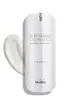
This brightening moisturizer is formulated around Tetrahexyldecyl Ascorbate and Retinyl Retinoate to brighten dull-looking skin.
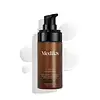
This brightening serum is formulated around Tetrahexyldecyl Ascorbate and Acetyl Glucosamine to brighten dull-looking skin and soften the look of wrinkles.

What's inside
What's inside
 Key Ingredients
Benefits
Concerns
Ingredients Side-by-side
Water
Skin ConditioningTetrahexyldecyl Ascorbate
Antioxidant






Heptyl Undecylenate
EmollientCaprylic/Capric Triglyceride
Masking


Methylpropanediol
SolventPolylactic Acid
Abrasive
Cetearyl Olivate


Sodium Polyacryloyldimethyl Taurate
Emulsion StabilisingCetearyl Isononanoate
Emollient
Distarch Phosphate
AbsorbentTocopheryl Acetate
Antioxidant
Sorbitan Olivate
Emulsifying
Hydrogenated Polydecene
EmollientRetinyl Retinoate
Skin Conditioning


Glycerin
Humectant
Caprylyl Glycol
Emollient
Sodium Hyaluronate
Humectant

Cholesteryl Nonanoate
EmollientDisodium EDTA
ChelatingHydroxyacetophenone
Antioxidant
Canola Oil
Emollient


Cetearyl Alcohol
Emollient
Phenylpropanol
Masking

Vanilla Planifolia Fruit Extract
Skin Conditioning
3-O-Ethyl Ascorbic Acid
Skin Conditioning
Sodium Metabisulfite
Antioxidant
BHT
Antioxidant
Sodium Hydroxide
BufferingTrideceth-10
CleansingWater, Tetrahexyldecyl Ascorbate, Heptyl Undecylenate, Caprylic/Capric Triglyceride, Methylpropanediol, Polylactic Acid, Cetearyl Olivate, Sodium Polyacryloyldimethyl Taurate, Cetearyl Isononanoate, Distarch Phosphate, Tocopheryl Acetate, Sorbitan Olivate, Hydrogenated Polydecene, Retinyl Retinoate, Glycerin, Caprylyl Glycol, Sodium Hyaluronate, Cholesteryl Nonanoate, Disodium EDTA, Hydroxyacetophenone, Canola Oil, Cetearyl Alcohol, Phenylpropanol, Vanilla Planifolia Fruit Extract, 3-O-Ethyl Ascorbic Acid, Sodium Metabisulfite, BHT, Sodium Hydroxide, Trideceth-10
Water
Skin ConditioningTetrahexyldecyl Ascorbate
Antioxidant
Isododecane
EmollientPropanediol
Solvent
Acetyl Glucosamine
Skin Conditioning
Squalane
Emollient
Tocopherol
Antioxidant
Acetyl Zingerone
Antioxidant
Camellia Sinensis Leaf
Perfuming
Hydroxyacetophenone
Antioxidant
Sodium Hyaluronate
Humectant
Cellulose
Absorbent
Avena Sativa Kernel Extract
Abrasive
Glycerin
Humectant
Hydroxyethyl Acrylate/Sodium Acryloyldimethyl Taurate Copolymer
Emulsion StabilisingCitrus Grandis Peel Oil
Masking


Sucrose Stearate
EmollientTetrasodium Glutamate Diacetate
ChelatingEthylhexylglycerin
Skin ConditioningAcrylates/C10-30 Alkyl Acrylate Crosspolymer
Emulsion StabilisingXanthan Gum
EmulsifyingSodium Benzoate
Masking
Cellulose Gum
Emulsion Stabilising1,2-Hexanediol
Skin Conditioning
Polysorbate 60
Emulsifying
Sorbitan Isostearate
Emulsifying
Citric Acid
Buffering
Phenoxyethanol
Preservative
Citral
Perfuming
Linalool
Perfuming
Limonene
Perfuming
Water, Tetrahexyldecyl Ascorbate, Isododecane, Propanediol, Acetyl Glucosamine, Squalane, Tocopherol, Acetyl Zingerone, Camellia Sinensis Leaf, Hydroxyacetophenone, Sodium Hyaluronate, Cellulose, Avena Sativa Kernel Extract, Glycerin, Hydroxyethyl Acrylate/Sodium Acryloyldimethyl Taurate Copolymer, Citrus Grandis Peel Oil, Sucrose Stearate, Tetrasodium Glutamate Diacetate, Ethylhexylglycerin, Acrylates/C10-30 Alkyl Acrylate Crosspolymer, Xanthan Gum, Sodium Benzoate, Cellulose Gum, 1,2-Hexanediol, Polysorbate 60, Sorbitan Isostearate, Citric Acid, Phenoxyethanol, Citral, Linalool, Limonene
Reviews
Ingredients Explained
These ingredients are found in both products.
Ingredients higher up in an ingredient list are typically present in a larger amount.
Glycerin (or glycerol) is a compound naturally found in your skin. It's a powerhouse humectant that pulls water into the stratum corneum.
Topically, glycerin does several things at once:
Your skin makes glycerin on its own (mostly from sebaceous oil breakdown) and shuttles it to your outermost layer of skin, or your epidermis, via aquaporin-3.
Aquaporin-3 is a transporter that is essential for normal skin hydration, elasticity, and repair. Interestingly, mice lacking in AQP3 have dry and less elastic skin that can be fully corrected with glycerin.
This ingredient is non-irritating, plays well with almost every ingredient, and works across all skin types. Typical use is anywhere between 3-10% but can go up to 79% in some leave-on products.
Just know very high concentrations (>40%) can feel tacky in low humidity.
Glycerin is the name for this ingredient in American English. British English uses Glycerol/Glycerine.
Learn more about GlycerinHydroxyacetophenone is a small phenolic molecule that earns its place in a formulas as an antioxidant and preservative booster.
As a phenol, it is able to neutralize free radicals to protect both the product and the skin from oxidative stress.
Though it can't kill microbes on its own, it works as a good supporting agent when combined with other preservatives like Phenoxyethanol or 1,2-Hexanediol.
This ingredient naturally occurs as piceol in Norwegian spruce needles (~0.4-1.1% dry weight and in cloudberries). Though the cosmetic-grade material is synthesized for purity and consistency.
You'll usually see it used at low levels and suppliers recommend up to 1% added to a water phase.
Safety testing was done at concentrations like 0.05% in SPF products and 0.5% in a Human Repeated Insult Patch Test. The safety evidence is assuring; this ingredient is safe for cosmetics in current use and also holds safety status as a food flavoring as well.
An honest caveat: the "soothing" and "anti-inflammatory" claims come mostly from supplier marketing rather than published clinical trials. The Cosmetic Ingredient Review's own literature search found no useful efficacy studies on this ingredient.
So the antioxidant and preservative-boosting roles are the well supported ones while the calming benefit is plausible but thinly evidenced.
Overall, this is a well-tolerated, low-irritation multitasker that quietly helps a formula stay fresh and stable.
Learn more about HydroxyacetophenoneSodium Hyaluronate is the salt form of hyaluronic acid. It is a long sugar chain that is naturally found in your skin, joints, and connective tissue that maintains hydration and elasticity.
In skincare, it works as a humectant. It pulls water from the environment and deeper layers of skin and binds it to the surface.
Interestingly, the size of the molecule affects its behavior:
Some clinical evidence links low molecular weight versions to improved wrinkle depth, elasticity, anti-inflammatory effects, and barrier repair.
Many serums use a blend of both weights so you can get surface hydration plus longer-lasting and deeper effects.
You'll typically see concentrations between 0.1-2% for this ingredient.
Learn more about Sodium HyaluronateTetrahexyldecyl Ascorbate (THD) is a stable and oil-soluble form of Vitamin C.
THD is special in that it has the ability to travel deeper into skin than traditional ascorbic acid while maintaining the same skin benefits (double win!).
Because it’s oil-soluble, THD dives deep into your skin’s fatty layers (think ceramides and cholesterol) to fight off the kind of free radicals that mess with your skin barrier. This makes it a great pair with water-based vitamin C (ascorbic acid) that mainly works on the surface.
Even at just 0.1%, THD is already showing great antioxidant activity. When used up to 2%, it helps keep your skin happy and calm, especially when it’s stressed from pollution or sun.
Want to fade dark spots or tackle hyperpigmentation? You’ll want 5% or more. Pairing it with brightening buddies like niacinamide or licorice root gives even better results. One study even used 30% THD with other brighteners and saw real results on stubborn discoloration, even in melasma-prone skin.
A note on THD: It’s has a slightly silky, oily texture and usually shows up colorless or pale yellow (though the exact shade can vary by supplier).
While you can sneak it into water-based formulas, it really shines when paired with silicones or oils, which help your skin soak it up better.
THD is pretty stable, but it’s still vulnerable to degradation like ascorbic acid. Too much light or heat (above 113°F / 45°C) can break it down over time. Go for dark and opaque packaging that keeps it safe and shady!
Read more about other types of Vitamin C:
Learn more about Tetrahexyldecyl AscorbateWater. It's the most common cosmetic ingredient of all. You'll usually see it at the top of ingredient lists, meaning that it makes up the largest part of the product.
So why is it so popular? Water most often acts as a solvent - this means that it helps dissolve other ingredients into the formulation.
You'll also recognize water as that liquid we all need to stay alive. If you see this, drink a glass of water. Remember to stay hydrated!
Learn more about Water

