Biologique Recherche Sérum Yall~O2 Fundamental Hydration Elixir Versus Haruharu Wonder Black Rice Probiotics Barrier Essence
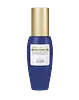
This hydrating serum is formulated around Xylitylglucoside and Sodium Hyaluronate to hydrate skin and strengthen the skin barrier.
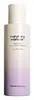
This barrier-repair essence is formulated around Oryza Sativa Extract and Galactomyces Ferment Filtrate to strengthen the skin barrier and hydrate skin.


What's inside
What's inside
 Key Ingredients
Benefits
Concerns
Ingredients Side-by-side
Water
Skin ConditioningPerfluorodecalin
Skin ConditioningCoco-Caprylate
Emollient

Isocetyl Stearate
Emollient




Maltodextrin
Absorbent
Xylitylglucoside
Humectant
Sodium Hyaluronate
Humectant



Anhydroxylitol
Humectant
Polyperfluoromethylisopropyl Ether
Skin ConditioningXylitol
Humectant
Poloxamer 188
EmulsifyingRhizobian Gum
Punica Granatum Fruit Extract
Antioxidant


Acacia Senegal Gum
MaskingLilium Candidum Flower Extract
Skin ConditioningJuglans Regia Seed Extract
Skin ConditioningHibiscus Sabdariffa Flower Extract
Skin ConditioningJuglans Regia Shell Extract
Skin ConditioningCarum Carvi Fruit Oil
Masking



Citric Acid
Buffering

Propylene Glycol
Humectant
Polyacrylamide
Hydroxyethyl Acrylate/Sodium Acryloyldimethyl Taurate Copolymer
Emulsion StabilisingC13-14 Isoparaffin
Emollient
Chlorphenesin
Antimicrobial
Xanthan Gum
EmulsifyingEthylhexylglycerin
Skin ConditioningLaureth-7
EmulsifyingSodium Benzoate
Masking
Sorbitan Isostearate
Emulsifying
Polysorbate 60
Emulsifying
Phenoxyethanol
Preservative
Potassium Sorbate
Preservative
Sodium Metabisulfite
Antioxidant
Limonene
Perfuming
Water, Perfluorodecalin, Coco-Caprylate, Isocetyl Stearate, Maltodextrin, Xylitylglucoside, Sodium Hyaluronate, Anhydroxylitol, Polyperfluoromethylisopropyl Ether, Xylitol, Poloxamer 188, Rhizobian Gum, Punica Granatum Fruit Extract, Acacia Senegal Gum, Lilium Candidum Flower Extract, Juglans Regia Seed Extract, Hibiscus Sabdariffa Flower Extract, Juglans Regia Shell Extract, Carum Carvi Fruit Oil, Citric Acid, Propylene Glycol, Polyacrylamide, Hydroxyethyl Acrylate/Sodium Acryloyldimethyl Taurate Copolymer, C13-14 Isoparaffin, Chlorphenesin, Xanthan Gum, Ethylhexylglycerin, Laureth-7, Sodium Benzoate, Sorbitan Isostearate, Polysorbate 60, Phenoxyethanol, Potassium Sorbate, Sodium Metabisulfite, Limonene
Water
Skin ConditioningButylene Glycol
Humectant
Helianthus Annuus Seed Oil
Emollient
Caprylic/Capric Triglyceride
Masking
Hydrogenated Polyisobutene
EmollientLimnanthes Alba Seed Oil
Skin Conditioning
Butylene Glycol Dicaprylate/Dicaprate
Emollient1,2-Hexanediol
Skin Conditioning
Potassium Cetyl Phosphate
EmulsifyingCetearyl Alcohol
Emollient
Hydroxyacetophenone
Antioxidant
Glycerin
Humectant
Glyceryl Stearate
Emollient
Oryza Sativa Extract
Absorbent
Phyllostachys Pubescens Shoot Bark Extract
Skin ConditioningHydrogenated Lecithin
Emulsifying
Polyglyceryl-10 Laurate
Skin Conditioning
Polyglyceryl-3 Methylglucose Distearate
Emulsifying
Xanthan Gum
EmulsifyingGalactomyces Ferment Filtrate
Humectant
Panthenol
Skin Conditioning
Bifida Ferment Filtrate
Skin Conditioning
Aspergillus Ferment
Skin ConditioningEthylhexylglycerin
Skin ConditioningAcrylates/C10-30 Alkyl Acrylate Crosspolymer
Emulsion StabilisingCeramide NP
Skin Conditioning
Disodium EDTA
ChelatingPentylene Glycol
Skin Conditioning
Tromethamine
BufferingButyrospermum Parkii Butter
Skin Conditioning
Phytosterols
Skin Conditioning
Oryza Sativa Lees Extract
Skin ConditioningPanax Ginseng Root Extract
Emollient
Stearic Acid
Cleansing
Palmitic Acid
Emollient
Caprylyl Glycol
Emollient
Squalane
Emollient
Hydrolyzed Wheat Protein
Skin ConditioningCyclodextrin
AbsorbentArachidic Acid
Cleansing
Myristic Acid
Cleansing
Oleic Acid
Emollient
Ceramide Ns
Skin Conditioning
Phytosphingosine
Skin Conditioning
Cholesterol
Emollient
Ceramide As
Skin Conditioning
Ceramide AP
Skin Conditioning
Ceramide EOP
Skin Conditioning
Water, Butylene Glycol, Helianthus Annuus Seed Oil, Caprylic/Capric Triglyceride, Hydrogenated Polyisobutene, Limnanthes Alba Seed Oil, Butylene Glycol Dicaprylate/Dicaprate, 1,2-Hexanediol, Potassium Cetyl Phosphate, Cetearyl Alcohol, Hydroxyacetophenone, Glycerin, Glyceryl Stearate, Oryza Sativa Extract, Phyllostachys Pubescens Shoot Bark Extract, Hydrogenated Lecithin, Polyglyceryl-10 Laurate, Polyglyceryl-3 Methylglucose Distearate, Xanthan Gum, Galactomyces Ferment Filtrate, Panthenol, Bifida Ferment Filtrate, Aspergillus Ferment, Ethylhexylglycerin, Acrylates/C10-30 Alkyl Acrylate Crosspolymer, Ceramide NP, Disodium EDTA, Pentylene Glycol, Tromethamine, Butyrospermum Parkii Butter, Phytosterols, Oryza Sativa Lees Extract, Panax Ginseng Root Extract, Stearic Acid, Palmitic Acid, Caprylyl Glycol, Squalane, Hydrolyzed Wheat Protein, Cyclodextrin, Arachidic Acid, Myristic Acid, Oleic Acid, Ceramide Ns, Phytosphingosine, Cholesterol, Ceramide As, Ceramide AP, Ceramide EOP
Reviews
Ingredients Explained
These ingredients are found in both products.
Ingredients higher up in an ingredient list are typically present in a larger amount.
Ethylhexylglycerin is created from glycerin. It is a multitasker ingredient that:
The CIR Expert Panel found minimal skin absorption or sensitization of any kind in a safety assessment. Though this ingredient is considered well-tolerated, a small number of cases of allergic dermatitis have been published since 2002. Just be sure to patch test if you are unsure.
Industry-reported use ranges from 8% in rinse-off products and 2% in leave-on formulations.
Learn more about EthylhexylglycerinWater. It's the most common cosmetic ingredient of all. You'll usually see it at the top of ingredient lists, meaning that it makes up the largest part of the product.
So why is it so popular? Water most often acts as a solvent - this means that it helps dissolve other ingredients into the formulation.
You'll also recognize water as that liquid we all need to stay alive. If you see this, drink a glass of water. Remember to stay hydrated!
Learn more about WaterXanthan gum is used as a stabilizer and thickener within cosmetic products. It helps give products a sticky, thick feeling - preventing them from being too runny.
On the technical side of things, xanthan gum is a polysaccharide - a combination consisting of multiple sugar molecules bonded together.
Xanthan gum is a pretty common and great ingredient. It is a natural, non-toxic, non-irritating ingredient that is also commonly used in food products.
Learn more about Xanthan Gum

