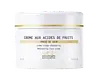
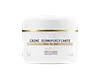
Biologique Recherche Crème aux Acides de Fruits Renovating Face Cream Versus Biologique Recherche Crème Dermopurifiante Purifying Face Cream
This smoothing moisturizer is formulated around Lactic Acid and Gluconolactone to refine skin texture and brighten dull-looking skin.
This oil-control moisturizer is formulated around Niacinamide to balance excess oil and clear breakouts.

What's inside
What's inside
 Key Ingredients
Benefits
Concerns
Ingredients Side-by-side
Water
Skin ConditioningDicaprylyl Carbonate
EmollientGlycerin
Humectant


Glyceryl Stearate
Emollient

Saccharide Isomerate
Humectant
C10-18 Triglycerides
Emollient
Pentaerythrityl Distearate
Emulsifying
Undecane
EmollientTridecane
Perfuming

1,2-Hexanediol
Skin Conditioning
Vaccinium Myrtillus Fruit Extract
Skin ConditioningSaccharum Officinarum Extract
MoisturisingCitrus Aurantium Dulcis Fruit Extract
MaskingCitrus Limon Fruit Extract
Masking
Acer Saccharum Extract
Skin ConditioningGlycine Soja Oil
Emollient





Helianthus Annuus Seed Oil
Emollient
Lactic Acid
Buffering





Sodium Lactate
Buffering
Gluconolactone
Chelating

Citric Acid
Buffering
Allantoin
Skin Conditioning
Salicylic Acid
Masking


Serine
Masking
Cetyl Palmitate
Emollient
Xanthan Gum
EmulsifyingSorbitol
Humectant
Tocopherol
Antioxidant

Ceteareth-20
Cleansing
Ceteareth-12
EmulsifyingCetearyl Alcohol
Emollient

Sodium Stearoyl Glutamate
CleansingPolyacrylate Crosspolymer-6
Emulsion StabilisingTea-Lactate
HumectantUrea
Buffering
T-Butyl Alcohol
Perfuming
Caprylyl Glycol
Emollient
Sodium Citrate
BufferingSodium Benzoate
Masking
Water, Dicaprylyl Carbonate, Glycerin, Glyceryl Stearate, Saccharide Isomerate, C10-18 Triglycerides, Pentaerythrityl Distearate, Undecane, Tridecane, 1,2-Hexanediol, Vaccinium Myrtillus Fruit Extract, Saccharum Officinarum Extract, Citrus Aurantium Dulcis Fruit Extract, Citrus Limon Fruit Extract, Acer Saccharum Extract, Glycine Soja Oil, Helianthus Annuus Seed Oil, Lactic Acid, Sodium Lactate, Gluconolactone, Citric Acid, Allantoin, Salicylic Acid, Serine, Cetyl Palmitate, Xanthan Gum, Sorbitol, Tocopherol, Ceteareth-20, Ceteareth-12, Cetearyl Alcohol, Sodium Stearoyl Glutamate, Polyacrylate Crosspolymer-6, Tea-Lactate, Urea, T-Butyl Alcohol, Caprylyl Glycol, Sodium Citrate, Sodium Benzoate
Water
Skin ConditioningPropylene Glycol
Humectant
Glycerin
Humectant
Dicaprylyl Carbonate
EmollientButylene Glycol
Humectant
Sucrose Polystearate
EmollientC10-18 Triglycerides
Emollient
Cetyl Alcohol
Emollient
1,2-Hexanediol
Skin Conditioning
Niacinamide
Smoothing
Polyamide-5
Skin ConditioningArctium Lappa Root Extract
Skin Conditioning
Betula Alba Bark Extract
Masking
Enantia Chlorantha Bark Extract
Skin ConditioningEquisetum Arvense Extract
AstringentMimosa Tenuiflora Bark Extract
Skin ProtectingHedera Helix Leaf/Stem Extract
AntimicrobialFucus Vesiculosus Extract
Emollient
Centella Asiatica Extract
Cleansing
Spiraea Ulmaria Extract
AstringentArnica Montana Flower Extract
Masking
Rosa Canina Fruit Extract
Astringent
Achillea Millefolium Extract
CleansingAesculus Hippocastanum Seed Extract
Skin ConditioningLavandula Angustifolia Flower Extract
Cleansing
Thymus Vulgaris Flower/Leaf Extract
MaskingMyrtus Communis Extract
AstringentAllium Cepa Bulb Extract
Skin Conditioning
Commiphora Myrrha Resin Extract
Skin ConditioningOleanolic Acid
Skin ConditioningGlycine Soja Oil
Emollient
Yeast Extract
Skin ConditioningCitric Acid
Buffering
Tocopherol
Antioxidant
Sodium Stearoyl Glutamate
CleansingHydrogenated Polyisobutene
EmollientPolyacrylate Crosspolymer-6
Emulsion StabilisingT-Butyl Alcohol
Perfuming
Caprylyl Glycol
Emollient
Phenoxyethanol
Preservative
Sodium Benzoate
Masking
Potassium Sorbate
Preservative
Sorbic Acid
Preservative
Water, Propylene Glycol, Glycerin, Dicaprylyl Carbonate, Butylene Glycol, Sucrose Polystearate, C10-18 Triglycerides, Cetyl Alcohol, 1,2-Hexanediol, Niacinamide, Polyamide-5, Arctium Lappa Root Extract, Betula Alba Bark Extract, Enantia Chlorantha Bark Extract, Equisetum Arvense Extract, Mimosa Tenuiflora Bark Extract, Hedera Helix Leaf/Stem Extract, Fucus Vesiculosus Extract, Centella Asiatica Extract, Spiraea Ulmaria Extract, Arnica Montana Flower Extract, Rosa Canina Fruit Extract, Achillea Millefolium Extract, Aesculus Hippocastanum Seed Extract, Lavandula Angustifolia Flower Extract, Thymus Vulgaris Flower/Leaf Extract, Myrtus Communis Extract, Allium Cepa Bulb Extract, Commiphora Myrrha Resin Extract, Oleanolic Acid, Glycine Soja Oil, Yeast Extract, Citric Acid, Tocopherol, Sodium Stearoyl Glutamate, Hydrogenated Polyisobutene, Polyacrylate Crosspolymer-6, T-Butyl Alcohol, Caprylyl Glycol, Phenoxyethanol, Sodium Benzoate, Potassium Sorbate, Sorbic Acid
Ingredients Explained
These ingredients are found in both products.
Ingredients higher up in an ingredient list are typically present in a larger amount.
1,2-Hexanediol is a synthetic liquid and another multi-functional powerhouse.
It is a:
- Humectant, drawing moisture into the skin
- Emollient, helping to soften skin
- Solvent, dispersing and stabilizing formulas
- Preservative booster, enhancing the antimicrobial activity of other preservatives
C10-18 Triglycerides is a skin conditioning and texture-enhancer.
It is created from glycerin and a mixture of C10-18 fatty acids.
This ingredient improves spreadability and helps thicken a product.
According to manufacturers, it usually comes from vegetable-based saturated fatty acids. Common bases for this ingredient are coconut oil, palm kernel oil, or both.
Due to the melting point being close to skin temperature, it is usually used in lip products.
Triglycerides are a main component of fat in the human body.
Learn more about C10-18 TriglyceridesCaprylyl Glycol is a humectant, skin conditioner, emollient, and preservative booster derived from either caprylic acid or synthetically created.
Typical use levels vary from 0.3-1% as a preservative booster and go up to 2% to condition skin.
Because it is not a free-fatty acid, this ingredient is fungal acne safe (there's nothing for Malassezia to feed on).
Learn more about Caprylyl GlycolCitric Acid is an alpha hydroxy acid (AHA) naturally found in citrus fruits like oranges, lemons, and limes.
Like other AHAs, citric acid can exfoliate skin by breaking down the bonds that hold dead skin cells together. This helps reveal smoother and brighter skin underneath.
However, this exfoliating effect only happens at high concentrations (20%) which can be hard to find in cosmetic products.
Due to this, citric acid is usually included in small amounts as a pH adjuster. This helps keep products slightly more acidic and compatible with skin's natural pH.
In skincare formulas, citric acid can:
While it can provide some skin benefits, research shows lactic acid and glycolic acid are generally more effective and less irritating exfoliants.
Most citric acid used in skincare today is made by fermenting sugars (usually from molasses). This synthetic version is identical to the natural citrus form but easier to stabilize and use in formulations.
Rosacea skin has a lower threshold for acids generally, with 62.5% of rosacea subjects in one study reacting to lactic acid in a sting test. This is why we mark citric acid as a potential rosacea trigger.
However, this ingredient shows up as a pH adjuster or chelator at roughly 0.1-1% in many products. These low levels are unlikely to be an issue for rosacea skin and becomes a potential trigger at exfoliating concentrations (20%). Because everybody's skin is unique, we recommend a patch test if you are unsure.
Learn more about Citric AcidDicaprylyl Carbonate comes from carbonic acid and caprylyl alcohol, a fatty alcohol. It is an emollient and gives skin a velvet feel. The sources of Dicaprylyl Carbonate may be synthetic or from animals.
As an emollient, Dicaprylyl Carbonate creates a film on the skin. This film traps moisture in, keeping your skin soft and hydrated.
Glycerin (or glycerol) is a compound naturally found in your skin. It's a powerhouse humectant that pulls water into the stratum corneum.
Topically, glycerin does several things at once:
Your skin makes glycerin on its own (mostly from sebaceous oil breakdown) and shuttles it to your outermost layer of skin, or your epidermis, via aquaporin-3.
Aquaporin-3 is a transporter that is essential for normal skin hydration, elasticity, and repair. Interestingly, mice lacking in AQP3 have dry and less elastic skin that can be fully corrected with glycerin.
This ingredient is non-irritating, plays well with almost every ingredient, and works across all skin types. Typical use is anywhere between 3-10% but can go up to 79% in some leave-on products.
Just know very high concentrations (>40%) can feel tacky in low humidity.
Glycerin is the name for this ingredient in American English. British English uses Glycerol/Glycerine.
Learn more about GlycerinGlycine Soja Oil is a plant-derived oil from soybean seeds. Like other oils, it is rich in essential fatty acids (mostly linoleic and oleic) that support skin hydration and barrier function.
The fatty acids are able to integrate into the lipid matrix of the stratum corneum to help soften skin and reduce water loss.
On top of that, soybean oil is rich in vitamins like vitamin E, a potent antioxidant.
Research on soybean's active components also point to anti-inflammatory, collagen-stimulating, antioxidant activity, and protection against UV-induced oxidative damage.
Most of this research applies to the broader soybean plant and not just the oil fraction alone.
This ingredient does carry a comedogenic rating of 3 from the old rabbit-ear assay. Just remember testing finished products in humans showed that formulas built with "comedogenic" ingredients are not necessarily comedogenic themselves. It's worth patch testing if you're breakout prone, and always listen to your skin.
Because this ingredient is a saturated triglyceride, it may not be fungal acne safe. This is because Malassezia breaks down sebum triglycerides into fatty acids it can consume, making this ingredient a possible source for the yeast.
Learn more about Glycine Soja OilPolyacrylate Crosspolymer-6 is a texture enhancer and pH adjuster.
It is be used to thicken water-based products and create a gel-texture with a velvet feel.
One manufacturer claims this ingredient to have a pH range of 2-8 and to be biodegradable.
This ingredient is also known as Sepimax Zen.
Learn more about Polyacrylate Crosspolymer-6Sodium Benzoate is a preservative. It's used in both cosmetic and food products to inhibit the growth of mold and bacteria. It is typically produced synthetically.
Both the US FDA and EU Health Committee have approved the use of sodium benzoate. In the US, levels of 0.1% (of the total product) are allowed.
Sodium benzoate works as a preservative by inhibiting the growth of bacteria inside of cells. It prevents the cell from fermenting a type of sugar using an enzyme called phosphofructokinase.
It is the salt of benzoic acid. Foods containing sodium benzoate include soda, salad dressings, condiments, fruit juices, wines, and snack foods.
Studies for using ascorbic acid and sodium benzoate in cosmetics are lacking, especially in skincare routines with multiple steps.
We always recommend speaking with a professional, such as a dermatologist, if you have any concerns.
Learn more about Sodium BenzoateSodium Stearoyl Glutamate is an amino-acid based emulsifier. It is made by combining stearic acid with L-glutamic acid and neutralizing it to a sodium salt.
As an emulsifier, it works mainly as an oil-in-water one and helps keep the oil and water in your formulas blended. It also contributes to a smooth, non-greasy skin feel.
This ingredient is biodegradable and commonly available in natural/COSMOS-certified grades.
Learn more about Sodium Stearoyl GlutamateT-Butyl Alcohol (aka tert-butanol) is a small, clear, camphor-smelling alcohol.
It has two main jobs:
On the safety side, it's well-studied and has a solid track record. Human repeat-insult patch testing showed no skin irritation or sensitization even at 100%.
Typical use levels are pretty tiny, usually less than 1%.
You might see some fear-mongering around this ingredient:
Studies in male rats showed kidney effects but that's because of a rat-specific protein that humans don't make. So this study isn't really relevant to humans.
Though it's not a typical fragrance like parfum, it does have a natural scent. That's why the official COSIng database lists it as 'perfuming' ingredient. It can be used to modify the scent of a formula.
Learn more about T-Butyl AlcoholTocopherol is a fat-soluble antioxidant known as Vitamin E.
You'll find this ingredient in the vast majority of skincare (for good reason). It works to neutralize free radicals, or unstable molecules generated by UV exposure, pollution, and other environmental stressors, before they can cause oxidative damage to your skin cells.
Topically applied tocopherol has been shown to protect against UV damage by ramping up the skin's own natural defense enzymes.
It also acts as a skin conditioning agent; some studies show that regular topical use can improve the skin's water-binding capacity over 2-4 weeks.
This ingredient is especially loved for being a team player. When combined with Vitamin C, the photoprotective effect of both ingredients roughly doubles and the combo also helps reduce UV-induced DNA damage.
This ingredient has some brightening potential but it's more of a prevention ingredient than spot-fader. Cell studies show it can slow down melanin production but it's worth noting that it's not the most powerful brightener out there.
In formulations, it also serves as a stabilizer that helps protect other oxidation-prone ingredients from degrading.
Concentrations usually range from 0.1-1% in most leave-on products.
Learn more about TocopherolWater. It's the most common cosmetic ingredient of all. You'll usually see it at the top of ingredient lists, meaning that it makes up the largest part of the product.
So why is it so popular? Water most often acts as a solvent - this means that it helps dissolve other ingredients into the formulation.
You'll also recognize water as that liquid we all need to stay alive. If you see this, drink a glass of water. Remember to stay hydrated!
Learn more about Water

