This chemical sunscreen covers the full UV range and blocks ~98% of UVB at SPF 50.
This chemical sunscreen covers the full UV range and blocks ~98% of UVB at SPF 50.


What's inside
What's inside
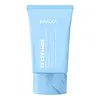 Key Ingredients
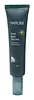
Benefits
Concerns
Ingredients Side-by-side
Water
Skin ConditioningOctocrylene
UV Absorber



Homosalate
Skin Conditioning
Glycerin
Humectant


Ethylhexyl Salicylate
UV Absorber
Butyl Methoxydibenzoylmethane
UV Absorber
Propylene Glycol
Humectant
Ethylhexyl Palmitate
Emollient


Polysorbate 60
Emulsifying
Sorbitan Stearate
Emulsifying
Bis-Ethylhexyloxyphenol Methoxyphenyl Triazine
UV Absorber
Dimethicone
Emollient
Glyceryl Stearate
Emollient
Stearyl Alcohol
Emollient
Carbomer
Emulsion StabilisingTriethanolamine
BufferingHydroxypropyl Tetrahydropyrantriol
Skin ConditioningMenthyl Lactate
Masking
Phenoxyethanol
Preservative
Allantoin
Skin Conditioning

Cetyl Alcohol
Emollient
Xanthan Gum
EmulsifyingEthylhexylglycerin
Skin ConditioningButylene Glycol
Humectant
Chrysanthemum Indicum Extract
Antioxidant
Mentha Arvensis Leaf Extract
MaskingPortulaca Oleracea Extract
Skin Conditioning
Pelargonium Graveolens Extract
Masking
Ceramide Ns
Skin Conditioning

Ceramide NP
Skin Conditioning
Ceramide Ng
Skin Conditioning
Ceramide Eos
Skin Conditioning
Ceramide EOP
Skin Conditioning
Ceramide As
Skin Conditioning
Ceramide AP
Skin Conditioning
Resveratrol
Antioxidant
Bisabolol
Antioxidant
Tremella Fuciformis Sporocarp Extract
Antioxidant
Aloe Barbadensis Leaf Extract
Emollient
Myristyl Alcohol
Emollient
Arachidyl Alcohol
Emollient
Citrus Reticulata Fruit Extract
Skin ProtectingCitrus Medica Limonum Peel Extract
EmollientSophora Angustifolia Root Extract
Skin ConditioningWater, Octocrylene, Homosalate, Glycerin, Ethylhexyl Salicylate, Butyl Methoxydibenzoylmethane, Propylene Glycol, Ethylhexyl Palmitate, Polysorbate 60, Sorbitan Stearate, Bis-Ethylhexyloxyphenol Methoxyphenyl Triazine, Dimethicone, Glyceryl Stearate, Stearyl Alcohol, Carbomer, Triethanolamine, Hydroxypropyl Tetrahydropyrantriol, Menthyl Lactate, Phenoxyethanol, Allantoin, Cetyl Alcohol, Xanthan Gum, Ethylhexylglycerin, Butylene Glycol, Chrysanthemum Indicum Extract, Mentha Arvensis Leaf Extract, Portulaca Oleracea Extract, Pelargonium Graveolens Extract, Ceramide Ns, Ceramide NP, Ceramide Ng, Ceramide Eos, Ceramide EOP, Ceramide As, Ceramide AP, Resveratrol, Bisabolol, Tremella Fuciformis Sporocarp Extract, Aloe Barbadensis Leaf Extract, Myristyl Alcohol, Arachidyl Alcohol, Citrus Reticulata Fruit Extract, Citrus Medica Limonum Peel Extract, Sophora Angustifolia Root Extract
Water
Skin ConditioningGlycerin
Humectant
Dibutyl Adipate
EmollientButyloctyl Salicylate
Skin Conditioning
Diethylamino Hydroxybenzoyl Hexyl Benzoate
UV Filter
Bis-Ethylhexyloxyphenol Methoxyphenyl Triazine
UV Absorber
Butylene Glycol
Humectant
Ethylhexyl Triazone
UV Absorber
Pentylene Glycol
Skin Conditioning
Isoamyl P-Methoxycinnamate
UV Absorber
Polysilicone-15
UV Filter
Centella Asiatica Leaf Water
Skin Conditioning
Inulin Lauryl Carbamate
Emulsion StabilisingChrysanthemum Parthenium Extract
Skin ConditioningChamomilla Recutita Extract
Skin Conditioning
Sodium Acrylate/Sodium Acryloyldimethyl Taurate Copolymer
Emulsion StabilisingAcrylates/C10-30 Alkyl Acrylate Crosspolymer
Emulsion StabilisingTromethamine
BufferingIsohexadecane
EmollientGlyceryl Caprylate
EmollientCaprylyl Glycol
Emollient
Polysorbate 80
Emulsifying
Camellia Japonica Leaf Extract
Skin ConditioningSorbitan Oleate
Emulsifying
Water, Glycerin, Dibutyl Adipate, Butyloctyl Salicylate, Diethylamino Hydroxybenzoyl Hexyl Benzoate, Bis-Ethylhexyloxyphenol Methoxyphenyl Triazine, Butylene Glycol, Ethylhexyl Triazone, Pentylene Glycol, Isoamyl P-Methoxycinnamate, Polysilicone-15, Centella Asiatica Leaf Water, Inulin Lauryl Carbamate, Chrysanthemum Parthenium Extract, Chamomilla Recutita Extract, Sodium Acrylate/Sodium Acryloyldimethyl Taurate Copolymer, Acrylates/C10-30 Alkyl Acrylate Crosspolymer, Tromethamine, Isohexadecane, Glyceryl Caprylate, Caprylyl Glycol, Polysorbate 80, Camellia Japonica Leaf Extract, Sorbitan Oleate
Ingredients Explained
These ingredients are found in both products.
Ingredients higher up in an ingredient list are typically present in a larger amount.
This ingredient is better known as bemotrizinol or Tinosorb S and is one of the best broad-spectrum UV filters in modern sunscreen.
It works by absorbing UV light across a whole range (280-400 nm) with peaks around 310 nm (UVB) and 340-345 nm (UVA). This means it covers UVB plus the deeper UVA wavelengths that drive photoaging and pigmentation.
Another pro?
It's exceptionally photostable, barely degrades in sunlight, and acts as a "bodyguard" for less stable filters.
That's why you'll see it paired with avobenzone or octinoxate; this team up ensures they keep working through sun exposure.
Safety reviews have been reassuring across the board. This ingredient shows low absorption through the skin, rarely irritates, and lab studies found it doesn't act like a hormone in the body (a concern that's been raised about some older sunscreen filters).
On maximum concentrations:
In 2026, the US F.D.A finally added it as an OTC sunscreen ingredient at concentrations up to 6% for adults / children 6 months and older
Learn more about Bis-Ethylhexyloxyphenol Methoxyphenyl TriazineButylene Glycol (or BG) is used within cosmetic products for a few different reasons:
Overall, Butylene Glycol is a safe and well-rounded ingredient that works well with other ingredients.
Though this ingredient works well with most skin types, some people with sensitive skin may experience a reaction such as allergic rashes, closed comedones, or itchiness.
Learn more about Butylene GlycolGlycerin (or glycerol) is a compound naturally found in your skin. It's a powerhouse humectant that pulls water into the stratum corneum.
Topically, glycerin does several things at once:
Your skin makes glycerin on its own (mostly from sebaceous oil breakdown) and shuttles it to your outermost layer of skin, or your epidermis, via aquaporin-3.
Aquaporin-3 is a transporter that is essential for normal skin hydration, elasticity, and repair. Interestingly, mice lacking in AQP3 have dry and less elastic skin that can be fully corrected with glycerin.
This ingredient is non-irritating, plays well with almost every ingredient, and works across all skin types. Typical use is anywhere between 3-10% but can go up to 79% in some leave-on products.
Just know very high concentrations (>40%) can feel tacky in low humidity.
Glycerin is the name for this ingredient in American English. British English uses Glycerol/Glycerine.
Learn more about GlycerinWater. It's the most common cosmetic ingredient of all. You'll usually see it at the top of ingredient lists, meaning that it makes up the largest part of the product.
So why is it so popular? Water most often acts as a solvent - this means that it helps dissolve other ingredients into the formulation.
You'll also recognize water as that liquid we all need to stay alive. If you see this, drink a glass of water. Remember to stay hydrated!
Learn more about Water

