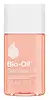
This brightening oil is formulated around Retinyl Palmitate and Helianthus Annuus Seed Oil to fade the look of dark spots and hydrate skin.
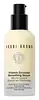
This smoothing serum is formulated around Ascorbyl Glucoside and Niacinamide to refine skin texture and brighten dull-looking skin.


What's inside
What's inside
 Key Ingredients
Benefits
Concerns
Ingredients Side-by-side
Paraffinum Liquidum
Emollient


Triisononanoin
Skin ConditioningCetearyl Ethylhexanoate
Emollient

Isopropyl Myristate
Emollient

Retinyl Palmitate
Skin Conditioning



Helianthus Annuus Seed Oil
Emollient
Tocopheryl Acetate
Antioxidant

Anthemis Nobilis Flower Oil
Masking


Lavandula Angustifolia Oil
Masking
Rosmarinus Officinalis Leaf Oil
Masking
Calendula Officinalis Extract
Skin Conditioning
Glycine Soja Oil
Emollient
Bisabolol
Antioxidant
Tocopherol
Antioxidant
Parfum
Masking
Alpha-Isomethyl Ionone
Perfuming
Amyl Cinnamal
Perfuming
Benzyl Salicylate
Perfuming
Citronellol
Perfuming
Coumarin
Perfuming
Eugenol
Perfuming
Farnesol
Perfuming
Geraniol
Perfuming
Hydroxycitronellal
Perfuming
Limonene
Perfuming
Linalool
Perfuming
CI 26100
Cosmetic ColorantParaffinum Liquidum, Triisononanoin, Cetearyl Ethylhexanoate, Isopropyl Myristate, Retinyl Palmitate, Helianthus Annuus Seed Oil, Tocopheryl Acetate, Anthemis Nobilis Flower Oil, Lavandula Angustifolia Oil, Rosmarinus Officinalis Leaf Oil, Calendula Officinalis Extract, Glycine Soja Oil, Bisabolol, Tocopherol, Parfum, Alpha-Isomethyl Ionone, Amyl Cinnamal, Benzyl Salicylate, Citronellol, Coumarin, Eugenol, Farnesol, Geraniol, Hydroxycitronellal, Limonene, Linalool, CI 26100
Water
Skin ConditioningOlea Europaea Fruit Oil
Masking
Butylene Glycol
Humectant
Methyl Gluceth-20
Humectant
Butyrospermum Parkii Butter
Skin Conditioning
Bis-PEG-18 Methyl Ether Dimethyl Silane
EmollientAscorbyl Glucoside
Antioxidant
Potassium Cetyl Phosphate
EmulsifyingTocopheryl Acetate
Antioxidant
Niacinamide
Smoothing




Pyrus Malus Fruit Extract
Skin Conditioning
Lens Esculenta Fruit Extract
Skin ConditioningCitrullus Lanatus Fruit Extract
Skin Conditioning
Passiflora Edulis Seed Oil
Emollient
Glycereth-26
Humectant
Acetyl Glucosamine
Skin Conditioning
Lactobacillus Ferment
Skin Conditioning
Glycerin
Humectant
Hydrogenated Palm Glycerides
Emollient
Hydrogenated Polydecene
EmollientSigesbeckia Orientalis Extract
Skin ConditioningCaprylyl Glycol
Emollient
Caffeine
Skin Conditioning
Cholesterol
Emollient
Ethylhexylglycerin
Skin ConditioningSodium Hyaluronate
Humectant
Whey Protein
Skin ConditioningCitrus Grandis Peel Oil
Masking
Pelargonium Graveolens Flower Oil
Masking
Glycyrrhiza Glabra Root Extract
Bleaching
Sodium Lactate
Buffering
7-Dehydrocholesterol
Emulsion StabilisingZea Mays Oil
Emulsifying
Sodium PCA
Humectant
Laminaria Digitata Extract
Skin Protecting
Beta-Carotene
Skin ConditioningSerine
Masking
Glutamic Acid
Humectant
Cereus Grandiflorus Flower Extract
Skin ConditioningAcetyl Hexapeptide-8
Humectant
Aspartic Acid
Masking
Leucine
Skin ConditioningAlanine
Masking
Lysine
Skin ConditioningArginine
Masking
Tyrosine
MaskingPhenylalanine
Masking
Threonine
Valine
MaskingProline
Skin Conditioning
Isoleucine
Skin ConditioningHistidine
Humectant
Magnesium Ascorbyl Phosphate
Antioxidant
Polyacrylate Crosspolymer-6
Emulsion StabilisingPolysorbate 20
Emulsifying
PEG-8
HumectantSodium Hydroxide
BufferingPPG-5-Ceteth-20
EmulsifyingJojoba Wax PEG-120 Esters
Surfactant
Acrylates/C10-30 Alkyl Acrylate Crosspolymer
Emulsion StabilisingCitric Acid
Buffering
Panthenol
Skin Conditioning
T-Butyl Alcohol
Perfuming
Sodium Benzoate
Masking
Glycine
Buffering
Limonene
Perfuming
Citronellol
Perfuming
Geraniol
Perfuming
Linalool
Perfuming
Citral
Perfuming
Sodium Citrate
BufferingDisodium EDTA
ChelatingBHT
Antioxidant
Ethylbisiminomethylguaiacol Manganese Chloride
Antioxidant
Potassium Sorbate
Preservative
Phenoxyethanol
Preservative
Water, Olea Europaea Fruit Oil, Butylene Glycol, Methyl Gluceth-20, Butyrospermum Parkii Butter, Bis-PEG-18 Methyl Ether Dimethyl Silane, Ascorbyl Glucoside, Potassium Cetyl Phosphate, Tocopheryl Acetate, Niacinamide, Pyrus Malus Fruit Extract, Lens Esculenta Fruit Extract, Citrullus Lanatus Fruit Extract, Passiflora Edulis Seed Oil, Glycereth-26, Acetyl Glucosamine, Lactobacillus Ferment, Glycerin, Hydrogenated Palm Glycerides, Hydrogenated Polydecene, Sigesbeckia Orientalis Extract, Caprylyl Glycol, Caffeine, Cholesterol, Ethylhexylglycerin, Sodium Hyaluronate, Whey Protein, Citrus Grandis Peel Oil, Pelargonium Graveolens Flower Oil, Glycyrrhiza Glabra Root Extract, Sodium Lactate, 7-Dehydrocholesterol, Zea Mays Oil, Sodium PCA, Laminaria Digitata Extract, Beta-Carotene, Serine, Glutamic Acid, Cereus Grandiflorus Flower Extract, Acetyl Hexapeptide-8, Aspartic Acid, Leucine, Alanine, Lysine, Arginine, Tyrosine, Phenylalanine, Threonine, Valine, Proline, Isoleucine, Histidine, Magnesium Ascorbyl Phosphate, Polyacrylate Crosspolymer-6, Polysorbate 20, PEG-8, Sodium Hydroxide, PPG-5-Ceteth-20, Jojoba Wax PEG-120 Esters, Acrylates/C10-30 Alkyl Acrylate Crosspolymer, Citric Acid, Panthenol, T-Butyl Alcohol, Sodium Benzoate, Glycine, Limonene, Citronellol, Geraniol, Linalool, Citral, Sodium Citrate, Disodium EDTA, BHT, Ethylbisiminomethylguaiacol Manganese Chloride, Potassium Sorbate, Phenoxyethanol
Reviews
Ingredients Explained
These ingredients are found in both products.
Ingredients higher up in an ingredient list are typically present in a larger amount.
Citronellol is used to add fragrance/parfum to a product. It is often derived from plants such as roses. In fact, it can be found in many essential oils including geranium, lavender, neroli, and more. The scent of Citronellol is often described as "fresh, grassy, and citrus-like".
Since the Citronellol molecule is already unstable, Citronellol becomes irritating on the skin when exposed to air.
Citronellol is a modified terpene. Terpenes are unsaturated hydrocarbons found in plants. They make up the primary part of essential oils.
Citronellol is not able to be absorbed into deeper layers of the skin. It has low permeability,
Citronellol is also a natural insect repellent.
Learn more about CitronellolGeraniol is used to add fragrance/parfum to a product. It is the main component of citronellol. It is a monoterpenoid and an alcohol.
Monoterpenes are naturally found in many parts of different plants.
Geraniol can be found in many essential oils including Rose Oil and Citronella Oil. The scent of Geraniol is often described as "rose-like". Many foods also contain Geraniol for fruit flavoring.
Geraniol can irritate the skin when exposed to air. However, irritation depends on the ability of geraniol to penetrate into the skin. In general, geraniol is not able to penetrate skin easily.
Geraniol is colorless and has low water-solubility. However, it is soluble in common organic solvents.
Like citronellol, it is a natural insect repellent.
2,6-Octadien-1-ol, 3,7-dimethyl-, (2E)-
Learn more about GeraniolLimonene is the compound that gives citrus peel its smell.
In skincare, it shows up as a standalone fragrance ingredient or as a natural compound of citrus and other essential oils.
You'll typically see this ingredient used in very small amounts; anything above 0.001% in a leave-on product or 0.01% in a rinse-off has to be named on the label in the EU. The citrus oils that carry it sit around 0.5-1% in a finished formula.
Fresh limonene is a weak allergen; the real issue is that it slowly reacts with air and then breaks down from oxidation to create hydroperoxides (which are strong sensitizers). This is why suppliers are required to keep the peroxide value below 20 mmol.
Positive reactions in people being investigated for eczema vary:
It's worth skipping if you have a known fragrance allergy or a compromised barrier, but the risk is low for most people.
Older or long-opened products are also more likely to bother you than fresh ones due to oxidation.
Learn more about LimoneneLinalool is a small, naturally occurring scent molecule found in plants like lavender, coriander, bergamot, and more.
It is one of the two most-used fragrance ingredients in cosmetics and added purely for smell. Since it's not used for a skin benefit, there's no "effective dose". Concentration depends on the fragrance load of the product.
The EU requires it to be named on the label above 0.001% in leave-on and 0.01% in rinse-off products.
Fresh linalool is a weak sensitizer but air exposure turns some of it into hydroperoxides, which are strong sensitizers. Those oxidation products are the actual allergy concern.
Patch-test clinics see positive reactions to linalool hydroperoxides in about 4% to 12% of dermatitis patients depending on country and test concentration.
Resassuringly, one analytical study found hydroperoxide levels in real fragranced products to be orders of magnitude below what induced sensitization in animal studies with no evidence of oxidation building up during normal storage.
The practical takeaway is that linalool is fine for most people but worth avoiding if you have a confirmed fragrance contact allergy or a badly compromised barrier.
Products stored a long time after opening are also the high-risk scenario since that is when oxidation happens.
The scent of linalool is described as floral, spicy tropical, and citrus-like.
Learn more about LinaloolTocopheryl Acetate is a stable, shelf-friendly form of vitamin E.
Formulators love it because plain vitamin E oxidizes quickly once it hits air. This acetate version stays stable and resists going off, helping to extend a product's shelf life.
It's actually inactive on its own and works like a slow-release "storage" form; the enzymes in your skin called esterases gradually convert it into active vitamin E over time.
One in vivo study showed 5% of the acetate in the living layer of the epidermis converted to vitamin E after 5 days of application. This study also found the skin gained protection against UV damage even though the conversion was slow and small.
Once converted, vitamin E acts as a skin's main fat-soluble antioxidant that fights free radicals to protect skin from damage.
Topical vitamin E generally boosts the skin's photoprotection, and it reduced UV-damage in animal models.
This ingredient has some brightening potential but it's more of a prevention ingredient than spot-fader. Cell studies show it can slow down melanin production but it's worth noting that it's not the most powerful brightener out there.
Overall, it has a pretty solid safety profile and has been found to be non-irritating and non-comedogenic. Allergic reactions may happen but stay rare due to how widely the ingredient gets used.
The concentration will vary depending on the formula; industry data shows 0.1% in baby lotions, 3% in lipsticks, and 5% in foot powders. You can also find this ingredient at 100% in a pure vitamin E oil.
Most leave-on skincare keeps it at the lower end, often between 0.5-1%.
Learn more about Tocopheryl Acetate

