Beauty of Joseon Glow Deep Serum: Rice + Arbutin Versus Beauty of Joseon Matte Sun Stick: Mugwort + Camelia SPF 50 PA++++
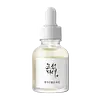
This brightening serum is formulated around Alpha-Arbutin and Niacinamide to fade the look of dark spots and brighten dull-looking skin.
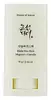
This chemical sunscreen covers the full UV range and blocks ~98% of UVB at SPF 50.

What's inside
What's inside
 Key Ingredients
Benefits
Concerns
Ingredients Side-by-side
Oryza Sativa Bran Water 68.6%
Masking
Water
Skin ConditioningGlycerin
Humectant


Butylene Glycol
Humectant
1,2-Hexanediol
Skin Conditioning
Dipropylene Glycol
HumectantAlpha-Arbutin 2%
Antioxidant



Niacinamide
Smoothing







Methyl Gluceth-20
Humectant
Panthenol
Skin Conditioning
Polyglycerin-3
Humectant
Trehalose
Humectant
Glyceryl Glucoside
Humectant
Hydrolyzed Jojoba Esters
Skin Conditioning

Hydroxyethyl Acrylate/Sodium Acryloyldimethyl Taurate Copolymer
Emulsion StabilisingEthylhexylglycerin
Skin ConditioningHydroxyethylcellulose
Emulsion StabilisingXanthan Gum
EmulsifyingAcrylates/C10-30 Alkyl Acrylate Crosspolymer
Emulsion StabilisingArginine
Masking
Disodium EDTA
ChelatingCoptis Japonica Root Extract
Skin ConditioningSorbitan Isostearate
Emulsifying
Glucose
Humectant
Coix Lacryma-Jobi Ma-Yuen Seed Extract
Skin ConditioningGlycine Soja Seed Extract
Skin Conditioning
Hordeum Distichon Extract
Skin ProtectingOryza Sativa Extract
Absorbent
Sesamum Indicum Seed Extract
Skin Conditioning
Triticum Vulgare Seed Extract
BufferingVigna Radiata Seed Extract
Skin ConditioningZea Mays Kernel Extract
Oryza Sativa Bran Water 68.6%, Water, Glycerin, Butylene Glycol, 1,2-Hexanediol, Dipropylene Glycol, Alpha-Arbutin 2%, Niacinamide, Methyl Gluceth-20, Panthenol, Polyglycerin-3, Trehalose, Glyceryl Glucoside, Hydrolyzed Jojoba Esters, Hydroxyethyl Acrylate/Sodium Acryloyldimethyl Taurate Copolymer, Ethylhexylglycerin, Hydroxyethylcellulose, Xanthan Gum, Acrylates/C10-30 Alkyl Acrylate Crosspolymer, Arginine, Disodium EDTA, Coptis Japonica Root Extract, Sorbitan Isostearate, Glucose, Coix Lacryma-Jobi Ma-Yuen Seed Extract, Glycine Soja Seed Extract, Hordeum Distichon Extract, Oryza Sativa Extract, Sesamum Indicum Seed Extract, Triticum Vulgare Seed Extract, Vigna Radiata Seed Extract, Zea Mays Kernel Extract
Methyl Methacrylate Crosspolymer
Synthetic Wax
Abrasive

Dibutyl Adipate
EmollientCoco-Caprylate/Caprate
Emollient
Isopropyl Palmitate
Emollient

Caprylyl Methicone
Skin Conditioning
Caprylyl Trimethicone
Skin Conditioning
Ethylhexyl Palmitate
Emollient
Silica
Abrasive
Vinyl Dimethicone/Methicone Silsesquioxane Crosspolymer
Diethylamino Hydroxybenzoyl Hexyl Benzoate
UV Filter
Bis-Ethylhexyloxyphenol Methoxyphenyl Triazine
UV Absorber
Boron Nitride
Absorbent
Butyloctyl Salicylate
Skin Conditioning
Ethylhexyl Triazone
UV Absorber
Microcrystalline Wax
Emulsion StabilisingPolysilicone-15
UV Filter
Vinyldimethicone
Camellia Japonica Seed Oil
Emollient
Polyglyceryl-4 Diisostearate/Polyhydroxystearate/Sebacate
Emulsifying
Curcuma Longa Root Extract
Antioxidant
Melia Azadirachta Flower Extract
Skin ConditioningMelia Azadirachta Leaf Extract
Skin ConditioningCorallina Officinalis Extract
Skin Conditioning
Melia Azadirachta Bark Extract
AntimicrobialOcimum Sanctum Leaf Extract
Skin ConditioningMoringa Oleifera Seed Oil
Emollient
Coccinia Indica Fruit Extract
Skin Conditioning
Solanum Melongena Fruit Extract
Skin ConditioningAmber Powder
Water
Skin ConditioningAloe Barbadensis Flower Extract
EmollientSimmondsia Chinensis Seed Oil
Emollient
1,2-Hexanediol
Skin Conditioning
Artemisia Capillaris Extract
Camellia Sinensis Seed Oil
Humectant
Hyaluronic Acid
Humectant
Panthenol
Skin Conditioning
Butylene Glycol
Humectant
Propanediol
Solvent
Bambusa Vulgaris Extract
Skin Conditioning
Camellia Sinensis Leaf Extract
Antimicrobial
Glycerin
Humectant
Methylpropanediol
SolventCentella Asiatica Extract
Cleansing
Morinda Citrifolia Extract
AstringentVigna Radiata Seed Extract
Skin ConditioningEthylhexylglycerin
Skin ConditioningMethyl Methacrylate Crosspolymer, Synthetic Wax, Dibutyl Adipate, Coco-Caprylate/Caprate, Isopropyl Palmitate, Caprylyl Methicone, Caprylyl Trimethicone, Ethylhexyl Palmitate, Silica, Vinyl Dimethicone/Methicone Silsesquioxane Crosspolymer, Diethylamino Hydroxybenzoyl Hexyl Benzoate, Bis-Ethylhexyloxyphenol Methoxyphenyl Triazine, Boron Nitride, Butyloctyl Salicylate, Ethylhexyl Triazone, Microcrystalline Wax, Polysilicone-15, Vinyldimethicone, Camellia Japonica Seed Oil, Polyglyceryl-4 Diisostearate/Polyhydroxystearate/Sebacate, Curcuma Longa Root Extract, Melia Azadirachta Flower Extract, Melia Azadirachta Leaf Extract, Corallina Officinalis Extract, Melia Azadirachta Bark Extract, Ocimum Sanctum Leaf Extract, Moringa Oleifera Seed Oil, Coccinia Indica Fruit Extract, Solanum Melongena Fruit Extract, Amber Powder, Water, Aloe Barbadensis Flower Extract, Simmondsia Chinensis Seed Oil, 1,2-Hexanediol, Artemisia Capillaris Extract, Camellia Sinensis Seed Oil, Hyaluronic Acid, Panthenol, Butylene Glycol, Propanediol, Bambusa Vulgaris Extract, Camellia Sinensis Leaf Extract, Glycerin, Methylpropanediol, Centella Asiatica Extract, Morinda Citrifolia Extract, Vigna Radiata Seed Extract, Ethylhexylglycerin
Reviews
Ingredients Explained
These ingredients are found in both products.
Ingredients higher up in an ingredient list are typically present in a larger amount.
1,2-Hexanediol is a synthetic liquid and another multi-functional powerhouse.
It is a:
- Humectant, drawing moisture into the skin
- Emollient, helping to soften skin
- Solvent, dispersing and stabilizing formulas
- Preservative booster, enhancing the antimicrobial activity of other preservatives
Butylene Glycol (or BG) is used within cosmetic products for a few different reasons:
Overall, Butylene Glycol is a safe and well-rounded ingredient that works well with other ingredients.
Though this ingredient works well with most skin types, some people with sensitive skin may experience a reaction such as allergic rashes, closed comedones, or itchiness.
Learn more about Butylene GlycolEthylhexylglycerin is created from glycerin. It is a multitasker ingredient that:
The CIR Expert Panel found minimal skin absorption or sensitization of any kind in a safety assessment. Though this ingredient is considered well-tolerated, a small number of cases of allergic dermatitis have been published since 2002. Just be sure to patch test if you are unsure.
Industry-reported use ranges from 8% in rinse-off products and 2% in leave-on formulations.
Learn more about EthylhexylglycerinGlycerin (or glycerol) is a compound naturally found in your skin. It's a powerhouse humectant that pulls water into the stratum corneum.
Topically, glycerin does several things at once:
Your skin makes glycerin on its own (mostly from sebaceous oil breakdown) and shuttles it to your outermost layer of skin, or your epidermis, via aquaporin-3.
Aquaporin-3 is a transporter that is essential for normal skin hydration, elasticity, and repair. Interestingly, mice lacking in AQP3 have dry and less elastic skin that can be fully corrected with glycerin.
This ingredient is non-irritating, plays well with almost every ingredient, and works across all skin types. Typical use is anywhere between 3-10% but can go up to 79% in some leave-on products.
Just know very high concentrations (>40%) can feel tacky in low humidity.
Glycerin is the name for this ingredient in American English. British English uses Glycerol/Glycerine.
Learn more about GlycerinPanthenol is a common ingredient that helps hydrate and soothe the skin. It is found naturally in our skin and hair.
There are two forms of panthenol: D and L.
D-panthenol is also known as dexpanthenol. Most cosmetics use dexpanthenol or a mixture of D and L-panthenol.
Panthenol is famous due to its ability to go deeper into the skin's layers. Using this ingredient has numerous pros (and no cons):
Like hyaluronic acid, panthenol is a humectant. Humectants are able to bind and hold large amounts of water to keep skin hydrated.
This ingredient works well for wound healing. It works by increasing tissue in the wound and helps close open wounds.
Once oxidized, panthenol converts to pantothenic acid. Panthothenic acid is found in all living cells.
This ingredient is also referred to as pro-vitamin B5.
Learn more about PanthenolVigna Radiata Seed Extract is also known as mung bean extract. It's a plant-derived ingredient with skin conditioning properties.
The seeds and sprouts are naturally rich in phenolic acids and flavonoids that give the extract solid free-radical scavenging activity.
Interestingly, it has some brightening research behind it too; the purified fraction of sprouted mung bean extract was better than arbutin at reducing melanin production in cells. Sprouted extracts also blocked tyrosinase (the enzyme that triggers pigment production) and this effect is mostly credited to a compound called vitexin.
In a separate study, researchers packaged mung been seed coat extract into tiny delivery particles called niosomes (similar idea to liposomes) and found it protected skin cells from UV damage in lab testing + boosted collagen production.
Another study tested creams with 10-25% mung bean seed coat extract and the version with the highest amount (25%) had the strongest antioxidant activity.
It's worth noting most of this evidence is in-vitro and early-stage formulation work rather than the large clinical trials on humans.
Learn more about Vigna Radiata Seed ExtractWater. It's the most common cosmetic ingredient of all. You'll usually see it at the top of ingredient lists, meaning that it makes up the largest part of the product.
So why is it so popular? Water most often acts as a solvent - this means that it helps dissolve other ingredients into the formulation.
You'll also recognize water as that liquid we all need to stay alive. If you see this, drink a glass of water. Remember to stay hydrated!
Learn more about Water

