Baebody Eye Gel Versus Mad Hippie Eye Cream
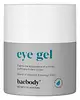
This anti-aging eye moisturizer is formulated around Aloe Barbadensis Leaf Juice and Palmitoyl Tripeptide-5 to soften the look of wrinkles and hydrate skin.
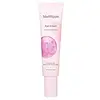
This anti-aging eye moisturizer is formulated around Niacinamide and Palmitoyl Tripeptide-5 to soften the look of wrinkles.

What's inside
What's inside
 Key Ingredients
Benefits
Concerns
Ingredients Side-by-side
Water
Skin ConditioningAloe Barbadensis Leaf Juice
Skin Conditioning


Glycerin
Humectant

Globularia Cordifolia Callus Culture Extract
Skin ConditioningSimmondsia Chinensis Seed Oil
Emollient


Argania Spinosa Kernel Oil
Emollient

Tocopheryl Acetate
Antioxidant


Dimethyl Sulfone
SolventPalmitoyl Tripeptide-5
Skin Conditioning


Palmitoyl Tetrapeptide-7
Skin Conditioning
Palmitoyl Tripeptide-1
Skin Conditioning
Caesalpinia Spinosa Gum
Skin ConditioningSodium PCA
Humectant
Sodium Lactate
Buffering
Arginine
Masking
Aspartic Acid
Masking
Glycine
Buffering
Alanine
Masking
Serine
Masking
Valine
MaskingIsoleucine
Skin ConditioningProline
Skin Conditioning
Threonine
Histidine
Humectant
Phenylalanine
Masking
Vinca Major Extract
Skin ConditioningCentella Asiatica Extract
Cleansing
Euphrasia Officinalis Extract
AntimicrobialGanoderma Lucidum Extract
Skin Protecting
Glycyrrhiza Glabra Root Extract
Bleaching
Equisetum Arvense Extract
AstringentGeranium Maculatum Extract
TonicTaraxacum Officinale Extract
Skin ConditioningCamellia Sinensis Leaf Extract
Antimicrobial
Fucus Vesiculosus Extract
Emollient
Ginkgo Biloba Leaf Extract
Skin Conditioning
Boswellia Serrata Oil
Masking
Cucumis Sativus Fruit Water
Skin ConditioningCarbomer
Emulsion StabilisingButylene Glycol
Humectant
Polysorbate 20
Emulsifying
Alcohol
Antimicrobial



Carrageenan


Hydroxyethylcellulose
Emulsion StabilisingPhenoxyethanol
Preservative
Ethylhexylglycerin
Skin ConditioningWater, Aloe Barbadensis Leaf Juice, Glycerin, Globularia Cordifolia Callus Culture Extract, Simmondsia Chinensis Seed Oil, Argania Spinosa Kernel Oil, Tocopheryl Acetate, Dimethyl Sulfone, Palmitoyl Tripeptide-5, Palmitoyl Tetrapeptide-7, Palmitoyl Tripeptide-1, Caesalpinia Spinosa Gum, Sodium PCA, Sodium Lactate, Arginine, Aspartic Acid, Glycine, Alanine, Serine, Valine, Isoleucine, Proline, Threonine, Histidine, Phenylalanine, Vinca Major Extract, Centella Asiatica Extract, Euphrasia Officinalis Extract, Ganoderma Lucidum Extract, Glycyrrhiza Glabra Root Extract, Equisetum Arvense Extract, Geranium Maculatum Extract, Taraxacum Officinale Extract, Camellia Sinensis Leaf Extract, Fucus Vesiculosus Extract, Ginkgo Biloba Leaf Extract, Boswellia Serrata Oil, Cucumis Sativus Fruit Water, Carbomer, Butylene Glycol, Polysorbate 20, Alcohol, Carrageenan, Hydroxyethylcellulose, Phenoxyethanol, Ethylhexylglycerin
Water
Skin ConditioningCaprylic/Capric Triglyceride
Masking
Butyrospermum Parkii Butter
Skin Conditioning
Niacinamide
Smoothing

Palmitoyl Tripeptide-5
Skin Conditioning
Panthenol
Skin Conditioning
Sodium Hyaluronate
Humectant
Glyceryl Stearate
Emollient
Glycerin
Humectant
Hydroxypropyl Cyclodextrin
MaskingPalmitoyl Tripeptide-38
Skin Conditioning
Polyglyceryl-2 Stearate
Emulsifying
Stearyl Alcohol
Emollient
Glycine Soja Protein
EmulsifyingHydrolyzed Rice Protein
Skin ConditioningSuperoxide Dismutase
Antioxidant
Ascorbic Acid
Antioxidant
Squalane
Emollient
Caffeine
Skin Conditioning
Hesperidin
EmollientGlycyrrhiza Glabra Root Extract
Bleaching
Isopropyl Palmitate
Emollient
Argania Spinosa Kernel Oil
Emollient
Opuntia Ficus-Indica Stem Extract
Skin Conditioning
Microcrystalline Cellulose
AbsorbentCellulose Gum
Emulsion StabilisingTocopherol
Antioxidant
Chamomilla Recutita Flower Extract
Masking
Phenethyl Alcohol
MaskingCaprylyl Glycol
Emollient
Ethylhexylglycerin
Skin ConditioningPunica Granatum Seed Oil
Emollient
Xanthan Gum
EmulsifyingCamellia Sinensis Extract
Antioxidant
Citrus Aurantifolia Peel Extract
Cleansing
Ceramide NP
Skin Conditioning
Water, Caprylic/Capric Triglyceride, Butyrospermum Parkii Butter, Niacinamide, Palmitoyl Tripeptide-5, Panthenol, Sodium Hyaluronate, Glyceryl Stearate, Glycerin, Hydroxypropyl Cyclodextrin, Palmitoyl Tripeptide-38, Polyglyceryl-2 Stearate, Stearyl Alcohol, Glycine Soja Protein, Hydrolyzed Rice Protein, Superoxide Dismutase, Ascorbic Acid, Squalane, Caffeine, Hesperidin, Glycyrrhiza Glabra Root Extract, Isopropyl Palmitate, Argania Spinosa Kernel Oil, Opuntia Ficus-Indica Stem Extract, Microcrystalline Cellulose, Cellulose Gum, Tocopherol, Chamomilla Recutita Flower Extract, Phenethyl Alcohol, Caprylyl Glycol, Ethylhexylglycerin, Punica Granatum Seed Oil, Xanthan Gum, Camellia Sinensis Extract, Citrus Aurantifolia Peel Extract, Ceramide NP
Ingredients Explained
These ingredients are found in both products.
Ingredients higher up in an ingredient list are typically present in a larger amount.
You may know this ingredient as argan oil. It has emollient and skin conditioning properties that help soften skin and reinforce the lipid barrier.
The fatty acid profile of argan oil is roughly 45-55% oleic acid, 28-36% linoleic acid, 10-15% palmitic acid, and 5-7% stearic acid. It also contains vitamin E, sterols, squalene, and polyphenols like ferulic acid.
Two clinical studies in postmenopausal women found that applying argan oil for 60 days significantly improved skin elasticity and moisturization (reduced transepidermal water loss and increased epidermal water content).
Since it is high in oleic and linoleic acid, this ingredient may not be fungal acne safe. Both of these fall in the C11-C24 range that Malassezia yeast can metabolize.
Learn more about Argania Spinosa Kernel OilEthylhexylglycerin is created from glycerin. It is a multitasker ingredient that:
The CIR Expert Panel found minimal skin absorption or sensitization of any kind in a safety assessment. Though this ingredient is considered well-tolerated, a small number of cases of allergic dermatitis have been published since 2002. Just be sure to patch test if you are unsure.
Industry-reported use ranges from 8% in rinse-off products and 2% in leave-on formulations.
Learn more about EthylhexylglycerinGlycerin (or glycerol) is a compound naturally found in your skin. It's a powerhouse humectant that pulls water into the stratum corneum.
Topically, glycerin does several things at once:
Your skin makes glycerin on its own (mostly from sebaceous oil breakdown) and shuttles it to your outermost layer of skin, or your epidermis, via aquaporin-3.
Aquaporin-3 is a transporter that is essential for normal skin hydration, elasticity, and repair. Interestingly, mice lacking in AQP3 have dry and less elastic skin that can be fully corrected with glycerin.
This ingredient is non-irritating, plays well with almost every ingredient, and works across all skin types. Typical use is anywhere between 3-10% but can go up to 79% in some leave-on products.
Just know very high concentrations (>40%) can feel tacky in low humidity.
Glycerin is the name for this ingredient in American English. British English uses Glycerol/Glycerine.
Learn more about GlycerinGlycyrrhiza Glabra Root Extract is an extract of the roots of Licorice. It has been found to have several benefits such as skin hydrating, conditioning, and soothing.
One component, glabridin, has extra potent antioxidant and soothing properties. It has also been found to block pigmentation from UVB rays in guinea pigs.
Licorice Root also contains a flavonoid. Flavonoids are a natural substance from in plants. Flavonoids also have antioxidant properties.
Another component, glycyrrhizin, has been found to have anti-inflammatory and antimicrobial benefits. This may make licorice root extract effective at treating acne. However, more research is needed to support this.
Liquiritin is one of the flavone compounds found in licorice. It has been found to help lighten skin by preventing tyrosinase from reacting with tyrosine. When the two react, protein is converted to melanin. Melanin is the substance in your body that gives your features pigmentation.
Learn more about Glycyrrhiza Glabra Root ExtractPalmitoyl Tripeptide-5 is a synthetic signal lipopeptide. This just means it is a three amino acid chain bolted onto a palmitic acid tail so it can slip through the skin's lipid barrier.
This peptide has a "build more, lose less" approach.
It's designed to mimic the collagen-stimulating activity in your skin by copying a snippet of one of your skin's own matrix proteins. This nudges fibroblasts into making more collagen while inhibiting the enzyme that breaks down skin protein.
The manufacturer's in vivo study of 45 volunteers found 1% and 2.5% reduced the appearance of wrinkles by 7% and 12% respectively, after using it twice daily for 84 days.
This is in the expected range for peptides; they're slow and cumulative actives and not overnight fixers.
Typical use levels range from 1-3% and this ingredient gets along with pretty much everything.
On the fungal acne front:
Although palmitic acid sits in the chain length that Malassezia can feed on, this ingredient has it locked in an amine bond. This makes it hard for Malassezia to access as a source of food, and therefore fungal acne safe.
Water. It's the most common cosmetic ingredient of all. You'll usually see it at the top of ingredient lists, meaning that it makes up the largest part of the product.
So why is it so popular? Water most often acts as a solvent - this means that it helps dissolve other ingredients into the formulation.
You'll also recognize water as that liquid we all need to stay alive. If you see this, drink a glass of water. Remember to stay hydrated!
Learn more about Water

