
What's inside
What's inside
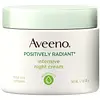 Key Ingredients
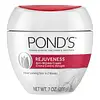
Benefits
Concerns
Ingredients Side-by-side
Water
Skin ConditioningOctyldodecyl Neopentanoate
EmollientDicaprylyl Carbonate
EmollientGlycerin
Humectant



Behenyl Alcohol
Emollient
Glycine Soja Seed Extract
Skin Conditioning

Mangifera Indica Seed Butter
Skin Conditioning
Glyceryl Stearate
Emollient
Candelilla/Jojoba/Rice Bran Polyglyceryl-3 Esters
Emulsifying
Vinyl Dimethicone/Methicone Silsesquioxane Crosspolymer

Potassium Cetyl Phosphate
EmulsifyingNiacinamide
Smoothing





Phenoxyethanol
Preservative
Sodium Stearoyl Lactylate
EmulsifyingCetearyl Alcohol
Emollient

Microcrystalline Cellulose
AbsorbentCaprylyl Glycol
Emollient
Parfum
Masking


Magnesium Aluminum Silicate
AbsorbentChlorphenesin
Antimicrobial
Cetyl Hydroxyethylcellulose
Emulsion StabilisingDisodium EDTA
Tocopheryl Acetate
Antioxidant

Sodium PCA
Humectant
Urea
Buffering

Ethylhexylglycerin
Skin ConditioningCellulose Gum
Emulsion StabilisingGlyceryl Acrylate/Acrylic Acid Copolymer
HumectantTrehalose
Humectant
Hexylene Glycol
EmulsifyingPolyquaternium-51
Skin Conditioning
Triacetin
AntimicrobialSodium Hyaluronate
Humectant
Titanium Dioxide
Cosmetic Colorant

Water, Octyldodecyl Neopentanoate, Dicaprylyl Carbonate, Glycerin, Behenyl Alcohol, Glycine Soja Seed Extract, Mangifera Indica Seed Butter, Glyceryl Stearate, Candelilla/Jojoba/Rice Bran Polyglyceryl-3 Esters, Vinyl Dimethicone/Methicone Silsesquioxane Crosspolymer, Potassium Cetyl Phosphate, Niacinamide, Phenoxyethanol, Sodium Stearoyl Lactylate, Cetearyl Alcohol, Microcrystalline Cellulose, Caprylyl Glycol, Parfum, Magnesium Aluminum Silicate, Chlorphenesin, Cetyl Hydroxyethylcellulose, Disodium EDTA, Tocopheryl Acetate, Sodium PCA, Urea, Ethylhexylglycerin, Cellulose Gum, Glyceryl Acrylate/Acrylic Acid Copolymer, Trehalose, Hexylene Glycol, Polyquaternium-51, Triacetin, Sodium Hyaluronate, Titanium Dioxide
Water
Skin ConditioningLactic Acid
Buffering
Glycerin
Humectant
Butylene Glycol
Humectant
Cetyl Alcohol
Emollient
Isopropyl Palmitate
Emollient
Steareth-21
CleansingDimethicone
Emollient
Paraffinum Liquidum
Emollient
Ethylhexyl Methoxycinnamate
UV Absorber
Steareth-2
EmulsifyingPotassium Hydroxide
BufferingStearyl Dimethicone
Emollient
Stearic Acid
Cleansing
Borago Officinalis Seed Oil
Emollient
Magnesium Aluminum Silicate
AbsorbentPhenoxyethanol
Preservative
Hydroxyethyl Acrylate/Sodium Acryloyldimethyl Taurate Copolymer
Emulsion StabilisingParfum
Masking
Octadecene
SolventIsohexadecane
EmollientMethylparaben
Preservative
Hydroxyethylcellulose
Emulsion StabilisingDimethiconol
Emollient
Xanthan Gum
EmulsifyingDisodium EDTA
Tocopheryl Acetate
Antioxidant
Propylparaben
Preservative
Benzophenone-3
UV Absorber
Polysorbate 60
Emulsifying
Potassium Carbonate
BufferingSorbitan Isostearate
Emulsifying
Sodium Nitrate
SoothingTocopherol
Antioxidant
Quartz
Abrasive
Ascorbyl Palmitate
Antioxidant
Disodium Phosphate
BufferingBHT
Antioxidant
Phospholipids
Skin Conditioning
Sodium Phosphate
BufferingHydrolyzed Collagen
Emollient
Cholesterol
Emollient
Citronellol
Perfuming
Citrus Aurantium Peel Oil
Coumarin
Perfuming
Geraniol
Perfuming
Hexyl Cinnamal
Perfuming
Limonene
Perfuming
Linalool
Perfuming
Linalyl Acetate
Masking
Terpineol
Masking
Tetramethyl Acetyloctahydronaphthalenes
Masking
CI 77891
Cosmetic ColorantWater, Lactic Acid, Glycerin, Butylene Glycol, Cetyl Alcohol, Isopropyl Palmitate, Steareth-21, Dimethicone, Paraffinum Liquidum, Ethylhexyl Methoxycinnamate, Steareth-2, Potassium Hydroxide, Stearyl Dimethicone, Stearic Acid, Borago Officinalis Seed Oil, Magnesium Aluminum Silicate, Phenoxyethanol, Hydroxyethyl Acrylate/Sodium Acryloyldimethyl Taurate Copolymer, Parfum, Octadecene, Isohexadecane, Methylparaben, Hydroxyethylcellulose, Dimethiconol, Xanthan Gum, Disodium EDTA, Tocopheryl Acetate, Propylparaben, Benzophenone-3, Polysorbate 60, Potassium Carbonate, Sorbitan Isostearate, Sodium Nitrate, Tocopherol, Quartz, Ascorbyl Palmitate, Disodium Phosphate, BHT, Phospholipids, Sodium Phosphate, Hydrolyzed Collagen, Cholesterol, Citronellol, Citrus Aurantium Peel Oil, Coumarin, Geraniol, Hexyl Cinnamal, Limonene, Linalool, Linalyl Acetate, Terpineol, Tetramethyl Acetyloctahydronaphthalenes, CI 77891
Reviews
Ingredients Explained
These ingredients are found in both products.
Ingredients higher up in an ingredient list are typically present in a larger amount.
Disodium EDTA plays a role in making products more stable by aiding other preservatives.
It is a chelating agent, meaning it neutralizes metal ions that may be found in a product.
Disodium EDTA is a salt of edetic acid and is found to be safe in cosmetic ingredients.
Learn more about Disodium EDTAGlycerin is already naturally found in your skin. It helps moisturize and protect your skin.
A study from 2016 found glycerin to be more effective as a humectant than AHAs and hyaluronic acid.
As a humectant, it helps the skin stay hydrated by pulling moisture to your skin. The low molecular weight of glycerin allows it to pull moisture into the deeper layers of your skin.
Hydrated skin improves your skin barrier; Your skin barrier helps protect against irritants and bacteria.
Glycerin has also been found to have antimicrobial and antiviral properties. Due to these properties, glycerin is often used in wound and burn treatments.
In cosmetics, glycerin is usually derived from plants such as soybean or palm. However, it can also be sourced from animals, such as tallow or animal fat.
This ingredient is organic, colorless, odorless, and non-toxic.
Glycerin is the name for this ingredient in American English. British English uses Glycerol/Glycerine.
Learn more about GlycerinMagnesium Aluminum Silicate is a type of silica. It comes from naturally occuring minerals such as silicate ores and clay.
Magnesium aluminum silicate is used for enhancing texture and as an absorbent. Due to its large molecular size, it is unable to be absorbed into the skin.
Like other types of silica, this ingredient can be used to thicken a product. As an absorbent, it may be used to absorb extra water or help prevent clumping.
Although “aluminum” in an ingredient name can raise red flags for some consumers, the form and usage context matter significantly. For typical topical applications, there is no substantial evidence of health risks - such as cancer, neurotoxicity, or systemic “aluminum overload.”
Learn more about Magnesium Aluminum SilicateParfum is a catch-all term for an ingredient or more that is used to give a scent to products.
Also called "fragrance", this ingredient can be a blend of hundreds of chemicals or plant oils. This means every product with "fragrance" or "parfum" in the ingredients list is a different mixture.
For instance, Habanolide is a proprietary trade name for a specific aroma chemical. When used as a fragrance ingredient in cosmetics, most aroma chemicals fall under the broad labeling category of “FRAGRANCE” or “PARFUM” according to EU and US regulations.
The term 'parfum' or 'fragrance' is not regulated in many countries. In many cases, it is up to the brand to define this term.
For instance, many brands choose to label themselves as "fragrance-free" because they are not using synthetic fragrances. However, their products may still contain ingredients such as essential oils that are considered a fragrance by INCI standards.
One example is Calendula flower extract. Calendula is an essential oil that still imparts a scent or 'fragrance'.
Depending on the blend, the ingredients in the mixture can cause allergies and sensitivities on the skin. Some ingredients that are known EU allergens include linalool and citronellol.
Parfum can also be used to mask or cover an unpleasant scent.
The bottom line is: not all fragrances/parfum/ingredients are created equally. If you are worried about fragrances, we recommend taking a closer look at an ingredient. And of course, we always recommend speaking with a professional.
Learn more about ParfumPhenoxyethanol is a preservative that has germicide, antimicrobial, and aromatic properties. Studies show that phenoxyethanol can prevent microbial growth. By itself, it has a scent that is similar to that of a rose.
It's often used in formulations along with Caprylyl Glycol to preserve the shelf life of products.
Tocopheryl Acetate is AKA Vitamin E. It is an antioxidant and protects your skin from free radicals. Free radicals damage the skin by breaking down collagen.
One study found using Tocopheryl Acetate with Vitamin C decreased the number of sunburned cells.
Tocopheryl Acetate is commonly found in both skincare and dietary supplements.
Learn more about Tocopheryl AcetateWater. It's the most common cosmetic ingredient of all. You'll usually see it at the top of ingredient lists, meaning that it makes up the largest part of the product.
So why is it so popular? Water most often acts as a solvent - this means that it helps dissolve other ingredients into the formulation.
You'll also recognize water as that liquid we all need to stay alive. If you see this, drink a glass of water. Stay hydrated!
Learn more about Water
