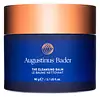
This oil-based makeup remover is made to dissolve makeup, sunscreen, and daily buildup.
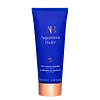
This mild cream cleanser is made to cleanse without leaving your skin tight or dry.

What's inside
What's inside
 Key Ingredients
Benefits
Concerns
Ingredients Side-by-side
Helianthus Annuus Seed Oil
Emollient



Cocos Nucifera Oil
Masking




Polyglyceryl-4 Oleate
Emulsifying
Vitis Vinifera Seed Oil
Emollient
Helianthus Annuus Seed Wax
Skin Conditioning
Persea Gratissima Oil
Skin Conditioning
Squalane
Emollient

C10-18 Triglycerides
Emollient
Phytosterols
Skin Conditioning
Bisabolol
Antioxidant

Hydrogenated Vegetable Oil
Emollient
Olea Europaea Fruit Oil
Masking
Glyceryl Stearate
Emollient
Sorbitan Oleate
Emulsifying
Tocopherol
Antioxidant


Ascorbyl Palmitate
Antioxidant
Tocopheryl Acetate
Antioxidant
Glycerin
Humectant
Water
Skin ConditioningLecithin
Emollient
Pentylene Glycol
Skin Conditioning
Hydrolyzed Rice Protein
Skin ConditioningOpuntia Ficus-Indica Stem Extract
Skin Conditioning
Caprylic/Capric Triglyceride
Masking
Xanthan Gum
EmulsifyingButylene Glycol
Humectant
Arginine
Masking
Phenylalanine
Masking
Glycine
Buffering
Lysine
Skin ConditioningSisymbrium Irio Seed Oil
Masking
Potassium Sorbate
Preservative
Sodium Hydroxide
BufferingOligopeptide-4
Skin Conditioning
Oligopeptide-177
Helianthus Annuus Seed Oil, Cocos Nucifera Oil, Polyglyceryl-4 Oleate, Vitis Vinifera Seed Oil, Helianthus Annuus Seed Wax, Persea Gratissima Oil, Squalane, C10-18 Triglycerides, Phytosterols, Bisabolol, Hydrogenated Vegetable Oil, Olea Europaea Fruit Oil, Glyceryl Stearate, Sorbitan Oleate, Tocopherol, Ascorbyl Palmitate, Tocopheryl Acetate, Glycerin, Water, Lecithin, Pentylene Glycol, Hydrolyzed Rice Protein, Opuntia Ficus-Indica Stem Extract, Caprylic/Capric Triglyceride, Xanthan Gum, Butylene Glycol, Arginine, Phenylalanine, Glycine, Lysine, Sisymbrium Irio Seed Oil, Potassium Sorbate, Sodium Hydroxide, Oligopeptide-4, Oligopeptide-177
Water
Skin ConditioningGlycerin
Humectant
Sodium Cocoyl Isethionate
Cleansing
Behenyl Alcohol
Emollient
Sodium Cocoyl Glycinate
Cleansing
Glycol Distearate
Emollient
Sodium Lauryl Sulfoacetate
CleansingArachidyl Alcohol
Emollient
Cetearyl Alcohol
Emollient
Leuconostoc/Radish Root Ferment Filtrate
Antimicrobial
Citric Acid
Buffering
Arachidyl Glucoside
EmulsifyingHydroxyacetophenone
Antioxidant
Lactobacillus
Skin ConditioningNiacinamide
Smoothing




Xanthan Gum
EmulsifyingSodium Citrate
BufferingCocos Nucifera Fruit Extract
Emollient
Galactoarabinan
Quillaja Saponaria Wood Extract
Skin ConditioningPropanediol
Solvent
Lansium Domesticum Leaf Extract
Skin ConditioningMaltodextrin
Absorbent
Caprylic/Capric Triglyceride
Masking
Hydrolyzed Rice Protein
Skin ConditioningTocopheryl Acetate
Antioxidant
Moringa Oleifera Seed Oil
Emollient
Alanyl Glutamine
HumectantArginine
Masking
Ceramide NP
Skin Conditioning
Ceramide AP
Skin Conditioning
Glycine
Buffering
Lysine
Skin ConditioningPentylene Glycol
Skin Conditioning
Phytosterols
Skin Conditioning
Proline
Skin Conditioning
Sodium Cetearyl Sulfate
Cleansing
Orobanche Rapum Extract
Skin ProtectingSodium Hydroxide
BufferingAscorbic Acid
Antioxidant
Behenic Acid
Cleansing
Brassica Alba Seed Extract
Skin ConditioningHydrogenated Lecithin
Emulsifying
Leontopodium Alpinum Flower/Leaf Extract
Skin ConditioningOleic Acid
Emollient
Oligopeptide-177
Oligopeptide-6
Skin Conditioning
Palmitic Acid
Emollient
Phenylalanine
Masking
Potassium Sorbate
Preservative
Sodium Chloride
MaskingStearic Acid
Cleansing
Sunflower Seed Acid
CleansingWater, Glycerin, Sodium Cocoyl Isethionate, Behenyl Alcohol, Sodium Cocoyl Glycinate, Glycol Distearate, Sodium Lauryl Sulfoacetate, Arachidyl Alcohol, Cetearyl Alcohol, Leuconostoc/Radish Root Ferment Filtrate, Citric Acid, Arachidyl Glucoside, Hydroxyacetophenone, Lactobacillus, Niacinamide, Xanthan Gum, Sodium Citrate, Cocos Nucifera Fruit Extract, Galactoarabinan, Quillaja Saponaria Wood Extract, Propanediol, Lansium Domesticum Leaf Extract, Maltodextrin, Caprylic/Capric Triglyceride, Hydrolyzed Rice Protein, Tocopheryl Acetate, Moringa Oleifera Seed Oil, Alanyl Glutamine, Arginine, Ceramide NP, Ceramide AP, Glycine, Lysine, Pentylene Glycol, Phytosterols, Proline, Sodium Cetearyl Sulfate, Orobanche Rapum Extract, Sodium Hydroxide, Ascorbic Acid, Behenic Acid, Brassica Alba Seed Extract, Hydrogenated Lecithin, Leontopodium Alpinum Flower/Leaf Extract, Oleic Acid, Oligopeptide-177, Oligopeptide-6, Palmitic Acid, Phenylalanine, Potassium Sorbate, Sodium Chloride, Stearic Acid, Sunflower Seed Acid
Reviews
Ingredients Explained
These ingredients are found in both products.
Ingredients higher up in an ingredient list are typically present in a larger amount.
Arginine is a semi-essential amino acid. This just means our bodies can product a bit on its own, but sometimes needs a little boost from food sources.
It is a part of your skin's natural moisturizing factor (NMF), or the water-loving molecules in your outermost layer of skin (stratum corneum) that keeps everything hydrated and happy.
Here's an interesting thing about Arginine: your skin converts it into urea through the Krebs-Henseleit urea cycle. Urea is one of the most effective humectants your skin naturally produces.
A clinical study showed applying 2.5% arginine hydrochloride to atopic dermatitis skin showed significant urea levels in the stratum corneum and improved moisture in just four weeks.
Arginine is also a precursor to nitric oxide; nitric oxide improves microcirculation and supports wound healing and collagen synthesis.
One study found that an amino acid complex containing Arginine reduced skin irritation, improved hydration, and accelerated skin repair in clinical / in-vivo studies.
Arginine itself is an amino acid and not a fatty acid, oil, or ester. On its own, it's not a direct food source for Malassezia, or the yeast that causes fungal acne.
Learn more about ArginineCaprylic/Capric Triglyceride (aka MCT Oil) is a lightweight emollient, solvent, and texture enhancer. It is considered a skin-softener by helping to prevent moisture loss.
Though it behaves like an oil, it is not technically one due to its chemical composition. One perk of this ingredient is that it is very stable, resistant to oxidation, and unlikely to go rancid.
In practice, that translates to a long shelf life and a consistently elegant skin feel.
While there is an assumption Caprylic Triglyceride can clog pores due to it being derived from coconut oil, there is no research supporting this. Just patch test if you have concerns.
Fractionated coconut oil and MCT Oil are both listed as Caprylic/Capric Triglyceride according to INCI. This is because INCI names are based on the ingredient’s final chemical composition and not its marketing name or source.
This ingredient is treated as the gold standard fungal acne safe oil. Even though it is coconut derived, the problematic lauric acid is stripped out.
This leaves just caprylic (C8) and capric (C10) acid. These chain lengths actually trend antifungal; a 2020 study found caprylic acid was enough to disrupt Malassezia furfur cell membrane, with a caprylic acid derivative damaging membrane structures at concentrations as low as 0.2%.
Learn more about Caprylic/Capric TriglycerideGlycerin (or glycerol) is a compound naturally found in your skin. It's a powerhouse humectant that pulls water into the stratum corneum.
Topically, glycerin does several things at once:
Your skin makes glycerin on its own (mostly from sebaceous oil breakdown) and shuttles it to your outermost layer of skin, or your epidermis, via aquaporin-3.
Aquaporin-3 is a transporter that is essential for normal skin hydration, elasticity, and repair. Interestingly, mice lacking in AQP3 have dry and less elastic skin that can be fully corrected with glycerin.
This ingredient is non-irritating, plays well with almost every ingredient, and works across all skin types. Typical use is anywhere between 3-10% but can go up to 79% in some leave-on products.
Just know very high concentrations (>40%) can feel tacky in low humidity.
Glycerin is the name for this ingredient in American English. British English uses Glycerol/Glycerine.
Learn more about GlycerinGlycine is the smallest amino acid and a key building block of collagen. It's part if your skin's Natural Moisturizing Factor (NMF), or the water-loving molecules in your outermost layer of skin (stratum corneum) that keeps everything hydrated and happy.
A study from 2022 found that an amino acid complex featuring taurine, arginine, and glycine significantly reduced skin irritation, improved redness, and accelerated the skin repair process.
Hydrolyzed Rice Protein is protein extracted from rice. This ingredient is rich in antioxidants and peptides.
Studies show this ingredient may help with blocking the melanin creation process when skin is exposed to UV.
Lysine is an essential amino acid (your body cannot make it on its own). It has skin conditioning properties and one of the key players in collagen synthesis.
When your body creates collagen, lysine is basically the glue that holds everything together. It helps collagen fibers lock into each other and stay strong, with vitamin C being its trusty sidekick. Without enough lysine, this glue gets flimsy and less firm, resulting in less bouncy skin.
In skincare, lysine is mostly there to help keep your skin moisturized. It carries water through your skin's layers so everything stays plump.
So will putting lysine on your face create bouncier skin?
It's hard to say; most of the exciting collagen research on lysine comes from oral supplements or lab studies on mice. Further research is needed to truly understand what role topical lysine plays in skincare and your skin.
However, there's no harm in adding lysine to your routine as a supportive and hydrating ingredient.
Learn more about LysineOligopeptide-177 is a peptide.
Pentylene Glycol (1,2-pentanediol) is a multitasking little diol with three main roles in a formula:
Research on alkanediols (the family pentylene glycol belongs to) show they work by disrupting microbial cell membranes. This disruption helps the primary preservative system in a product work more effectively at lower doses.
On the safety side, the Cosmetic Ingredient Review Expert Panel has concluded this ingredient to be safe as used in current cosmetic practices + concentrations.
Typical use levels in a formula run about 1-5%.
Learn more about Pentylene GlycolPhenylalanine is an amino acid. It is a skin soothing and hydrating ingredient. Amino acids play a crucial role in wound healing and skin hydration.
This ingredient is also used to help even out skin tone due to its ability to disrupt the melanin production process.
Two structures of phenylalanine exist: L-phenylalanine and D-phenylalanine. L-phenylalanine is essential, this means our bodies cannot produce it naturally and we must get it from foods. Our bodies convert D-phenylalanine to neurotransmitters, and D-phenylalanine is found in our bodies naturally.
Some foods that contain L-phenylalanine include eggs, soybeans, beef, milk.
Learn more about PhenylalaninePhytosterols are plant-derived sterols (you can think of them as the plant world's version of cholesterol). In cosmetics, this ingredient is usually sourced from soybean, rice bran, shea, sunflower, and other seed oils.
The main actors in this group are β-sitosterol, campesterol, and stigmasterol (the CIR covers 27 phytosterols).
They work by fitting perfectly into your stratum corneum's lipid matrix since they're structurally similar to cholesterol. Here, they reinforce your skin's barrier.
One small in vivo human study showed topical soybean phytosterols sped up barrier recovery within three days on tape-stripped skin.
Broader research credits them with:
Formulation use typically sit under 5%.
Testing in soy-allergic subjects found no sensitization signals, but be sure to patch test if you are unsure or have existing allergies.
Learn more about PhytosterolsPotassium Sorbate is a preservative used to prevent yeast and mold in products. It is commonly found in both cosmetic and food products.
This ingredient comes from potassium salt derived from sorbic acid. Sorbic acid is a natural antibiotic and effective against fungus.
Both potassium sorbate and sorbic acid can be found in baked goods, cheeses, dried meats, dried fruit, ice cream, pickles, wine, yogurt, and more.
You'll often find this ingredient used with other preservatives.
Learn more about Potassium SorbateSodium Hydroxide is also known as lye or caustic soda. It is used to adjust the pH of products; many ingredients require a specific pH to be effective.
In small amounts, sodium hydroxide is considered safe to use. However, large amounts may cause chemical burns due to its high alkaline.
Your skin has a natural pH and acid mantle. This acid mantle helps prevent harmful bacteria from breaking through. The acid mantle also helps keep your skin hydrated.
"Alkaline" refers to a high pH level. A low pH level would be considered acidic.
Learn more about Sodium HydroxideTocopheryl Acetate is a stable, shelf-friendly form of vitamin E.
Formulators love it because plain vitamin E oxidizes quickly once it hits air. This acetate version stays stable and resists going off, helping to extend a product's shelf life.
It's actually inactive on its own and works like a slow-release "storage" form; the enzymes in your skin called esterases gradually convert it into active vitamin E over time.
One in vivo study showed 5% of the acetate in the living layer of the epidermis converted to vitamin E after 5 days of application. This study also found the skin gained protection against UV damage even though the conversion was slow and small.
Once converted, vitamin E acts as a skin's main fat-soluble antioxidant that fights free radicals to protect skin from damage.
Topical vitamin E generally boosts the skin's photoprotection, and it reduced UV-damage in animal models.
This ingredient has some brightening potential but it's more of a prevention ingredient than spot-fader. Cell studies show it can slow down melanin production but it's worth noting that it's not the most powerful brightener out there.
Overall, it has a pretty solid safety profile and has been found to be non-irritating and non-comedogenic. Allergic reactions may happen but stay rare due to how widely the ingredient gets used.
The concentration will vary depending on the formula; industry data shows 0.1% in baby lotions, 3% in lipsticks, and 5% in foot powders. You can also find this ingredient at 100% in a pure vitamin E oil.
Most leave-on skincare keeps it at the lower end, often between 0.5-1%.
Learn more about Tocopheryl AcetateWater. It's the most common cosmetic ingredient of all. You'll usually see it at the top of ingredient lists, meaning that it makes up the largest part of the product.
So why is it so popular? Water most often acts as a solvent - this means that it helps dissolve other ingredients into the formulation.
You'll also recognize water as that liquid we all need to stay alive. If you see this, drink a glass of water. Remember to stay hydrated!
Learn more about WaterXanthan gum is used as a stabilizer and thickener within cosmetic products. It helps give products a sticky, thick feeling - preventing them from being too runny.
On the technical side of things, xanthan gum is a polysaccharide - a combination consisting of multiple sugar molecules bonded together.
Xanthan gum is a pretty common and great ingredient. It is a natural, non-toxic, non-irritating ingredient that is also commonly used in food products.
Learn more about Xanthan Gum

