

What's inside
What's inside
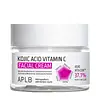 Key Ingredients
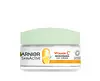
Benefits
Concerns
Ingredients Side-by-side
Water
Skin ConditioningCentella Asiatica Leaf Water
Skin Conditioning


Glycerin
Humectant


Cetyl Ethylhexanoate
EmollientButylene Glycol
Humectant
Polyglyceryl-3 Methylglucose Distearate
Emulsifying
Kojic Acid
Antioxidant



Ascorbic Acid
Antioxidant



Sodium Hyaluronate
Humectant
Stearic Acid
Cleansing
Sodium Polyacryloyldimethyl Taurate
Emulsion StabilisingHydrogenated Polydecene
EmollientTrideceth-10
CleansingSilica
Abrasive


Glyceryl Stearate
Emollient
Beeswax
Emulsion Stabilising
Butyrospermum Parkii Butter
Skin Conditioning
Macadamia Ternifolia Seed Oil
Emollient
Betaine
Humectant
Trehalose
Humectant
Citric Acid
Buffering

Nelumbo Nucifera Extract
Skin ConditioningArtemisia Annua Extract
MaskingOryza Sativa Extract
Absorbent
Saccharomyces Ferment
Skin Conditioning
Solanum Melongena Fruit Extract
Skin ConditioningMelaleuca Alternifolia Leaf Extract
Perfuming
Hydrolyzed Collagen
Emollient
Squalane
Emollient
Beta-Glucan
Skin Conditioning
Dipropylene Glycol
HumectantHippophae Rhamnoides Fruit Extract
Skin Conditioning
Madecassic Acid
Skin Conditioning
Asiaticoside
Antioxidant
Asiatic Acid
Skin ConditioningDisodium EDTA
Propanediol
Solvent
Hydroxyacetophenone
Antioxidant
1,2-Hexanediol
Skin Conditioning
Ethylhexylglycerin
Skin ConditioningDipotassium Glycyrrhizate
Humectant
Water, Centella Asiatica Leaf Water, Glycerin, Cetyl Ethylhexanoate, Butylene Glycol, Polyglyceryl-3 Methylglucose Distearate, Kojic Acid, Ascorbic Acid, Sodium Hyaluronate, Stearic Acid, Sodium Polyacryloyldimethyl Taurate, Hydrogenated Polydecene, Trideceth-10, Silica, Glyceryl Stearate, Beeswax, Butyrospermum Parkii Butter, Macadamia Ternifolia Seed Oil, Betaine, Trehalose, Citric Acid, Nelumbo Nucifera Extract, Artemisia Annua Extract, Oryza Sativa Extract, Saccharomyces Ferment, Solanum Melongena Fruit Extract, Melaleuca Alternifolia Leaf Extract, Hydrolyzed Collagen, Squalane, Beta-Glucan, Dipropylene Glycol, Hippophae Rhamnoides Fruit Extract, Madecassic Acid, Asiaticoside, Asiatic Acid, Disodium EDTA, Propanediol, Hydroxyacetophenone, 1,2-Hexanediol, Ethylhexylglycerin, Dipotassium Glycyrrhizate
Water
Skin ConditioningDicaprylyl Ether
Emollient
Caprylic/Capric Triglyceride
Masking
Cetearyl Alcohol
Emollient
Glycerin
Humectant
Simmondsia Chinensis Seed Oil
Emollient
Propanediol
Solvent
Glyceryl Stearate Citrate
Emollient
Glyceryl Stearate
Emollient
Pentylene Glycol
Skin ConditioningArgania Spinosa Kernel Oil
Emollient
Aloe Barbadensis Leaf Juice Powder
Skin Conditioning
Citrus Paradisi Fruit Extract
Skin ConditioningCalcium PCA
Humectant
Glyceryl Stearate Se
Emulsifying
Sodium Phytate
Arginine
Masking
Alcohol
Antimicrobial


Ascorbyl Glucoside
Antioxidant
Citric Acid
Buffering
Xanthan Gum
EmulsifyingTocopherol
Antioxidant
Salicylic Acid
Masking

Mica
Cosmetic Colorant
CI 77891
Cosmetic ColorantLinalool
Perfuming
Geraniol
Perfuming
Limonene
Perfuming
Citral
Perfuming
Benzyl Alcohol
Perfuming
Parfum
Masking
Water, Dicaprylyl Ether, Caprylic/Capric Triglyceride, Cetearyl Alcohol, Glycerin, Simmondsia Chinensis Seed Oil, Propanediol, Glyceryl Stearate Citrate, Glyceryl Stearate, Pentylene Glycol, Argania Spinosa Kernel Oil, Aloe Barbadensis Leaf Juice Powder, Citrus Paradisi Fruit Extract, Calcium PCA, Glyceryl Stearate Se, Sodium Phytate, Arginine, Alcohol, Ascorbyl Glucoside, Citric Acid, Xanthan Gum, Tocopherol, Salicylic Acid, Mica, CI 77891, Linalool, Geraniol, Limonene, Citral, Benzyl Alcohol, Parfum
Ingredients Explained
These ingredients are found in both products.
Ingredients higher up in an ingredient list are typically present in a larger amount.
Citric Acid is an alpha hydroxy acid (AHA) naturally found in citrus fruits like oranges, lemons, and limes.
Like other AHAs, citric acid can exfoliate skin by breaking down the bonds that hold dead skin cells together. This helps reveal smoother and brighter skin underneath.
However, this exfoliating effect only happens at high concentrations (20%) which can be hard to find in cosmetic products.
Due to this, citric acid is usually included in small amounts as a pH adjuster. This helps keep products slightly more acidic and compatible with skin's natural pH.
In skincare formulas, citric acid can:
While it can provide some skin benefits, research shows lactic acid and glycolic acid are generally more effective and less irritating exfoliants.
Most citric acid used in skincare today is made by fermenting sugars (usually from molasses). This synthetic version is identical to the natural citrus form but easier to stabilize and use in formulations.
Read more about some other popular AHA's here:
Learn more about Citric AcidGlycerin is already naturally found in your skin. It helps moisturize and protect your skin.
A study from 2016 found glycerin to be more effective as a humectant than AHAs and hyaluronic acid.
As a humectant, it helps the skin stay hydrated by pulling moisture to your skin. The low molecular weight of glycerin allows it to pull moisture into the deeper layers of your skin.
Hydrated skin improves your skin barrier; Your skin barrier helps protect against irritants and bacteria.
Glycerin has also been found to have antimicrobial and antiviral properties. Due to these properties, glycerin is often used in wound and burn treatments.
In cosmetics, glycerin is usually derived from plants such as soybean or palm. However, it can also be sourced from animals, such as tallow or animal fat.
This ingredient is organic, colorless, odorless, and non-toxic.
Glycerin is the name for this ingredient in American English. British English uses Glycerol/Glycerine.
Learn more about GlycerinGlyceryl Stearate is a mix of glycerin and stearic acid.
It is used to stabilize the mixing of water and oil ingredients. By preventing these ingredients from separating, it can help elongate shelf life. It can also help thicken the product's texture.
As an emollient, it helps soften skin and supports barrier-replenishing ingredients.
In cosmetics, Glyceryl Stearate is often made from vegetable oils or synthetically produced.
This ingredient may not be fungal-acne safe
Fun fact: The human body also creates Glyceryl Stearate naturally.
Learn more about Glyceryl StearatePropanediol is an all-star ingredient. It softens, hydrates, and smooths the skin.
It’s often used to:
Propanediol is not likely to cause sensitivity and considered safe to use. It is derived from corn or petroleum with a clear color and no scent.
Learn more about PropanediolWater. It's the most common cosmetic ingredient of all. You'll usually see it at the top of ingredient lists, meaning that it makes up the largest part of the product.
So why is it so popular? Water most often acts as a solvent - this means that it helps dissolve other ingredients into the formulation.
You'll also recognize water as that liquid we all need to stay alive. If you see this, drink a glass of water. Stay hydrated!
Learn more about Water
