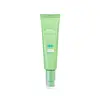
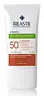
Zakka Naturals Acnoil Protection Airy Velvet Sunscreen Oil Control SPF 50+ Versus Rilastil 365 Specifics Acnestil SPF 50+
This chemical sunscreen covers the full UV range and blocks ~98% of UVB at SPF 50.
This chemical sunscreen covers the full UV range and blocks ~98% of UVB at SPF 50.


What's inside
What's inside
 Key Ingredients
Benefits
Concerns
Ingredients Side-by-side
Water
Skin ConditioningEthylhexyl Methoxycinnamate
UV Absorber


Diethylamino Hydroxybenzoyl Hexyl Benzoate
UV Filter
Dibutyl Adipate
EmollientSilica
Abrasive


Methylene Bis-Benzotriazolyl Tetramethylbutylphenol
UV Filter
Diisopropyl Sebacate
EmollientC15-19 Alkane
SolventBis-Ethylhexyloxyphenol Methoxyphenyl Triazine
UV Absorber
C20-22 Alkyl Phosphate
EmulsifyingC20-22 Alcohols
Emulsion Stabilising
Propanediol
Solvent

Tromethamine
BufferingPoly C10-30 Alkyl Acrylate
Emulsion StabilisingCI 77891
Cosmetic ColorantPhenylbenzimidazole Sulfonic Acid
UV Absorber
Ethylhexyl Methoxycrylene
Skin Conditioning
Potassium Cetyl Phosphate
EmulsifyingButylene Glycol
Humectant
C14-22 Alcohols
Emulsion Stabilising
1,2-Hexanediol
Skin Conditioning
Diethylhexyl Butamido Triazone
UV Absorber
Mica
Cosmetic ColorantPropylene Glycol
Humectant

Bisabolol
Antioxidant



Zinc PCA
Humectant

Caprylic/Capric Triglyceride
Masking
Hydroxyacetophenone
Antioxidant
Sodium Polyacryloyldimethyl Taurate
Emulsion StabilisingC12-20 Alkyl Glucoside
EmulsifyingLecithin
Emollient
Laminaria Ochroleuca Extract
Skin Conditioning
Buddleja Officinalis Flower Extract
UV FilterSaccharide Isomerate
Humectant
Biosaccharide Gum-4
Skin Conditioning
Tin Oxide
Abrasive
Pentaerythrityl Tetra-Di-T-Butyl Hydroxyhydrocinnamate
Antioxidant
Sorbitol
Humectant
Decyl Glucoside
Cleansing
Xanthan Gum
EmulsifyingCitric Acid
Buffering

Sodium Citrate
Buffering10-Hydroxydecanoic Acid
Skin ConditioningSebacic Acid
BufferingCentella Asiatica Extract
Cleansing

Polygonum Cuspidatum Root Extract
Antioxidant
Scutellaria Baicalensis Root Extract
Astringent
Camellia Sinensis Leaf Extract
Antimicrobial
Glycyrrhiza Glabra Root Extract
Bleaching
Chamomilla Recutita Flower Extract
Masking
Rosmarinus Officinalis Leaf Extract
AntimicrobialPhenoxyethanol
Preservative
O-Cymen-5-Ol
Antimicrobial
Sodium Benzoate
Masking
Potassium Sorbate
Preservative
Water, Ethylhexyl Methoxycinnamate, Diethylamino Hydroxybenzoyl Hexyl Benzoate, Dibutyl Adipate, Silica, Methylene Bis-Benzotriazolyl Tetramethylbutylphenol, Diisopropyl Sebacate, C15-19 Alkane, Bis-Ethylhexyloxyphenol Methoxyphenyl Triazine, C20-22 Alkyl Phosphate, C20-22 Alcohols, Propanediol, Tromethamine, Poly C10-30 Alkyl Acrylate, CI 77891, Phenylbenzimidazole Sulfonic Acid, Ethylhexyl Methoxycrylene, Potassium Cetyl Phosphate, Butylene Glycol, C14-22 Alcohols, 1,2-Hexanediol, Diethylhexyl Butamido Triazone, Mica, Propylene Glycol, Bisabolol, Zinc PCA, Caprylic/Capric Triglyceride, Hydroxyacetophenone, Sodium Polyacryloyldimethyl Taurate, C12-20 Alkyl Glucoside, Lecithin, Laminaria Ochroleuca Extract, Buddleja Officinalis Flower Extract, Saccharide Isomerate, Biosaccharide Gum-4, Tin Oxide, Pentaerythrityl Tetra-Di-T-Butyl Hydroxyhydrocinnamate, Sorbitol, Decyl Glucoside, Xanthan Gum, Citric Acid, Sodium Citrate, 10-Hydroxydecanoic Acid, Sebacic Acid, Centella Asiatica Extract, Polygonum Cuspidatum Root Extract, Scutellaria Baicalensis Root Extract, Camellia Sinensis Leaf Extract, Glycyrrhiza Glabra Root Extract, Chamomilla Recutita Flower Extract, Rosmarinus Officinalis Leaf Extract, Phenoxyethanol, O-Cymen-5-Ol, Sodium Benzoate, Potassium Sorbate
Water
Skin ConditioningSilica
Abrasive
Butyl Methoxydibenzoylmethane
UV Absorber
Butyloctyl Salicylate
Skin Conditioning
Diethylhexyl Butamido Triazone
UV Absorber
Ethylhexyl Salicylate
UV Absorber
Ethylhexyl Triazone
UV Absorber
Bis-Ethylhexyloxyphenol Methoxyphenyl Triazine
UV Absorber
Dicaprylyl Carbonate
EmollientDibutyl Adipate
EmollientCeteareth-25
CleansingCeteth-2
EmulsifyingDiethylamino Hydroxybenzoyl Hexyl Benzoate
UV Filter
Potassium Cetyl Phosphate
EmulsifyingIsodecyl Neopentanoate
EmollientPolyester-7
Skin ConditioningGlyceryl Behenate
Emollient
Methylpropanediol
SolventNiacinamide
Smoothing
Potassium Azeloyl Diglycinate
Skin Conditioning
Neopentyl Glycol Diheptanoate
Emollient1,2-Hexanediol
Skin Conditioning
Acrylates/C10-30 Alkyl Acrylate Crosspolymer
Emulsion StabilisingXanthan Gum
EmulsifyingDiethylhexyl Syringylidenemalonate
Skin Protecting
Bisabolol
Antioxidant
Dipotassium Glycyrrhizate
Humectant
Oryzanol
Skin ConditioningTocopheryl Acetate
Antioxidant
Caprylic/Capric Triglyceride
Masking
Diglycerin
Humectant
Glycerin
Humectant
Pinus Pinaster Bark/Bud Extract
Antimicrobial
Schisandra Chinensis Fruit Extract
Skin Conditioning
Artemisia Umbelliformis Extract
Skin ConditioningBuddleja Davidii Leaf Extract
Skin ConditioningPeucedanum Ostruthium Leaf Extract
Skin ConditioningTetrasodium Glutamate Diacetate
ChelatingHydroxyacetophenone
Antioxidant
Sodium Hydroxide
BufferingSodium Benzoate
Masking
Potassium Sorbate
Preservative
Parfum
Masking

Water, Silica, Butyl Methoxydibenzoylmethane, Butyloctyl Salicylate, Diethylhexyl Butamido Triazone, Ethylhexyl Salicylate, Ethylhexyl Triazone, Bis-Ethylhexyloxyphenol Methoxyphenyl Triazine, Dicaprylyl Carbonate, Dibutyl Adipate, Ceteareth-25, Ceteth-2, Diethylamino Hydroxybenzoyl Hexyl Benzoate, Potassium Cetyl Phosphate, Isodecyl Neopentanoate, Polyester-7, Glyceryl Behenate, Methylpropanediol, Niacinamide, Potassium Azeloyl Diglycinate, Neopentyl Glycol Diheptanoate, 1,2-Hexanediol, Acrylates/C10-30 Alkyl Acrylate Crosspolymer, Xanthan Gum, Diethylhexyl Syringylidenemalonate, Bisabolol, Dipotassium Glycyrrhizate, Oryzanol, Tocopheryl Acetate, Caprylic/Capric Triglyceride, Diglycerin, Glycerin, Pinus Pinaster Bark/Bud Extract, Schisandra Chinensis Fruit Extract, Artemisia Umbelliformis Extract, Buddleja Davidii Leaf Extract, Peucedanum Ostruthium Leaf Extract, Tetrasodium Glutamate Diacetate, Hydroxyacetophenone, Sodium Hydroxide, Sodium Benzoate, Potassium Sorbate, Parfum
Reviews
Ingredients Explained
These ingredients are found in both products.
Ingredients higher up in an ingredient list are typically present in a larger amount.
1,2-Hexanediol is a synthetic liquid and another multi-functional powerhouse.
It is a:
- Humectant, drawing moisture into the skin
- Emollient, helping to soften skin
- Solvent, dispersing and stabilizing formulas
- Preservative booster, enhancing the antimicrobial activity of other preservatives
This ingredient is better known as bemotrizinol or Tinosorb S and is one of the best broad-spectrum UV filters in modern sunscreen.
It works by absorbing UV light across a whole range (280-400 nm) with peaks around 310 nm (UVB) and 340-345 nm (UVA). This means it covers UVB plus the deeper UVA wavelengths that drive photoaging and pigmentation.
Another pro?
It's exceptionally photostable, barely degrades in sunlight, and acts as a "bodyguard" for less stable filters.
That's why you'll see it paired with avobenzone or octinoxate; this team up ensures they keep working through sun exposure.
Safety reviews have been reassuring across the board. This ingredient shows low absorption through the skin, rarely irritates, and lab studies found it doesn't act like a hormone in the body (a concern that's been raised about some older sunscreen filters).
On maximum concentrations:
In 2026, the US F.D.A finally added it as an OTC sunscreen ingredient at concentrations up to 6% for adults / children 6 months and older
Learn more about Bis-Ethylhexyloxyphenol Methoxyphenyl TriazineBisabolol is a gentle skin conditioner, antioxidant, and soothing ingredient.
It's primary claim to fame is soothing and research shows topically applied bisabolol can quiet the chemical messengers that cause your skin to become inflamed, helping to sooth any irritation.
A clinical study found that applying 0.5% bisabolol daily for 8 weeks produced an average 9% decrease in skin pigmentation. Researchers found it can also suppress the process that leads to excess melanin production in skin.
In vitro studies found that bisabolol combined with propylene glycol significantly increased skin permeability by increasing lipid fluidity in the stratum corneum.
You'll likely see use concentrations quite low, usually 0.1-0.2%.
Overall, this is a well-tolerated ingredient that works well in formulas designed for sensitive, reactive, or post-procedure skin.
Learn more about BisabololCaprylic/Capric Triglyceride (aka MCT Oil) is a lightweight emollient, solvent, and texture enhancer. It is considered a skin-softener by helping to prevent moisture loss.
Though it behaves like an oil, it is not technically one due to its chemical composition. One perk of this ingredient is that it is very stable, resistant to oxidation, and unlikely to go rancid.
In practice, that translates to a long shelf life and a consistently elegant skin feel.
While there is an assumption Caprylic Triglyceride can clog pores due to it being derived from coconut oil, there is no research supporting this. Just patch test if you have concerns.
Fractionated coconut oil and MCT Oil are both listed as Caprylic/Capric Triglyceride according to INCI. This is because INCI names are based on the ingredient’s final chemical composition and not its marketing name or source.
This ingredient is treated as the gold standard fungal acne safe oil. Even though it is coconut derived, the problematic lauric acid is stripped out.
This leaves just caprylic (C8) and capric (C10) acid. These chain lengths actually trend antifungal; a 2020 study found caprylic acid was enough to disrupt Malassezia furfur cell membrane, with a caprylic acid derivative damaging membrane structures at concentrations as low as 0.2%.
Learn more about Caprylic/Capric TriglycerideDibutyl Adipate is a lightweight, oil-soluble ester that acts as an emollient and solvent. It helps products spread more easily and leaves a soft, silky, dry-touch finish without being greasy.
You'll likely see this ingredient in sunscreens because it does a nice job dissolving UV filters and keeping them evenly distributed.
This ingredient has been found to be safe as used in cosmetics, wasn't a skin or eye irritant in clinical patch testing, and wasn't phototoxic.
In a clinical comedogenicity test, this ingredient tested negative so it isn't likely to clog pores.
Typical use levels are about 5-8% for sunscreens + nail products, but can range from 0.005%-8% depending on the product.
Learn more about Dibutyl AdipateDiethylamino Hydroxybenzoyl Hexyl Benzoate (DHHB) is a chemical UV-A absorber. It is formulated for high UVA protection (320-400 nm).
DHHB is well-liked for:
DHHB has been approved by the EU, Japan, Taiwan, and South America for use up to 10%. Unfortunately, it has not been approved for use in the US or Canada due to slow regulatory processes.
This ingredient is soluble in oils, fats, and lipids.
Learn more about Diethylamino Hydroxybenzoyl Hexyl BenzoateDiethylhexyl Butamido Triazone (aka Iscotrizinol) is an oil-soluble organic UV filter that mainly absorbs UVB and a bit of UVA II light.
This ingredient is great at preventing sunburn but doesn't cover the deep UVA I range. This is why it's often paired with a UVA filter like Avobenzone or Bemotrizinol.
Two of its biggest selling points are efficiency and stability:
Most of the other chemical filters are considered "photostable" if they can last for two hours.
Because this ingredient is oil-loving, it can sit neatly into the oil phase of emulsions and shines in water-repellent/water-resistant formulations.
The EU and Canada allow it to be used up to 10% and Japan allows it up to 5%.
Unfortunately, it's not yet an FDA approved sunscreen agent so you won't be able to find it in sunscreens in the US.
Safety-wise, it has a pretty solid record: the EU's Scientific Committee on Consumer Safety (SCCS) has reviewed it and found low skin absorption, no capacity to produce skin irritation or photo-irritation.
In vitro testing has found less than 0.1% of the applied dose is absorbed by the skin over 24 hours (mostly due to its large molecule size).
Fun fact: This ingredient even has anti-inflammatory properties similar to those of ketoprofe, an anti-inflammatory medication.
Learn more about Diethylhexyl Butamido TriazoneHydroxyacetophenone is a small phenolic molecule that earns its place in a formulas as an antioxidant and preservative booster.
As a phenol, it is able to neutralize free radicals to protect both the product and the skin from oxidative stress.
Though it can't kill microbes on its own, it works as a good supporting agent when combined with other preservatives like Phenoxyethanol or 1,2-Hexanediol.
This ingredient naturally occurs as piceol in Norwegian spruce needles (~0.4-1.1% dry weight and in cloudberries). Though the cosmetic-grade material is synthesized for purity and consistency.
You'll usually see it used at low levels and suppliers recommend up to 1% added to a water phase.
Safety testing was done at concentrations like 0.05% in SPF products and 0.5% in a Human Repeated Insult Patch Test. The safety evidence is assuring; this ingredient is safe for cosmetics in current use and also holds safety status as a food flavoring as well.
An honest caveat: the "soothing" and "anti-inflammatory" claims come mostly from supplier marketing rather than published clinical trials. The Cosmetic Ingredient Review's own literature search found no useful efficacy studies on this ingredient.
So the antioxidant and preservative-boosting roles are the well supported ones while the calming benefit is plausible but thinly evidenced.
Overall, this is a well-tolerated, low-irritation multitasker that quietly helps a formula stay fresh and stable.
Learn more about HydroxyacetophenonePotassium Cetyl Phosphate is the potassium salt of a mixture. This mixture consists of the esters from phosphoricacid and cetyl alcohol.
Potassium Cetyl Phosphate is an emulsifier and cleansing agent. Emulsifiers help stabilize a product. It does this by preventing certain ingredients from separating.
As a cleansing agent, Potassium Cetyl Phosphate helps gather oils, dirts, and pollutants from your skin. This makes it easier to rinse them away with water.
Learn more about Potassium Cetyl PhosphatePotassium Sorbate is a preservative used to prevent yeast and mold in products. It is commonly found in both cosmetic and food products.
This ingredient comes from potassium salt derived from sorbic acid. Sorbic acid is a natural antibiotic and effective against fungus.
Both potassium sorbate and sorbic acid can be found in baked goods, cheeses, dried meats, dried fruit, ice cream, pickles, wine, yogurt, and more.
You'll often find this ingredient used with other preservatives.
Learn more about Potassium SorbateSilica, also known as silicon dioxide, is a naturally occurring mineral. It is used as a fine, spherical, and porous powder in cosmetics.
Though it has exfoliant properties, the function of silica varies depending on the product.
The unique structure of silica enhances the spreadability and adds smoothness, making it a great texture enhancer.
It is also used as an active carrier, emulsifier, and mattifier due to its ability to absorb excess oil.
In some products, tiny microneedles called spicules are made from silica or hydrolyzed sponge. When you rub them in, they lightly polish away dead skin layers and enhance the penetration of active ingredients.
Learn more about SilicaSodium Benzoate is a preservative. It's used in both cosmetic and food products to inhibit the growth of mold and bacteria. It is typically produced synthetically.
Both the US FDA and EU Health Committee have approved the use of sodium benzoate. In the US, levels of 0.1% (of the total product) are allowed.
Sodium benzoate works as a preservative by inhibiting the growth of bacteria inside of cells. It prevents the cell from fermenting a type of sugar using an enzyme called phosphofructokinase.
It is the salt of benzoic acid. Foods containing sodium benzoate include soda, salad dressings, condiments, fruit juices, wines, and snack foods.
Studies for using ascorbic acid and sodium benzoate in cosmetics are lacking, especially in skincare routines with multiple steps.
We always recommend speaking with a professional, such as a dermatologist, if you have any concerns.
Learn more about Sodium BenzoateWater. It's the most common cosmetic ingredient of all. You'll usually see it at the top of ingredient lists, meaning that it makes up the largest part of the product.
So why is it so popular? Water most often acts as a solvent - this means that it helps dissolve other ingredients into the formulation.
You'll also recognize water as that liquid we all need to stay alive. If you see this, drink a glass of water. Remember to stay hydrated!
Learn more about WaterXanthan gum is used as a stabilizer and thickener within cosmetic products. It helps give products a sticky, thick feeling - preventing them from being too runny.
On the technical side of things, xanthan gum is a polysaccharide - a combination consisting of multiple sugar molecules bonded together.
Xanthan gum is a pretty common and great ingredient. It is a natural, non-toxic, non-irritating ingredient that is also commonly used in food products.
Learn more about Xanthan Gum

