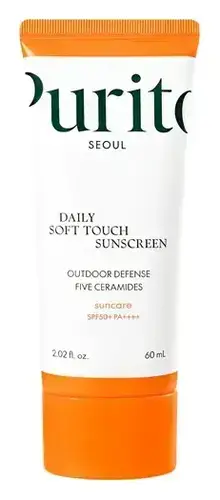
This chemical sunscreen covers the full UV range and blocks ~98% of UVB at SPF 50.
This mineral sunscreen covers the full UV range and blocks ~98% of UVB at SPF 50.


What's inside
What's inside
 Key Ingredients
Benefits
Concerns
Ingredients Side-by-side
Water
Skin ConditioningSilica
Abrasive


Butyl Methoxydibenzoylmethane
UV Absorber
Butyloctyl Salicylate
Skin Conditioning
Diethylhexyl Butamido Triazone
UV Absorber
Ethylhexyl Salicylate
UV Absorber
Ethylhexyl Triazone
UV Absorber
Bis-Ethylhexyloxyphenol Methoxyphenyl Triazine
UV Absorber
Dicaprylyl Carbonate
EmollientDibutyl Adipate
EmollientCeteareth-25
CleansingCeteth-2
EmulsifyingDiethylamino Hydroxybenzoyl Hexyl Benzoate
UV Filter
Potassium Cetyl Phosphate
EmulsifyingIsodecyl Neopentanoate
EmollientPolyester-7
Skin ConditioningGlyceryl Behenate
Emollient

Methylpropanediol
SolventNiacinamide
Smoothing









Potassium Azeloyl Diglycinate
Skin Conditioning
Neopentyl Glycol Diheptanoate
Emollient1,2-Hexanediol
Skin Conditioning
Acrylates/C10-30 Alkyl Acrylate Crosspolymer
Emulsion StabilisingXanthan Gum
EmulsifyingDiethylhexyl Syringylidenemalonate
Skin Protecting
Bisabolol
Antioxidant
Dipotassium Glycyrrhizate
Humectant
Oryzanol
Skin ConditioningTocopheryl Acetate
Antioxidant
Caprylic/Capric Triglyceride
Masking
Diglycerin
Humectant
Glycerin
Humectant
Pinus Pinaster Bark/Bud Extract
Antimicrobial
Schisandra Chinensis Fruit Extract
Skin Conditioning
Artemisia Umbelliformis Extract
Skin ConditioningBuddleja Davidii Leaf Extract
Skin ConditioningPeucedanum Ostruthium Leaf Extract
Skin ConditioningTetrasodium Glutamate Diacetate
Hydroxyacetophenone
Antioxidant
Sodium Hydroxide
BufferingSodium Benzoate
Masking
Potassium Sorbate
Preservative
Parfum
Masking



Water, Silica, Butyl Methoxydibenzoylmethane, Butyloctyl Salicylate, Diethylhexyl Butamido Triazone, Ethylhexyl Salicylate, Ethylhexyl Triazone, Bis-Ethylhexyloxyphenol Methoxyphenyl Triazine, Dicaprylyl Carbonate, Dibutyl Adipate, Ceteareth-25, Ceteth-2, Diethylamino Hydroxybenzoyl Hexyl Benzoate, Potassium Cetyl Phosphate, Isodecyl Neopentanoate, Polyester-7, Glyceryl Behenate, Methylpropanediol, Niacinamide, Potassium Azeloyl Diglycinate, Neopentyl Glycol Diheptanoate, 1,2-Hexanediol, Acrylates/C10-30 Alkyl Acrylate Crosspolymer, Xanthan Gum, Diethylhexyl Syringylidenemalonate, Bisabolol, Dipotassium Glycyrrhizate, Oryzanol, Tocopheryl Acetate, Caprylic/Capric Triglyceride, Diglycerin, Glycerin, Pinus Pinaster Bark/Bud Extract, Schisandra Chinensis Fruit Extract, Artemisia Umbelliformis Extract, Buddleja Davidii Leaf Extract, Peucedanum Ostruthium Leaf Extract, Tetrasodium Glutamate Diacetate, Hydroxyacetophenone, Sodium Hydroxide, Sodium Benzoate, Potassium Sorbate, Parfum
Water
Skin ConditioningCyclopentasiloxane
Emollient
Zinc Oxide
Cosmetic Colorant
Titanium Dioxide
Cosmetic Colorant
Diethyl Carbonate
Dibutyl Adipate
EmollientDicaprylyl Carbonate
EmollientPolyglyceryl-3 Polydimethylsiloxyethyl Dimethicone
Skin Conditioning
PEG-30 Dipolyhydroxystearate
Emulsifying
Cetyl PEG/PPG-10/1 Dimethicone
Emulsifying
Nylon-12
Aluminum Hydroxide
EmollientStearic Acid
Cleansing
Cyclohexasiloxane
Emollient
Magnesium Sulfate
Phenoxyethanol
Preservative
Polypodium Leucotomos Leaf Extract
Skin Protecting
3-O-Ethyl Ascorbic Acid
Skin Conditioning
Ethylhexyl Ferulate
Antioxidant
Ferulic Acid
Antimicrobial
Caffeic Acid
Antioxidant
Physalis Angulata Extract
Skin ProtectingCaprylyl Glycol
Emollient
Melanin
Skin ProtectingCamellia Sinensis Extract
Antioxidant
Tocopheryl Acetate
Antioxidant
Panthenyl Triacetate
Parfum
Masking
Ethylhexylglycerin
Skin ConditioningEthyl Linoleate
Emollient
Caprylic/Capric Triglyceride
Masking
Oleyl Alcohol
Emollient
Arabidopsis Thaliana Extract
Antioxidant
Triethoxycaprylylsilane
Glyceryl Stearate
Emollient
Disodium EDTA
Butylene Glycol
Humectant
Oxothiazolidine
Skin ProtectingTocopherol
Antioxidant
Lecithin
Emollient
Sodium Benzoate
Masking
Linalool
Perfuming
Limonene
Perfuming
Water, Cyclopentasiloxane, Zinc Oxide, Titanium Dioxide, Diethyl Carbonate, Dibutyl Adipate, Dicaprylyl Carbonate, Polyglyceryl-3 Polydimethylsiloxyethyl Dimethicone, PEG-30 Dipolyhydroxystearate, Cetyl PEG/PPG-10/1 Dimethicone, Nylon-12, Aluminum Hydroxide, Stearic Acid, Cyclohexasiloxane, Magnesium Sulfate, Phenoxyethanol, Polypodium Leucotomos Leaf Extract, 3-O-Ethyl Ascorbic Acid, Ethylhexyl Ferulate, Ferulic Acid, Caffeic Acid, Physalis Angulata Extract, Caprylyl Glycol, Melanin, Camellia Sinensis Extract, Tocopheryl Acetate, Panthenyl Triacetate, Parfum, Ethylhexylglycerin, Ethyl Linoleate, Caprylic/Capric Triglyceride, Oleyl Alcohol, Arabidopsis Thaliana Extract, Triethoxycaprylylsilane, Glyceryl Stearate, Disodium EDTA, Butylene Glycol, Oxothiazolidine, Tocopherol, Lecithin, Sodium Benzoate, Linalool, Limonene
Reviews
Ingredients Explained
These ingredients are found in both products.
Ingredients higher up in an ingredient list are typically present in a larger amount.
Caprylic/Capric Triglyceride (aka MCT Oil) is a lightweight emollient, solvent, and texture enhancer. It is considered a skin-softener by helping to prevent moisture loss.
Though it behaves like an oil, it is not technically one due to its chemical composition. One perk of this ingredient is that it is very stable, resistant to oxidation, and unlikely to go rancid.
In practice, that translates to a long shelf life and a consistently elegant skin feel.
While there is an assumption Caprylic Triglyceride can clog pores due to it being derived from coconut oil, there is no research supporting this. Just patch test if you have concerns.
Fractionated coconut oil and MCT Oil are both listed as Caprylic/Capric Triglyceride according to INCI. This is because INCI names are based on the ingredient’s final chemical composition and not its marketing name or source.
This ingredient is treated as the gold standard fungal acne safe oil. Even though it is coconut derived, the problematic lauric acid is stripped out.
This leaves just caprylic (C8) and capric (C10) acid. These chain lengths actually trend antifungal; a 2020 study found caprylic acid was enough to disrupt Malassezia furfur cell membrane, with a caprylic acid derivative damaging membrane structures at concentrations as low as 0.2%.
Learn more about Caprylic/Capric TriglycerideDibutyl Adipate is a lightweight, oil-soluble ester that acts as an emollient and solvent. It helps products spread more easily and leaves a soft, silky, dry-touch finish without being greasy.
You'll likely see this ingredient in sunscreens because it does a nice job dissolving UV filters and keeping them evenly distributed.
This ingredient has been found to be safe as used in cosmetics, wasn't a skin or eye irritant in clinical patch testing, and wasn't phototoxic.
In a clinical comedogenicity test, this ingredient tested negative so it isn't likely to clog pores.
Typical use levels are about 5-8% for sunscreens + nail products, but can range from 0.005%-8% depending on the product.
Learn more about Dibutyl AdipateDicaprylyl Carbonate comes from carbonic acid and caprylyl alcohol, a fatty alcohol. It is an emollient and gives skin a velvet feel. The sources of Dicaprylyl Carbonate may be synthetic or from animals.
As an emollient, Dicaprylyl Carbonate creates a film on the skin. This film traps moisture in, keeping your skin soft and hydrated.
Parfum is a catch-all term for an ingredient or more that is used to give a scent to products.
Also called "fragrance", this ingredient can be a blend of hundreds of chemicals or plant oils. This means every product with "fragrance" or "parfum" in the ingredients list is a different mixture.
For instance, Habanolide is a proprietary trade name for a specific aroma chemical. When used as a fragrance ingredient in cosmetics, most aroma chemicals fall under the broad labeling category of “FRAGRANCE” or “PARFUM” according to EU and US regulations.
The term 'parfum' or 'fragrance' is not regulated in many countries. In many cases, it is up to the brand to define this term.
For instance, many brands choose to label themselves as "fragrance-free" because they are not using synthetic fragrances. However, their products may still contain ingredients such as essential oils that are considered a fragrance by INCI standards.
One example is Calendula flower extract. Calendula is an essential oil that still imparts a scent or 'fragrance'.
Depending on the blend, the ingredients in the mixture can cause allergies and sensitivities on the skin. Some ingredients that are known EU allergens include linalool and citronellol.
Parfum can also be used to mask or cover an unpleasant scent.
The bottom line is: not all fragrances/parfum/ingredients are created equally. If you are worried about fragrances, we recommend taking a closer look at an ingredient. And of course, we always recommend speaking with a professional.
Learn more about ParfumSodium Benzoate is a preservative. It's used in both cosmetic and food products to inhibit the growth of mold and bacteria. It is typically produced synthetically.
Both the US FDA and EU Health Committee have approved the use of sodium benzoate. In the US, levels of 0.1% (of the total product) are allowed.
Sodium benzoate works as a preservative by inhibiting the growth of bacteria inside of cells. It prevents the cell from fermenting a type of sugar using an enzyme called phosphofructokinase.
It is the salt of benzoic acid. Foods containing sodium benzoate include soda, salad dressings, condiments, fruit juices, wines, and snack foods.
Studies for using ascorbic acid and sodium benzoate in cosmetics are lacking, especially in skincare routines with multiple steps.
We always recommend speaking with a professional, such as a dermatologist, if you have any concerns.
Learn more about Sodium BenzoateTocopheryl Acetate is a stable, shelf-friendly form of vitamin E.
Formulators love it because plain vitamin E oxidizes quickly once it hits air. This acetate version stays stable and resists going off, helping to extend a product's shelf life.
It's actually inactive on its own and works like a slow-release "storage" form; the enzymes in your skin called esterases gradually convert it into active vitamin E over time.
One in vivo study showed 5% of the acetate in the living layer of the epidermis converted to vitamin E after 5 days of application. This study also found the skin gained protection against UV damage even though the conversion was slow and small.
Once converted, vitamin E acts as a skin's main fat-soluble antioxidant that fights free radicals to protect skin from damage.
Topical vitamin E generally boosts the skin's photoprotection, and it reduced UV-damage in animal models.
This ingredient has some brightening potential but it's more of a prevention ingredient than spot-fader. Cell studies show it can slow down melanin production but it's worth noting that it's not the most powerful brightener out there.
Overall, it has a pretty solid safety profile and has been found to be non-irritating and non-comedogenic. Allergic reactions may happen but stay rare due to how widely the ingredient gets used.
The concentration will vary depending on the formula; industry data shows 0.1% in baby lotions, 3% in lipsticks, and 5% in foot powders. You can also find this ingredient at 100% in a pure vitamin E oil.
Most leave-on skincare keeps it at the lower end, often between 0.5-1%.
Learn more about Tocopheryl AcetateWater. It's the most common cosmetic ingredient of all. You'll usually see it at the top of ingredient lists, meaning that it makes up the largest part of the product.
So why is it so popular? Water most often acts as a solvent - this means that it helps dissolve other ingredients into the formulation.
You'll also recognize water as that liquid we all need to stay alive. If you see this, drink a glass of water. Remember to stay hydrated!
Learn more about Water