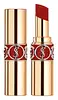
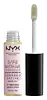
Yves Saint Laurent Rouge Volupte Shine Lipstick Balm Versus NYX Cosmetics Bare With Me Cannabis Lip Conditioner
This barrier-repair lip moisturizer is formulated around Rosa Canina Fruit Oil and Simmondsia Chinensis Seed Oil to strengthen the lip barrier and hydrate lips.


What's inside
What's inside
 Key Ingredients
Benefits
Concerns
Ingredients Side-by-side
Diisostearyl Malate
EmollientHydrogenated Polyisobutene
EmollientPhenyl Trimethicone
Skin Conditioning
Paraffin
Skin Conditioning
C12-15 Alkyl Benzoate
AntimicrobialCetyl Dimethicone
Emollient
Octyldodecanol
Emollient
Diisopropyl Dimer Dilinoleate
Emollient

Phytosteryl Macadamiate
Skin Conditioning
Euphorbia Cerifera Cera
Astringent
Polyethylene
Abrasive

Microcrystalline Wax
Emulsion StabilisingPentaerythrityl Tetraisostearate
Emollient
Pentaerythrityl Tetraethylhexanoate
Emollient
Polyglyceryl-2 Isostearate
Emulsifying
Hexadecene
SolventEthylhexyl Palmitate
Emollient

Caprylic/Capric Triglyceride
Masking

Calcium Aluminum Borosilicate
Alumina
Abrasive
Caprylyl Glycol
Emollient
Tribehenin
Emollient
Tocopheryl Acetate
Antioxidant


Oryzanol
Skin ConditioningAmmonium Glycyrrhizate
MaskingPentaerythrityl Tetra-Di-T-Butyl Hydroxyhydrocinnamate
Antioxidant
Calcium Sodium Borosilicate
Parfum
Masking

Glyceryl Stearate
Emollient
Sorbitan Isostearate
Emulsifying
Lecithin
Emollient
Tocopherol
Antioxidant


Ascorbyl Palmitate
Antioxidant

Silica Dimethyl Silylate
EmollientPunica Granatum Extract
AstringentSynthetic Fluorphlogopite
Tin Oxide
Abrasive
Polyethylene Terephthalate
Silica
Abrasive

Sodium Hyaluronate
Humectant
Palmitoyl Oligopeptide
Cleansing
Acrylates Copolymer
CI 77891
Cosmetic ColorantCI 45410
Cosmetic ColorantCI 77491
Cosmetic ColorantCI 77492
Cosmetic ColorantCI 77499
Cosmetic ColorantCI 15850
Cosmetic ColorantCI 15985
Cosmetic ColorantMica
Cosmetic ColorantCI 42090
Cosmetic ColorantCI 45380
Cosmetic ColorantCI 75470
Cosmetic ColorantCI 19140
Cosmetic ColorantDiisostearyl Malate, Hydrogenated Polyisobutene, Phenyl Trimethicone, Paraffin, C12-15 Alkyl Benzoate, Cetyl Dimethicone, Octyldodecanol, Diisopropyl Dimer Dilinoleate, Phytosteryl Macadamiate, Euphorbia Cerifera Cera, Polyethylene, Microcrystalline Wax, Pentaerythrityl Tetraisostearate, Pentaerythrityl Tetraethylhexanoate, Polyglyceryl-2 Isostearate, Hexadecene, Ethylhexyl Palmitate, Caprylic/Capric Triglyceride, Calcium Aluminum Borosilicate, Alumina, Caprylyl Glycol, Tribehenin, Tocopheryl Acetate, Oryzanol, Ammonium Glycyrrhizate, Pentaerythrityl Tetra-Di-T-Butyl Hydroxyhydrocinnamate, Calcium Sodium Borosilicate, Parfum, Glyceryl Stearate, Sorbitan Isostearate, Lecithin, Tocopherol, Ascorbyl Palmitate, Silica Dimethyl Silylate, Punica Granatum Extract, Synthetic Fluorphlogopite, Tin Oxide, Polyethylene Terephthalate, Silica, Sodium Hyaluronate, Palmitoyl Oligopeptide, Acrylates Copolymer, CI 77891, CI 45410, CI 77491, CI 77492, CI 77499, CI 15850, CI 15985, Mica, CI 42090, CI 45380, CI 75470, CI 19140
Paraffinum Liquidum
Emollient
Polyisobutene
Octyldodecanol
Emollient
Diisostearyl Malate
EmollientPetrolatum
Emollient
Silica Silylate
Emollient
Hydrogenated Styrene/Isoprene Copolymer
Microcrystalline Wax
Emulsion StabilisingRosa Canina Fruit Oil
Emollient
Vitis Vinifera Seed Oil
Emollient
Simmondsia Chinensis Seed Oil
Emollient
Cannabis Sativa Seed Oil
Emollient
Prunus Amygdalus Dulcis Oil
Skin Conditioning
Persea Gratissima Oil
Skin Conditioning
Olus Oil
Emollient
Centella Asiatica Extract
Cleansing

Glycerin
Humectant
Aroma
Alumina
Abrasive
Aluminum Hydroxide
EmollientCaprylic/Capric Triglyceride
Masking
Ethylhexyl Methoxycinnamate
UV Absorber

Ethylhexylglycerin
Skin ConditioningBHT
Antioxidant
Tocopherol
Antioxidant
Tocopheryl Acetate
Antioxidant
Diethylhexyl Syringylidenemalonate
Skin Protecting
Pentaerythrityl Tetra-Di-T-Butyl Hydroxyhydrocinnamate
Antioxidant
Sorbic Acid
Preservative
Phenoxyethanol
Preservative
CI 77891
Cosmetic ColorantCI 19140
Cosmetic ColorantCI 42090
Cosmetic ColorantParaffinum Liquidum, Polyisobutene, Octyldodecanol, Diisostearyl Malate, Petrolatum, Silica Silylate, Hydrogenated Styrene/Isoprene Copolymer, Microcrystalline Wax, Rosa Canina Fruit Oil, Vitis Vinifera Seed Oil, Simmondsia Chinensis Seed Oil, Cannabis Sativa Seed Oil, Prunus Amygdalus Dulcis Oil, Persea Gratissima Oil, Olus Oil, Centella Asiatica Extract, Glycerin, Aroma, Alumina, Aluminum Hydroxide, Caprylic/Capric Triglyceride, Ethylhexyl Methoxycinnamate, Ethylhexylglycerin, BHT, Tocopherol, Tocopheryl Acetate, Diethylhexyl Syringylidenemalonate, Pentaerythrityl Tetra-Di-T-Butyl Hydroxyhydrocinnamate, Sorbic Acid, Phenoxyethanol, CI 77891, CI 19140, CI 42090
Reviews
Ingredients Explained
These ingredients are found in both products.
Ingredients higher up in an ingredient list are typically present in a larger amount.
Alumina (aka aluminum oxide) is an inorganic mineral powder refined from bauxite that works as a quiet workhorse in a formula.
It shows up often as an abrasive, absorbent, anticaking, bulking, and viscosity-controlling agent.
One of its most common jobs is acting as a pigment carrier and dispersant.
Alumina platelets are often blended with inorganic sunscreens like Titanium Dioxide (or with colorants) and then coated with a silicone such as Triethoxycaprylylsilane so the pigment spreads evenly and smoothly.
In makeup, it can also double as a light-diffusing powder or oil absorber to keep formulas from looking greasy.
The Cosmetic Ingredient Review Expert Panel has concluded alumina to be safe in present practices of use and concentration.
They note it's a stable, oxidized compound and scientific research has failed to establish links to health issues.
Concentrations vary depending on the product:
Learn more about AluminaCaprylic/Capric Triglyceride (aka MCT Oil) is a lightweight emollient, solvent, and texture enhancer. It is considered a skin-softener by helping to prevent moisture loss.
Though it behaves like an oil, it is not technically one due to its chemical composition. One perk of this ingredient is that it is very stable, resistant to oxidation, and unlikely to go rancid.
In practice, that translates to a long shelf life and a consistently elegant skin feel.
While there is an assumption Caprylic Triglyceride can clog pores due to it being derived from coconut oil, there is no research supporting this. Just patch test if you have concerns.
Fractionated coconut oil and MCT Oil are both listed as Caprylic/Capric Triglyceride according to INCI. This is because INCI names are based on the ingredient’s final chemical composition and not its marketing name or source.
This ingredient is treated as the gold standard fungal acne safe oil. Even though it is coconut derived, the problematic lauric acid is stripped out.
This leaves just caprylic (C8) and capric (C10) acid. These chain lengths actually trend antifungal; a 2020 study found caprylic acid was enough to disrupt Malassezia furfur cell membrane, with a caprylic acid derivative damaging membrane structures at concentrations as low as 0.2%.
Learn more about Caprylic/Capric TriglycerideCI 19140 is also known as Tartrazine. Tartrazine is a synthetic dye used in cosmetics, foods, and medicine to add a yellow color.
Tartrazine is created from petroleum and is water-soluble.
Some people may experience allergies from this dye, especially asthmatics and those with an aspirin intolerance.
Learn more about CI 19140Ci 42090 is a synthetic dye created from petroleum. It is used to give a bright blue color to cosmetics, medicine, and food.
Ci 77891 is a white pigment from Titanium dioxide. It is naturally found in minerals such as rutile and ilmenite.
It's main function is to add a white color to cosmetics. It can also be mixed with other colors to create different shades.
Ci 77891 is commonly found in sunscreens due to its ability to block UV rays.
Learn more about CI 77891Diisostearyl Malate is an emollient and most often used in lip products. It comes from isostearyl alcohol, a fatty acid, and malic acid, an AHA.
As an emollient, Diisostearyl Malate helps create a thin film on your skin to trap moisture in. This helps keep your skin soft and smooth.
Microcrystalline Wax is derived from petroleum through a de-oiling process, then highly refined and purified before use in cosmetics.
In skincare formulations, it is used to improve texture and create a smooth, even consistency. It also helps stabilize products by preventing ingredients from separating.
Octyldodecanol is a fatty alcohol sourced from plant oils like coconut or palm (or made synthetically).
It is:
You'll likely see this in many BHA products because this is the go-to solvent for salicylic acid.
This ingredient is typically used at levels between 2-20%.
Regarding fungal acne:
In 2019, this ingredient was tested against multiple Malassezia species (the yeast that causes fungal acne) and showed no growth.
Pentaerythrityl Tetra-Di-T-Butyl Hydroxyhydrocinnamate (long name, huh?) is a synthetic antioxidant.
It is used to help stabilize other antioxidants or prevent the color from changing in a product.
As an antioxidant, it helps fight free-radical molecules. Free-radical molecules are capable of damaging our cells and other genetic material. Thus, antioxidants may reduce the signs of aging.
This ingredient is oil-soluble.
Learn more about Pentaerythrityl Tetra-Di-T-Butyl HydroxyhydrocinnamateTocopherol is a fat-soluble antioxidant known as Vitamin E.
You'll find this ingredient in the vast majority of skincare (for good reason). It works to neutralize free radicals, or unstable molecules generated by UV exposure, pollution, and other environmental stressors, before they can cause oxidative damage to your skin cells.
Topically applied tocopherol has been shown to protect against UV damage by ramping up the skin's own natural defense enzymes.
It also acts as a skin conditioning agent; some studies show that regular topical use can improve the skin's water-binding capacity over 2-4 weeks.
This ingredient is especially loved for being a team player. When combined with Vitamin C, the photoprotective effect of both ingredients roughly doubles and the combo also helps reduce UV-induced DNA damage.
This ingredient has some brightening potential but it's more of a prevention ingredient than spot-fader. Cell studies show it can slow down melanin production but it's worth noting that it's not the most powerful brightener out there.
In formulations, it also serves as a stabilizer that helps protect other oxidation-prone ingredients from degrading.
Concentrations usually range from 0.1-1% in most leave-on products.
Learn more about TocopherolTocopheryl Acetate is a stable, shelf-friendly form of vitamin E.
Formulators love it because plain vitamin E oxidizes quickly once it hits air. This acetate version stays stable and resists going off, helping to extend a product's shelf life.
It's actually inactive on its own and works like a slow-release "storage" form; the enzymes in your skin called esterases gradually convert it into active vitamin E over time.
One in vivo study showed 5% of the acetate in the living layer of the epidermis converted to vitamin E after 5 days of application. This study also found the skin gained protection against UV damage even though the conversion was slow and small.
Once converted, vitamin E acts as a skin's main fat-soluble antioxidant that fights free radicals to protect skin from damage.
Topical vitamin E generally boosts the skin's photoprotection, and it reduced UV-damage in animal models.
This ingredient has some brightening potential but it's more of a prevention ingredient than spot-fader. Cell studies show it can slow down melanin production but it's worth noting that it's not the most powerful brightener out there.
Overall, it has a pretty solid safety profile and has been found to be non-irritating and non-comedogenic. Allergic reactions may happen but stay rare due to how widely the ingredient gets used.
The concentration will vary depending on the formula; industry data shows 0.1% in baby lotions, 3% in lipsticks, and 5% in foot powders. You can also find this ingredient at 100% in a pure vitamin E oil.
Most leave-on skincare keeps it at the lower end, often between 0.5-1%.
Learn more about Tocopheryl Acetate

