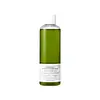
This calming serum is formulated around Centella Asiatica Leaf Water and Niacinamide to calm redness and strengthen the skin barrier.
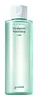
This hydrating toner is formulated around Houttuynia Cordata Extract and Sodium Hyaluronate to hydrate skin and calm redness.

What's inside
What's inside
 Key Ingredients
Benefits
Concerns
Ingredients Side-by-side
Houttuynia Cordata Water
MaskingWater
Skin ConditioningCentella Asiatica Leaf Water
Skin Conditioning


Dipropylene Glycol
HumectantGlycerin
Humectant

Pentylene Glycol
Skin Conditioning
Niacinamide
Smoothing







1,2-Hexanediol
Skin Conditioning
Polyglyceryl-10 Myristate
Skin Conditioning

Panthenol
Skin Conditioning
Ammonium Acryloyldimethyltaurate/Vp Copolymer
Ethylhexylglycerin
Skin ConditioningAdenosine
Skin Conditioning
Melia Azadirachta Leaf Extract
Skin ConditioningXanthan Gum
EmulsifyingPolyquaternium-51
Skin Conditioning
Theobroma Cacao Seed Extract
Antioxidant
Polyglyceryl-10 Laurate
Skin Conditioning
Hydrogenated Lecithin
Emulsifying
Melia Azadirachta Flower Extract
Skin ConditioningButylene Glycol
Humectant
Biosaccharide Gum-1
Humectant
Ethyl Hexanediol
SolventEucalyptus Globulus Leaf Extract
Perfuming
Cymbopogon Citratus Extract
Skin ConditioningAloe Barbadensis Leaf Extract
Emollient
Mentha Arvensis Extract
MaskingGluconolactone
Skin Conditioning
Capryloyl Salicylic Acid
Exfoliating
Glyceryl Glucoside
Humectant
Erythritol
Humectant
Melaleuca Alternifolia Leaf Extract
Perfuming
Tocopherol
Antioxidant
Disodium EDTA
Parfum
Masking


Houttuynia Cordata Water, Water, Centella Asiatica Leaf Water, Dipropylene Glycol, Glycerin, Pentylene Glycol, Niacinamide, 1,2-Hexanediol, Polyglyceryl-10 Myristate, Panthenol, Ammonium Acryloyldimethyltaurate/Vp Copolymer, Ethylhexylglycerin, Adenosine, Melia Azadirachta Leaf Extract, Xanthan Gum, Polyquaternium-51, Theobroma Cacao Seed Extract, Polyglyceryl-10 Laurate, Hydrogenated Lecithin, Melia Azadirachta Flower Extract, Butylene Glycol, Biosaccharide Gum-1, Ethyl Hexanediol, Eucalyptus Globulus Leaf Extract, Cymbopogon Citratus Extract, Aloe Barbadensis Leaf Extract, Mentha Arvensis Extract, Gluconolactone, Capryloyl Salicylic Acid, Glyceryl Glucoside, Erythritol, Melaleuca Alternifolia Leaf Extract, Tocopherol, Disodium EDTA, Parfum
Water
Skin ConditioningGlycerin
Humectant
Butylene Glycol
Humectant
Methyl Gluceth-20
Humectant
Pentylene Glycol
Skin Conditioning
Methylpropanediol
SolventHouttuynia Cordata Extract
Skin Conditioning
Sodium Hyaluronate
Humectant
Chamaecyparis Obtusa Oil
Masking
Eucalyptus Globulus Leaf Oil
Perfuming

Candida Bombicola/Glucose/Methyl Rapeseedate Ferment
AntimicrobialVitis Vinifera Seed Oil
Emollient
Centella Asiatica Leaf Extract
Skin Conditioning
Chrysanthemum Zawadskii Extract
Skin ConditioningHydrolyzed Hyaluronic Acid
Humectant
Hyaluronic Acid
Humectant
Helianthus Annuus Seed Oil
Emollient
Portulaca Oleracea Extract
Skin Conditioning
1,2-Hexanediol
Skin Conditioning
Panthenol
Skin Conditioning
Octyldodeceth-16
EmulsifyingGluconolactone
Skin Conditioning
Ethylhexylglycerin
Skin ConditioningErythritol
Humectant
Sorbitol
Humectant
Sodium Phytate
Allantoin
Skin Conditioning
Polyquaternium-51
Skin Conditioning
Ectoin
Skin Conditioning
Succinic Acid
BufferingTocopherol
Antioxidant
Hyaluronic Acid/Polyisopropylacrylamide Copolymer
Humectant
Dimethylsilanol Hyaluronate
Humectant
Hydrolyzed Sodium Hyaluronate
Skin Conditioning
Potassium Hyaluronate
Skin ConditioningHydroxypropyltrimonium Hyaluronate
Sodium Hyaluronate Crosspolymer
Humectant
Propanediol
Solvent
Sodium Hyaluronate Dimethylsilanol
HumectantSodium Acetylated Hyaluronate
Humectant
Glyceryl Caprylate
EmollientPolyglyceryl-10 Isostearate
Skin Conditioning
Polyglyceryl-10 Oleate
Skin Conditioning
Hydrogenated Lecithin
Emulsifying
Stearic Acid
Cleansing
Ceramide NP
Skin Conditioning
Ceramide Ns
Skin Conditioning
Cholesterol
Emollient
Phytosphingosine
Skin Conditioning
Ceramide AP
Skin Conditioning
Ceramide As
Skin Conditioning
Ceramide EOP
Skin Conditioning
Cetearyl Alcohol
Emollient


Water, Glycerin, Butylene Glycol, Methyl Gluceth-20, Pentylene Glycol, Methylpropanediol, Houttuynia Cordata Extract, Sodium Hyaluronate, Chamaecyparis Obtusa Oil, Eucalyptus Globulus Leaf Oil, Candida Bombicola/Glucose/Methyl Rapeseedate Ferment, Vitis Vinifera Seed Oil, Centella Asiatica Leaf Extract, Chrysanthemum Zawadskii Extract, Hydrolyzed Hyaluronic Acid, Hyaluronic Acid, Helianthus Annuus Seed Oil, Portulaca Oleracea Extract, 1,2-Hexanediol, Panthenol, Octyldodeceth-16, Gluconolactone, Ethylhexylglycerin, Erythritol, Sorbitol, Sodium Phytate, Allantoin, Polyquaternium-51, Ectoin, Succinic Acid, Tocopherol, Hyaluronic Acid/Polyisopropylacrylamide Copolymer, Dimethylsilanol Hyaluronate, Hydrolyzed Sodium Hyaluronate, Potassium Hyaluronate, Hydroxypropyltrimonium Hyaluronate, Sodium Hyaluronate Crosspolymer, Propanediol, Sodium Hyaluronate Dimethylsilanol, Sodium Acetylated Hyaluronate, Glyceryl Caprylate, Polyglyceryl-10 Isostearate, Polyglyceryl-10 Oleate, Hydrogenated Lecithin, Stearic Acid, Ceramide NP, Ceramide Ns, Cholesterol, Phytosphingosine, Ceramide AP, Ceramide As, Ceramide EOP, Cetearyl Alcohol
Ingredients Explained
These ingredients are found in both products.
Ingredients higher up in an ingredient list are typically present in a larger amount.
1,2-Hexanediol is a synthetic liquid and another multi-functional powerhouse.
It is a:
- Humectant, drawing moisture into the skin
- Emollient, helping to soften skin
- Solvent, dispersing and stabilizing formulas
- Preservative booster, enhancing the antimicrobial activity of other preservatives
Butylene Glycol (or BG) is used within cosmetic products for a few different reasons:
Overall, Butylene Glycol is a safe and well-rounded ingredient that works well with other ingredients.
Though this ingredient works well with most skin types, some people with sensitive skin may experience a reaction such as allergic rashes, closed comedones, or itchiness.
Learn more about Butylene GlycolYou might know this ingredient as a sugar substitute in foods. It is a sugar alcohol with humectant properties.
Humectants attract water to your skin (like glycerin or hyaluronic acid).
Fun fact: Erythritol can be naturally found in some fermented foods.
Learn more about ErythritolEthylhexylglycerin is created from glycerin. It is a multitasker ingredient that:
The CIR Expert Panel found minimal skin absorption or sensitization of any kind in a safety assessment. Though this ingredient is considered well-tolerated, a small number of cases of allergic dermatitis have been published since 2002. Just be sure to patch test if you are unsure.
Industry-reported use ranges from 8% in rinse-off products and 2% in leave-on formulations.
Learn more about EthylhexylglycerinGluconolactone is a PHA. PHAs are a great gentle alternative to traditional AHAs.
When applied, Gluconolactone has the same affect on skin as AHAs such as lactic acid. It helps dissolve the dead skin cells in the top layer of your skin. This improves texture and brightens the skin.
PHAs are more gentle than AHAs due to their larger structure. They do not penetrate as deeply as AHAs and take a longer time to dissolve dead cells. Studies show PHAs do not cause as much irritation.
Gluconolactone has some interesting properties:
In a 2004 study, Gluconolactone was found to prevent UV damage in mouse skin cells and has not been found to increase sun sensitivity. However, we still recommend wearing SPF daily.
This ingredient is is an created by reacting gluconic acid with an alcohol.
Learn more about GluconolactoneGlycerin (or glycerol) is a compound naturally found in your skin. It's a powerhouse humectant that pulls water into the stratum corneum.
Topically, glycerin does several things at once:
Your skin makes glycerin on its own (mostly from sebaceous oil breakdown) and shuttles it to your outermost layer of skin, or your epidermis, via aquaporin-3.
Aquaporin-3 is a transporter that is essential for normal skin hydration, elasticity, and repair. Interestingly, mice lacking in AQP3 have dry and less elastic skin that can be fully corrected with glycerin.
This ingredient is non-irritating, plays well with almost every ingredient, and works across all skin types. Typical use is anywhere between 3-10% but can go up to 79% in some leave-on products.
Just know very high concentrations (>40%) can feel tacky in low humidity.
Glycerin is the name for this ingredient in American English. British English uses Glycerol/Glycerine.
Learn more about GlycerinHydrogenated Lecithin is a more stable version of lecithin.
It's made by taking lecithin (a phospholipid commonly found in soybeans and egg yolks) and hydrogenating it. This just means the unsaturated fatty acids are turned into saturated ones so they don't go bad as easily.
This ingredient is an emollient, emulsifier, and penetration enhancer. As an emollient, it helps soften and hydrate skin by trapping moisture within. As an emulsifier, it prevents oil and water ingredients from separating.
Hydrogenated Lecithin can form tiny spherical structures made of phospholipid bilayers called liposomes. These liposomes are able to capture compounds inside their structure and deliver them through the skin barrier.
Because phospholipids are a natural component of our cell membranes, this ingredient is inherently compatible with skin.
A 2021 study found lecithin-based surfactants were less harsh and more tolerable comared to Sodium Lauryl Sulfate (SLS).
Learn more about Hydrogenated LecithinPanthenol is a common ingredient that helps hydrate and soothe the skin. It is found naturally in our skin and hair.
There are two forms of panthenol: D and L.
D-panthenol is also known as dexpanthenol. Most cosmetics use dexpanthenol or a mixture of D and L-panthenol.
Panthenol is famous due to its ability to go deeper into the skin's layers. Using this ingredient has numerous pros (and no cons):
Like hyaluronic acid, panthenol is a humectant. Humectants are able to bind and hold large amounts of water to keep skin hydrated.
This ingredient works well for wound healing. It works by increasing tissue in the wound and helps close open wounds.
Once oxidized, panthenol converts to pantothenic acid. Panthothenic acid is found in all living cells.
This ingredient is also referred to as pro-vitamin B5.
Learn more about PanthenolPentylene Glycol (1,2-pentanediol) is a multitasking little diol with three main roles in a formula:
Research on alkanediols (the family pentylene glycol belongs to) show they work by disrupting microbial cell membranes. This disruption helps the primary preservative system in a product work more effectively at lower doses.
On the safety side, the Cosmetic Ingredient Review Expert Panel has concluded this ingredient to be safe as used in current cosmetic practices + concentrations.
Typical use levels in a formula run about 1-5%.
Learn more about Pentylene GlycolPolyquaternium-51 is a polymer salt. It helps hydrate the skin by creating a film on top. This film traps moisture in, keeping your skin soft and hydrated.
Tocopherol is a fat-soluble antioxidant known as Vitamin E.
You'll find this ingredient in the vast majority of skincare (for good reason). It works to neutralize free radicals, or unstable molecules generated by UV exposure, pollution, and other environmental stressors, before they can cause oxidative damage to your skin cells.
Topically applied tocopherol has been shown to protect against UV damage by ramping up the skin's own natural defense enzymes.
It also acts as a skin conditioning agent; some studies show that regular topical use can improve the skin's water-binding capacity over 2-4 weeks.
This ingredient is especially loved for being a team player. When combined with Vitamin C, the photoprotective effect of both ingredients roughly doubles and the combo also helps reduce UV-induced DNA damage.
This ingredient has some brightening potential but it's more of a prevention ingredient than spot-fader. Cell studies show it can slow down melanin production but it's worth noting that it's not the most powerful brightener out there.
In formulations, it also serves as a stabilizer that helps protect other oxidation-prone ingredients from degrading.
Concentrations usually range from 0.1-1% in most leave-on products.
Learn more about TocopherolWater. It's the most common cosmetic ingredient of all. You'll usually see it at the top of ingredient lists, meaning that it makes up the largest part of the product.
So why is it so popular? Water most often acts as a solvent - this means that it helps dissolve other ingredients into the formulation.
You'll also recognize water as that liquid we all need to stay alive. If you see this, drink a glass of water. Remember to stay hydrated!
Learn more about Water

