Wishful Thirst Trap Juice HA3 & Peptide Skincare Serum Versus Origins Plantscription Multi-Powered Youth Serum
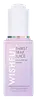
This hydrating serum is formulated around Niacinamide and Hyaluronic Acid to hydrate skin and soften the look of wrinkles.
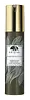
This anti-aging serum is formulated around Niacinamide and Acetyl Hexapeptide-8 to soften the look of wrinkles and refine skin texture.

What's inside
What's inside
 Key Ingredients
Benefits
Concerns
Ingredients Side-by-side
Water
Skin ConditioningGlycerin
Humectant


Methylpropanediol
SolventDipropylene Glycol
HumectantNiacinamide
Smoothing









Hyaluronic Acid
Humectant
Sodium Hyaluronate
Humectant
Hydrolyzed Hyaluronic Acid
Humectant
Palmitoyl Tripeptide-1
Skin Conditioning
Palmitoyl Tetrapeptide-7
Skin Conditioning
Althaea Rosea Flower Extract
Skin ConditioningAloe Barbadensis Leaf Polysaccharides
Emollient
Caffeine
Skin Conditioning
Adenosine
Skin Conditioning
Allantoin
Skin Conditioning
Ethylhexylglycerin
Skin ConditioningButylene Glycol
Humectant
Sodium Phytate
ChelatingCaprylyl Glycol
Emollient
Hydroxyacetophenone
Antioxidant
Carbomer
Emulsion StabilisingXanthan Gum
EmulsifyingTromethamine
BufferingGlyceryl Acrylate/Acrylic Acid Copolymer
HumectantPvm/Ma Copolymer
Emulsion Stabilising1,2-Hexanediol
Skin Conditioning
PEG-40 Hydrogenated Castor Oil
Emulsifying


Polysorbate 20
Emulsifying
Tocopherol
Antioxidant
Parfum
Masking



Linalool
Perfuming
Limonene
Perfuming
Water, Glycerin, Methylpropanediol, Dipropylene Glycol, Niacinamide, Hyaluronic Acid, Sodium Hyaluronate, Hydrolyzed Hyaluronic Acid, Palmitoyl Tripeptide-1, Palmitoyl Tetrapeptide-7, Althaea Rosea Flower Extract, Aloe Barbadensis Leaf Polysaccharides, Caffeine, Adenosine, Allantoin, Ethylhexylglycerin, Butylene Glycol, Sodium Phytate, Caprylyl Glycol, Hydroxyacetophenone, Carbomer, Xanthan Gum, Tromethamine, Glyceryl Acrylate/Acrylic Acid Copolymer, Pvm/Ma Copolymer, 1,2-Hexanediol, PEG-40 Hydrogenated Castor Oil, Polysorbate 20, Tocopherol, Parfum, Linalool, Limonene
Water
Skin ConditioningButylene Glycol
Humectant
Niacinamide
Smoothing
Glycerin
Humectant
Heptyl Undecylenate
EmollientOctyldodecanol
Emollient
Glycereth-26
Humectant
Sodium Acrylates Copolymer
Algae Extract
Emollient
Illicium Verum Fruit/Seed Oil
Masking
Citrus Aurantium Bergamia Fruit Oil
Masking
Pelargonium Graveolens Flower Oil
Masking
Lavandula Angustifolia Oil
Masking
Citrus Limon Peel Oil
Masking
Litsea Cubeba Fruit Oil
Masking
Citrus Nobilis Peel Oil
Masking
Myristica Fragrans Kernel Oil
Masking
Citrus Aurantium Dulcis Oil
Masking
Rosa Damascena Flower Oil
Masking
Hibiscus Abelmoschus Extract
MaskingCarthamus Tinctorius Seed Oil
Masking
Linalool
Perfuming
Geraniol
Perfuming
Citronellol
Perfuming
Limonene
Perfuming
Anogeissus Leiocarpus Bark Extract
Skin ProtectingAcetyl Hexapeptide-8
Humectant
Palmitoyl Tripeptide-1
Skin Conditioning
Acetyl Octapeptide-3
Humectant
Palmitoyl Tetrapeptide-7
Skin Conditioning
Palmitoyl Hexapeptide-12
Skin Conditioning
Dipeptide Diaminobutyroyl Benzylamide Diacetate
Skin Conditioning
Sodium Hyaluronate
Humectant
Sigesbeckia Orientalis Extract
Skin ConditioningCommiphora Mukul Resin Extract
Skin ConditioningLaminaria Saccharina Extract
Skin Protecting
Glucosamine Hcl
Bambusa Vulgaris Extract
Skin Conditioning
Caffeine
Skin Conditioning
Rosmarinus Officinalis Leaf Extract
AntimicrobialMolasses Extract
Skin ConditioningTocopheryl Acetate
Antioxidant
Scutellaria Baicalensis Root Extract
Astringent
Pyrus Malus Fruit Extract
Skin Conditioning
Cucumis Sativus Fruit Extract
Emollient
Pisum Sativum Extract
Skin ConditioningCaprylic/Capric Triglyceride
Masking
Lecithin
Emollient
Xanthan Gum
EmulsifyingCaprylyl Glycol
Emollient
Hexylene Glycol
EmulsifyingPEG-8
HumectantGlyceryl Polymethacrylate
Carbomer
Emulsion StabilisingPolysorbate 20
Emulsifying
Sodium Metabisulfite
Antioxidant
Sodium Sulfite
Preservative
Disodium EDTA
ChelatingSodium Phytate
ChelatingBHT
Antioxidant
Potassium Sorbate
Preservative
Phenoxyethanol
Preservative
Essential Oils
Water, Butylene Glycol, Niacinamide, Glycerin, Heptyl Undecylenate, Octyldodecanol, Glycereth-26, Sodium Acrylates Copolymer, Algae Extract, Illicium Verum Fruit/Seed Oil, Citrus Aurantium Bergamia Fruit Oil, Pelargonium Graveolens Flower Oil, Lavandula Angustifolia Oil, Citrus Limon Peel Oil, Litsea Cubeba Fruit Oil, Citrus Nobilis Peel Oil, Myristica Fragrans Kernel Oil, Citrus Aurantium Dulcis Oil, Rosa Damascena Flower Oil, Hibiscus Abelmoschus Extract, Carthamus Tinctorius Seed Oil, Linalool, Geraniol, Citronellol, Limonene, Anogeissus Leiocarpus Bark Extract, Acetyl Hexapeptide-8, Palmitoyl Tripeptide-1, Acetyl Octapeptide-3, Palmitoyl Tetrapeptide-7, Palmitoyl Hexapeptide-12, Dipeptide Diaminobutyroyl Benzylamide Diacetate, Sodium Hyaluronate, Sigesbeckia Orientalis Extract, Commiphora Mukul Resin Extract, Laminaria Saccharina Extract, Glucosamine Hcl, Bambusa Vulgaris Extract, Caffeine, Rosmarinus Officinalis Leaf Extract, Molasses Extract, Tocopheryl Acetate, Scutellaria Baicalensis Root Extract, Pyrus Malus Fruit Extract, Cucumis Sativus Fruit Extract, Pisum Sativum Extract, Caprylic/Capric Triglyceride, Lecithin, Xanthan Gum, Caprylyl Glycol, Hexylene Glycol, PEG-8, Glyceryl Polymethacrylate, Carbomer, Polysorbate 20, Sodium Metabisulfite, Sodium Sulfite, Disodium EDTA, Sodium Phytate, BHT, Potassium Sorbate, Phenoxyethanol, Essential Oils
Reviews
Ingredients Explained
These ingredients are found in both products.
Ingredients higher up in an ingredient list are typically present in a larger amount.
Butylene Glycol (or BG) is used within cosmetic products for a few different reasons:
Overall, Butylene Glycol is a safe and well-rounded ingredient that works well with other ingredients.
Though this ingredient works well with most skin types, some people with sensitive skin may experience a reaction such as allergic rashes, closed comedones, or itchiness.
Learn more about Butylene GlycolCaffeine is a naturally occurring plant compound found in coffee beans, tea leaves, cocoa pods, and guarana.
As an antioxidant, caffeine protects your skin from free radical damage caused by UV exposure and envionrmnetal stressors.
Early research also shows that caffeine can help calm redness, soothe irritated skin, and support hair growth by stimulating microcirculation in the scalp.
You might have seen eye creams marketing caffeine as a depuffing ingredient. This is because it is a vasoconstrictor meaning it can temporarily constrict blood vessels, though clinical evidence for this specific use is still limited.
Most skincare products contain this ingredient at concentrations between 1-6%. It is able to penetrate skin easily regardless of skin type or thickness.
Just so you know, a very small number of case reports describe caffeine-induced allergy. This ingredient is generally well-tolerated, non-irritating, and non-sensitizing for the majority of people.
Learn more about CaffeineCaprylyl Glycol is a humectant, skin conditioner, emollient, and preservative booster derived from either caprylic acid or synthetically created.
Typical use levels vary from 0.3-1% as a preservative booster and go up to 2% to condition skin.
Because it is not a free-fatty acid, this ingredient is fungal acne safe (there's nothing for Malassezia to feed on).
Learn more about Caprylyl GlycolCarbomer is a synthetic thickening and gelling agent. It's basically the ingredient that gives a lot of serums, gels, creams, and sunscreens their smooth, non-sticky texture.
Although legally permitted at very high levels, carbomers are normally used at concentrations below 1%.
It also needs to be neutralized to actually thicken, and because it is a large molecule, it doesn't really penetrate the skin barrier.
Allergy-wise, the risk is very low. Clinical studies show carbomers have low potential for skin irritation/sensitization even at concentrations up to 100%.
A 2024 UK study patch-tested 1,302 patients and found true allergy to the parent group of carbomer to be rare with no confirmed relevant reactions.
Learn more about CarbomerGlycerin (or glycerol) is a compound naturally found in your skin. It's a powerhouse humectant that pulls water into the stratum corneum.
Topically, glycerin does several things at once:
Your skin makes glycerin on its own (mostly from sebaceous oil breakdown) and shuttles it to your outermost layer of skin, or your epidermis, via aquaporin-3.
Aquaporin-3 is a transporter that is essential for normal skin hydration, elasticity, and repair. Interestingly, mice lacking in AQP3 have dry and less elastic skin that can be fully corrected with glycerin.
This ingredient is non-irritating, plays well with almost every ingredient, and works across all skin types. Typical use is anywhere between 3-10% but can go up to 79% in some leave-on products.
Just know very high concentrations (>40%) can feel tacky in low humidity.
Glycerin is the name for this ingredient in American English. British English uses Glycerol/Glycerine.
Learn more about GlycerinLimonene is the compound that gives citrus peel its smell.
In skincare, it shows up as a standalone fragrance ingredient or as a natural compound of citrus and other essential oils.
You'll typically see this ingredient used in very small amounts; anything above 0.001% in a leave-on product or 0.01% in a rinse-off has to be named on the label in the EU. The citrus oils that carry it sit around 0.5-1% in a finished formula.
Fresh limonene is a weak allergen; the real issue is that it slowly reacts with air and then breaks down from oxidation to create hydroperoxides (which are strong sensitizers). This is why suppliers are required to keep the peroxide value below 20 mmol.
Positive reactions in people being investigated for eczema vary:
It's worth skipping if you have a known fragrance allergy or a compromised barrier, but the risk is low for most people.
Older or long-opened products are also more likely to bother you than fresh ones due to oxidation.
Learn more about LimoneneLinalool is a small, naturally occurring scent molecule found in plants like lavender, coriander, bergamot, and more.
It is one of the two most-used fragrance ingredients in cosmetics and added purely for smell. Since it's not used for a skin benefit, there's no "effective dose". Concentration depends on the fragrance load of the product.
The EU requires it to be named on the label above 0.001% in leave-on and 0.01% in rinse-off products.
Fresh linalool is a weak sensitizer but air exposure turns some of it into hydroperoxides, which are strong sensitizers. Those oxidation products are the actual allergy concern.
Patch-test clinics see positive reactions to linalool hydroperoxides in about 4% to 12% of dermatitis patients depending on country and test concentration.
Resassuringly, one analytical study found hydroperoxide levels in real fragranced products to be orders of magnitude below what induced sensitization in animal studies with no evidence of oxidation building up during normal storage.
The practical takeaway is that linalool is fine for most people but worth avoiding if you have a confirmed fragrance contact allergy or a badly compromised barrier.
Products stored a long time after opening are also the high-risk scenario since that is when oxidation happens.
The scent of linalool is described as floral, spicy tropical, and citrus-like.
Learn more about LinaloolNiacinamide is a multitasking form of vitamin B3 that strengthens the skin barrier, reduces pores and dark spots, regulates oil, and improves signs of aging.
And the best part? It's gentle and well-tolerated by most skin types, including sensitive and reactive skin.
You might have heard of "niacin flush", or the reddening of skin that causes itchiness. Niacinamide has not been found to cause this.
In very rare cases, some individuals may not be able to tolerate niacinamide at all or experience an allergic reaction to it.
If you are experiencing flaking, irritation, and dryness with this ingredient, be sure to double check all your products as this ingredient can be found in all categories of skincare.
When incorporating niacinamide into your routine, look out for concentration amounts. Typically, 5% niacinamide provides benefits such as fading dark spots. However, if you have sensitive skin, it is better to begin with a smaller concentration.
When you apply niacinamide to your skin, your body converts it into nicotinamide adenine dinucleotide (NAD). NAD is an essential coenzyme that is already found in your cells as "fuel" and powers countless biological processes.
In your skin, NAD helps repair cell damage, produce new healthy cells, support collagen production, strengthen the skin barrier, and fight environmental stressors (like UV and pollution).
Our natural NAD levels start to decline with age, leading to slower skin repair, visible aging, and a weaker skin barrier. By providing your skin niacinamide, you're recharging your skin's NAD levels. This leads to stronger, healthier, and younger looking skin.
Another name for vitamin B3 is nicotinamide. This vitamin is water-soluble and our bodies don't store it. We obtain Vitamin B3 from either food or skincare. Meat, fish, wheat, yeast, and leafy greens contain vitamin B3.
The type of niacinamide used in skincare is synthetically created.
Learn more about NiacinamidePalmitoyl Tetrapeptide-7 (formerly Palmitoyl Tetrapeptide-3) is a synthetic peptide. Its main job is to fight what researchers call "inflammaging".
"Inflammaging" is the slow, low-grade chronic inflammation that quietly breaks down collagen as we age.
This ingredient calms down a specific inflammation signal in your skin cells (called IL-6). When left unchecked, this signal triggers enzymes that break down collagen and elastin.
Clinical testing showed statistically significant improvements in:
Studies also found the more of this ingredient used, the more your skin produces Collagen I, fibronectin, and hyaluronic acid.
You'll likely see this ingredient paired with Palmitoyl Tripeptide-1 in the well-known Matrixyl 3000 complex for enhanced anti-aging effects.
A 3% concentration applied twice daily for two months showed meaningful skin rejuvenation results in clinical panels.
Fungal acne note:
Usually a palmitic acid component can feed Malassezia in unbound form, but here is is covalently bonded to the peptide. This means it is very difficult for Malassezia to access, and therefore very unlikely to cause fungal acne.
Palmitoyl Tripeptide-1 (aka Pal-GHK) is a synthetic signal peptide made of three amino acids attached to palmitic acid.
That fatty acid attachment is the key: it boosts the peptide's ability to penetrate the skin barrier. This puts it closer to the dermal cells where it can actually make a difference.
Once there, it acts as a matrikine, a signaling peptide that prompts fibroblasts to produce more collagen, fibronectin, and hyaluronic acid.
In vitro studies show it can boost collagen production in skin cells even when UV-damaged skin samples were treated with it at a tiny concentration (it almost fully restored dermal collagen at 5ppm). It achieved this at 100x lower concentration than retinoic acid, which needed 500 ppm to do the same thing.
Human clinical data is promising, but modest:
A study of 23 female volunteers found a small but statistically significant increase (~4%) in skin thickness after treatment at 4 ppm.
A separate small trial of 15 women showed statistically significant reductions in wrinkle length, depth, and skin roughness after applying it twice daily for four weeks.
You'll likely see Pal-GHK paired with Palmitoyl Tetrapeptide-7 as part of the Matrixyl 3000 complex.
Fungal acne note:
Usually a palmitic acid component can feed Malassezia in unbound form, but here is is covalently bonded to the peptide. This means it is very difficult for Malassezia to access, and therefore very unlikely to cause fungal acne.
Polysorbate 20 is a gentle, water-soluble emulsifier and mild surfactant. It stops oil and water from separating to keep your formulas blended and stable.
It also acts as a mild penetration enhancer by helping active ingredients absorb slightly better.
The common safety discussion around this ingredient involves a manufacturing byproduct called 1,4-dioxane.
Trace amounts can form during production but the EU's Scientific Committee on Consumer Safety has concluded that levels at/below 10 ppm in finished products are safe (commercial products consistently fall within acceptable margins).
True allergic reactions are uncommon and the CIR Expert Panel has confirmed this ingredient to be safe as used in cosmetics.
Because it is derived from lauric acid, it may not be fungal acne safe.
Learn more about Polysorbate 20Sodium Hyaluronate is the salt form of hyaluronic acid. It is a long sugar chain that is naturally found in your skin, joints, and connective tissue that maintains hydration and elasticity.
In skincare, it works as a humectant. It pulls water from the environment and deeper layers of skin and binds it to the surface.
Interestingly, the size of the molecule affects its behavior:
Some clinical evidence links low molecular weight versions to improved wrinkle depth, elasticity, anti-inflammatory effects, and barrier repair.
Many serums use a blend of both weights so you can get surface hydration plus longer-lasting and deeper effects.
You'll typically see concentrations between 0.1-2% for this ingredient.
Learn more about Sodium HyaluronateSodium Phytate is the sodium salt of Phytic acid, a compound that plants store phosphorus in. It's the plant-derived alternative to ingredients like Disodium EDTA.
In skincare, this ingredient is a chelator that grabs onto trace metal ions like iron and copper that sneak into formulas through water/raw materials.
Those metals speed up oxidation so binding them keeps oils, fragrance, and actives from going off, stops color changes, and helps the preservative system work harder.
Survey data shows usage levels range from 0.0099%-0.5% in leave-on products, 0.025%-0.3% in rinse-off, and up to 0.05% in eye-area products. Suppliers typically recommend a range between 0.05-0.5%.
Learn more about Sodium PhytateWater. It's the most common cosmetic ingredient of all. You'll usually see it at the top of ingredient lists, meaning that it makes up the largest part of the product.
So why is it so popular? Water most often acts as a solvent - this means that it helps dissolve other ingredients into the formulation.
You'll also recognize water as that liquid we all need to stay alive. If you see this, drink a glass of water. Remember to stay hydrated!
Learn more about WaterXanthan gum is used as a stabilizer and thickener within cosmetic products. It helps give products a sticky, thick feeling - preventing them from being too runny.
On the technical side of things, xanthan gum is a polysaccharide - a combination consisting of multiple sugar molecules bonded together.
Xanthan gum is a pretty common and great ingredient. It is a natural, non-toxic, non-irritating ingredient that is also commonly used in food products.
Learn more about Xanthan Gum

