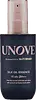
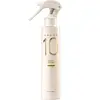
unove Silk Oil Essence Versus Mise En Scène Salon 10 No-Wash Ampoule Treatment For Extremely Damaged Hair

What's inside
What's inside
 Key Ingredients
Benefits
Concerns
Ingredients Side-by-side
Cyclopentasiloxane
Emollient
Dimethiconol
Emollient
C12-15 Alkyl Benzoate
AntimicrobialDimethicone
Emollient
Parfum
Masking




Alcohol
Antimicrobial

Argania Spinosa Kernel Oil
Emollient






Hippophae Rhamnoides Oil
Emollient
Hexyl Cinnamal
Perfuming
Eclipta Prostrata Extract
Skin Conditioning
Melia Azadirachta Leaf Extract
Skin ConditioningGeraniol
Perfuming
Citronellol
Perfuming
Limonene
Perfuming
Water
Skin ConditioningMoringa Oleifera Seed Oil
Emollient
Alpha-Isomethyl Ionone
Perfuming
Cyclohexasiloxane
Emollient
Camellia Japonica Seed Oil
Emollient
Helianthus Annuus Seed Oil
Emollient
Hydrolyzed Silk
Humectant
Olea Europaea Fruit Oil
Masking
Hydrolyzed Vegetable Protein
Skin ConditioningMaltodextrin
Absorbent
Glycerin
Humectant
Butylene Glycol
Humectant
Hydrolyzed Keratin
Humectant
Silk Amino Acids
HumectantVegetable Amino Acids
Skin ConditioningPentylene Glycol
Skin Conditioning
Glycine
Buffering
Serine
Masking
Glutamic Acid
Humectant
Ethylhexylglycerin
Skin ConditioningAspartic Acid
Masking
Leucine
Skin ConditioningAlanine
Masking
Lysine
Skin ConditioningArginine
Masking
Tyrosine
MaskingPhenylalanine
Masking
Hydrolyzed Conchiolin Protein
Skin ConditioningProline
Skin Conditioning
Threonine
Valine
Masking1,2-Hexanediol
Skin Conditioning
Caprylyl Glycol
Emollient
Isoleucine
Skin ConditioningCitric Acid
Buffering

Potassium Benzoate
Preservative
Potassium Sorbate
Preservative
Histidine
Humectant
Cysteine
Antioxidant
Methionine
Skin ConditioningCeramide NP
Skin Conditioning
Phospholipids
Skin Conditioning
Phytosphingosine
Skin Conditioning
Phytosterols
Skin Conditioning
Cyclopentasiloxane, Dimethiconol, C12-15 Alkyl Benzoate, Dimethicone, Parfum, Alcohol, Argania Spinosa Kernel Oil, Hippophae Rhamnoides Oil, Hexyl Cinnamal, Eclipta Prostrata Extract, Melia Azadirachta Leaf Extract, Geraniol, Citronellol, Limonene, Water, Moringa Oleifera Seed Oil, Alpha-Isomethyl Ionone, Cyclohexasiloxane, Camellia Japonica Seed Oil, Helianthus Annuus Seed Oil, Hydrolyzed Silk, Olea Europaea Fruit Oil, Hydrolyzed Vegetable Protein, Maltodextrin, Glycerin, Butylene Glycol, Hydrolyzed Keratin, Silk Amino Acids, Vegetable Amino Acids, Pentylene Glycol, Glycine, Serine, Glutamic Acid, Ethylhexylglycerin, Aspartic Acid, Leucine, Alanine, Lysine, Arginine, Tyrosine, Phenylalanine, Hydrolyzed Conchiolin Protein, Proline, Threonine, Valine, 1,2-Hexanediol, Caprylyl Glycol, Isoleucine, Citric Acid, Potassium Benzoate, Potassium Sorbate, Histidine, Cysteine, Methionine, Ceramide NP, Phospholipids, Phytosphingosine, Phytosterols
Water
Skin ConditioningDiethoxyethyl Succinate
SolventMyristyl Alcohol
Emollient
Isopentyldiol
Humectant
Stearamidopropyl Dimethylamine
EmulsifyingGlyceryl Oleate
Emollient
Parfum
Masking
Lactic Acid
Buffering

Butylene Glycol
Humectant
Ethylhexylglycerin
Skin ConditioningDisodium EDTA
ChelatingLinalool
Perfuming
Limonene
Perfuming
Hydrolyzed Vegetable Protein
Skin ConditioningGeraniol
Perfuming
1,2-Hexanediol
Skin Conditioning
Rosa Damascena Flower Extract
Masking
Alpha-Isomethyl Ionone
Perfuming
Glycine Soja Oil
Emollient
Glycine Soja Sterols
Emollient
Vaccinium Myrtillus Fruit Extract
Skin ConditioningMannitol
Humectant
Arginine
Masking
Serine
Masking
Sucrose
Humectant
Cetearyl Alcohol
Emollient
Hexyl Laurate
Emollient
Saccharum Officinarum Extract
MoisturisingPersea Gratissima Oil
Skin Conditioning
PCA
Humectant
Citrulline
Skin ConditioningDextrin
AbsorbentGlycogen
HumectantHistidine Hcl
Skin ConditioningAlanine
Masking
Citrus Aurantium Dulcis Fruit Extract
MaskingCitrus Limon Fruit Extract
Masking
Threonine
Panax Ginseng Root Extract
Emollient
Sodium Benzoate
Masking
Glutamic Acid
Humectant
Tocopherol
Antioxidant
Lysine Hcl
Skin Conditioning
Acer Saccharum Extract
Skin ConditioningLecithin
Emollient
Ascorbyl Palmitate
Antioxidant
Hydrolyzed Collagen
Emollient
Hydrogenated Palm Glycerides Citrate
Emollient
Hydrogenated Vegetable Glycerides Citrate
EmollientWater, Diethoxyethyl Succinate, Myristyl Alcohol, Isopentyldiol, Stearamidopropyl Dimethylamine, Glyceryl Oleate, Parfum, Lactic Acid, Butylene Glycol, Ethylhexylglycerin, Disodium EDTA, Linalool, Limonene, Hydrolyzed Vegetable Protein, Geraniol, 1,2-Hexanediol, Rosa Damascena Flower Extract, Alpha-Isomethyl Ionone, Glycine Soja Oil, Glycine Soja Sterols, Vaccinium Myrtillus Fruit Extract, Mannitol, Arginine, Serine, Sucrose, Cetearyl Alcohol, Hexyl Laurate, Saccharum Officinarum Extract, Persea Gratissima Oil, PCA, Citrulline, Dextrin, Glycogen, Histidine Hcl, Alanine, Citrus Aurantium Dulcis Fruit Extract, Citrus Limon Fruit Extract, Threonine, Panax Ginseng Root Extract, Sodium Benzoate, Glutamic Acid, Tocopherol, Lysine Hcl, Acer Saccharum Extract, Lecithin, Ascorbyl Palmitate, Hydrolyzed Collagen, Hydrogenated Palm Glycerides Citrate, Hydrogenated Vegetable Glycerides Citrate
Reviews
Ingredients Explained
These ingredients are found in both products.
Ingredients higher up in an ingredient list are typically present in a larger amount.
1,2-Hexanediol is a synthetic liquid and another multi-functional powerhouse.
It is a:
- Humectant, drawing moisture into the skin
- Emollient, helping to soften skin
- Solvent, dispersing and stabilizing formulas
- Preservative booster, enhancing the antimicrobial activity of other preservatives
Alanine is an amino acid and is already found in the human body. Our skin uses alanine to build collagen, elastin, and keratin.
Alpha-Isomethyl Ionone is a fragrance. It can be synthetically created or naturally occurring.
The scent of Alpha-Isomethyl Ionone is described as "flowery" but can also be "woody".
Naturally occurring Alpha-Isomethyl Ionone may be found in Saccharomyces cerevisiae, or the yeast used to make wine and bread.
The term 'fragrance' is not regulated in many countries. In many cases, it is up to the brand to define this term. For instance, many brands choose to label themselves as "fragrance-free" because they are not using synthetic fragrances. However, their products may still contain ingredients such as essential oils that are considered a fragrance.
Learn more about Alpha-Isomethyl IononeArginine is a semi-essential amino acid. This just means our bodies can product a bit on its own, but sometimes needs a little boost from food sources.
It is a part of your skin's natural moisturizing factor (NMF), or the water-loving molecules in your outermost layer of skin (stratum corneum) that keeps everything hydrated and happy.
Here's an interesting thing about Arginine: your skin converts it into urea through the Krebs-Henseleit urea cycle. Urea is one of the most effective humectants your skin naturally produces.
A clinical study showed applying 2.5% arginine hydrochloride to atopic dermatitis skin showed significant urea levels in the stratum corneum and improved moisture in just four weeks.
Arginine is also a precursor to nitric oxide; nitric oxide improves microcirculation and supports wound healing and collagen synthesis.
One study found that an amino acid complex containing Arginine reduced skin irritation, improved hydration, and accelerated skin repair in clinical / in-vivo studies.
Arginine itself is an amino acid and not a fatty acid, oil, or ester. On its own, it's not a direct food source for Malassezia, or the yeast that causes fungal acne.
Learn more about ArginineButylene Glycol (or BG) is used within cosmetic products for a few different reasons:
Overall, Butylene Glycol is a safe and well-rounded ingredient that works well with other ingredients.
Though this ingredient works well with most skin types, some people with sensitive skin may experience a reaction such as allergic rashes, closed comedones, or itchiness.
Learn more about Butylene GlycolEthylhexylglycerin is created from glycerin. It is a multitasker ingredient that:
The CIR Expert Panel found minimal skin absorption or sensitization of any kind in a safety assessment. Though this ingredient is considered well-tolerated, a small number of cases of allergic dermatitis have been published since 2002. Just be sure to patch test if you are unsure.
Industry-reported use ranges from 8% in rinse-off products and 2% in leave-on formulations.
Learn more about EthylhexylglycerinGeraniol is used to add fragrance/parfum to a product. It is the main component of citronellol. It is a monoterpenoid and an alcohol.
Monoterpenes are naturally found in many parts of different plants.
Geraniol can be found in many essential oils including Rose Oil and Citronella Oil. The scent of Geraniol is often described as "rose-like". Many foods also contain Geraniol for fruit flavoring.
Geraniol can irritate the skin when exposed to air. However, irritation depends on the ability of geraniol to penetrate into the skin. In general, geraniol is not able to penetrate skin easily.
Geraniol is colorless and has low water-solubility. However, it is soluble in common organic solvents.
Like citronellol, it is a natural insect repellent.
2,6-Octadien-1-ol, 3,7-dimethyl-, (2E)-
Learn more about GeraniolGlutamic Acid is an amino acid that is found in all living organisms. Our bodies use this to help nerve cells in the brain communicate with other cells.
In cosmetics, glutamic acid is a famous humectant. It draws water from the air to your skin, keeping your skin hydrated (like hyaluronic acid).
An in-vitro study from 2024 found glutamic acid to play a role in inhibiting inflammation and thus a potential skin-soothing ingredient.
Other studies show it to be have potential wound healing, skin barrier repair, and hair growth properties.
Glutamic acid has poor solubility in water and other solvents.
Learn more about Glutamic AcidWe don't have a description for Hydrolyzed Vegetable Protein yet.
Limonene is the compound that gives citrus peel its smell.
In skincare, it shows up as a standalone fragrance ingredient or as a natural compound of citrus and other essential oils.
You'll typically see this ingredient used in very small amounts; anything above 0.001% in a leave-on product or 0.01% in a rinse-off has to be named on the label in the EU. The citrus oils that carry it sit around 0.5-1% in a finished formula.
Fresh limonene is a weak allergen; the real issue is that it slowly reacts with air and then breaks down from oxidation to create hydroperoxides (which are strong sensitizers). This is why suppliers are required to keep the peroxide value below 20 mmol.
Positive reactions in people being investigated for eczema vary:
It's worth skipping if you have a known fragrance allergy or a compromised barrier, but the risk is low for most people.
Older or long-opened products are also more likely to bother you than fresh ones due to oxidation.
Learn more about LimoneneParfum is a catch-all term for an ingredient or more that is used to give a scent to products.
Also called "fragrance", this ingredient can be a blend of hundreds of chemicals or plant oils. This means every product with "fragrance" or "parfum" in the ingredients list is a different mixture.
For instance, Habanolide is a proprietary trade name for a specific aroma chemical. When used as a fragrance ingredient in cosmetics, most aroma chemicals fall under the broad labeling category of “FRAGRANCE” or “PARFUM” according to EU and US regulations.
The term 'parfum' or 'fragrance' is not regulated in many countries. In many cases, it is up to the brand to define this term.
For instance, many brands choose to label themselves as "fragrance-free" because they are not using synthetic fragrances. However, their products may still contain ingredients such as essential oils that are considered a fragrance by INCI standards.
One example is Calendula flower extract. Calendula is an essential oil that still imparts a scent or 'fragrance'.
Depending on the blend, the ingredients in the mixture can cause allergies and sensitivities on the skin. Some ingredients that are known EU allergens include linalool and citronellol.
Parfum can also be used to mask or cover an unpleasant scent.
The bottom line is: not all fragrances/parfum/ingredients are created equally. If you are worried about fragrances, we recommend taking a closer look at an ingredient. And of course, we always recommend speaking with a professional.
Learn more about ParfumSerine is a non-essential amino acid (your body makes it on its own!). It is a major player in your skin's natural moisturizing factor (NMF), or the water-loving molecules in your outermost layer of skin (stratum corneum) that keeps everything hydrated and happy.
Serine is one of your NMF's most abundant components that works as a skin-identical humectant. Its hydroxyl group grabs onto water molecules to boost hydration without any heaviness or occlusion.
Research on a hydrogel with serine confirmed this serine got delivered to your stratum corneum and demonstrated enhanced skin moisturization.
Interestingly serine also helps your skin produce filaggrin, a protein that keeps your skin barrier strong and used to create collagen.
Learn more about SerineThreonine is an amino-acid. It helps hydrate the skin and has antioxidant benefits.
Our skin uses threonine for creating collagen and elastin. Humans are not able to create threonine and must get it through eating foods such as fish, lentils, poultry, sesame seeds, and more.
Water. It's the most common cosmetic ingredient of all. You'll usually see it at the top of ingredient lists, meaning that it makes up the largest part of the product.
So why is it so popular? Water most often acts as a solvent - this means that it helps dissolve other ingredients into the formulation.
You'll also recognize water as that liquid we all need to stay alive. If you see this, drink a glass of water. Remember to stay hydrated!
Learn more about Water

