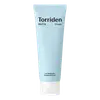
This barrier-repair moisturizer is formulated around Sodium Hyaluronate and Ceramide NP to strengthen the skin barrier and hydrate skin.


What's inside
What's inside
 Key Ingredients
Benefits
Concerns
Ingredients Side-by-side
Water
Skin ConditioningButylene Glycol
Humectant

Glycerin
Humectant
Dipropylene Glycol
HumectantCaprylic/Capric Triglyceride
Masking
1,2-Hexanediol
Skin Conditioning
C14-22 Alcohols
Emulsion Stabilising
Glyceryl Stearate
Emollient

Ethylhexyl Palmitate
Emollient


Cetearyl Alcohol
Emollient
Sodium Hyaluronate
Humectant


Hydrolyzed Hyaluronic Acid
Humectant
Sodium Acetylated Hyaluronate
Humectant
Sodium Hyaluronate Crosspolymer
Humectant
Hydrolyzed Sodium Hyaluronate
Skin Conditioning
Simmondsia Chinensis Seed Oil
Emollient
Macadamia Integrifolia Seed Oil
Skin Conditioning
Argania Spinosa Kernel Oil
Emollient

Trehalose
Humectant
Sh-Oligopeptide-1
Skin Conditioning
Allantoin
Skin Conditioning
Propanediol
Solvent
Betaine
Humectant
Beta-Glucan
Skin Conditioning
Ceramide NP
Skin Conditioning
Portulaca Oleracea Extract
Skin Conditioning
Hamamelis Virginiana Extract
Antiseborrhoeic

Morus Nigra Fruit Extract
Skin ConditioningLycium Chinense Fruit Extract
Antioxidant
Fragaria Chiloensis Fruit Extract
Skin Conditioning
Berberis Vulgaris Root Extract
AntimicrobialMadecassoside
Antioxidant
Madecassic Acid
Skin Conditioning
Cetearyl Olivate
Sorbitan Olivate
Emulsifying
Malachite Extract
Antioxidant
Pentylene Glycol
Skin Conditioning
Dimethicone/Vinyl Dimethicone Crosspolymer
Skin Conditioning
C12-20 Alkyl Glucoside
EmulsifyingPolyglyceryl-10 Myristate
Skin Conditioning
Glyceryl Acrylate/Acrylic Acid Copolymer
HumectantXanthan Gum
EmulsifyingArginine
Masking
Carbomer
Emulsion StabilisingTromethamine
BufferingEthylhexylglycerin
Skin ConditioningScutellaria Baicalensis Root Extract
Astringent
Paeonia Suffruticosa Root Extract
Skin ProtectingWater, Butylene Glycol, Glycerin, Dipropylene Glycol, Caprylic/Capric Triglyceride, 1,2-Hexanediol, C14-22 Alcohols, Glyceryl Stearate, Ethylhexyl Palmitate, Cetearyl Alcohol, Sodium Hyaluronate, Hydrolyzed Hyaluronic Acid, Sodium Acetylated Hyaluronate, Sodium Hyaluronate Crosspolymer, Hydrolyzed Sodium Hyaluronate, Simmondsia Chinensis Seed Oil, Macadamia Integrifolia Seed Oil, Argania Spinosa Kernel Oil, Trehalose, Sh-Oligopeptide-1, Allantoin, Propanediol, Betaine, Beta-Glucan, Ceramide NP, Portulaca Oleracea Extract, Hamamelis Virginiana Extract, Morus Nigra Fruit Extract, Lycium Chinense Fruit Extract, Fragaria Chiloensis Fruit Extract, Berberis Vulgaris Root Extract, Madecassoside, Madecassic Acid, Cetearyl Olivate, Sorbitan Olivate, Malachite Extract, Pentylene Glycol, Dimethicone/Vinyl Dimethicone Crosspolymer, C12-20 Alkyl Glucoside, Polyglyceryl-10 Myristate, Glyceryl Acrylate/Acrylic Acid Copolymer, Xanthan Gum, Arginine, Carbomer, Tromethamine, Ethylhexylglycerin, Scutellaria Baicalensis Root Extract, Paeonia Suffruticosa Root Extract
Water
Skin ConditioningGlycerin
Humectant
Palmitic Acid
Emollient
Stearic Acid
Cleansing
Myristic Acid
Cleansing
Lauric Acid
Cleansing
Tea-Lauroyl Collagen Amino Acids
Cleansing
Potassium Hydroxide
BufferingGlycol Stearate
Emollient
Ceteareth-25
CleansingGlyceryl Stearate
Emollient
Polyquaternium-43
Niacinamide
Smoothing



Euglena Gracilis Extract
Skin ConditioningTocopherol
Antioxidant
Aloe Barbadensis Leaf Juice
Skin Conditioning
Parfum
Masking

Tribulus Terrestris Fruit Extract
Skin ConditioningAmpelopsis Japonica Root Extract
Skin ConditioningPerilla Frutescens Extract
Skin ConditioningGinkgo Biloba Nut Extract
Skin ConditioningCamellia Sinensis Leaf Extract
Antimicrobial
Hydroxyethylcellulose
Emulsion StabilisingRoyal Jelly Powder
Skin ConditioningSodium Hyaluronate
Humectant
BHT
Antioxidant
Arbutin
Antioxidant
Pentylene Glycol
Skin Conditioning
Caprylyl Glycol
Emollient
Ethylhexylglycerin
Skin ConditioningDisodium EDTA
ChelatingZinc Chloride
AntimicrobialSodium Oxide
BufferingCalcium Oxide
BufferingMagnesium Oxide
AbsorbentAlumina
Abrasive
Ferric Chloride
AstringentMica
Cosmetic ColorantCI 77491
Cosmetic ColorantCI 77891
Cosmetic ColorantColloidal Gold
AntimicrobialWater, Glycerin, Palmitic Acid, Stearic Acid, Myristic Acid, Lauric Acid, Tea-Lauroyl Collagen Amino Acids, Potassium Hydroxide, Glycol Stearate, Ceteareth-25, Glyceryl Stearate, Polyquaternium-43, Niacinamide, Euglena Gracilis Extract, Tocopherol, Aloe Barbadensis Leaf Juice, Parfum, Tribulus Terrestris Fruit Extract, Ampelopsis Japonica Root Extract, Perilla Frutescens Extract, Ginkgo Biloba Nut Extract, Camellia Sinensis Leaf Extract, Hydroxyethylcellulose, Royal Jelly Powder, Sodium Hyaluronate, BHT, Arbutin, Pentylene Glycol, Caprylyl Glycol, Ethylhexylglycerin, Disodium EDTA, Zinc Chloride, Sodium Oxide, Calcium Oxide, Magnesium Oxide, Alumina, Ferric Chloride, Mica, CI 77491, CI 77891, Colloidal Gold
Reviews
Ingredients Explained
These ingredients are found in both products.
Ingredients higher up in an ingredient list are typically present in a larger amount.
Ethylhexylglycerin is created from glycerin. It is a multitasker ingredient that:
The CIR Expert Panel found minimal skin absorption or sensitization of any kind in a safety assessment. Though this ingredient is considered well-tolerated, a small number of cases of allergic dermatitis have been published since 2002. Just be sure to patch test if you are unsure.
Industry-reported use ranges from 8% in rinse-off products and 2% in leave-on formulations.
Learn more about EthylhexylglycerinGlycerin (or glycerol) is a compound naturally found in your skin. It's a powerhouse humectant that pulls water into the stratum corneum.
Topically, glycerin does several things at once:
Your skin makes glycerin on its own (mostly from sebaceous oil breakdown) and shuttles it to your outermost layer of skin, or your epidermis, via aquaporin-3.
Aquaporin-3 is a transporter that is essential for normal skin hydration, elasticity, and repair. Interestingly, mice lacking in AQP3 have dry and less elastic skin that can be fully corrected with glycerin.
This ingredient is non-irritating, plays well with almost every ingredient, and works across all skin types. Typical use is anywhere between 3-10% but can go up to 79% in some leave-on products.
Just know very high concentrations (>40%) can feel tacky in low humidity.
Glycerin is the name for this ingredient in American English. British English uses Glycerol/Glycerine.
Learn more about GlycerinGlyceryl Stearate is made by reacting glycerin with stearic acid (typically sourced from plant oils like palm or coconut). It's an emulsifier, emollient, and mild occlusive.
Emulsifiers help ingredients like oil and water stay mixed so your formula stays nicely blended and uniform in texture.
This ingredient is typically used in concentrations between 1-10%. Studies have found it to be non-sensitizing, non-phototoxic, and non-photoallergenic.
A close cousin of this ingredient is Glyceryl Stearate SE ("self-emulsifying"). This just has a small amount of sodium or potassium stearate added so it can emulsify without a co-emulsifier.
Since this ingredient is an ester of a C18 fatty acid, it may not be fungal acne safe. The Malassezia yeast can potentially metabolize within the C11-C24 range.
Fun fact: The human body also creates Glyceryl Stearate naturally.
Learn more about Glyceryl StearatePentylene Glycol (1,2-pentanediol) is a multitasking little diol with three main roles in a formula:
Research on alkanediols (the family pentylene glycol belongs to) show they work by disrupting microbial cell membranes. This disruption helps the primary preservative system in a product work more effectively at lower doses.
On the safety side, the Cosmetic Ingredient Review Expert Panel has concluded this ingredient to be safe as used in current cosmetic practices + concentrations.
Typical use levels in a formula run about 1-5%.
Learn more about Pentylene GlycolSodium Hyaluronate is the salt form of hyaluronic acid. It is a long sugar chain that is naturally found in your skin, joints, and connective tissue that maintains hydration and elasticity.
In skincare, it works as a humectant. It pulls water from the environment and deeper layers of skin and binds it to the surface.
Interestingly, the size of the molecule affects its behavior:
Some clinical evidence links low molecular weight versions to improved wrinkle depth, elasticity, anti-inflammatory effects, and barrier repair.
Many serums use a blend of both weights so you can get surface hydration plus longer-lasting and deeper effects.
You'll typically see concentrations between 0.1-2% for this ingredient.
Learn more about Sodium HyaluronateWater. It's the most common cosmetic ingredient of all. You'll usually see it at the top of ingredient lists, meaning that it makes up the largest part of the product.
So why is it so popular? Water most often acts as a solvent - this means that it helps dissolve other ingredients into the formulation.
You'll also recognize water as that liquid we all need to stay alive. If you see this, drink a glass of water. Remember to stay hydrated!
Learn more about Water

